
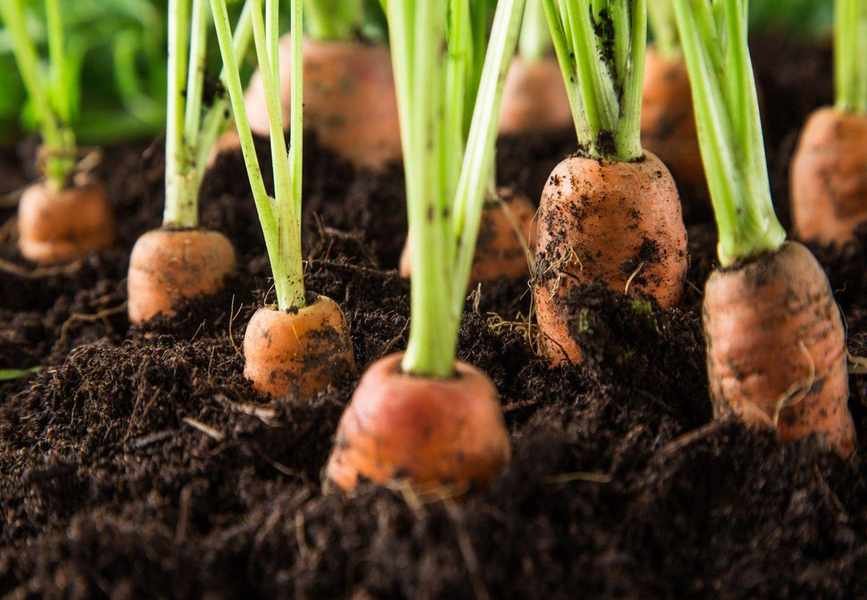
Carrots are a beloved vegetable that can thrive in containers, making them ideal for those with limited gardening space. Whether you have a small balcony or patio, you can successfully grow these nutritious roots.
Carrots come in various shapes and colors beyond the typical orange variety found in stores. For container gardening, choose shorter and rounder types that require less depth for optimal growth.
To grow carrots in pots successfully, select the right variety, use a spacious container, and fill it with high-quality compost. This guidance applies equally to indoor gardening. We'll explore the best practices for sowing, nurturing, and harvesting carrots from containers.
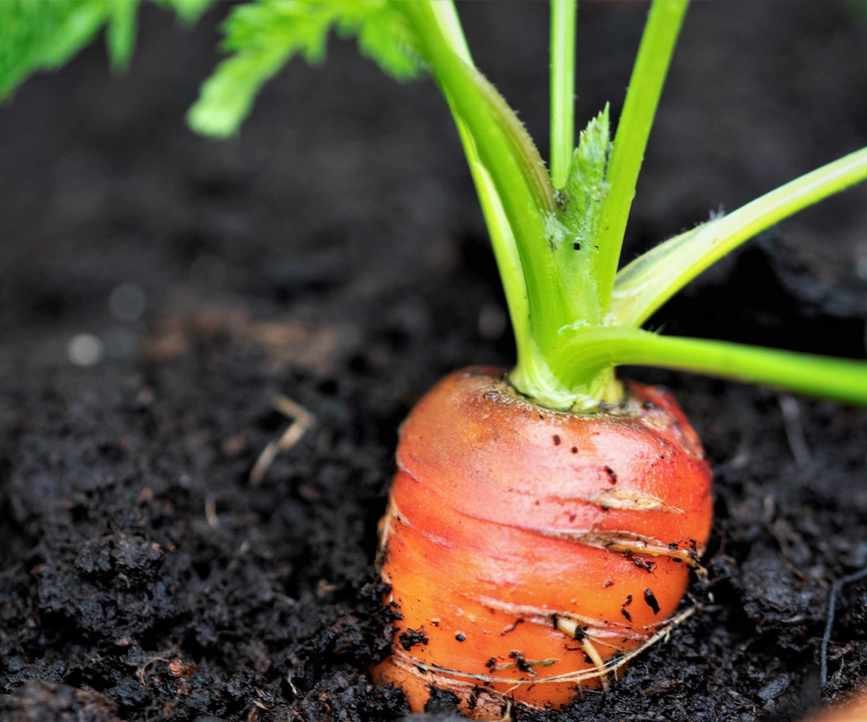
Carrots are easy to grow in containers
Advantages of Container Gardening for Carrots
Carrots rank among the top vegetables for container gardening. Containers are perfect for maximizing small spaces while yielding homegrown produce. They work well for anyone with limited garden area.
Growing carrots in containers offers several advantages over traditional garden beds. One key benefit is the ability to control the soil quality by using light, nutrient-rich compost, which mitigates common soil-related issues.
A gardening expert states: 'Carrots thrive best in sunny, sheltered areas with well-aerated, fertile soil cleared of debris that can hinder root development.'
Containers can also minimize damage from pests like slugs and rabbits. You can cultivate a generous number of carrots in a larger pot.

Essential Steps for Growing Carrots in Containers
Choosing the right pot size is crucial for growing carrots in containers. Short, early, or round varieties thrive in smaller pots, while traditional long-rooted types require containers that are at least 18 inches deep.
In addition to pots, consider using fabric bags such as JERIA 30 Gallon Aeration Fabric Pots, available at Amazon. These breathable, portable bags are 16 inches deep, allowing for diverse carrot types.
Another expert suggests: 'You can plant carrots in pots with a diameter of at least 12 inches or larger.'
'Cover the drainage hole with crocks and fill with multipurpose compost mixed with a quarter volume of grit or sharp sand for optimal drainage.'
- Sow carrot seeds thinly, about ½ inch deep, and spaced 2 to 2½ inches apart, then lightly cover with soil and water.
- Regularly feed the carrot plants with a potassium-rich liquid fertilizer during growth.
- Position the container in a sunny location, such as a patio or terrace.
- Maintain moisture in the container, ensuring the compost doesn't dry out during warm weather.
To prevent attracting carrot root fly, the primary pest, it's advisable to sow seeds as thinly as possible. Covering the container with fleece can help protect seedlings while allowing moisture in.
Consider integrating companion plants like chives around the container, which can deter pests while adding visual appeal.

Harvesting Carrots from Containers
When to harvest your carrots depends on the variety and sowing time. Growing in pots can speed up the harvesting process compared to garden beds.
Carrots are categorized into early and maincrop varieties, which dictate their growth duration. Smaller types can yield harvestable roots in less than two months, while maincrop carrots typically take 14 to 16 weeks.
Carrot seeds can be sown from early March until late summer, as long as temperatures exceed 50˚F. By planting a mix of early and maincrop varieties in multiple pots, you can enjoy a continuous carrot harvest.
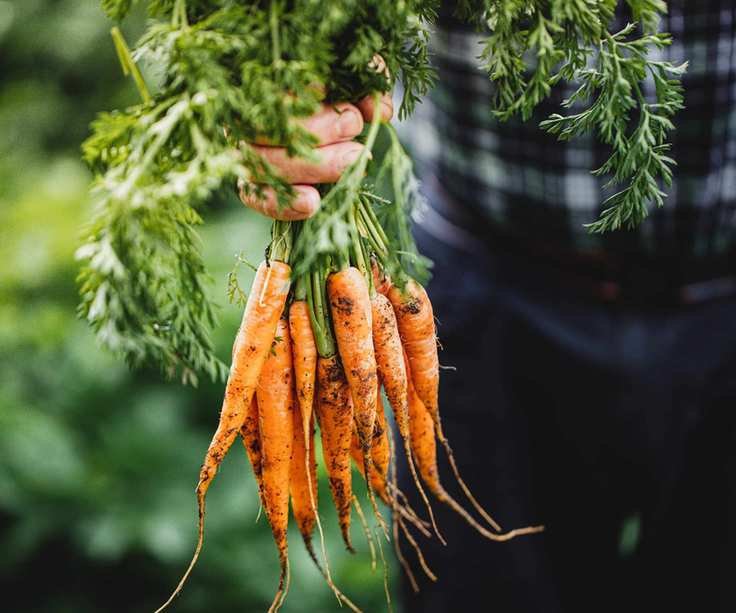
Gently pull the roots when harvesting to avoid damaging the leaves
Best Carrot Varieties for Container Growth
Carrots are among the simplest vegetables to cultivate, with numerous types suited for container gardening, available in various sizes, shapes, and hues.
Shorter and early varieties like Early Nantes, available at Walmart, and Caracas Hybrid carrots, available at Burpee, are fantastic for containers due to their compact size.
Chantenay varieties are also excellent options, such as Red Cored Chantenay at Burpee and Paris Market Round carrots, which mature in just 60-75 days and are ideal for small spaces like window boxes.
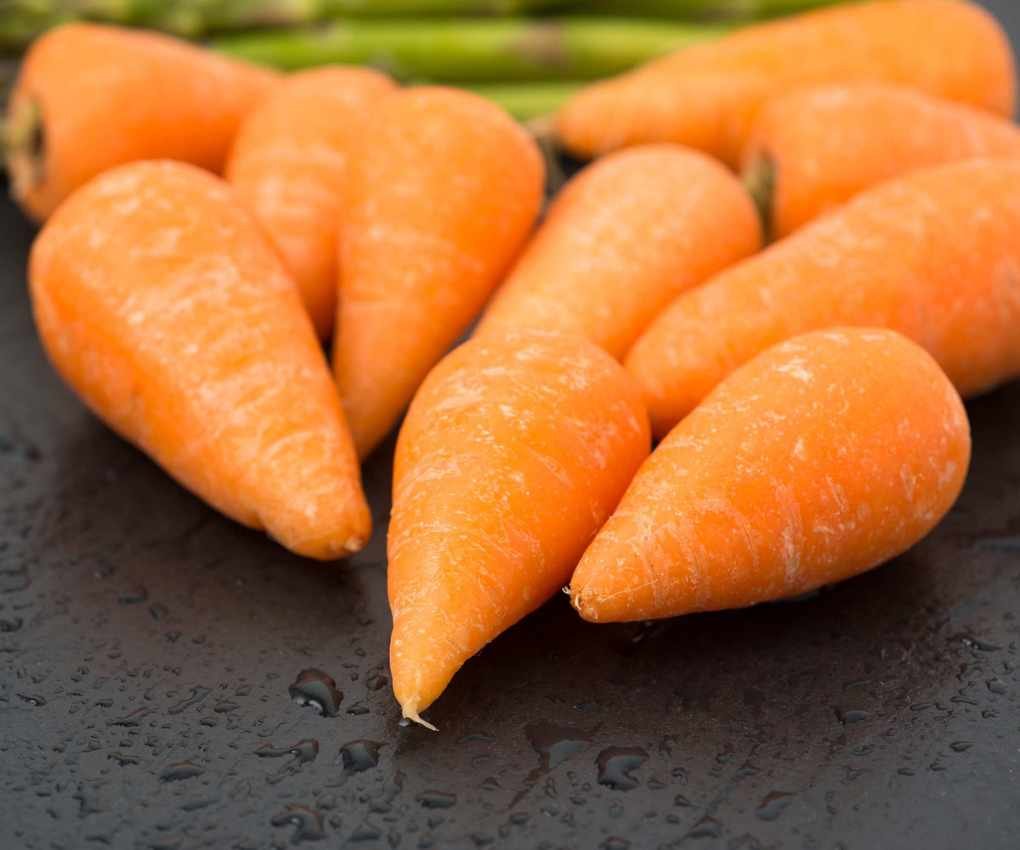
Chantenay carrots are perfect for container planting
Common Questions
What's the Best Soil for Carrots in Containers?
Controlling the soil is a major benefit of container gardening. The ideal soil for carrots is a rich potting mix designed for vegetables, such as the Coast of Maine Vegetable Planting Soil available at Walmart. Avoid using garden soil, which can introduce diseases and retain too much moisture. Adding homemade compost can further enhance nutrient content.
Instead of using general-purpose fertilizers, focus on increasing phosphorus to encourage strong root growth. Bone meal is an effective way to add phosphorus, such as Natural Organic Bone Meal available at Burpee.
How Many Carrots Fit in a Bucket?
Buckets make excellent containers for growing carrots due to their depth. A 5-gallon bucket is typically 12-15 inches tall, while a 10-gallon bucket ranges from 16-18 inches tall. Ensure proper drainage holes are present.
The number of carrots you can grow depends on the variety and whether you prefer baby or full-sized roots. A 5-gallon bucket can accommodate about a dozen carrots, while a 10-gallon bucket can hold roughly 24 carrots.
Growing carrots in containers is straightforward and provides an excellent opportunity to explore diverse carrot varieties. You'll discover unique shapes and colors not typically found in stores, and homegrown carrots are often superior in taste. No matter your available space, you can cultivate these delicious roots in containers, so go ahead and try your hand at home carrot gardening!



