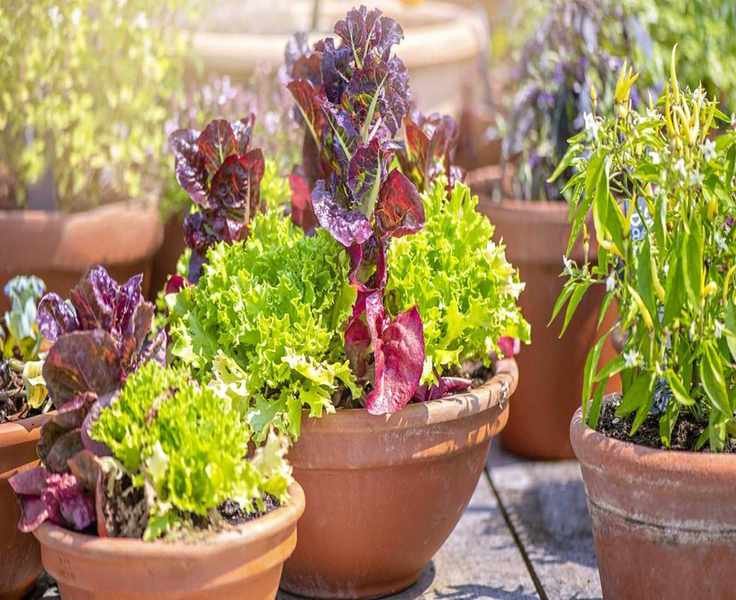
Growing vegetables in pots is a rewarding and practical way to enjoy a home harvest. From petite radishes to extensive cucumbers, the variety of crops suitable for container gardening is vast.
As a kitchen gardener, I primarily cultivated outdoors, but I found that heat-loving plants like tomatoes and peppers thrived in pots within my greenhouse. For several years, my courtyard garden lacked beds, so I focused on pot gardening. I explored various vegetables, maximizing my limited space.
When selecting vegetables for your pots, prioritize those you and your family enjoy eating. With so many options, you're sure to find suitable crops for your garden.
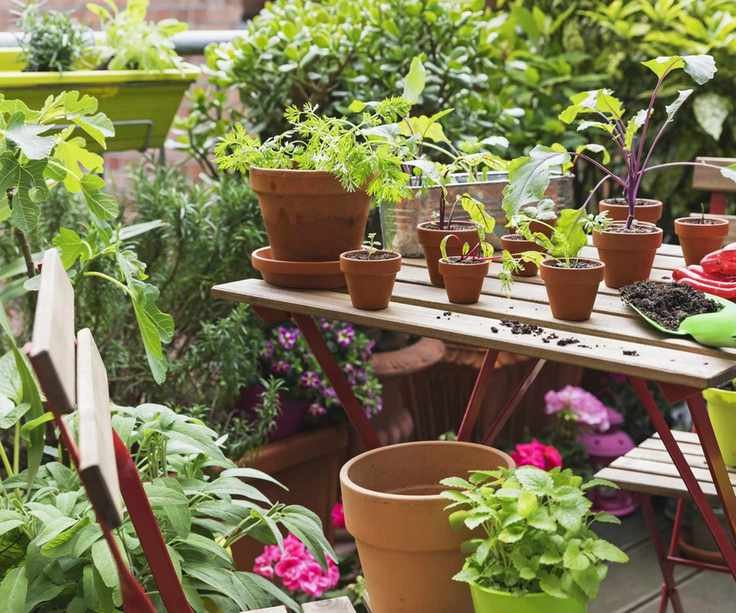
Vegetables flourish in balcony pots
Best Vegetables for Container Gardening on Patios or Balconies
Here's a look at 12 ideal vegetables for pot gardening, whether on a patio, balcony, or deck. We'll cover necessary pot sizes, optimal placements for growth, and expected harvest times.
Keep in mind that watering and fertilizing are crucial for potted plants, as the limited soil volume affects moisture and nutrient retention. Use high-quality potting soil that drains well, and ensure all pots have drainage holes.
1. Potatoes

Potatoes thrive in pots, buckets, or bags
- Sun Exposure: Full sun
- Pot Size: Minimum of 12 inches wide and deep
- Harvest Time: Late spring onward
Potatoes rank high among easy-to-grow vegetables in pots. Numerous varieties exist, all suitable for container growing.
To plant, position 2-3 seed potatoes on a few inches of soil and cover with more soil. Place the pot in a sunny location and water adequately. As the plants grow, add soil until the container is full. To harvest, simply tip the pot and collect the potatoes.
2. Beans

Fava beans require support unless dwarf varieties are grown
- Sun Exposure: Full sun
- Pot Size: Minimum of 12 inches wide
- Harvest Time: Summer onward
Beans are fantastic for pot gardening, offering various types to choose from. Fava beans and dwarf cultivars thrive in containers, while pole beans need larger pots (around 18 inches) and support like poles or trellises.
3. Peas
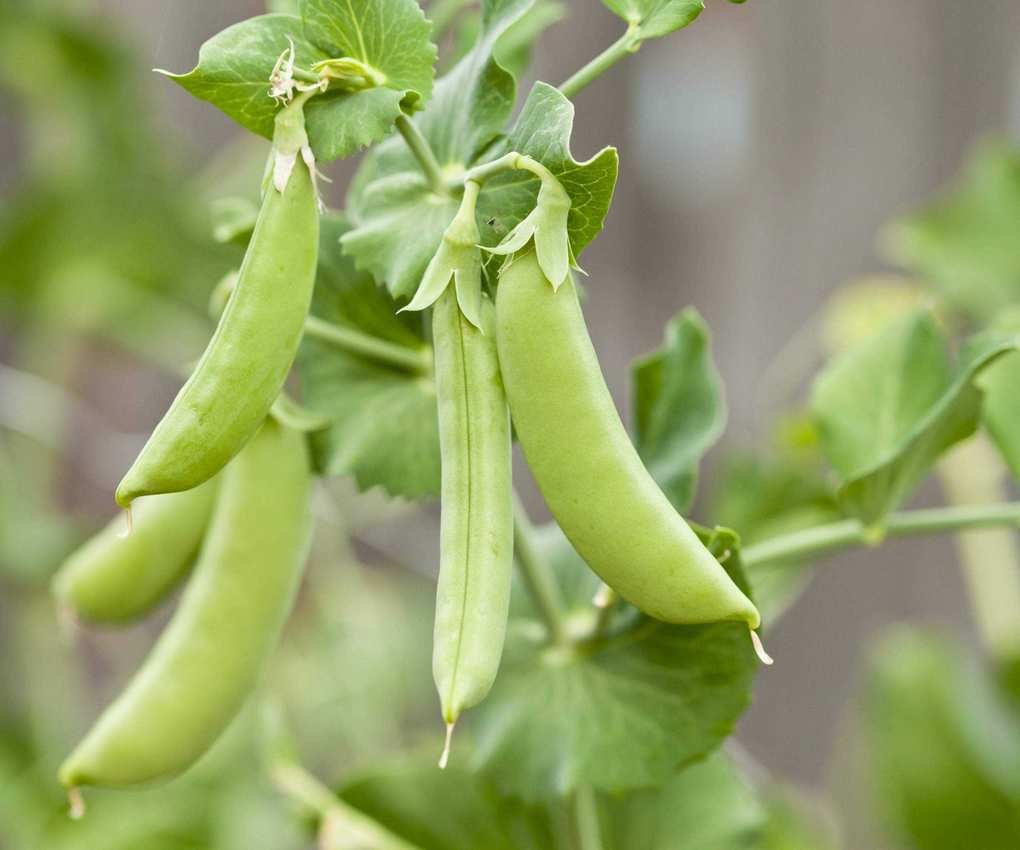
Sugar snap peas are sweet and entirely edible
- Sun Exposure: Full sun
- Pot Size: Minimum of 12 inches
- Harvest Time: Summer
Peas, including mangetout and sugar snap, can be grown in pots, needing some form of support like a wigwam of twigs or bamboo. Opt for dwarf varieties for less support.
Fresh peas are a delightful treat directly from the plant. Regular harvesting ensures a continuous summer supply. Use a tomato fertilizer, such as Tomato Tone, available on Amazon, to boost flowering and pod production.
4. Radish
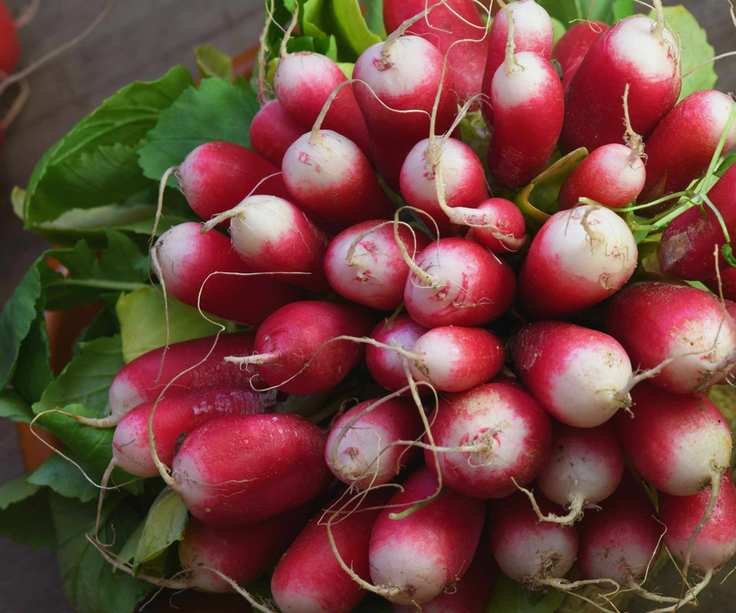
Radishes come in various shapes and colors
- Sun Exposure: Full sun to partial shade
- Pot Size: Minimum of 8 inches
- Harvest Time: Spring to fall
Radishes are among the quickest vegetables to grow, maturing in under a month. You can explore diverse shapes, colors, and flavors. Some varieties thrive in shallow containers.
Sow seeds thinly and later thin them to about an inch apart. Harvest when they reach an inch in diameter for a peppery addition to salads.
5. Carrots
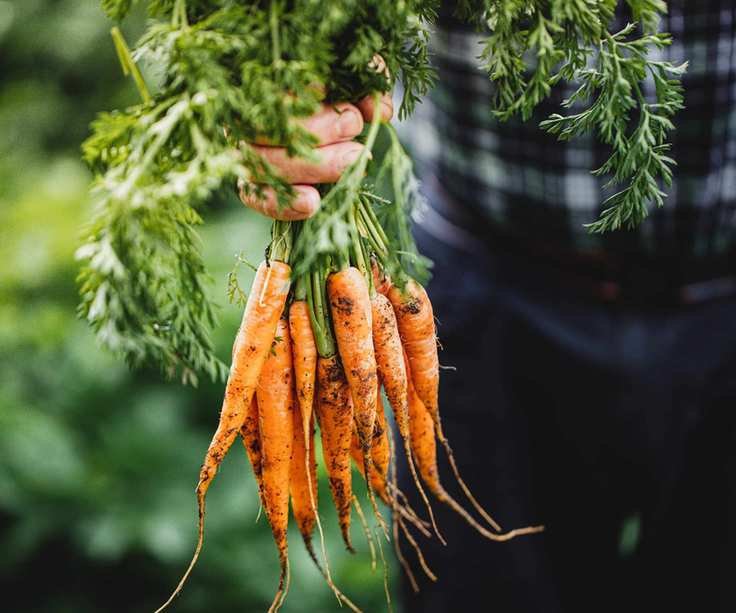
Ensure your pot is deep enough for the carrot variety
- Sun Exposure: Full sun
- Pot Size: Minimum of 8 inches wide
- Harvest Time: Summer to fall
Carrots can thrive in larger pots, with options for rounded varieties ideal for containers or traditional longer-rooted varieties needing at least 18 inches deep.
When growing carrots, sow seeds thinly in spring and keep them moist throughout the growing season.
6. Peppers
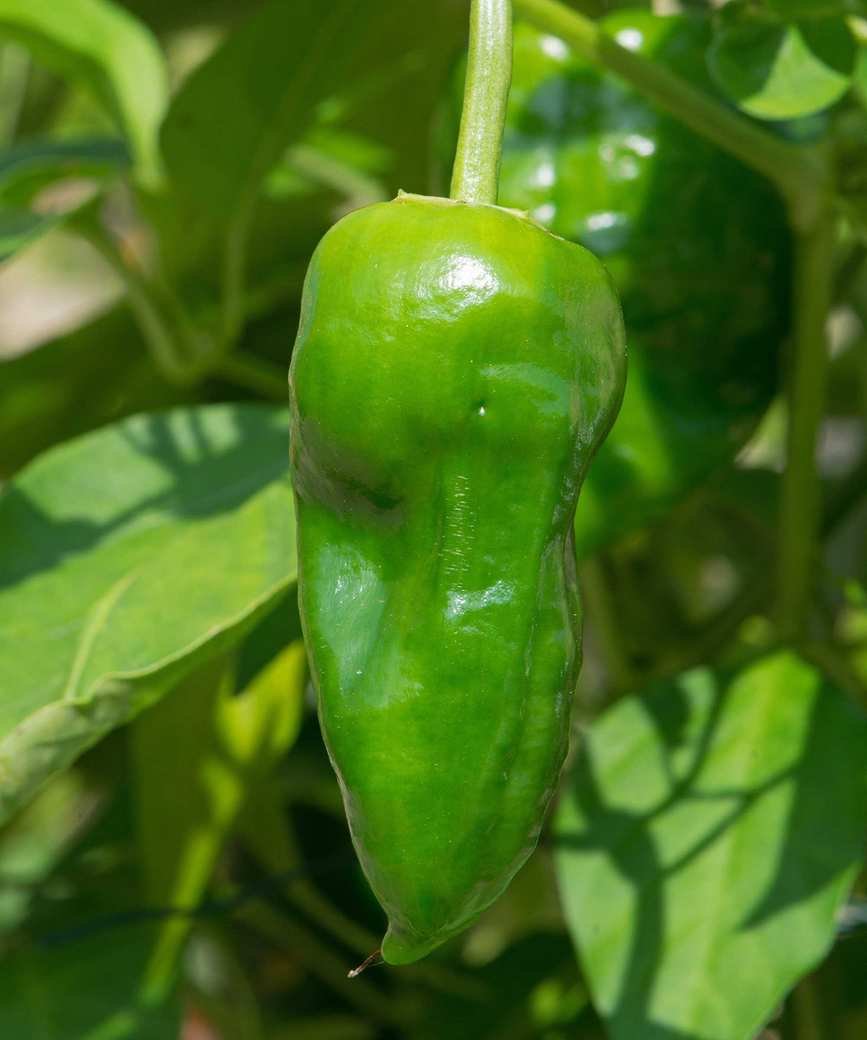
Padron peppers are small and mild, often used in tapas
- Sun Exposure: Full sun
- Pot Size: Minimum of 12 inches
- Harvest Time: Late summer onward
Both bell and chili peppers flourish in pots, offering an array of flavors and colors to your garden.
To grow peppers successfully, maintain consistent moisture and apply a tomato fertilizer when flowers appear.
7. Lettuce
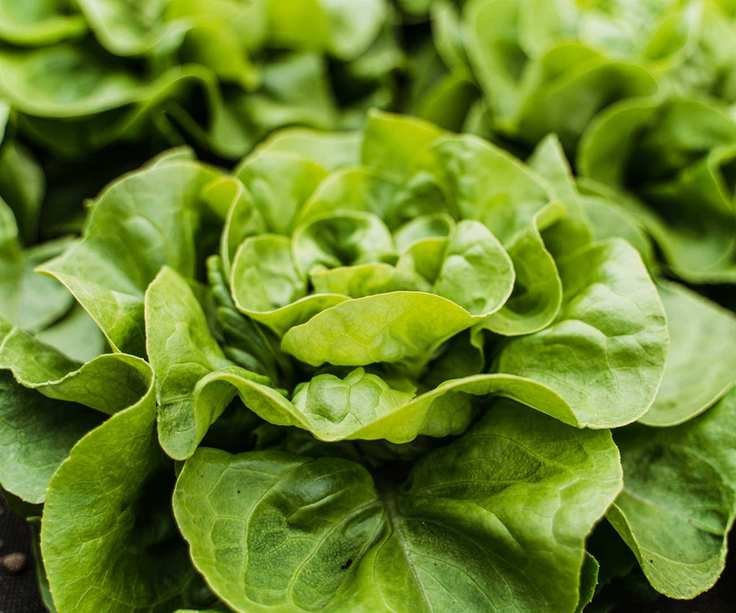
Lettuce grows rapidly in pots; monitor soil moisture
- Sun Exposure: Full sun or partial shade
- Pot Size: Minimum of 6 inches
- Harvest Time: Year-round
Lettuce is one of the simplest vegetables to grow in containers due to its quick growth and shallow roots. Pots help protect against pests like slugs.
Sow seeds directly or use plug plants for quick harvests. Many varieties allow for multiple harvests from a single plant, creating a visually appealing mix for salads.
8. Cucumbers
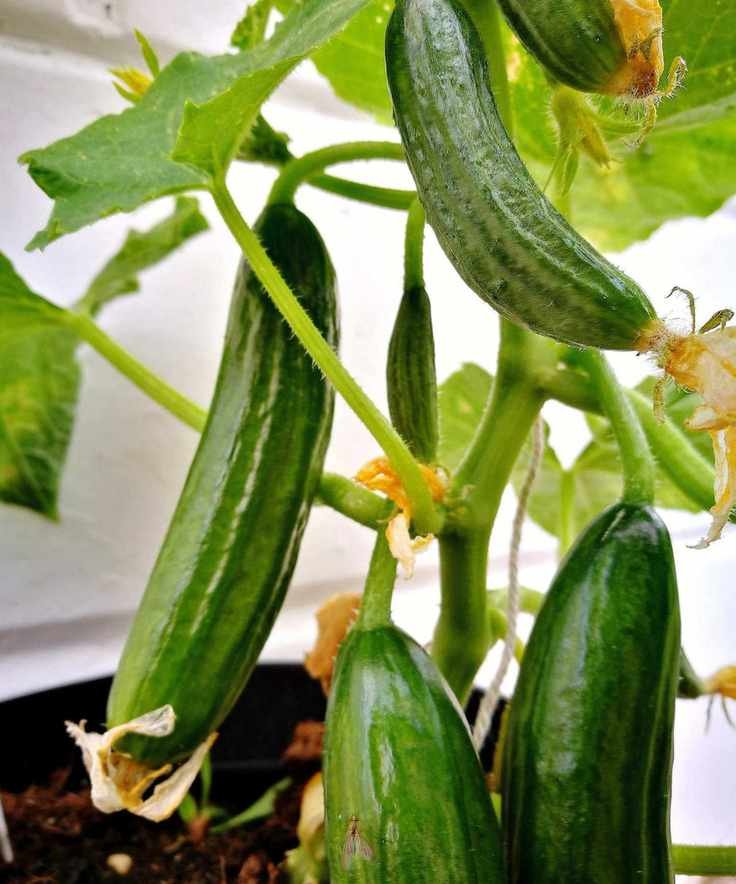
Cucumbers require large pots and sturdy support
- Sun Exposure: Full sun or partial shade
- Pot Size: Minimum of 18 inches
- Harvest Time: Summer
Bush and vining cucumber varieties can be grown in containers, though vining types need larger pots for their roots. Ensure they have a trellis or support system for climbing.
Keep cucumbers well-watered to maintain moisture and ensure consistent yields.
9. Chard

Rainbow chard seeds come in colorful mixes
- Sun Exposure: Partial shade
- Pot Size: Minimum of 12 inches wide and 8 inches deep
- Harvest Time: Summer to late fall
Swiss chard offers a prolonged harvest and adds vibrancy to your garden. Its bright stems and leaves can be eaten at various sizes.
Being shallow-rooted, it doesn't need a large pot. Sow seeds directly or use transplants, and harvest small leaves after about 30 days or mature ones in 60 days.
10. Tomatoes

Tomatoes thrive in full sun; soil must remain moist
- Sun Exposure: Full sun
- Pot Size: Minimum of 12 inches
- Harvest Time: Summer to early fall
Tomatoes are beloved for pot gardening, with countless varieties available. Shorter bush types are particularly suitable as they don't need staking.
To grow tomatoes successfully, feed them regularly, providing ample sunlight for optimal fruit production.
11. Onions
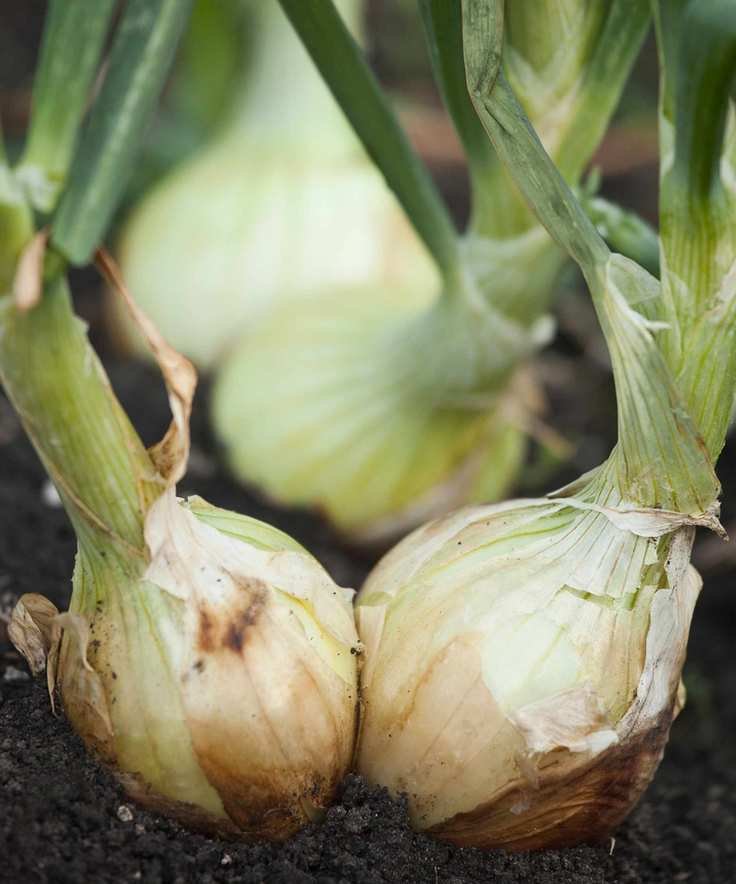
Onions can be planted or sown in spring
- Sun Exposure: Full sun
- Pot Size: Minimum of 24 inches wide and 10 inches deep
- Harvest Time: Summer
Growing onions in pots mirrors in-ground cultivation. For bulbing varieties, choose wide, shallow pots to maximize bulb growth. Plant onion sets or seeds in spring for summer harvests.
12. Arugula
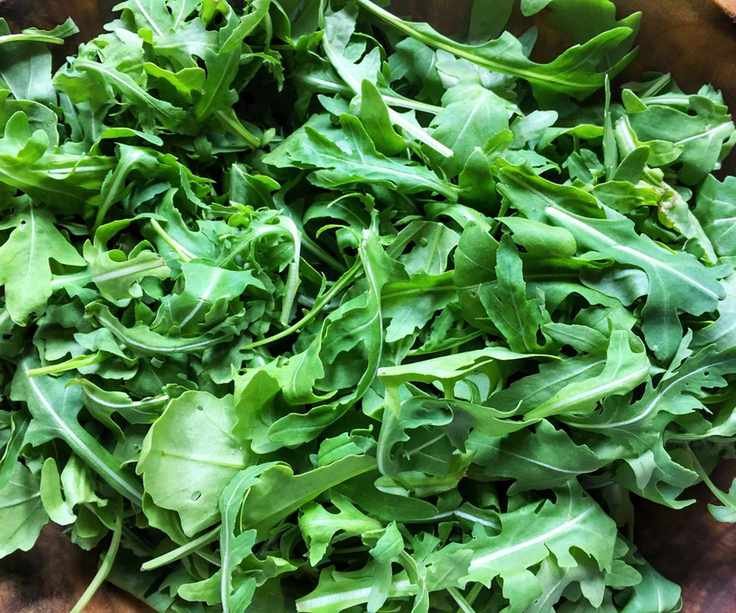
Harvest arugula leaves when they reach three inches
- Sun Exposure: Full or partial sun
- Pot Size: Minimum of 8 inches
- Harvest Time: Late spring to fall
Arugula yields peppery leaves ideal for salads, sandwiches, or pesto. It's a quick-growing crop, with the first harvest possible within six weeks. Regular harvesting encourages further growth, making it an excellent option for spring or late summer planting.
FAQs
What's the best soil for growing vegetables in pots?
Choosing the right compost for your pots is crucial. Vegetables thrive in rich, well-draining compost. A quality potting mix designed for containers works best, such as the Miracle-Gro Performance Organics All Purpose Container Mix available on Amazon.
Avoid using garden soil, as it's often too heavy, retains excessive water, and may harbor diseases.
What winter vegetables can I grow in pots?
You can grow vegetables year-round in containers, moving them to sheltered spots to protect against frost. Winter crops like cabbages, Brussels sprouts, broccoli, leeks, and kale all thrive in pots. Consider succession planting to achieve both summer and winter harvests.
The best vegetables for pots are also among the easiest to cultivate. Even with limited space, you can enjoy a fresh harvest with minimal effort.
There's ample opportunity for experimentation in gardening, particularly in expanding your pot-grown vegetables. With just seeds, soil, pots, and a bit of patience, you can enjoy the fruits of your labor.