

Proper drainage is crucial for ensuring the health of plants in any container. Without a way for excess water to escape, it can accumulate at the bottom, potentially harming the plants.
Every planter should have drainage holes to allow surplus water to exit. Keep these holes clear to avoid blockages. Items like broken pottery, pebbles, or even some household materials can be placed at the bottom, but ensure they don't obstruct water movement.
Watering can be challenging when managing container gardens. During my early gardening career, I tended to various pots at the renowned Hidcote Manor Garden in the UK. They varied in size and water needs, making it a daunting task. However, with proper drainage, you can relax knowing any excess moisture will escape, protecting your plants.
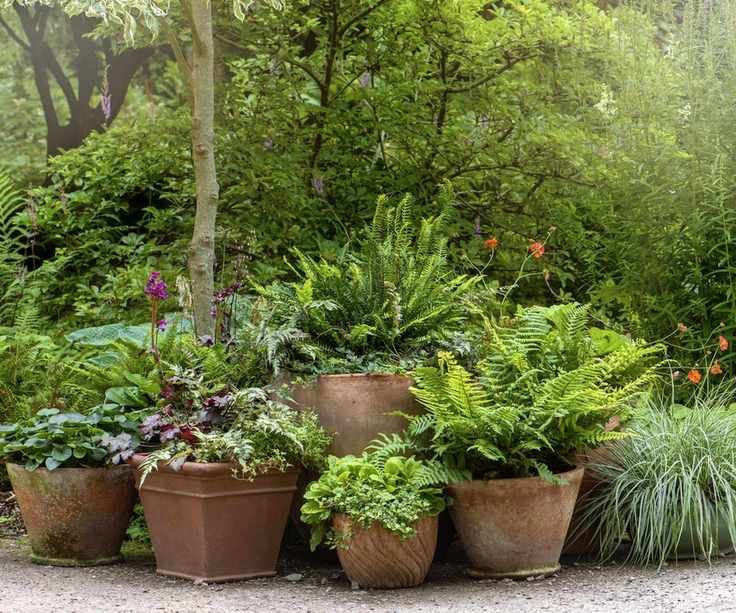
Planters come in various sizes, but all require adequate drainage
Best Practices for Planter Drainage
The most critical component for drainage in any planter is, indeed, holes. Each container must feature these drainage spaces. Overlooking proper drainage is a frequent mistake that can lead to plant demise.
A gardening expert warns that without sufficient drainage, the compost can quickly become waterlogged.
Waterlogged compost expels air, suffocating roots and causing plant death. Insufficient airflow from moisture buildup can also lead to fungal issues and root rot.
While many planters come equipped with drainage holes, it's essential to verify this with outdoor containers. If necessary, you can create drainage holes using an electric drill. While plastic and wooden containers are straightforward, ceramic or metal may require specific drill bits. Consider getting a Drill and Driver Multi-Bit Set from Amazon for various materials.
Even with holes, adding materials at the bottom can enhance drainage. Gardeners often use broken pieces of terracotta to cover these holes, known as 'crocks,' preventing compost from clogging them and allowing excess water to escape.
Gravel or stones can also help, but use them sparingly to avoid creating a thick layer that can hinder root growth and elevate the water table, potentially saturating the soil. Ensure stones don't sit flat over the drainage holes, which could block them.
A seasoned gardener emphasizes that while adding gravel or rocks was once common, many experts now advise against it.
Using well-draining potting soil allows excess water to flow out naturally. If gravel is present, water may pool instead of draining properly, which can hinder root development.
It's also vital to elevate planters on feet to create space underneath, allowing drainage and preventing blockages from dirt or debris. For instance, consider using UFelice Invisible Pot Feet available at Amazon.

Drainage Tips for Large Planters
Large planters or planter boxes may need numerous or larger drainage holes. To avoid adding weight, consider lightweight materials.
Using polystyrene packaging can serve as effective container crocks. Additionally, items like milk jugs, crushed cans, or plastic bottles can be used to fill space, reducing weight and preventing soil from blocking drainage holes.
If you're concerned about compost clogging holes, consider lining the base with materials like newspaper, fabric, or coffee filters.
Indoor Planter Drainage Solutions
Proper drainage is just as important indoors. Many of the same items mentioned can be used in indoor planters. Remember to use saucers beneath indoor pots to catch excess water.
One gardening expert suggests that while drainage holes are typically necessary, many indoor gardeners successfully use watertight containers for plants. For example, she's grown various plants in decorative vases and bowls without issue for years.
When using such containers, a layer of pebbles or stones can act as a reservoir for excess water. However, if you choose this method, water sparingly and carefully to prevent oversaturation.
Another expert advises controlling water levels carefully to avoid saturating the soil. If you use a porous, well-draining potting mix, you might not need anything at the bottom of the container.
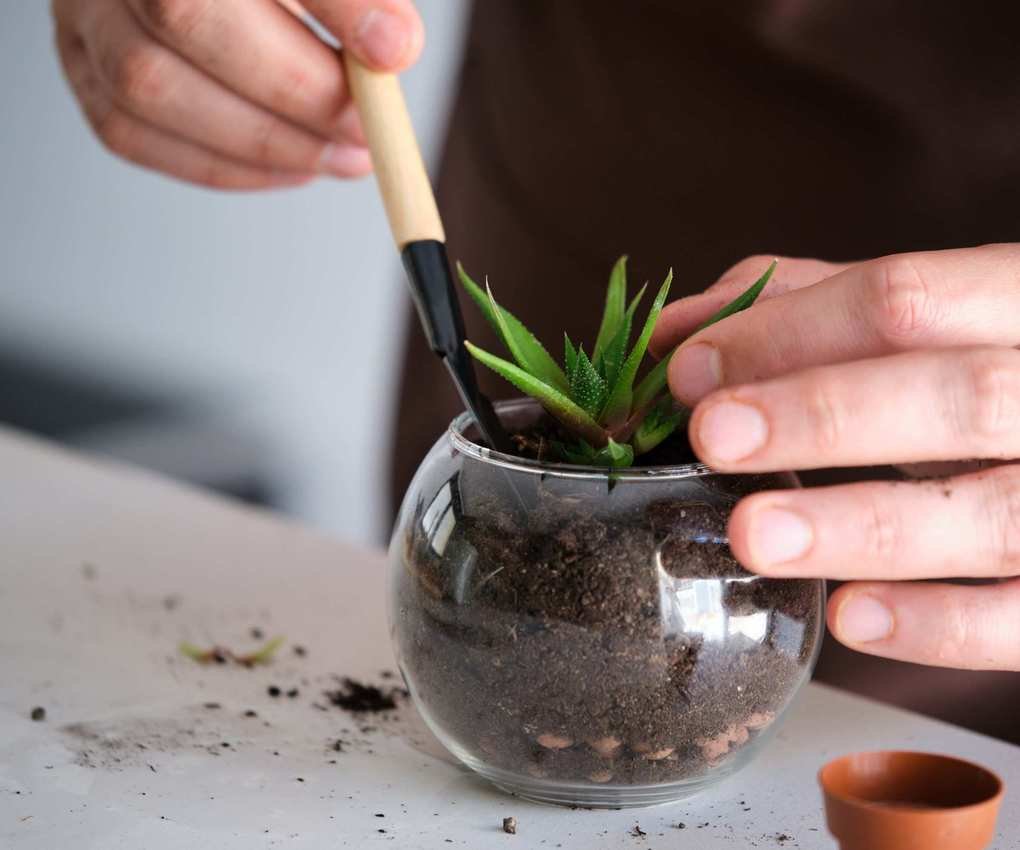
Never overlook the role of drainage holes in planters. Protect these holes from blockages to ensure proper drainage. Without appropriate measures, soil can easily clog these openings, leading to problems.
Whether you're assembling a spring planter, a fall display, or an herb planter, always check for drainage holes and make adjustments as needed. It's easy to assume they exist, only to realize the truth when plants show signs of distress.



