

Looking for creative herb planter ideas? Whether you aim to cultivate herbs on a sunny windowsill or want to enhance your garden with container displays, we've got a wealth of inspiration for you.
Herbs are invaluable for cooking, teas, and even their delightful fragrances. You don't need a sprawling garden; many herbs thrive in containers, making them perfect for compact spaces, patios, or even indoors. From whimsical hanging baskets to repurposed wheelbarrows, the possibilities are endless. Let your creativity flourish!

To make harvesting easier, position your container herbs near your back door or close to your kitchen. When planting, ensure to mix grit into your compost for optimal drainage.
Gardening expert Monty Don advises, 'If water doesn't drain quickly from the pot, then drainage is inadequate. When planting herbs, combine a peat-free compost with equal parts grit or sharp sand.'
1. Utilize a Strawberry Planter for Herbs

Strawberry planters are fantastic for growing herbs, especially low-growing varieties like oregano, thyme, and mint. These multi-pocket pots enable you to cultivate various herbs together. Opt for terracotta containers, as they allow air and moisture to circulate, promoting healthier growth.
2. Arrange Herbs on Staggered Shelves

If patio space is limited, try using a plant stand to showcase your potted herbs. Mixing pot styles—traditional terracotta with vibrant glazed options—adds visual interest.
3. Maximize Space with Hanging Herb Planters

Hanging planters are an excellent way to save floor space on your balcony or patio. Lightweight plastic pots, repurposed tin cans, or even old colanders can serve as unique herb containers.
4. Create a Fragrant Herb Display

Combine aesthetics and aroma by arranging potted herbs of varying heights on your patio. They not only look lovely but also enhance the fragrance of your outdoor seating area.
5. Repurpose Tins for Eye-Catching Planters

Transform old tomato tins with charming labels into herb planters. This eco-friendly approach not only reduces waste but also adds a playful Mediterranean flair. Just remember to drill drainage holes!
6. Use Reclaimed Containers for Rustic Charm

Reclaimed metal containers like farm troughs or old galvanized baths can add a rustic touch to your herb garden. These unique planters bring character and history to your space.
7. Display Herbs on an Old Crate

Find an old crate at a flea market for a charming herb display. They are easy to move around and can add vintage flair to any area.
8. Opt for a Window Box for Fresh Herbs
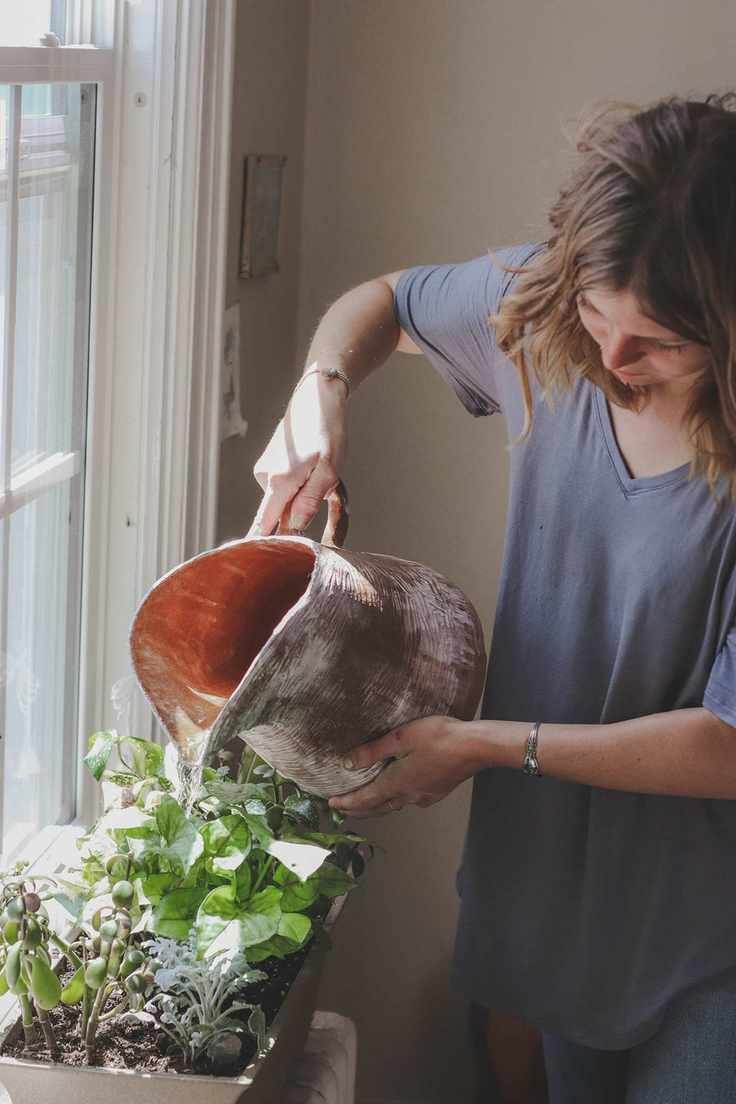
You don't need a garden to cultivate herbs—most can thrive in pots on a windowsill or in window boxes. This makes it easy to access fresh herbs while cooking.
9. Think Vertically to Save Space

Maximize a small garden by utilizing vertical space. Attach planters to walls and arrange pots on old chairs to create a multi-level herb display.
10. Showcase Herbs in Vintage Enamelware

Use colorful vintage enamel cups or teapots to present store-bought herbs, cleverly disguising unattractive plastic pots while ensuring they remain adequately watered.
Should I Grow Herbs in Pots or in the Ground?
Herbs can thrive in both pots and garden beds. Some, like myrtle and lemon verbena, do better in containers since they can be moved indoors during colder months. Additionally, growing invasive herbs like mint in pots helps control their spread.
However, keep in mind that herbs in pots can dry out quickly in hot weather, so it's essential to monitor their moisture levels closely.
Which Herbs Can Be Planted Together?
Many herbs can coexist in the same container as long as they share similar growing conditions. Mediterranean herbs such as rosemary, thyme, and oregano thrive together in sunny, well-draining soil, while others like parsley and basil prefer more consistent moisture.



