
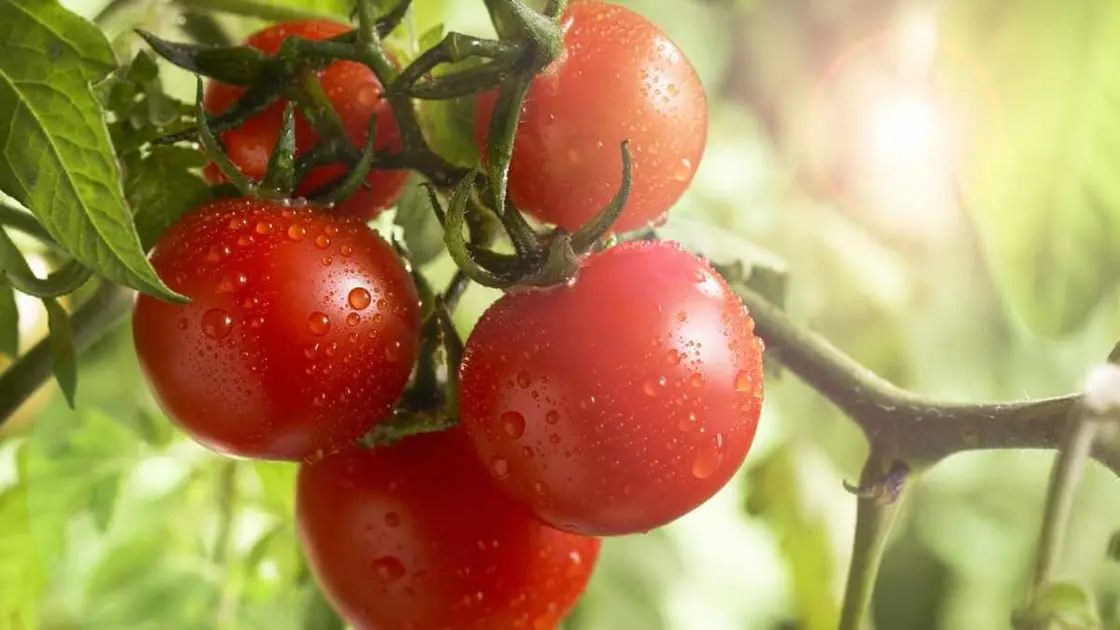
Tomatoes are an excellent choice for pot cultivation and are beloved by gardeners everywhere. They're easy to care for and come in a fantastic variety of shapes, sizes, and flavors.
When you grow tomatoes in pots, you gain control and convenience. This method allows you to cultivate tomatoes even in limited spaces, like balconies or small yards.
To successfully grow tomatoes in containers, consider key factors like pot size, the right compost, and suitable varieties. Having grown tomatoes both in the ground and in pots, I appreciate how pots allow for better management of watering and feeding.

Tomatoes in pots require 6-8 hours of direct sunlight each day
Advantages of Growing Tomatoes in Containers
Growing tomatoes in pots offers numerous benefits. They are ideal for compact vegetable garden setups and require only slightly more care than plants in the ground.
This method expands your gardening options and enhances your ability to manage your plants effectively. If you're starting a vegetable garden, consider whether pots or soil beds suit your needs better.
A seasoned gardener suggests that one major perk of container gardening is the ability to cultivate tomatoes without needing a large outdoor area. This makes it appealing for those living in apartments or with small gardens.
Container gardening also allows you to customize the growing environment. You can select the best soil, fertilizer, and watering schedule tailored to your plants. Plus, pots can be rearranged to optimize sunlight exposure or shield plants from adverse weather.
By choosing the right soil and managing water and nutrients, you can create an ideal environment for tomato plants, leading to improved growth and fruit production.
Additionally, growing tomatoes in pots helps prevent soil-borne diseases that might affect garden soil. Elevated containers reduce waterlogging and enhance airflow, both critical for avoiding root rot and fungal issues.
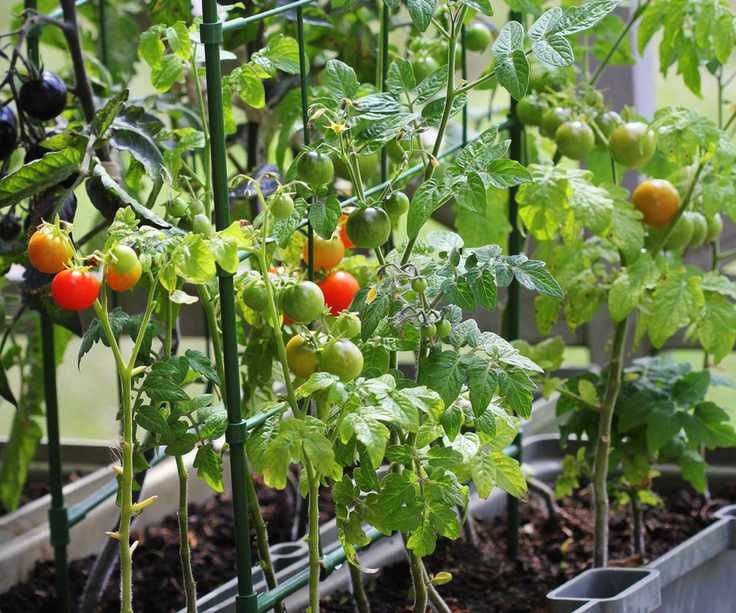
Cordon tomato varieties will require support in their pots
Selecting the Right Container for Your Tomatoes
Tomatoes thrive in pots provided they have a large, deep container along with sufficient heat and sunlight.
Containers can be made from materials like terracotta, plastic, stone, or clay. Additionally, tomatoes can flourish in grow bags or hanging baskets.
The ideal pot size will depend on your available space and the specific tomato variety you're growing.
An experienced tomato grower recommends a minimum of a 5-gallon pot for tomato cultivation; larger varieties might need 10- or 15-gallon pots due to their size and root systems. A typical 5-gallon pot has a diameter of about 12 inches; one option is the Viagrow VHPP500-10 Round Nursery Pot available on Amazon.
Using a container that's too small can hinder growth and fruit yield while increasing vulnerability to pests. Conversely, a pot that's too large can lead to overwatering and nutrient absorption issues.
When picking a pot for your tomatoes, ensure it has good drainage holes to prevent water accumulation, and fill it with a well-draining potting mix rich in organic matter and nutrients.
Keep in mind that smaller pots require more frequent watering, with the material affecting the watering schedule. For instance, terracotta pots dry out faster than plastic ones, necessitating more regular watering. Choosing the right pot is crucial for a successful container vegetable garden.
Tomato plants can also thrive in hanging baskets that are at least 18 inches in diameter and ideally hold 5 gallons of soil.

Emily Jones
With over 30 years of experience growing tomatoes, Emily founded her blog to assist others in enhancing their gardening techniques, covering everything from watering strategies to pest management.
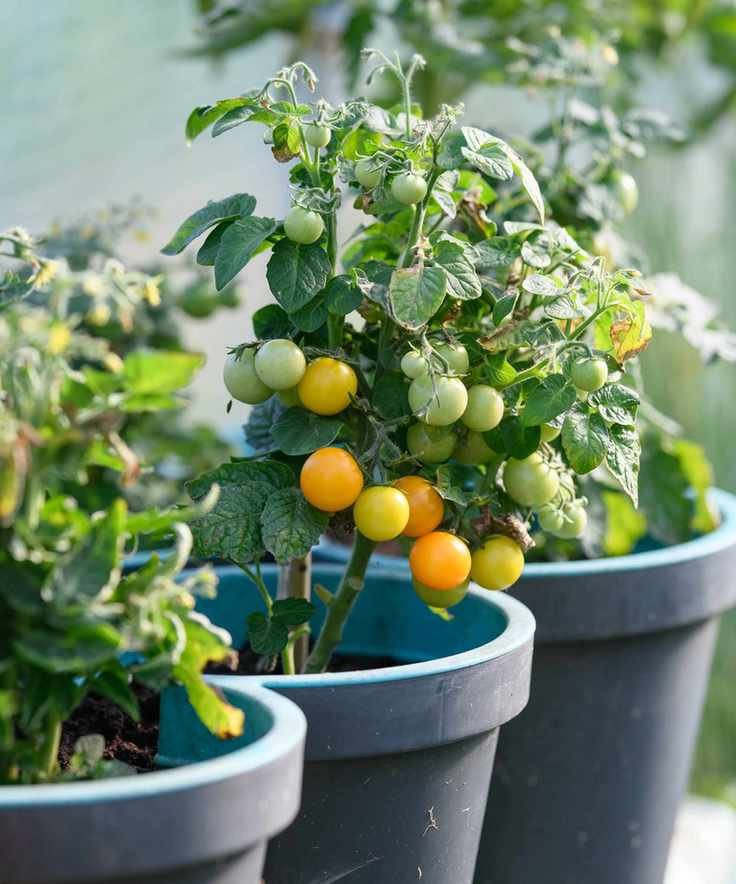
Cherry tomatoes are highly favored for container gardening
Planting Tomatoes in Containers
Planting tomatoes in pots is straightforward and requires minimal equipment.
- Start by selecting your pot and filling it to within an inch of the rim with quality multi-purpose compost. Mix in some homemade compost for added nutrients and better drainage.
- Whether you're transplanting seedlings or using plants purchased from a store, wait until they reach about 9-12 inches tall before planting.
- Make a sizable hole in the compost, place the tomato plant's root ball in, and pack in the soil to ensure the plant is secure.
- Water thoroughly and keep the soil moist without letting it become overly wet.
- Position the pot in a sunny area that receives at least 6-8 hours of direct sunlight each day.
Caring for Tomato Plants in Pots
Regularly watering tomato plants is crucial, particularly during hot and dry spells. An effective guideline is to water when the top inch of soil feels dry.
Consistent fertilization is vital for container-grown tomatoes since they rely solely on the nutrients in the pot. These heavy feeders need a balanced fertilizer right after planting and should be given a liquid tomato feed weekly once they start to bear fruit, such as the Expert Gardener Organics Vegetable & Tomato Food available at Walmart.
As with any tomato plants, it's important to prune and remove side shoots and suckers regularly. Use stakes or trellises to support taller varieties. Harvest tomatoes when they turn deep red and detach easily from the plant with a gentle twist.

Containers may require daily watering for tomatoes in hot weather
Best Tomato Varieties for Containers
Most tomato varieties adapt well to pots as long as the container is appropriately sized for holding sufficient compost and water. Compact and bushy types, known as determinate tomatoes, are particularly suitable for pot cultivation since they remain smaller while still yielding a bountiful harvest.
A gardening expert recommends that patio and bush tomatoes are ideal options for beginner container gardeners. They can grow to about 4 feet tall and produce plenty of fruit.
Notable varieties suitable for pots include Veranda Red Hybrid and Super Sweet 100 Hybrid. Cordon varieties, or indeterminate tomatoes, can also thrive in pots but need staking and support as they grow larger. Smaller cherry tomatoes are often preferred in pots over larger beefsteak types due to their heavier requirements.
I've cultivated many tomato varieties in pots, typically opting for cordon types, as I was fortunate to have sufficient space for sturdy plant supports.
Common Questions
How often should you feed tomatoes in containers?
Tomatoes in pots benefit from a general-purpose fertilizer right after planting and before flowering. All plants require nitrogen, phosphorus, and potassium – identified as NPK on fertilizer labels. Use a balanced feed with equal parts, like 10-10-10. Once the plants begin to flower, switch to a high-phosphorus and potassium tomato food weekly.
What's the best compost for tomatoes?
Compost for container tomatoes should retain moisture while allowing for drainage. A multipurpose compost contains the necessary nutrients for healthy growth. To enhance nutrient content, mix in garden compost or well-rotted manure into the lower half of the mix, which also helps with drainage and soil structure. Ensure manure is well-rotted, as fresh manure can be too high in nitrogen and salts for plants.
Growing tomatoes in pots is a fantastic way to cultivate these delicious fruits even in limited spaces like balconies or small yards. You can enjoy the rewarding experience of growing and harvesting your own tomatoes.
Being able to directly manage the watering and feeding of each plant ensures they receive everything they need for optimal growth, which can lead to a fruitful harvest.



