
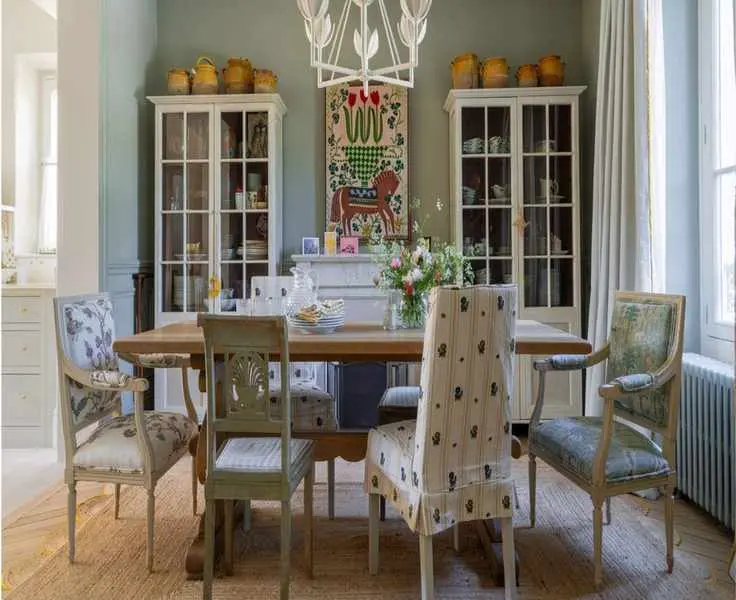
For years, selecting furniture has often felt like dressing in dim light – opting for a uniform set seemed safer. However, just like your wardrobe, opting for a coordinated look can sometimes feel uninspired.
While matching furniture sets may offer simplicity, they lack the character that comes from a thoughtfully curated collection. Today’s furniture trends encourage selecting pieces based on how they resonate with each other rather than strict coordination. The goal is to create a harmonious space that reflects individuality.
Understanding a Furniture Scheme

A 'furniture scheme' revolves around establishing a cohesive look without relying on identical items. Designers strive for balance, blending diverse design styles seamlessly. Essential elements—scale, tone, or material—should share commonalities.
Laura Lubin from a design firm notes, 'Gone are the days of matching furniture sets; now, it’s about creating thoughtful arrangements.' She emphasizes balance over symmetry, focusing on shared aspects rather than identical pieces.

Matching sets can feel static and lack depth. Kristina Khersonsky from another design studio points out that when everything is brand new and uniform, the space may lose its soul. She encourages incorporating vintage or artisan-made items for added personality.
Clients now lean towards expressive upholstery, layered textiles, and a playful mix of patterns that showcase their unique style. This shift redefines how we think about furnishing our spaces; it's no longer about matching perfectly but finding subtle connections among pieces.
When furniture elements “speak a common language,” the result is a curated, inviting atmosphere. Designer Sean Symington aptly states, 'A successful furniture scheme achieves cohesion without being overly coordinated; think of it as collected, not perfect.'
This layered, character-driven approach makes spaces feel personal and reflective of our lifestyles.
Creating a Cohesive Furniture Scheme
1. Begin with an Anchor Piece

A common misconception is that you need a fully formed vision from the start. Successful designs often stem from a single anchor piece that sets the room’s tone. This could be a standout sofa, a vintage dining table, or an armchair with character.
Sean suggests choosing a 'hero fabric' as the visual foundation. 'We often start with a key fabric that establishes the space's tone,' he explains. This fabric guides the selection of complementary tones and patterns, leading to a cohesive yet dynamic scheme.
2. Define Your Preferences Before Shopping

If mixing furniture feels overwhelming, it may be due to a lack of direction. Setting criteria can transform a chaotic mix into a harmonious scheme.
Kailee Blalock from a design studio suggests starting with three foundational elements, beginning with wood tones. 'Decide if you prefer light, dark, or a blend of wood tones,' she recommends.
Next, consider texture. 'Do you favor wicker, leather, or stone?' Identifying materials that resonate will create uniformity across the room. Lastly, think about accents and finishes—brass, chrome, or aged bronze. With these guidelines, piece selection becomes more straightforward.
3. Blend Patterns, Materials, and Textures

A furniture scheme can feel flat not due to color choice but often from a lack of contrast. Introducing various patterns, materials, and textures adds depth, making a space feel layered and inviting.
Designer Kathy Kuo describes furniture pairing as an art form, emphasizing that balance comes from variety. 'Include a diverse range of materials in your furniture scheme,' she advises, citing options like metal, glass, and marble.
4. Contrast Old and New Elements

Mixing old and new can create compelling interest in a furniture scheme. Kailee recommends intentional juxtaposition, such as pairing modern chairs with traditional tables. This contrast introduces tension and visual interest.
Laura adds, 'Focus on shared characteristics like scale and tone to achieve balance. A contemporary sofa can complement an antique chair if their proportions align. Mixing styles fosters depth, while varied finishes prevent a static look.'
The most fashionable interiors of 2026 will be defined by their character, showcasing contrast, personal collections, and unexpected pairings. This approach fosters warmth and a sense of genuine living.
Matching sets may promise ease, but a more considered approach yields a home that truly reflects you.



