When cultivating potatoes at home, the variety options are seemingly endless. Gardeners can select from a wide range of cultivars, each offering distinct colors, flavors, and culinary applications.
Some varieties are more resilient against pests and diseases, such as eelworm, scab, and blight, which tends to flourish in humid summer conditions.
If you're considering growing potatoes or are a veteran gardener seeking fresh ideas, there's a suitable potato type for every climate and preference. Our curated list of potato varieties highlights diverse types, colors, and uses.

Early season potatoes are typically ready for harvest by mid to late summer.
12 Top Potato Varieties to Grow This Season
Over 200 potato varieties are commonly available in the US, with over 4,000 types worldwide.
Potatoes are generally classified as early, mid, or late season, with planting times varying by climate. Combining different types can extend the growing season, as early varieties can be planted in spring, while late ones are harvested in late summer and fall.
Chitting, or pre-sprouting, early and mid-season potatoes can start as early as late January to accelerate growth before planting. This technique can lead to an earlier harvest.
Whether you opt to grow potatoes in bags or directly in the soil, here are 12 top picks for your garden.
1. Swift

Potato 'Swift'
- Type: Early
- Flesh color: Pale yellow
- Flesh type: Waxy
- Shape: Oval
- Hardiness: USDA 2a to 11b, planting times vary
- Good for: Boiling, salads, fries, and roasting
This cultivar matures quickly, producing sizable tubers within 10 weeks under optimal conditions, and even faster when covered with polythene. They store well if left in the ground for a while and have a delicate flavor with strong resistance to pests and diseases. Foliage reaches about 24 inches.
2. Arran Pilot
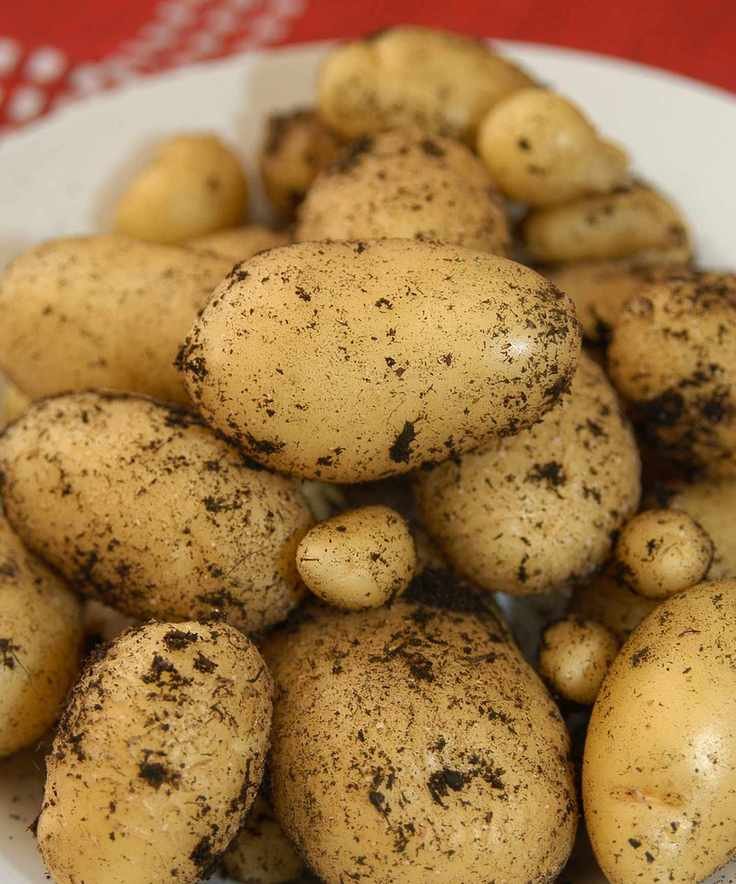
Potato 'Arran Pilot'
- Type: Early
- Flesh color: White
- Flesh type: Firm and creamy
- Shape: Oval
- Hardiness: USDA 2a to 11b, planting times vary
- Good for: Boiling, steaming, and salads
This flavorful potato is best enjoyed fresh, ideally within 10 days of harvest. It boasts good resistance to slugs and scab and tolerates drought conditions. Crops are usually consumed before any disease can affect them. Foliage grows up to 24 inches.
3. Red Duke of York
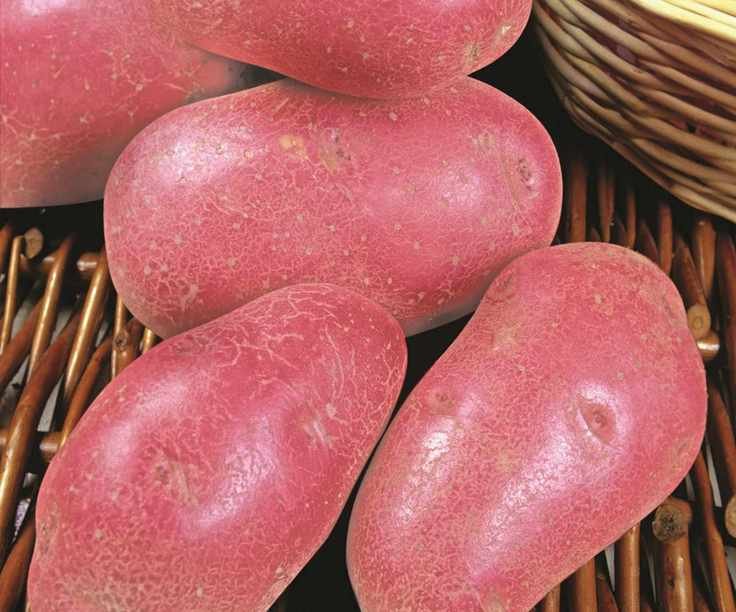
Potato 'Red Duke of York'
- Type: Early
- Flesh color: Creamy yellow
- Flesh type: Moist and floury
- Shape: Oval
- Hardiness: USDA 2a to 11b, planting times vary
- Good for: Roasting, baking, boiling, mashing, fries
This red-skinned variety is versatile with a delightful flavor, ideal for baking due to its size. Plants can grow up to 24 inches and display decent disease resistance.
4. Charlotte
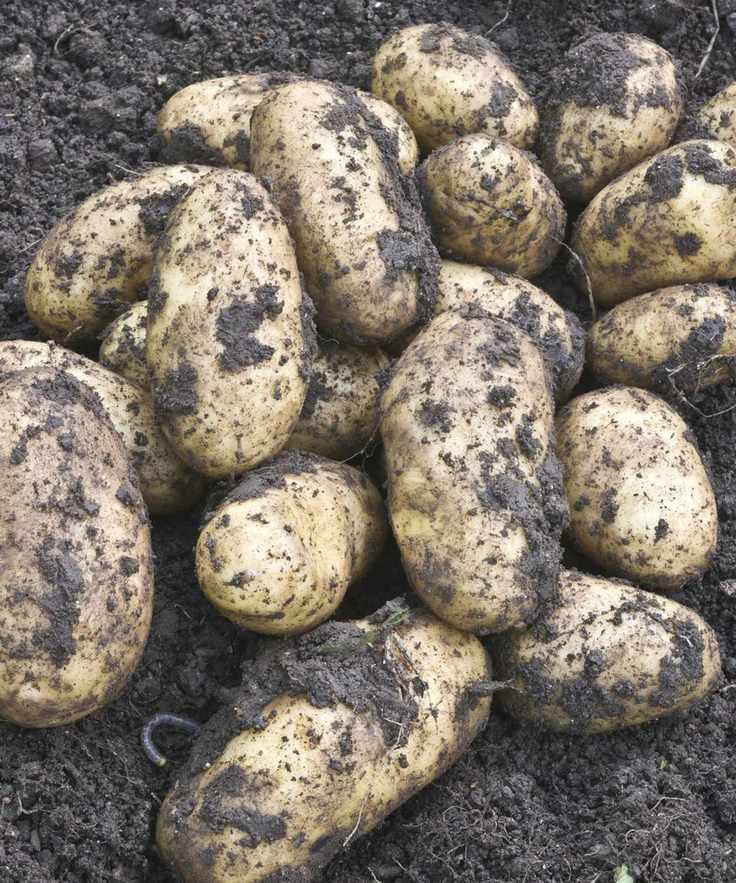
Potato 'Charlotte'
- Type: Early
- Flesh color: Creamy-yellow
- Flesh type: Waxy
- Shape: Pear-shaped
- Hardiness: USDA 2a to 11b, planting times vary
- Good for: Boiling, roasting, sautéing
This delicious, waxy potato is a favorite among chefs, great served warm or cold. Its long, oval, yellow-skinned tubers can be harvested at various sizes and are adorned with attractive red-violet flowers. Plants can grow up to 39 inches tall and spread 20 inches wide. Charlotte shows some resistance to bacterial blackleg.
5. Kestrel
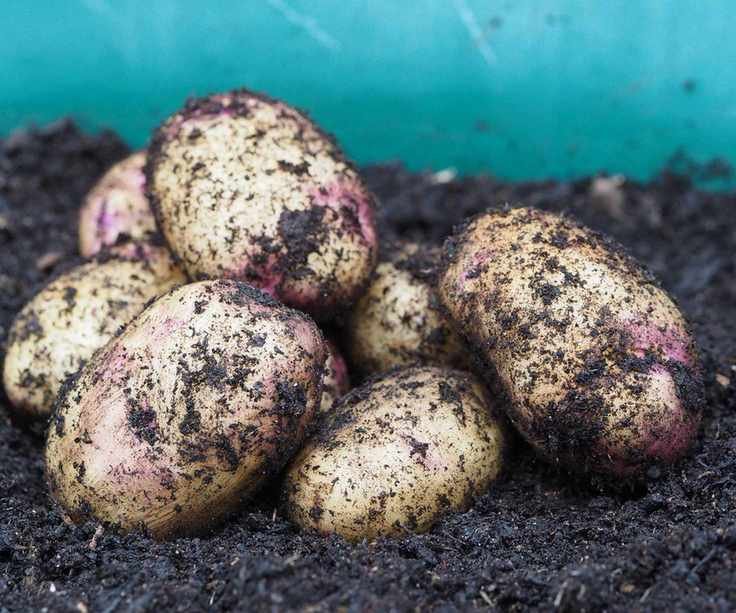
Potato 'Kestrel'
- Type: Mid
- Flesh color: Pale yellow
- Flesh type: Floury
- Shape: Long oval
- Hardiness: USDA 2a to 11b, planting times vary
- Good for: Baking, roasting, fries
This potato features white skin with purple eyes and is notable for its resistance to several issues like blackleg and slugs. It also performs well in dry conditions. Kestrel has a classic taste and is particularly good for making fries due to low oil absorption. Foliage height and spread can reach 24 inches.
6. Apache

Potato 'Apache'
- Type: Mid
- Flesh color: Yellow
- Flesh type: Waxy
- Potato shape: Round
- Hardiness: USDA 2a to 11b, planting times vary
- Good for: Steaming and roasting
This potato, featuring attractive pink and cream skins, is best when harvested small. Its sweet, buttery flavor is often likened to chestnuts. Roasting it in its skin enhances its visual appeal. Note that Apache doesn't store well. Foliage can grow to 24 inches.
7. Maris Peer
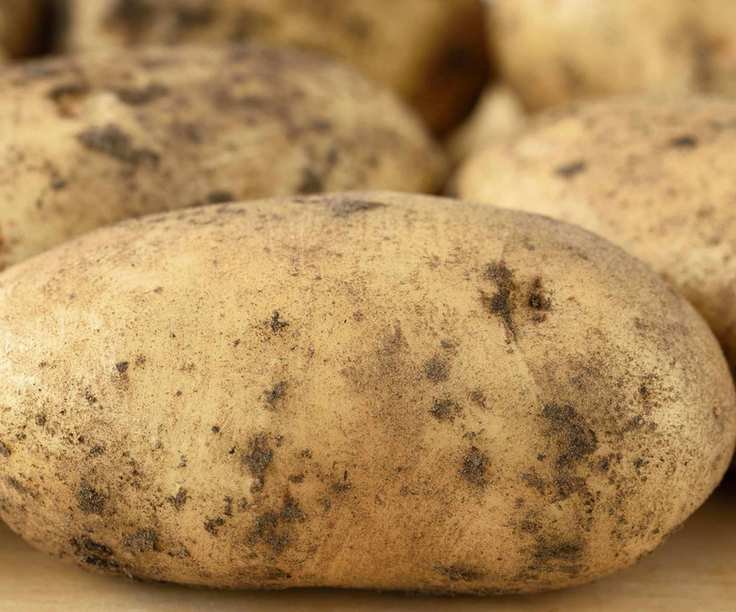
Potato 'Maris Peer'
- Type: Mid
- Flesh color: Creamy yellow
- Flesh type: Waxy
- Shape: Round/oval
- Hardiness: USDA 2a to 11b, planting times vary
- Good for: Roasting, boiling, steaming; serve warm or cold
Maris Peer is an enduring favorite, known for its delightful flavor and attractive, lightly perfumed purple flowers. This variety resists blight and scab, and it holds its shape when cooked.
8. Nicola
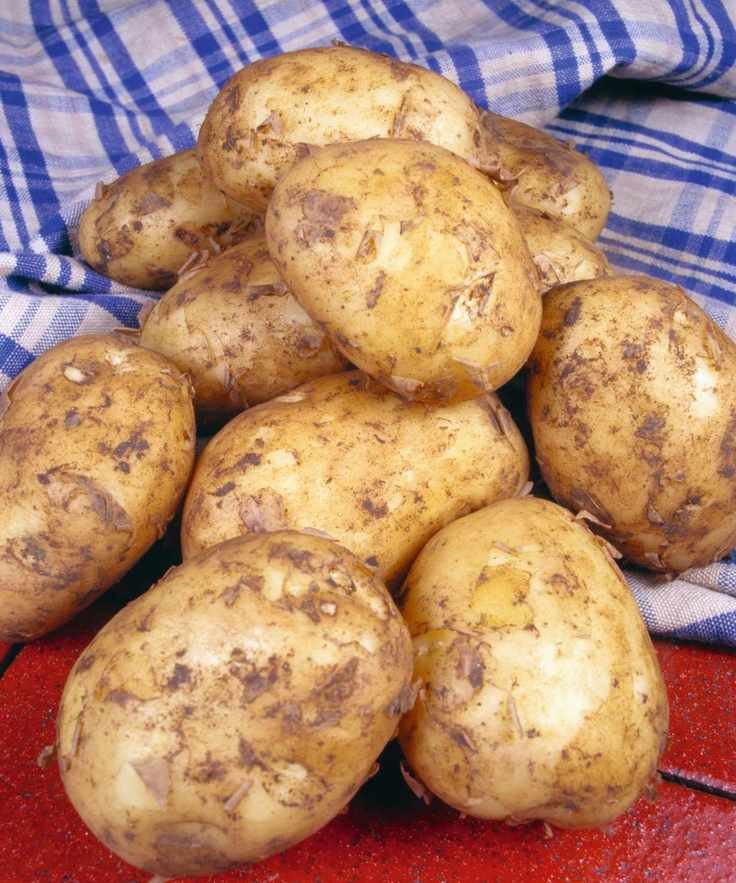
Potato 'Nicola'
- Type: Mid
- Flesh color: Creamy
- Flesh type: Waxy
- Shape: Oval
- Hardiness: USDA 2a to 11b, planting times vary
- Good for: Boiling, steaming, sautéing
This delicious salad potato can be enjoyed hot or cold, with or without its skin. It's a prolific producer with strong resistance to common scab and eelworm, though it's more vulnerable to blight. Nicola can remain in the ground for up to a month after being ready for harvest, making it a great choice for summer planting for Christmas gatherings.
9. Ratte
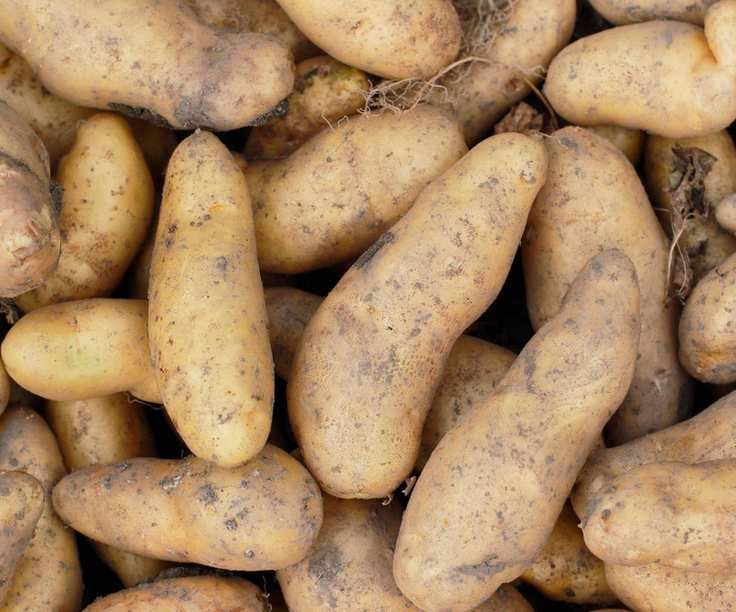
Potato 'Ratte'
- Type: Mid-to-late
- Flesh color: Yellow
- Flesh type: Waxy
- Shape: Long
- Hardiness: USDA 2a to 11b, planting times vary
- Good for: Salads, boiling, steaming
This smaller French variety boasts a delicious chestnut-like flavor. Best cooked in their skins, they can be enjoyed hot or cold. Ratte is classified as a mid-to-late cultivar, offering moderate yields of small, clean-skinned potatoes. Plants can grow up to 3 feet tall and wide.
10. Arran Victory
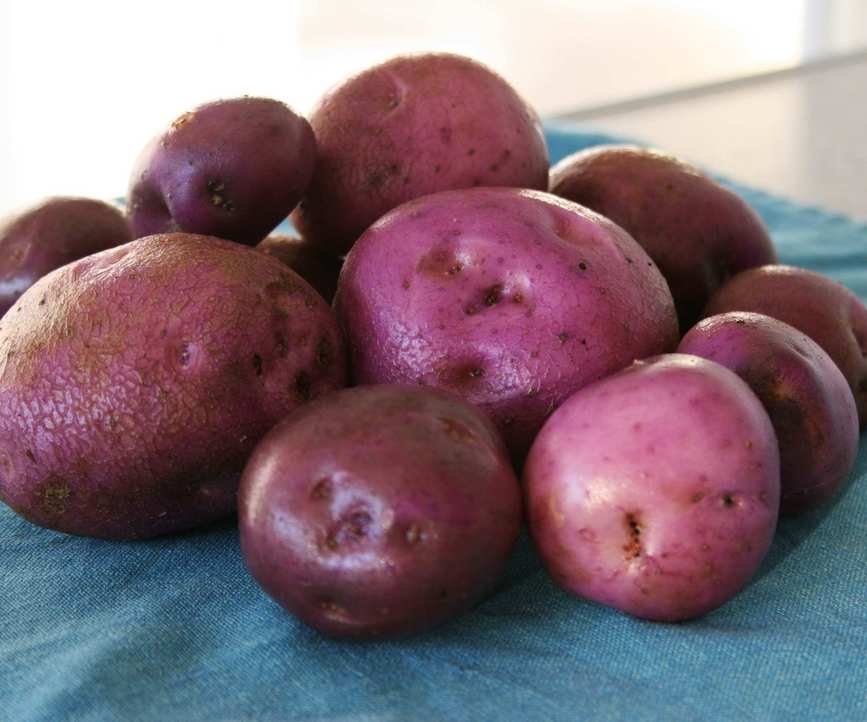
Potato 'Arran Victory'
- Type: Mid-to-late
- Flesh color: White
- Flesh type: Floury
- Shape: Round to oval
- Hardiness: USDA 2a to 11b, planting times vary
- Good for: Mash, baking, roasting, fries
Renowned for being an excellent roasting potato, Arran Victory features bright purple skin. This late-maturing variety was developed on the Isle of Arran in Scotland in 1918, commemorating the end of World War I. It has a rich, earthy taste and yields abundantly. It can be harvested early, which is beneficial for areas vulnerable to blight. Plants tend to grow tall.
11. Sarpo Axona

Potato 'Sarpo Axona'
- Type: Late
- Flesh color: Creamy white
- Flesh type: Floury
- Shape: Regular
- Hardiness: USDA 2a to 11b, planting times vary
- Good for: Jackets, roasting, chipping, mashing
This flavorful late maincrop potato was bred in Hungary for blight resistance. It also withstands viruses and slugs and adapts well to dry conditions. Sarpo Axona produces heavy yields that can be stored longer than other varieties and has dense foliage that helps suppress weeds.
12. Belle de Fontenay

Potato 'Belle de Fontenay'
- Type: Late
- Flesh color: Pale yellow
- Flesh type: Waxy
- Shape: Flattened and elongated pear shape
- Hardiness: USDA 2a to 11b, planting times vary
- Good for: Salads and boiling; larger ones are excellent for baking
This French potato, originating from the outskirts of Paris, offers a buttery flavor that improves with storage. Smaller tubers are perfect for salads, while larger ones excel as baking potatoes. It's also known by names such as Hénault and Boulangére but can be sensitive to disease.