
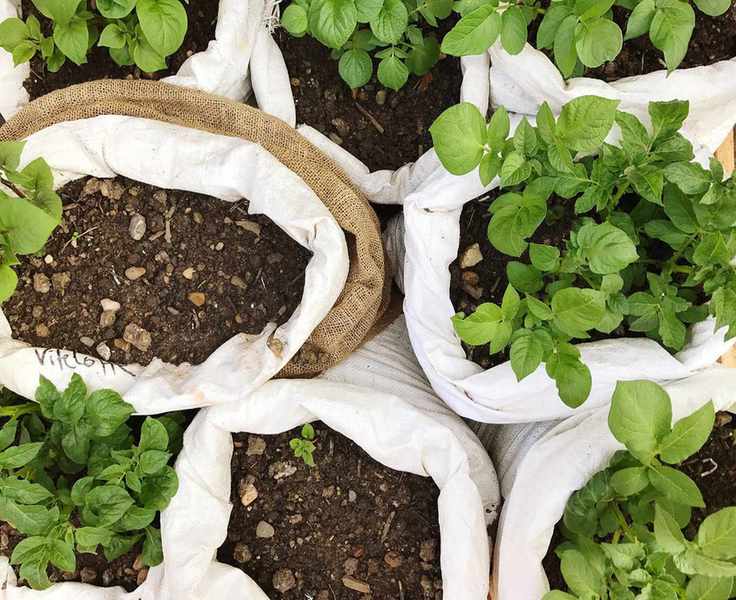
Growing potatoes in a bag can transform your gardening experience. Potatoes are among the simplest vegetables to cultivate, providing an impressive yield with minimal effort. Follow this straightforward guide to incorporate them into your vegetable garden plans.
Using grow bags is ideal for potatoes, as they tend to expand into any available soil, making harvesting in raised beds or traditional gardens challenging. This often results in leftover 'volunteers' sprouting unwanted potato plants in subsequent seasons.
Thus, mastering how to grow potatoes in a bag simplifies both the harvesting process and offers flexibility. You can cultivate them even in small spaces. “With a grow bag, you can easily relocate your potatoes,” notes a gardening expert.
Preparing to Grow Potatoes in a Bag
Before you start growing potatoes in a bag, gather these essentials: chitted seed potatoes, quality compost, and a suitable bag.
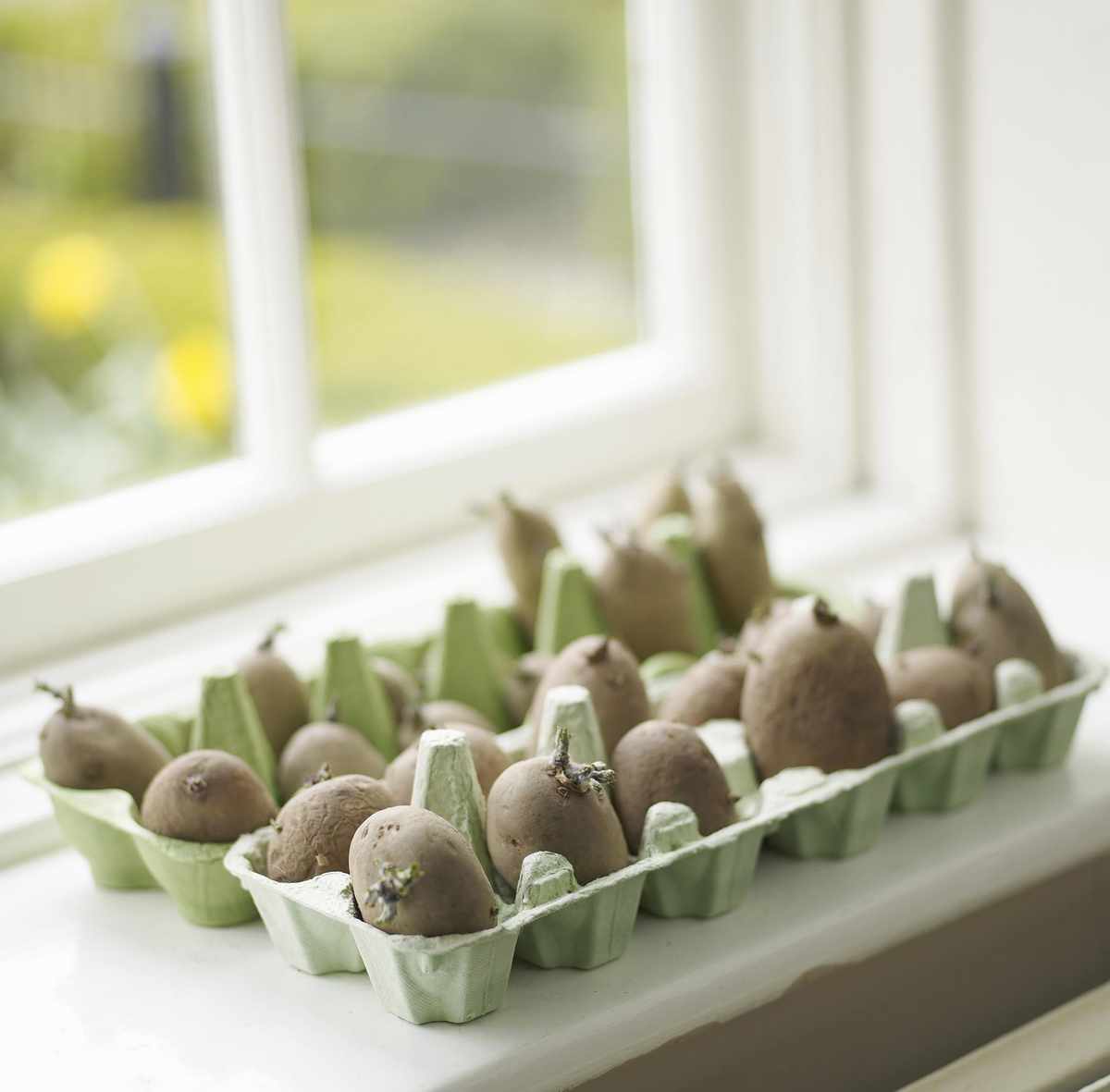
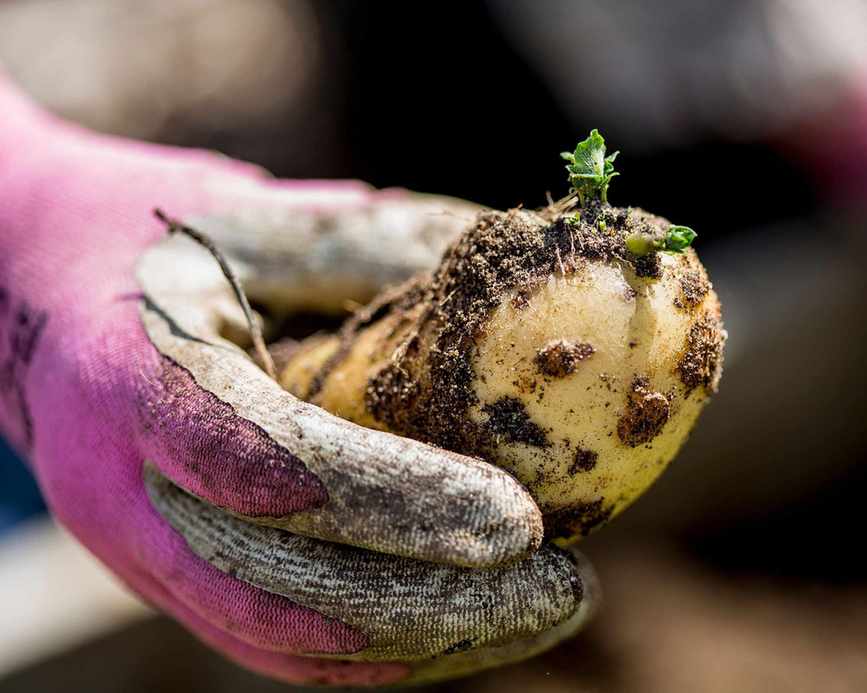
Chitting potatoes boosts their growth. Place seed potatoes in egg cartons in a cool, light location, away from frost. A windowsill or a bright greenhouse works perfectly.
“Monitor your potatoes as they chit, waiting for sturdy, short green shoots to form (4-6 weeks) about 2-3 cm long from the eyes on each tuber,” suggests a plantswoman. If you wish to enhance potato size, remove all but three or four shoots before planting. Leaving too many will yield smaller potatoes. Once your shoots are ready, it’s time to plant.
Next, consider the soil. Potatoes thrive in 'well-drained, light, deep, loose soil rich in organic matter,' according to gardening experts. Ideally, potatoes prefer slightly acidic soil with a pH of 4.8 - 5.5. By using a bag, you can ensure the right soil conditions for successful growth.
Lastly, choose an appropriate bag. Ensure good drainage by adding holes to reused plastic bags. “Light exclusion is vital; black bags are preferable. If they let light in, consider doubling them or lining with newspaper,” advises a gardening specialist.
Alternatively, you can invest in a designated potato bag designed for optimal growing conditions, some even featuring flaps for easy checking on your harvest.
Classic DIY Method for Bagging Potatoes
- Select a robust rubble bag, hessian sack, or a proper potato bag of around 8 to 10 gallons. Puncture small holes at the base to prevent water accumulation.
- Fill the bottom with approximately five inches of compost.
- Roll down the bag's sides to expose the compost layer so it can stand upright.
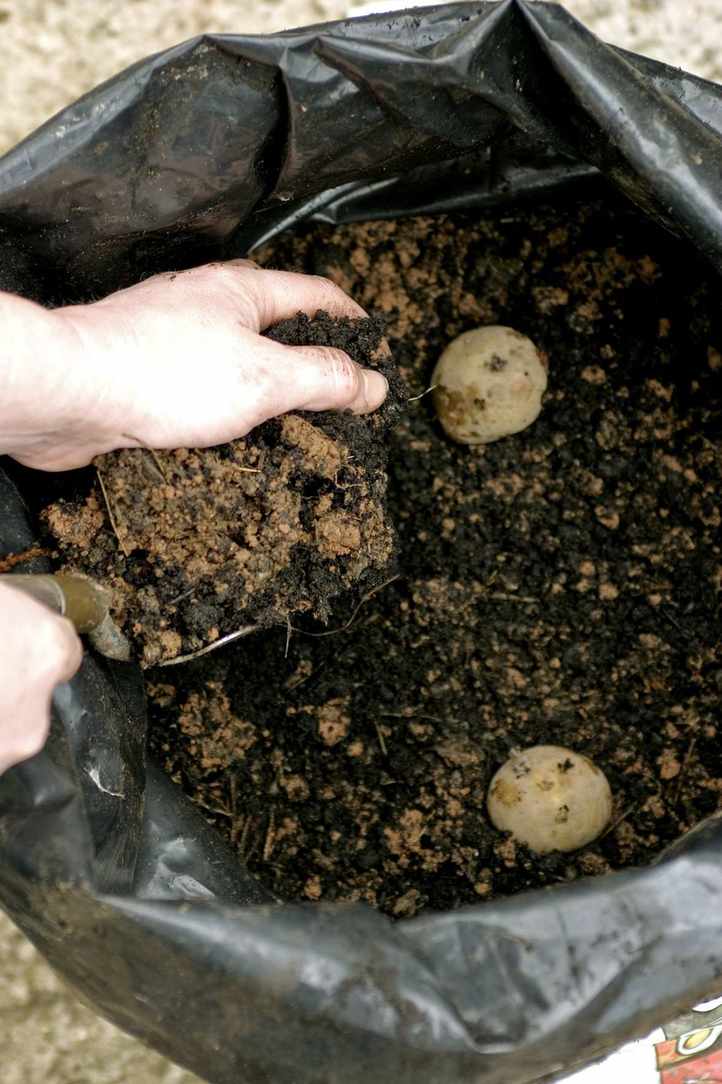
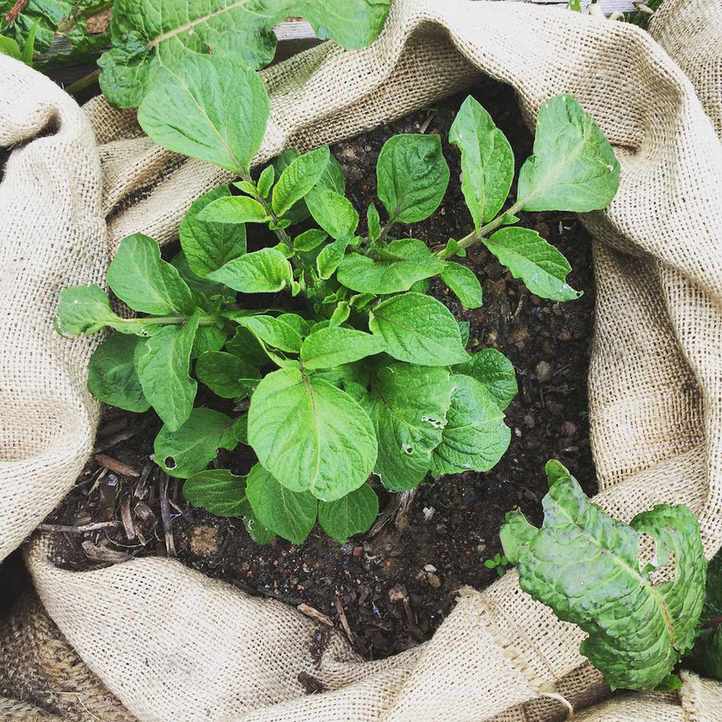
- Plant three or four chitted potatoes, roots downward, into the compost, then cover with more compost, unrolling the bag as needed.
- Position in a bright, frost-free spot and water thoroughly.
- As green shoots emerge, gradually unroll the bag edges until they meet the top of the shoots, then add more soil.
- Repeat this process whenever new shoots appear, or until the bag is full.
- Watering is crucial; only water when the top few centimeters are dry. “If tubers dry out, they won’t form properly, leading to smaller yields,” advises a garden expert. Conversely, overwatering can cause rot, harming your harvest.
- Once the bag can’t be unrolled anymore, let the shoots grow freely.
- When the leaves start to wither, harvest your potatoes by cutting through the bag or emptying your hessian or fabric sacks onto a tarp to collect your crop. The compost can go into your compost pile, ensuring no rogue potatoes remain.
Simple and Quick Method for Growing Potatoes
If you prefer a more straightforward approach to growing potatoes in a bag, consider this method from a horticulturist.
- Fill a two-gallon potato or rubble bag (with drainage holes) with multipurpose compost to just below the rim.
- Insert a chitted potato tuber five inches deep into the compost and cover with more compost.
- Set the bag in a bright, frost-free location, ensuring regular watering and feeding, and wait for the potatoes to grow.
- Allow the potatoes to grow without covering them when leaves appear, harvesting them similarly as described above when the foliage turns yellow and limp.
- Ensure you store harvested potatoes properly to maintain their flavor.
Utilizing a Specialized Potato Bag
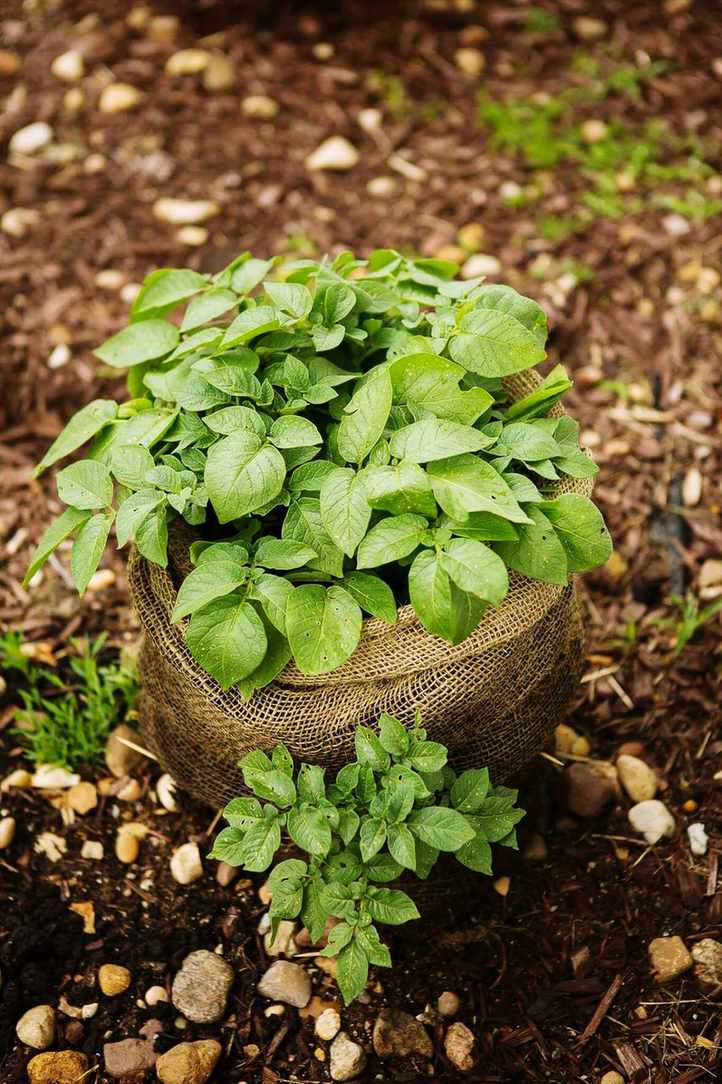
While repurposed bags are economical, using a specialized potato bag can enhance your crop's quality and yield.
“As roots reach the side of the pot, the fabric causes them to stop growing, effectively pruning the root tips. This is known as air pruning,” explains a gardening expert.
“Air-pruned plants develop new roots from the center, which is optimal for container growth. A strong root system is vital for a fruitful potato harvest.”
Some grow bags even feature a pocket for easy monitoring of potato growth and readiness.
If you choose a specialized potato bag, you can still follow any of the methods discussed above to achieve the best results.
Sustainable Potato Growing in Bags
For an eco-friendly approach to growing potatoes in a bag, consider these tips.
Plastic sacks, like those used for compost, are excellent for growing potatoes. Reusing them extends their life while minimizing waste. They can last for several years.
Hessian sacks or coffee bags are also recyclable and biodegradable when they can no longer be used.
Using organic potato seeds and avoiding chemical fertilizers or pest treatments ensures a fully organic yield.
Lastly, always opt for peat-free compost, as peat harvesting contributes to greenhouse gas emissions and destroys wildlife habitats. For even greater sustainability, use compost from your compost heap. Our guide on creating compost provides valuable insights.
How Many Potatoes Can You Grow in a Bag?
You only need one chitted potato to yield a plant in a potato bag. The number of potatoes you can plant depends on the bag size. Typically, each potato plant requires about 2.5 gallons. A 10-gallon bag can hold four potatoes, while a 5-gallon bag accommodates two plants.
For a larger potato harvest, it’s advisable to grow them in separate bags. This allows for staggered harvesting, providing a more consistent supply rather than a sudden influx.
Growing Potatoes in Time for Christmas
If you want potatoes ready for Christmas, start planting from mid-September to early October for a December harvest. For Christmas Day potatoes, stagger your planting from late August to early October.
Here’s how:
- Fill your bag about two-thirds full with quality multipurpose compost, lightly compacting it.
- Lay three seed potatoes on top, spacing them about 20-30 cm apart.
- Soak the compost well and allow it to drain.
- If watering exposes the tubers, add more compost to cover them.
- Keep your bag in a greenhouse, waiting for shoots to emerge. When they do, add more compost to keep them covered, repeating until the bag is full.
“Potatoes thrive in cooler weather, so if you miss the Christmas planting window, consider spring planting for an Easter harvest,” highlights a gardening expert.
Now that you're equipped with knowledge on how to grow potatoes in bags, check out our resources if you encounter any challenges during the process.



