Storing potatoes correctly can yield great benefits. Unlike many other vegetables, potatoes can last for several months, making them a cost-effective choice.
If you've harvested a bounty of potatoes, knowing how to store them allows you to enjoy the fruits of your labor over time. Proper storage techniques also help you get the most out of your grocery purchases.
We've compiled essential tips for successful potato storage.
Storing Potatoes Effectively
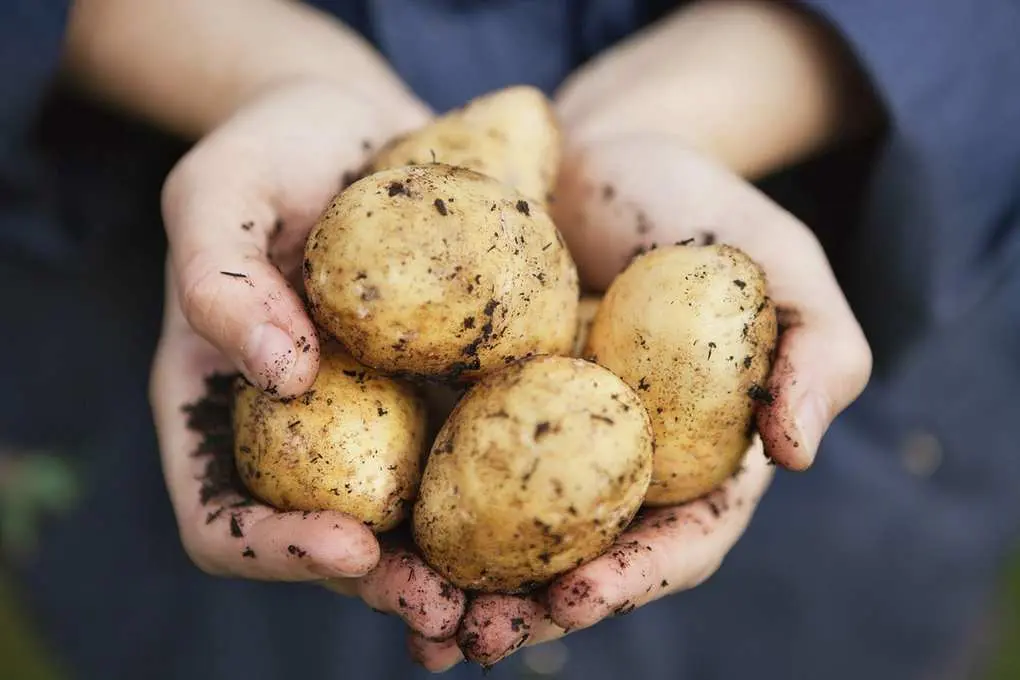
Growing potatoes in your garden can lead to a substantial harvest, and even container gardening can yield more than you can eat right away.
Follow our advice to ensure your homegrown and store-bought potatoes are kept in peak condition, preventing waste.
1. Inspect Potatoes Before Storage
Always check potatoes for quality before storing. Discard any that are rotting, soft, or damaged from pests. Only healthy potatoes should be stored.
If you find minor damage, you can cut it out, but these potatoes should be cooked soon instead of being stored long-term.
Should you wash your potatoes? It depends. For store-bought potatoes, it's best to wait until you're ready to eat them, according to experts.
However, homegrown potatoes should be cleaned beforehand. If the soil is coarse, simply brush it off, but if it's fine, wash them thoroughly and dry completely before storage. Keep them out of direct light while cleaning.
2. Cure Homegrown Potatoes Prior to Storage
It's essential to cure homegrown potatoes before storing. This involves placing them in a dark, well-ventilated area with moderate temperatures and high humidity for about a week to ten days.
3. Ensure Good Ventilation and Cool Temperature
After curing, it's time to store your potatoes in a suitable container.
Remove supermarket potatoes from plastic bags and place them in a mesh bag or well-ventilated box.
4. Store in a Cool, Dark Location
The ideal storage temperature for potatoes is around 45 to 50ºF (7 to 10ºC), which is cooler than the curing temperature.
This isn't kitchen temperature, so look for an unheated basement or an insulated shed.
Avoid refrigeration, as temperatures below 45ºF can cause sugar buildup, leading to sweetness.
Keep potatoes in the dark to prevent greening, which occurs when exposed to light. Green areas on potatoes indicate solanine buildup, which can be harmful. Cut away slightly green parts before cooking, but discard heavily green potatoes.
5. Regularly Check Stored Potatoes
Inspect your stored potatoes periodically. If any begin to rot, remove them to prevent spreading. Signs such as softness, shriveling, or mold indicate that potatoes should be discarded.
Sprouted potatoes can be used if the sprouts are removed, but ensure they're not soft or shriveled.
Proper Potato Storage Methods
To effectively store potatoes, keep them in a cool, dark, and dry environment. For short-term storage, place them in a pantry or cabinet, avoiding countertops.
Experts recommend steering clear of high-temperature areas, such as near appliances or under the sink.
Preventing Potato Sprouts
To stop potatoes from sprouting, store them in a cool, dark, and dry space, and keep them separate from onions, which can trigger sprouting.
Consider placing an apple with your potatoes, as the ethylene gas from the apple can help prevent sprouting.