
Managing your household chores can be challenging, especially with so many cleaning tips floating around. It’s crucial to know which methods genuinely protect your surfaces while ensuring they shine.
Using the wrong cleaning solutions can worsen the situation, making your cleaning efforts counterproductive and potentially damaging your surfaces.
5 Ways to Protect Your Countertops
Cleaning professionals share insights on common myths that can harm your countertops and offer suitable alternatives.
1. Multi-Purpose Cleaners

Although labeled as convenient, multi-purpose cleaners might not be appropriate for every surface. Always verify their compatibility with your countertops.
“They’re great for many areas, but check labels for safety on delicate materials like granite or marble,” shares a cleaning professional. “These stones require specific cleaners to avoid damage.”
For daily maintenance, a diluted mild dish soap is often a safe choice for most surfaces. This method also minimizes the clutter of various cleaning products.
Specific surfaces, such as wood or granite, may need designated cleaners. Regular use of unsuitable products can cause significant harm over time.
2. Using Vinegar

Though vinegar is a popular natural cleaner, it can be too acidic for certain countertops like granite and marble. It’s essential to know when to use vinegar and when to avoid it.
Vinegar can deteriorate sealants, increasing vulnerability to stains. For stainless steel or glass, it’s effective but should be avoided on sensitive surfaces.
A mixture of dish soap and warm water is often a safer alternative, though it may leave a cloudy residue over time. For granite, consider using a dedicated cleaner for better results.
3. Being Heavy-Handed
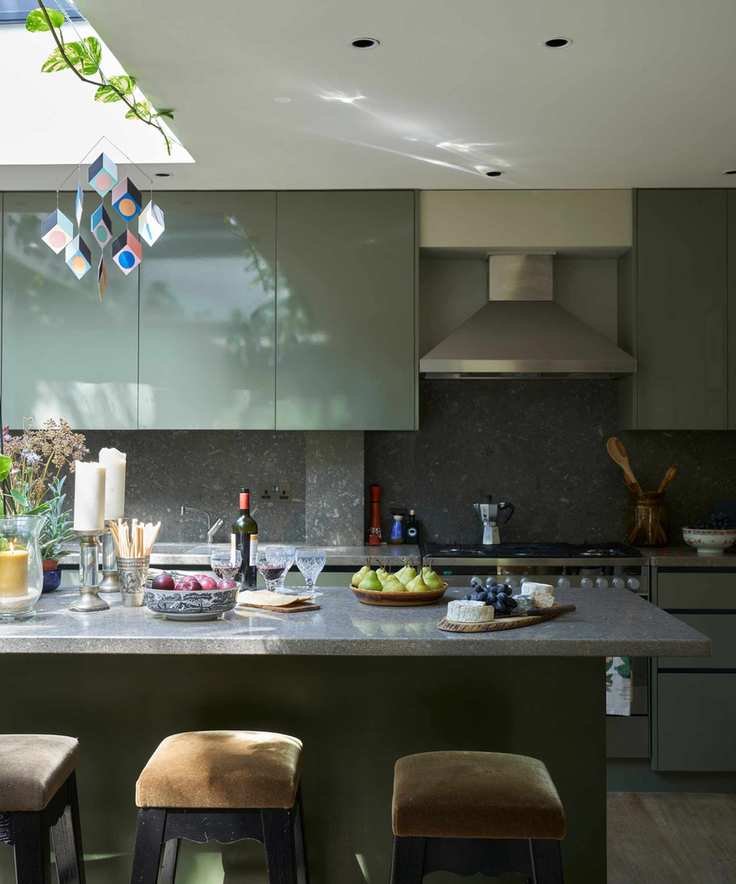
If your countertops don’t look pristine, you might be tempted to over-apply cleaning products. However, more product doesn’t equal a cleaner surface. In fact, using too much can leave a residue that attracts dirt.
Adopt a less-is-more strategy. Follow label instructions and use only what's necessary. After cleaning, wipe down surfaces to remove any excess product.
4. Mixing Cleaning Products

Another myth is that combining cleaning products creates a super cleaner. In reality, mixing can be hazardous and may harm your countertops.
It’s advisable to stick to one product designed for your specific countertop material to avoid any potential risks.
5. Scrubbing Stains
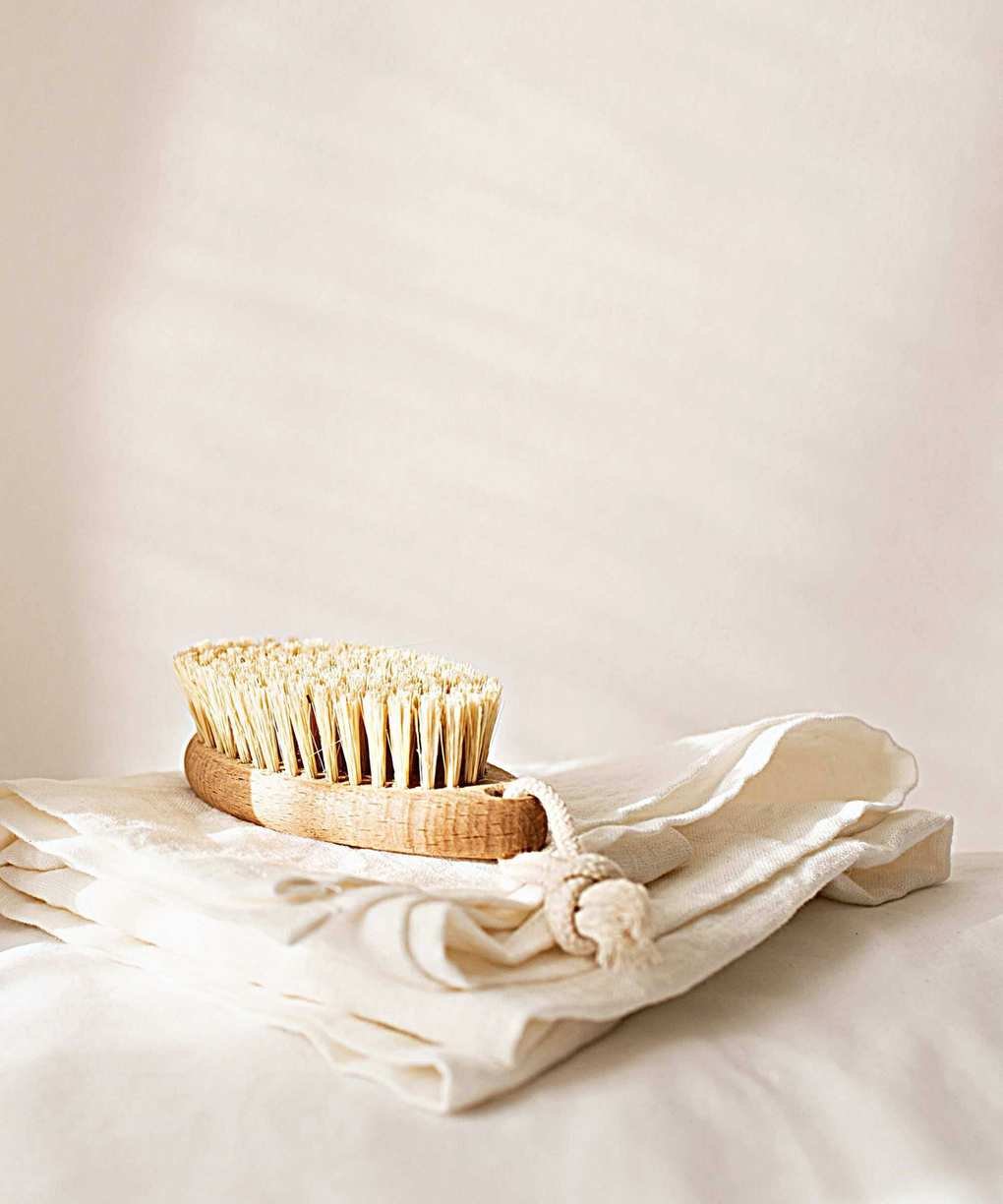
It’s tempting to scrub stubborn stains vigorously, but this can cause more harm than good. Abrasive tools may ruin the surface finish.
It’s better to blot stains promptly and reseal your countertops regularly to prevent damage. Use gentle, non-abrasive cleaners and tools, such as pH-neutral stone cleaners and soft pads.
With these expert tips, you can confidently avoid common cleaning pitfalls!
FAQs
How often should you clean kitchen countertops?
Daily cleaning is ideal, as kitchen counters are heavily used. Wipe them down with a mild soap and water solution at least once a day to prevent stains and bacteria.
Aim for a thorough cleaning at least once a week to keep your surfaces sanitized.
What countertops resist staining best?
If renovating your kitchen, consider countertop materials carefully. While stainless steel is stain-resistant, quartz is a strong contender, as it combines beauty with high stain resistance.
Quartz is non-porous and doesn’t require sealing, making it easier to maintain compared to wood or granite. Though it can be pricier, it retains its value over time, making it a smart investment.