
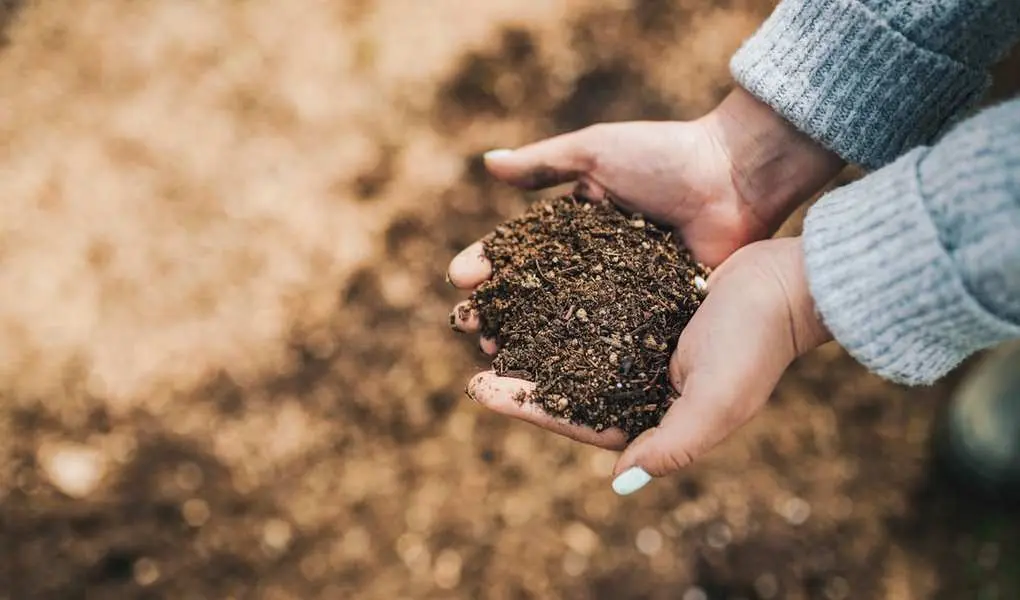
Composting transforms kitchen scraps into nutrient-rich soil without spending a cent. If you're aiming for sustainable gardening in 2026, starting with effective composting is essential. However, certain items should never make their way into your compost bin.
Some materials decompose easily, while others, like dairy, meat, and cardboard, can ruin your compost, creating odors and attracting harmful bacteria.
To help you avoid composting blunders, we consulted gardening experts about items to keep out of your bin and the reasons behind their exclusion. We also provide advice on disposing of non-compostable materials.
1. Weeds with Seeds
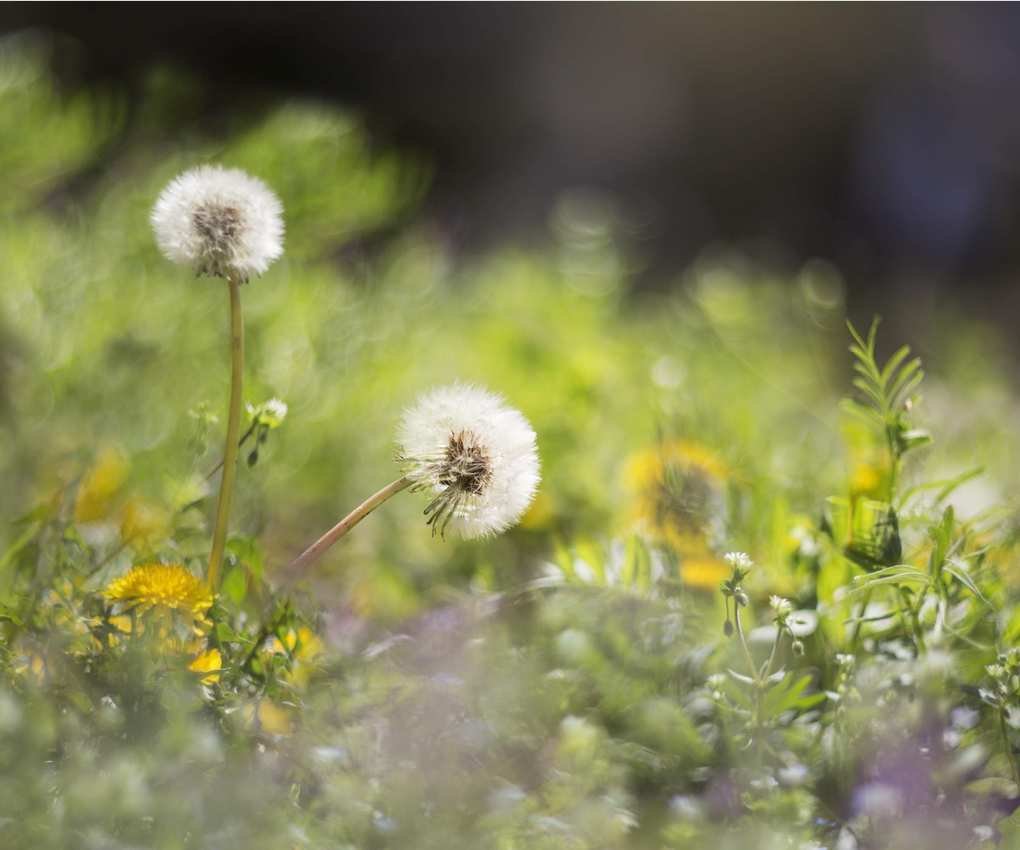
Weeds with seeds are on a mission to sprout again, making them unsuitable for your compost. Putting these weeds in your bin after pulling them out is a common mistake, as they'll germinate once more.
Jenny Rose Carey, a professional horticulturist, warns, 'Adding seeded weeds to your compost can lead to their resurgence. If you use that compost later, you risk spreading weeds in your garden.'
For eco-friendly disposal, consider using a 30-gallon collapsible garden waste bucket from Amazon. Alternatively, check local recycling facilities that accept yard waste.
2. Produce Stickers
Fruits and vegetables often come with small stickers that are made of plastic or plastic-coated material, making them non-biodegradable. These stickers don't break down in compost and can contaminate your final product.
Andrew Miano, senior horticulturist, emphasizes, 'People often overlook produce stickers when adding scraps to compost. They can remain long after the organic matter decomposes, introducing microplastics into your garden.'
To prevent this, remove stickers as soon as groceries come home and toss them in the trash.
3. Oils, Dairy, and Meat
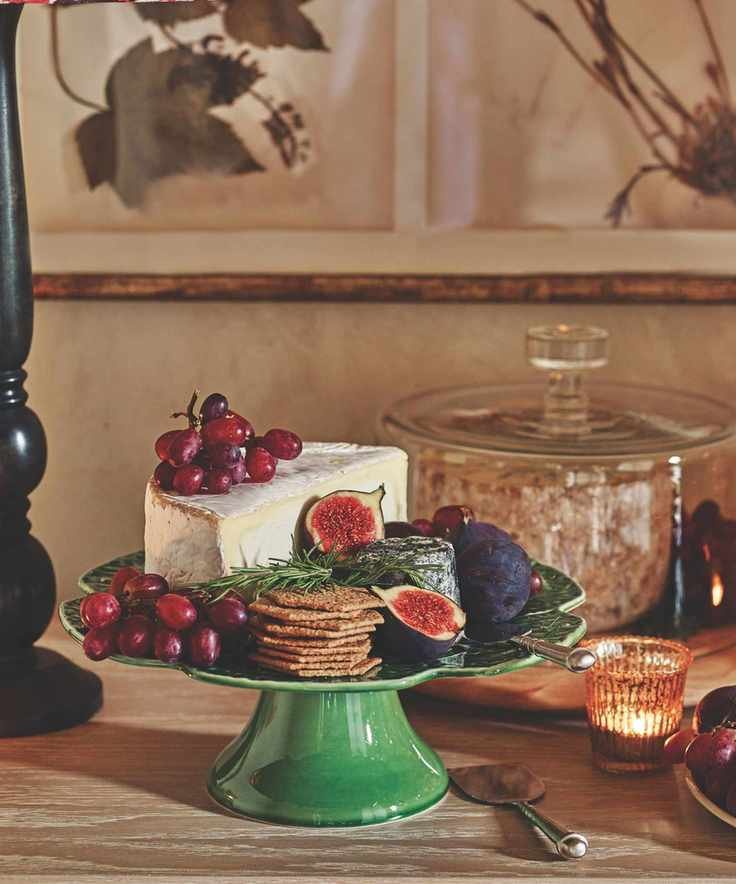
Fatty foods like oils, dairy, and meats can spoil your compost quality and produce unpleasant odors. They are among the top items to avoid in your compost bin.
Jodi Danyo, founder of Cherry Valley Organics, explains, 'These fats create a barrier around vegetables, slowing down decomposition and attracting pests.'
Instead, dispose of these items in the trash.
4. Walnuts and Their Shells
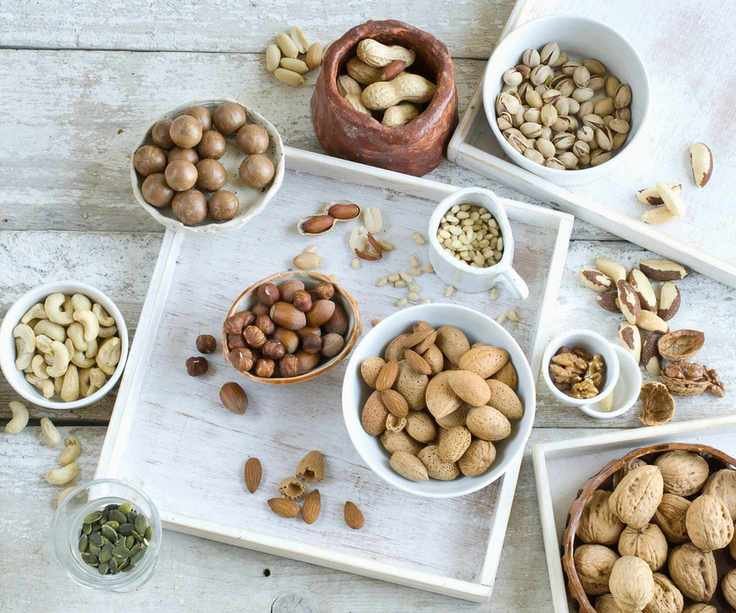
While nutritious, walnuts contain juglone, a chemical harmful to many plants. Mixing walnuts into your compost can jeopardize your garden.
Sally McCabe from the Pennsylvania Horticultural Society advises, 'If you have a lot of walnuts, compost them separately for at least a year to neutralize the juglone.'
5. Unwashed Eggshells
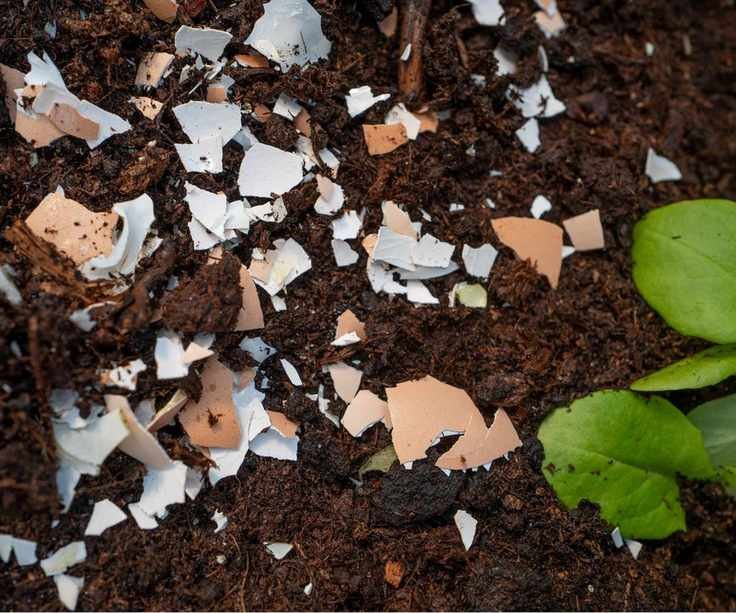
Eggshells can be beneficial for your garden, but failing to rinse them can lead to odors and attract pests.
Jessica Mercer, a plant expert, notes, 'Unwashed eggs can cause issues similar to dairy, inviting unwanted odors. Clean and crush shells for a calcium boost in compost.'
6. Diseased Plants
Diseased plants can spread infections and spores, which may survive in compost that doesn't heat sufficiently. This can undo your hard work in the garden.
Andrew Miano cautions, 'If compost temperatures aren't high enough, pathogens may persist.' For safety, bring diseased plants to municipal recycling for proper disposal.
7. Onions, Garlic, and Citrus Peels
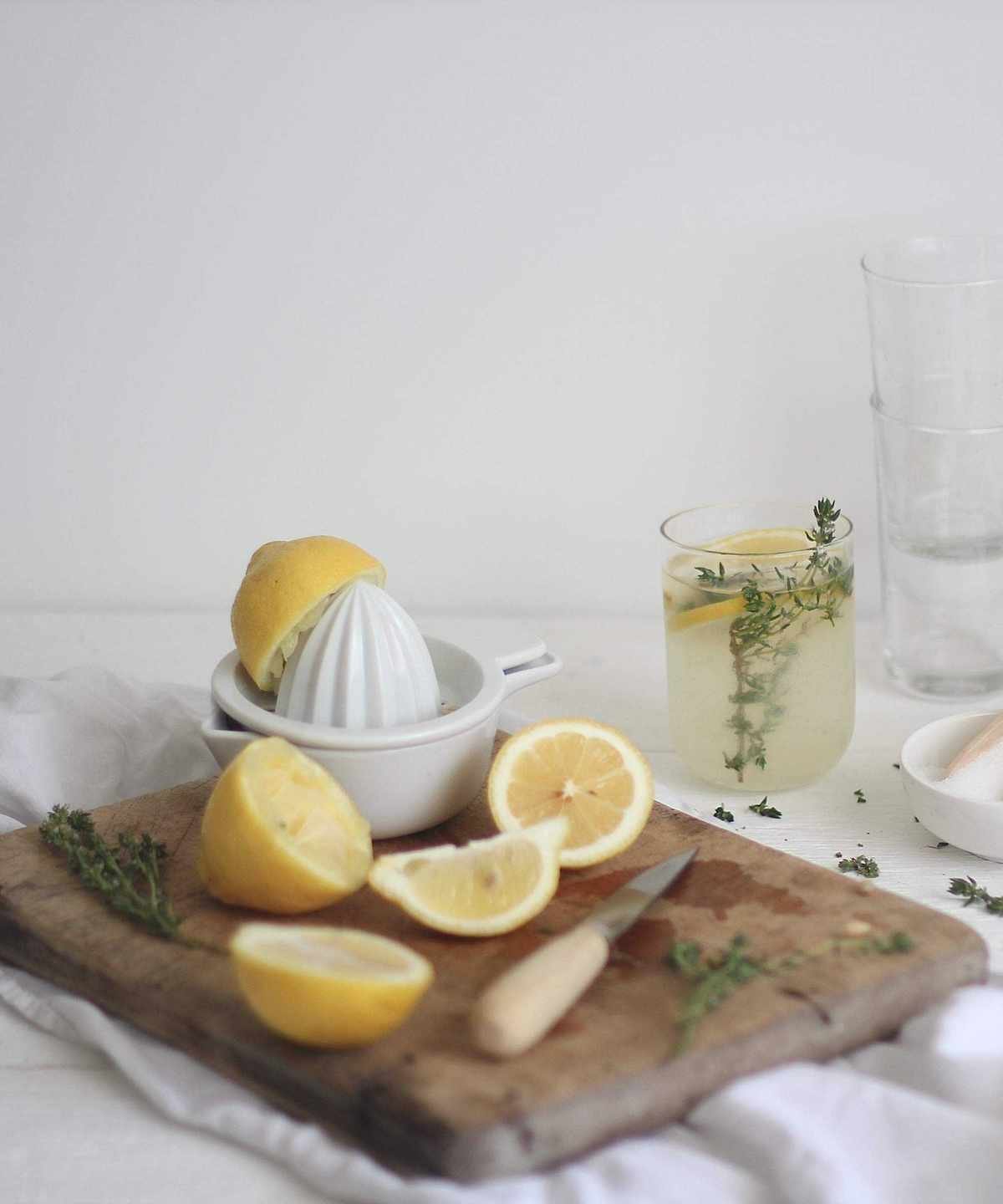
While small amounts of onions, garlic, and citrus peels are fine, too much can harm beneficial microbes in compost.
Sally McCabe explains, 'Excess amounts can make compost acidic and hinder microbial action.' Consider using citrus peels for simmer pots or grinding dried onion and garlic into powder.
8. Treated Grass Clippings
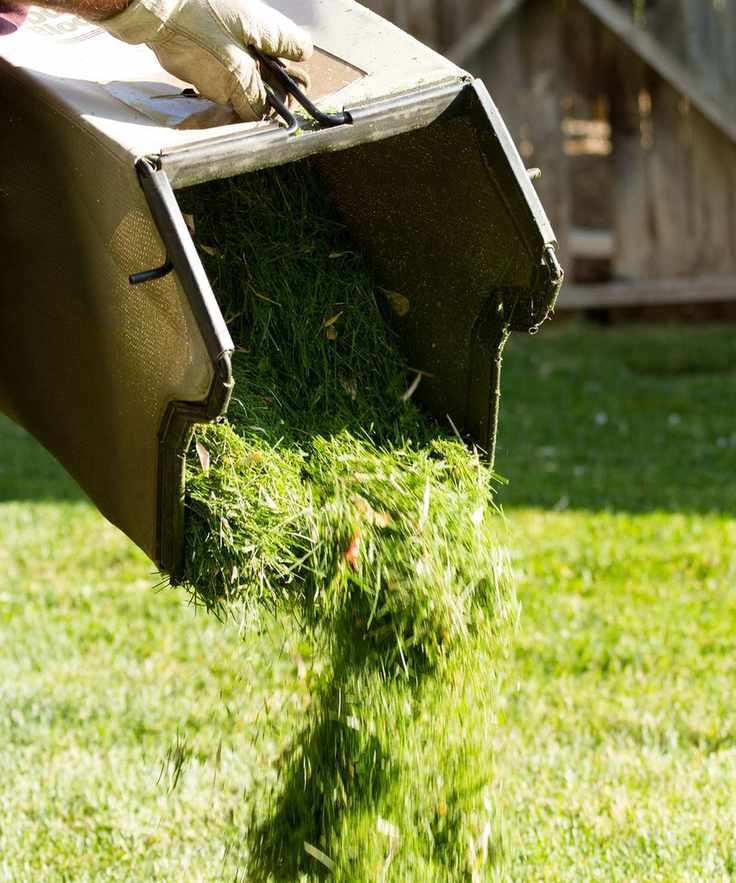
Grass clippings are excellent for composting unless treated with herbicides or fertilizers. These chemicals can linger in compost and harm plants.
Jodi Danyo suggests, 'Only use clippings from organically maintained lawns or wait weeks after chemical applications.'
9. Pet Waste from Carnivores
Pet waste can harbor harmful bacteria, especially from meat-eaters. This waste can compromise garden safety.
Jessica Mercer warns, 'Adding this waste can create odors and health risks. It's best to toss it in the trash.'
10. Bones
Bones from meals are unsuitable for composting as they slow down the composting process and can attract pests.
Ofra Gaito states, 'Adding bones leads to unsightly compost and can attract animals.' They can linger in the soil for years.

If you're new to composting and worried about aesthetics, check out our guide on making compost stylish. We also recommend monitoring your compost throughout winter to maintain its condition for spring.



