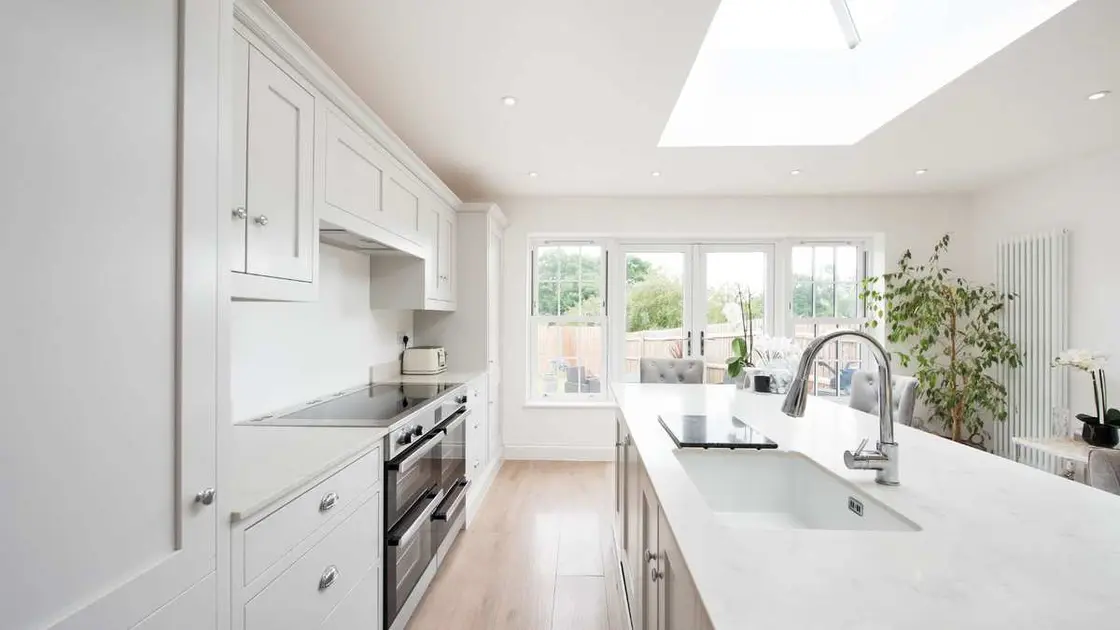
Minimalism spans a variety of home styles, from cozy Scandinavian designs to stark, essentialist spaces. However, one commonality is the absence of clutter.
How do minimalists manage to declutter so effectively? They employ some intense yet thoughtful decluttering strategies that allow them to limit possessions without losing functionality.
Here are seven expert-approved decluttering techniques that minimalists and organizers endorse for reducing belongings to the essentials.
Decluttering Techniques Minimalists Recommend
If the idea of minimalism appeals to you but feels daunting, consider starting with the 30-day minimalism game as a gentle introduction to removing excess items.
Otherwise, these decluttering methods might resonate with you:
1. Shop from Your Own Stock
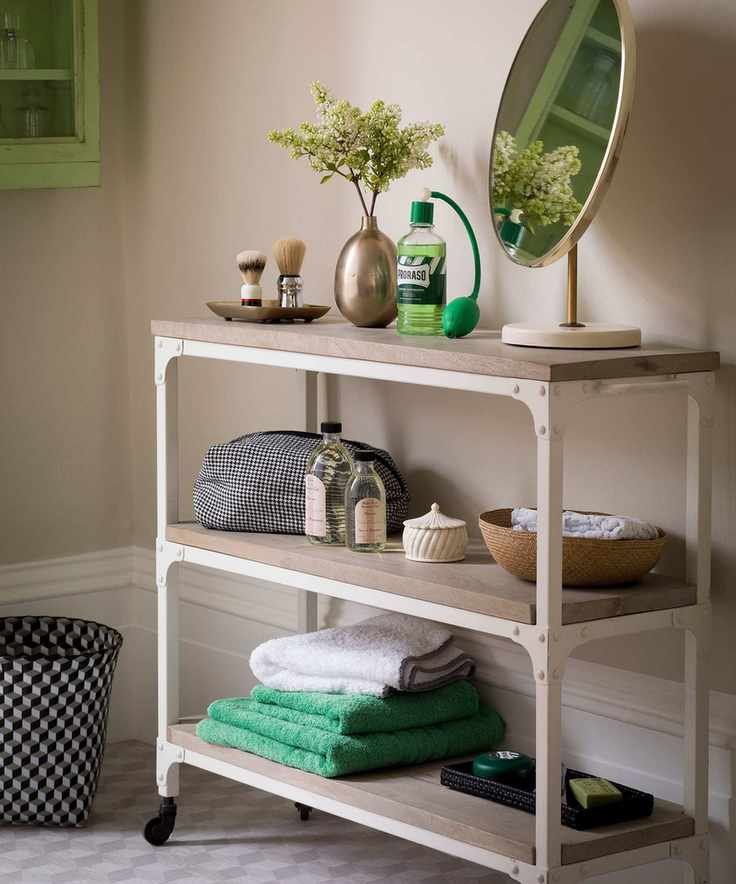
When embracing minimalism, it's crucial to utilize what you already own before adding anything new, advises Bonnie Borromeo Tomlinson, a home organizer and author of Stop Buying Bins, available at Amazon.
“I call this approach 'Shopping from Your Stock.' Before buying something, check your home first. Out of shampoo? Look in your linen closet for forgotten bottles or use that travel-sized shampoo you picked up during your last trip. Only then should you add it to your shopping list,” she explains.
This strategy helps avoid unnecessary purchases and frees up storage space in your home.
2. Replace Items, Don't Stock Up

After you’ve assessed your inventory, it’s essential to avoid the temptation to replace everything at once, continues Bonnie Tomlinson.
“Our family rule is two items out for every one in, but one-for-one can apply to items like body wash when you run out,” she adds.
This method is especially beneficial for organizing small spaces like bedrooms or living rooms with limited storage.
3. Minimize Furniture

Minimalists don’t live entirely without furniture, but many choose to reduce the number and size of their pieces, particularly those that hide clutter.
“Professional stagers often remove about 80% of a home’s furniture before replacing it with smaller pieces. This makes the space feel larger,” explains Stephanie Seferian, a passionate minimalist and podcast host.
“If you’re constantly dodging furniture, you likely have too much. Consider donating or selling the surplus,” she advises.
4. Work in 20-Minute Segments
A more relaxed approach to decluttering, working in 20-minute intervals is perfect for beginners or those needing to refresh their space.
“I set a 20-minute timer, tackle one area, and ask myself: does this item add value or detract from my life? How does it make me feel? Does it reflect who I’m becoming?” says Theresa Russell, an organizer and therapist.
Using a pre-set decluttering checklist can keep you focused and help maximize your time effectively.
All-in-One Declutter Planner | $3.92 at Etsy
This printable planner is essential for managing your home's mess effectively.
5. Curate Decorative Collections

Home decor choices can enhance or detract from a minimalist aesthetic, warns Stephanie Seferian.
“In my pre-minimalist days, I collected teapots from every country I visited. While each was beautiful, the collection became mismatched and overwhelming,” she recalls.
“When you have too many of the same item, they compete for attention. Consider displaying fewer pieces and rotating them every few months to allow each to shine,” she recommends.
If letting go of items feels daunting, you might explore alternative approaches to decorative clutter, like the clustering trend.
6. Implement the 90-Day Rule
If you tend to hold onto items for future use, consider adopting the 90-day rule, suggests Millie Hurst.
“This rule encourages you to part with anything unused for the last 90 days. If you haven’t touched certain seasonal items, like winter hats, you likely won’t need them as spring arrives,” she explains.
“While this requires planning, it can be a great way to determine what to eliminate from your space without regretting your decisions later,” she adds.
7. Imagine You’re Moving
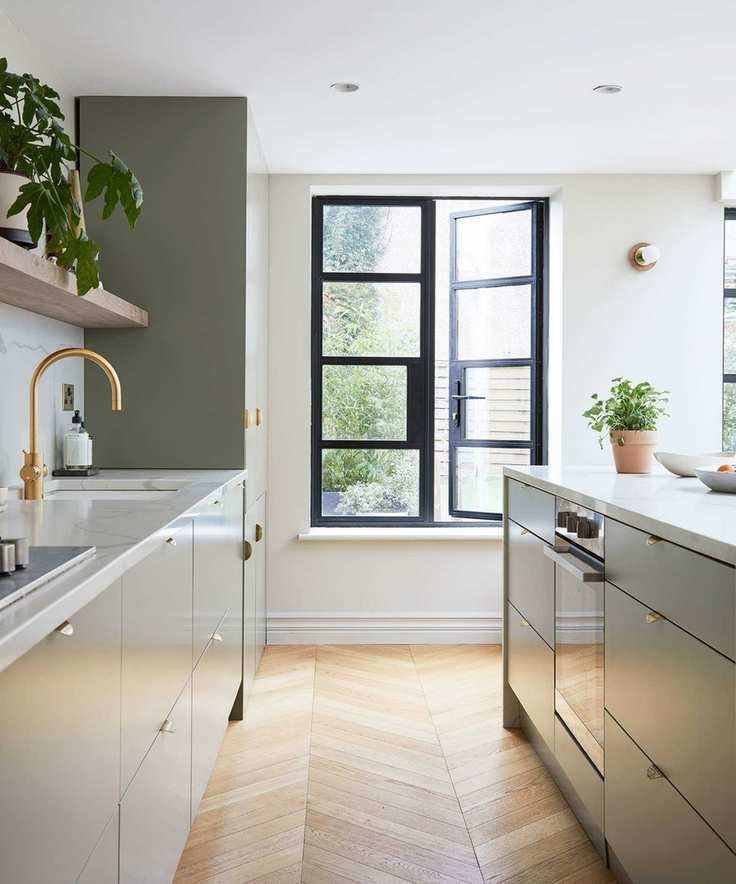
If you’ve moved before, you know how crucial decluttering is for a smooth transition. Pretending you’re about to move can be an intense yet effective way to reduce your belongings, advises Erica Thompson.
“Ask yourself these questions:
- What would I let go of if I were moving?
- Are there neglected kitchen items?
- Do I have clothes that no longer fit or suit my lifestyle?
- Check for expired products in your bathroom.
- Have I accumulated too much of anything?”
This method is extreme but can yield significant results!
FAQs
Are minimalists happier?
For some, minimalism can lead to greater happiness due to cleaner spaces and reduced clutter. However, this lifestyle isn’t suitable for everyone; some find joy in their home comforts. Balancing minimalist principles with personal style can create a fulfilling environment.
What is the paradox of minimalism?
Minimalism presents a paradox: owning less is thought to yield more happiness as you value your belongings more. Yet, this perspective varies among individuals, making it essential to find what works for you.
Adopting minimalism involves a significant mindset shift regarding possessions. It’s a valuable home-organizing strategy for those who frequently feel overwhelmed by clutter and one that can help individuals appreciate their belongings more deeply.