
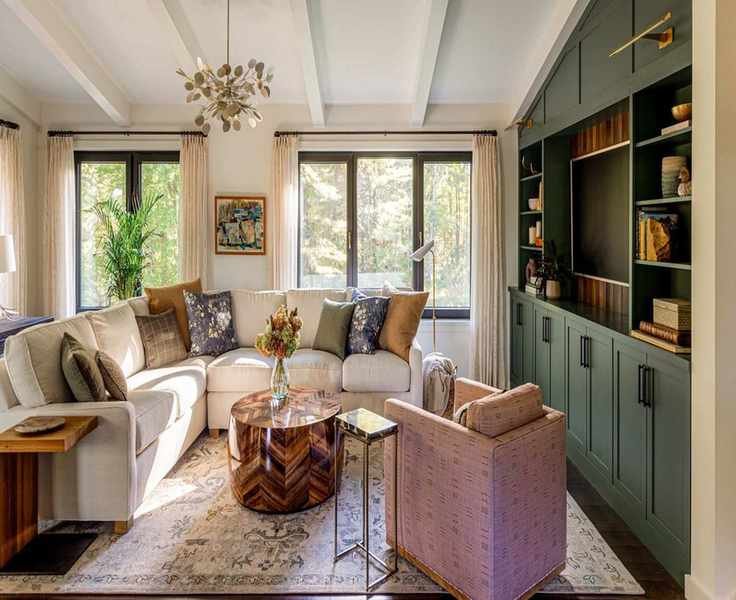
Transforming your home can be pricey, but steering clear of certain costly decorating blunders can help keep expenses down.
Everyone makes decorating errors at times – whether it’s purchasing an oversized rug or misjudging dimensions for a custom headboard.
Fortunately, expert designers have compiled a list of decorating missteps to dodge, helping you avoid unnecessary financial pitfalls. Implementing these insights will keep your renovation budget on track.
1. Purchasing Furniture Prematurely
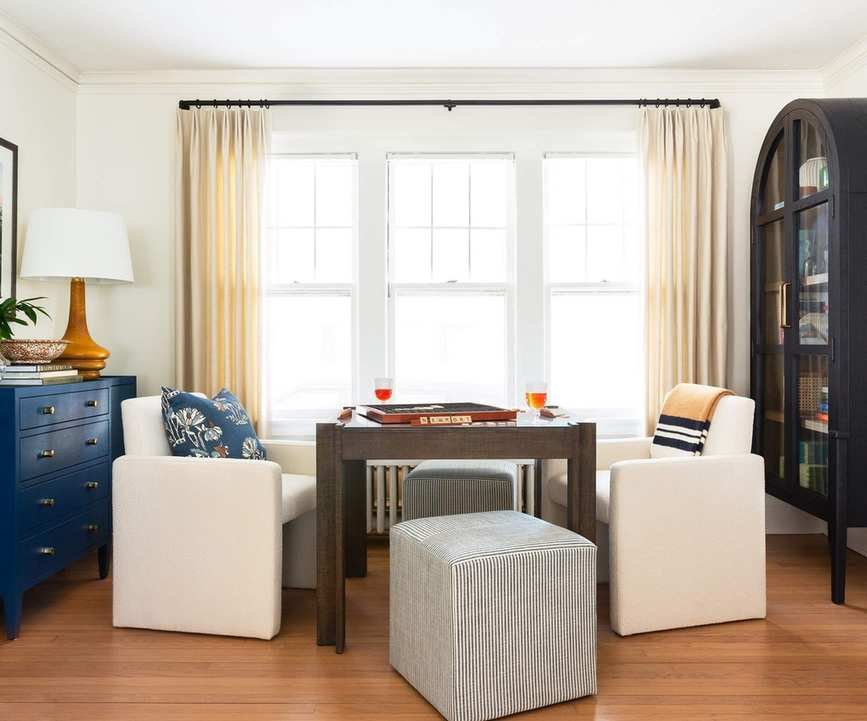
It’s easy to get overly excited about a new home, but buying furniture too soon can lead to regret. You won't truly know how to arrange your space until you’ve settled in, which can create costly mistakes.
Jeanne Barber from Camden Grace Interiors advises against rushing into purchases. "Buying furniture before moving in can lead to miscalculations about how you'll use each area. You might envision your dining room as a game room or a cozy lounge. Take your time to figure out what fits best."
Consider creating a wish list instead of making impulse buys. This allows you to enjoy the excitement of shopping without committing to high-priced items until you’ve lived in the space for a bit. It’s better to wait than to spend thousands on a sectional that doesn’t work where you want your TV.
2. Skipping Paint Tests
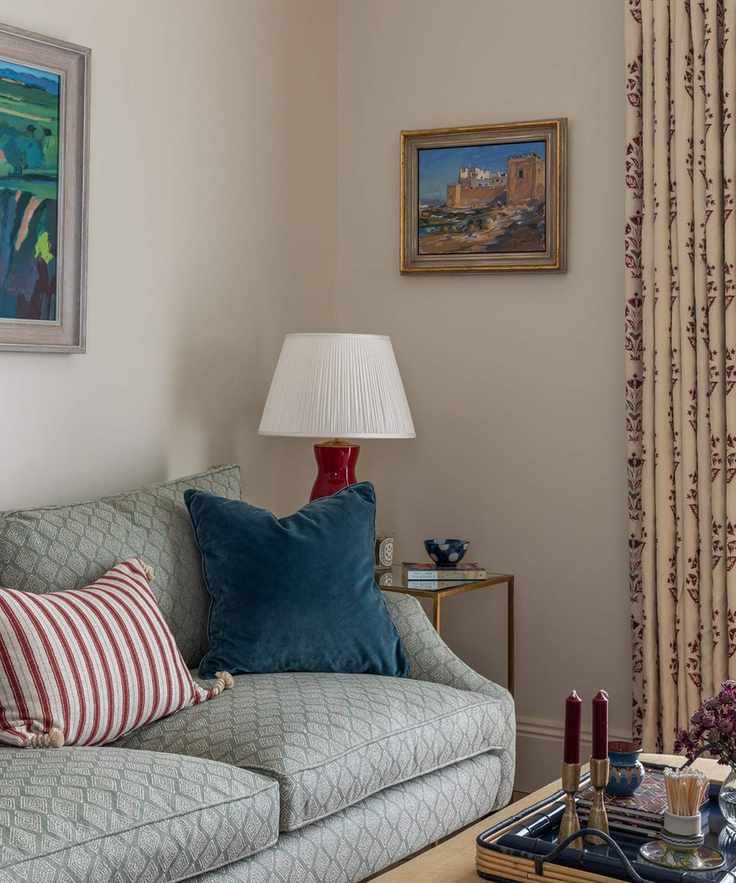
Just because a paint color looks great on a card doesn't mean it’ll suit your home. Always buy a tester and observe how the hue appears at different times of the day.
Cathleen Gruver, an interior designer from Virginia, insists that lighting can dramatically alter paint colors. “Test your chosen shade in various locations to see how it changes throughout the day. Skipping this step can lead to costly repainting,” she notes.
Another tip is to paint only after you’ve moved in. Jeanne Barber mentions that it’s best to finalize paint choices after selecting furniture and textiles. "Living through a painting process isn’t bad, and it often leads to more thoughtful color selections."
3. Overlooking Custom Options
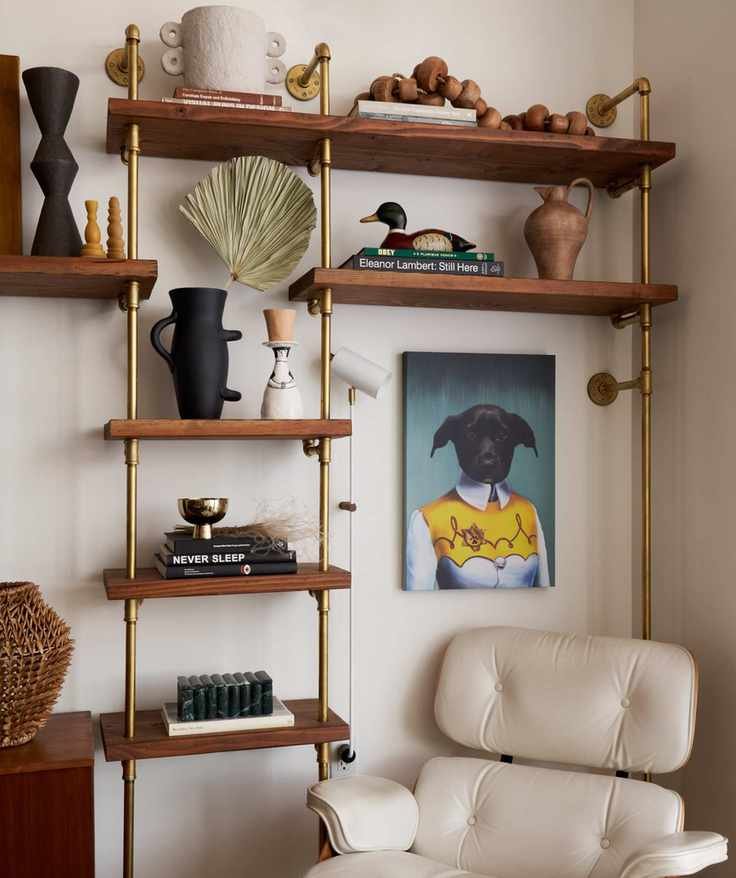
Assuming custom pieces are always too expensive can lead to poor decisions. Opting for ill-fitting ready-made items often results in needing replacements later.
Molly Torres Portnof from DATE Interiors explains that custom solutions might surprise you with affordability. "Custom designs, like pipe and wood shelving, can fit a tight budget while enhancing the space’s overall look."
4. Settling for Cheap Window Treatments
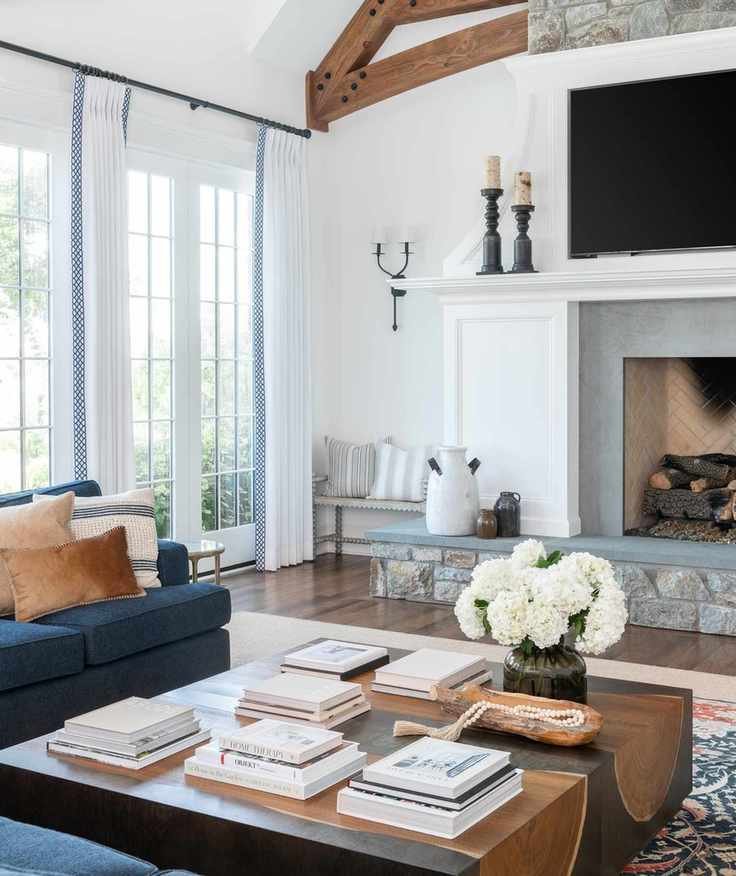
Window treatments are often an afterthought, but they can drastically affect a room's feel. Cheap options can look flimsy and unrefined.
Cathleen Gruver cautions against skimping on window coverings: "Poorly fitting or low-quality treatments can diminish a room’s elegance. You may save initially but could regret it later. Quality curtains or custom options are a worthy investment."
5. Failing to Measure Properly
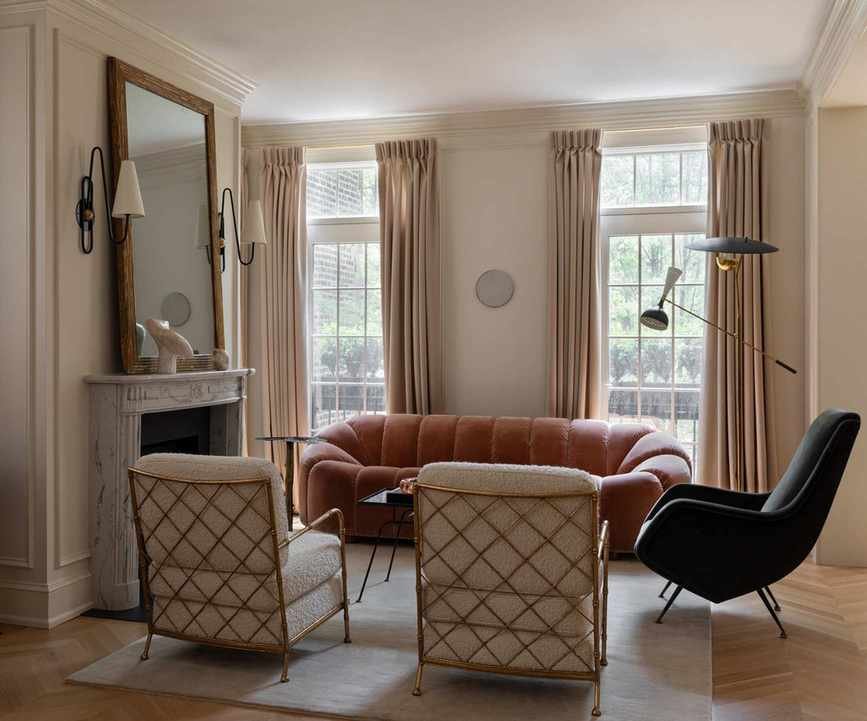
Proper preparation is essential when buying furniture. Make sure that a measuring tape is your ally.
Miriam Dillon, interior designer at BVA BarnesVanze Architects, points out that not confirming dimensions can lead to costly mistakes. “Ordering a custom piece only to find it doesn’t fit can be a nightmare. Always check your measurements.”
Understanding scale is crucial. Wendy Labrum emphasizes that ensuring pieces don’t overwhelm a space helps maintain balance.
6. Ignoring Lighting Planning
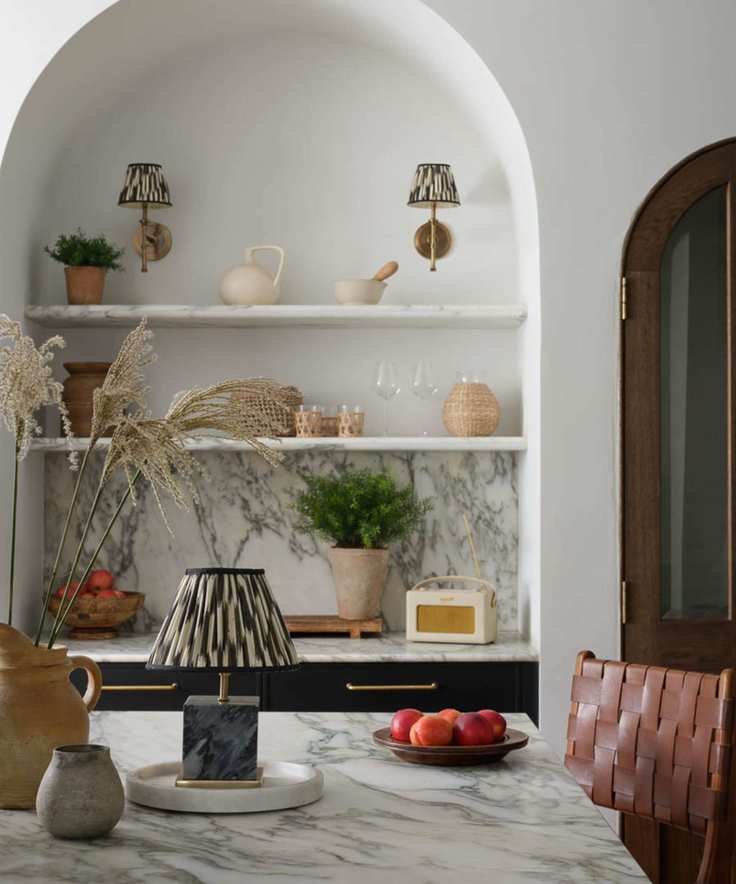
Lighting should be a priority in your design plan, not an afterthought. It's costly to alter later, so consider it alongside all your other major decisions.
Cathleen Gruver states, "Lighting transforms a room. Don’t install fixtures without considering their height, size, and overall impact. Planning thoughtfully now can save adjustments later."
7. Using Inappropriate Materials
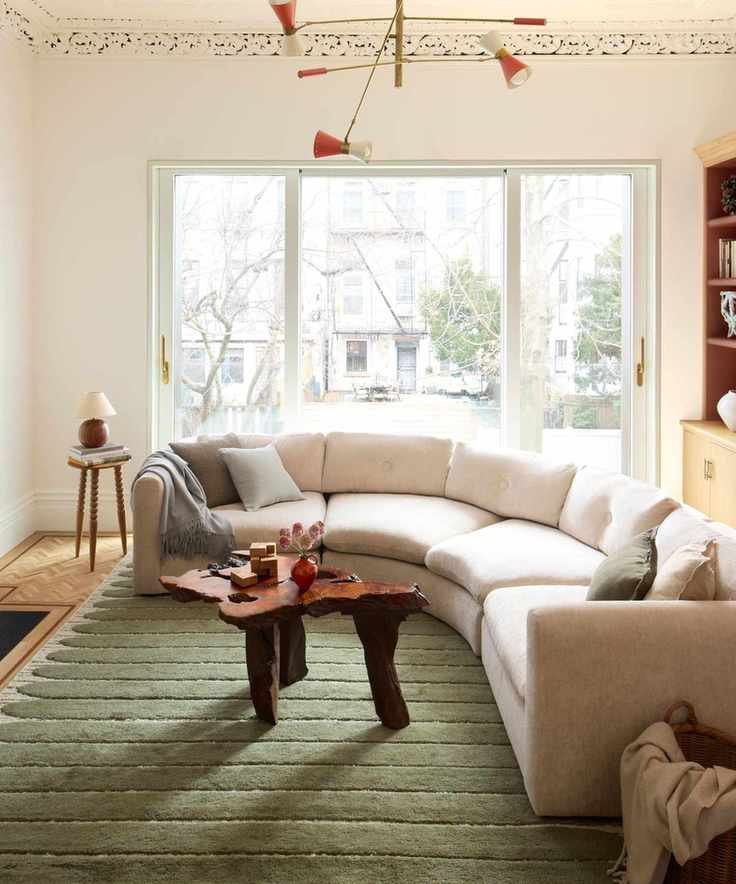
While you may adore delicate fabrics, consider their practicality. Evaluate the durability of materials before making a purchase to avoid long-term regrets.
Opting for performance fabrics is a wise choice, especially in high-traffic areas. Cathleen Gruver notes that durability is as important as aesthetics. “Selecting sturdy materials ensures your pieces last longer, especially if you have pets or children.”
Paying attention to these decorating pitfalls can save you from expensive mistakes. From measuring accurately to selecting the right materials, thoughtful planning is essential in preventing costly errors.


