
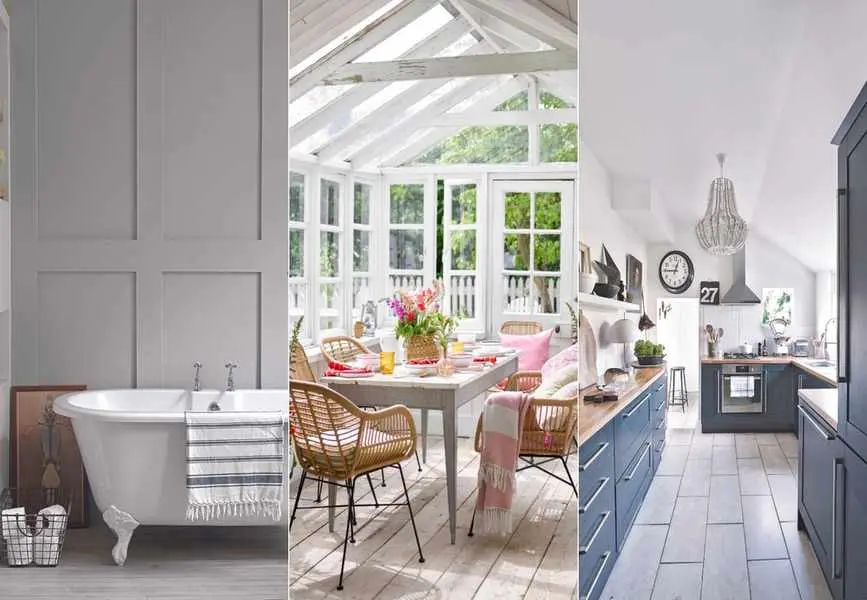
Redecorating or renovating your home can be exhilarating, but the excitement can easily lead to missteps while managing contractors, design ideas, and budgets.
From skipping essential prep work to creating cluttered layouts and overlooking necessary planning permissions, these common mistakes can disrupt the overall balance and functionality of your home.
Here are 11 decorating pitfalls that frequently occur during renovations and how to sidestep them effectively.
Common Decorating Pitfalls
Decorating errors can range from minor paint mishaps to costly renovation blunders that become challenging to fix once other elements are in place.
The best way to avoid these issues is to have a comprehensive plan that includes everything from budgeting to timelines, along with clear negotiations with your contractors and suppliers. Creating a pre-renovation checklist can help you dodge the most significant mistakes and possibly save money during renovations.

1. Ignoring Planning Permissions
Many home improvements require planning permission, especially larger renovations or changes to your home's exterior. As professional handyman Shlomo Cherniak warns, failing to obtain the necessary permissions can lead to legal issues, delays, and expensive modifications.
'Neglecting to secure planning permissions can have serious consequences, including orders to reverse renovations,' he cautions. It's usually simpler to verify whether permissions are required than to deal with the fallout later.
In some cases, not securing planning permission could force you to undo all renovations made to your property—an outcome no homeowner wants to face.
2. Not Sticking to Your Budget
Determining an appropriate budget for home renovations is crucial. Ignoring your budget or attempting to cut costs too aggressively can create headaches and lead to decorating errors, according to interior designer Artem Kropovinsky.
'Without a clear budget, you risk overspending or leaving projects incomplete,' he explains. 'A well-prepared budget is essential for balancing design elements with physical aspects. It should also include a contingency fund for unexpected repairs or labor costs,' he notes.
The saying 'buy cheap, buy twice' is relevant here; parting with hard-earned money should be a logical decision, not an emotional one. If you can't wait for that dream piece of furniture, consider checking out second-hand stores for unique items that often offer fantastic bargains on high-quality vintage furnishings.
3. Disregarding Expert Guidance
Experts exist for a reason—they usually know what they're talking about. While it can be challenging to trust a contractor, especially when you're paying them, finding a reliable company through recommendations or stellar reviews can minimize concerns about whether they're trying to upsell you.
Ignoring professional advice can lead to significant decorating blunders, such as poor layouts, fixtures that require constant maintenance, or even structural complications that could have been resolved at a lower cost during the initial renovation phase, warns Gabriella Dyson, a renovation expert.

Homeowner's Renovation Tips & Log Book: From Planning to Completion | $15.99 at Amazon
Being well-informed about the best approach to renovations step-by-step is essential for success.
4. Taking on Too Much DIY
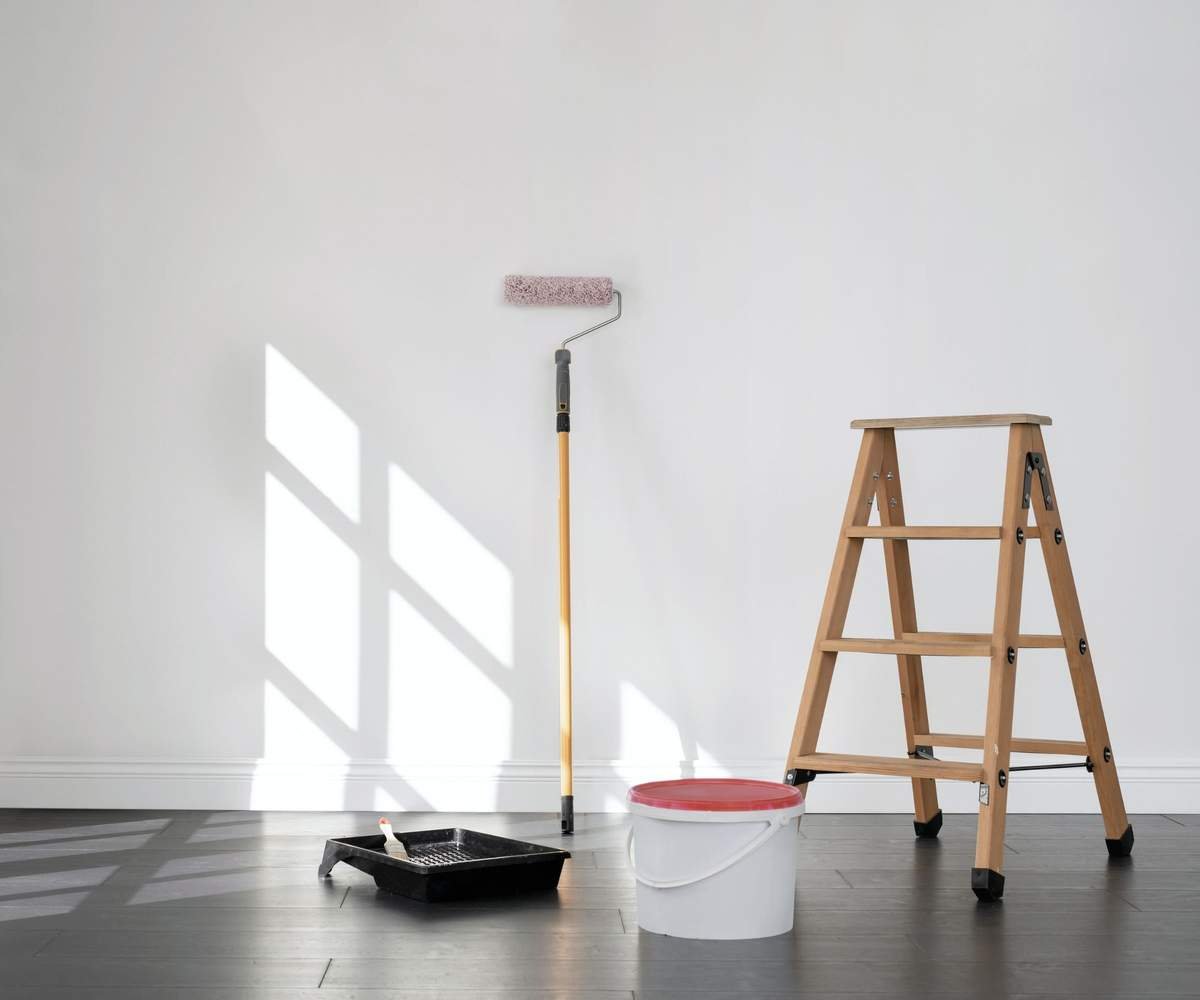
While optimism can be beneficial, especially when it results in impressive outcomes, some tasks are best left to professionals, particularly if you tend to leave projects unfinished.
'Enthusiasm for DIY is commendable, but neglecting to seek professional help can lead to costly errors. Professionals bring valuable expertise in planning, design, and execution,' emphasizes Artem Kropovinsky.
Unless you're trained in specific trades, such as plumbing or electrical work, it's wise to leave those tasks to experts while you focus on simpler DIY projects like painting furniture or revamping a room.
5. Prioritizing Aesthetics Over Functionality
When embarking on a new decorating project, it's easy to get caught up in creating a visually appealing mood board filled with attractive colors and furnishings while neglecting how the space will serve you, says Nicola Fontanella, founder and creative director at Argent Design. This oversight can lead to the homeowner avoiding certain areas altogether.
Avoiding this mistake is straightforward: think about how you envision the room functioning before diving into inspiration. This way, your mood board will reflect elements that align with your needs instead of forcing a Pinterest trend into your design.
6. Concealing Problems Instead of Addressing Them
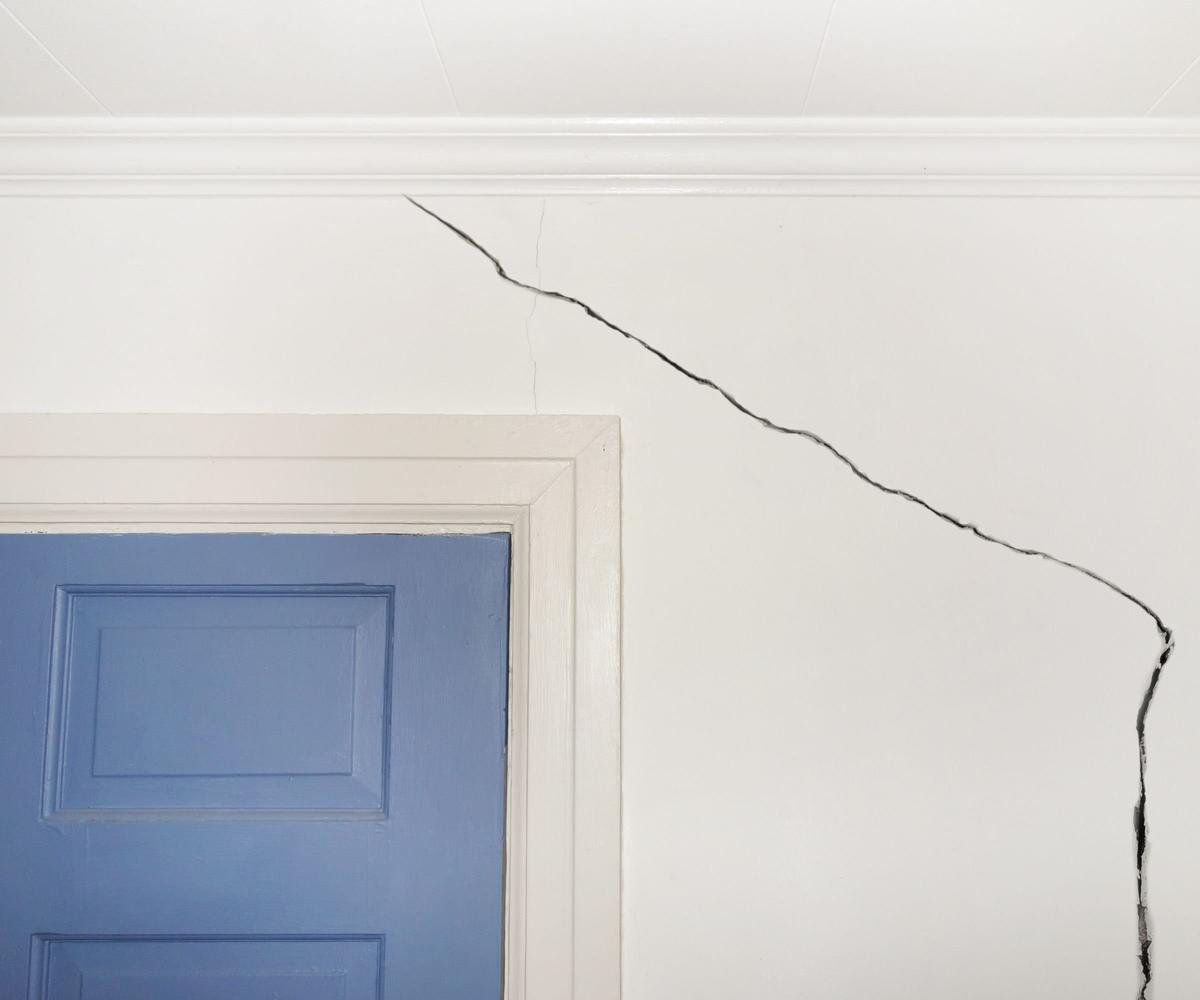
One of the biggest decorating blunders is covering up existing issues rather than dealing with them head-on. While it might seem cost-effective in the short term, ignoring problems will likely lead to more significant expenses later.
Hoping a problem will vanish is rarely effective. If your space has issues such as dampness or cracks, it's wise to tackle these problems before starting any decorating. You'll be thankful you did.
Be sure to learn about common drywall mistakes to prevent issues.
7. Skipping Steps to Save Time

Home renovations can be lengthy, but bypassing important steps to speed up the process is a poor strategy. One common shortcut is skipping the primer before painting. Although your paint may adhere, the finish will not be optimal, resulting in wasted time and money.
High-quality paint and wallpaper deserve to be applied on a properly prepared surface. Always use primer, and remember to follow the instructions on the paint or wallpaper packaging, as they can differ.
8. Failing to Communicate with Contractors
Your contractors can significantly influence the success of your project, so clear communication is essential. Setting expectations, understanding what they need from you, and ensuring your plans are transparent is key, according to Quinn Babcock, operations lead at Block Renovation.
'Start by ensuring you have a clear written contract that outlines the project scope, timeline, and payment terms. This will help everyone stay aligned from the beginning and prevent misunderstandings,' he advises.
'Maintain open and regular communication with your contractor. Make sure they have all necessary information to perform their tasks and check in frequently to monitor the project's progress. If any changes arise, discuss them with your contractor to find mutually agreeable solutions.
'Lastly, remain adaptable and willing to adjust as needed,' Quinn recommends. 'Renovations can be unpredictable, so being open to changes and collaborating with your contractor will lead to smoother processes.'
'Remember, your contractor is your partner, not an adversary—they aim to deliver quality work efficiently, ensuring everyone's satisfaction. While things may shift during the process, working together through these changes fosters a more seamless experience.'
9. Underestimating Lighting
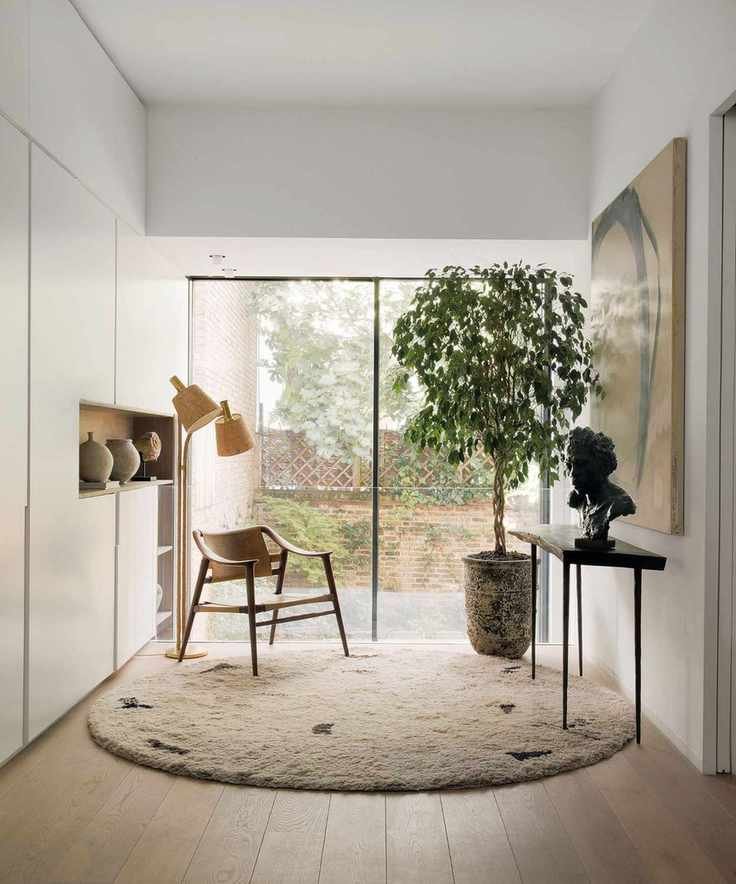
One common decorating mistake that can accumulate around your home is neglecting proper lighting, notes designer Nicola Fontanella. The impact of good lighting on the appearance, feel, and functionality of a space cannot be overstated.
'Failing to consider appropriate lighting layouts and color temperatures can greatly affect a room's ambiance. Before starting any interior work, plan the locations, types, and colors of all lighting, including any decorative fixtures you want to incorporate. It's crucial to strike the right balance.'
10. Purchasing Without Measurements
Is there anything more frustrating than buying a new piece of furniture only to find out it doesn't fit through the door or takes up too much space?
This frequent decorating blunder can be easily avoided by taking measurements at least twice before shopping—especially for significant purchases like kitchen or bathroom items, as Gabriella Dyson advises.
11. Not Considering Future Needs
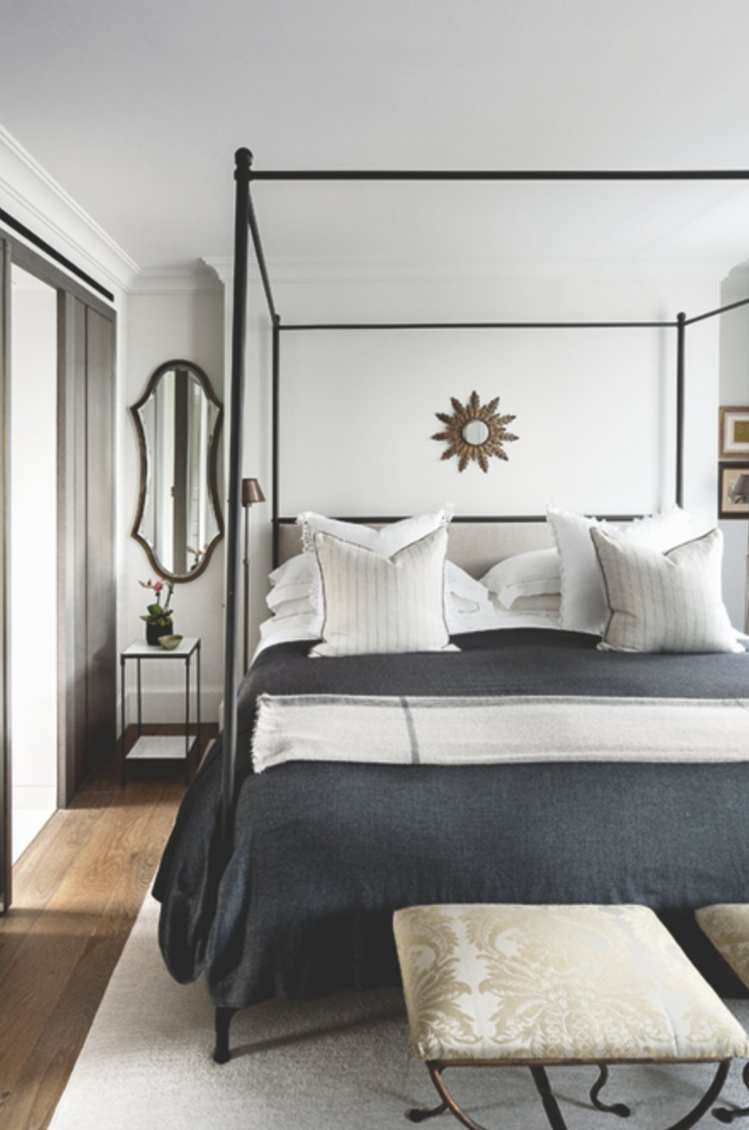
When decorating or renovating, it's easy to focus solely on immediate needs and overlook future requirements. When designing spaces you plan to inhabit for many years, consider elements that will accommodate multi-generational living, suggests interior designer Nina Lichtenstein.
Avoiding this common oversight ensures accessibility, safety, and comfort for everyone at any stage of life.
FAQs
Can you over-decorate a space?
Yes, just as a space can feel too empty, it can also be overloaded with decorations. An overly stuffed room can disrupt the flow and make movement difficult. Using too many colors or contrasting decor can create visual chaos and increase stress.
What are the main stages of decorating a home?
When redecorating or renovating, you typically go through five key stages:
- Budgeting and financing
- Obtaining planning permissions (if necessary)
- Hiring designers and contractors
- Scheduling work and commencing renovations
- Final inspections and quality checks.
Following these five steps will help ensure a smooth workflow for everyone involved, whether you're hiring someone to paint a room or adding an entire extension to your property.
Educating yourself about these common decorating mistakes before you begin updating your home is the best strategy to avoid them or effectively address them if they arise during the process.



