
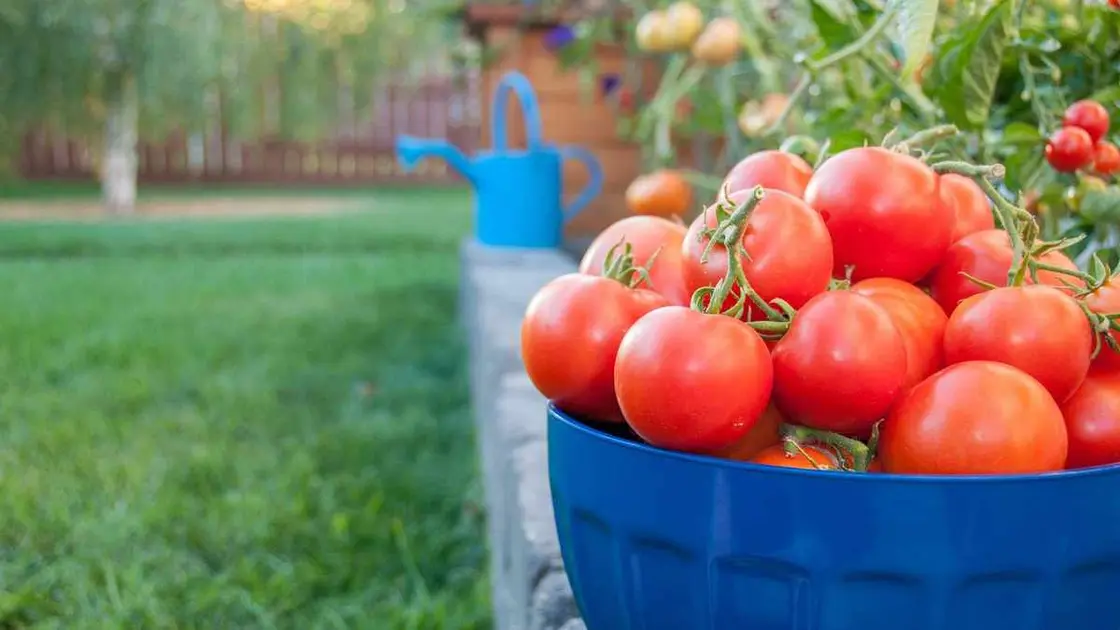
Tomatoes are a beloved summer staple in gardens across the globe, and every gardener aims for a bumper crop of flavorful, juicy tomatoes each growing season.
Growing tomatoes is quite straightforward, and with a variety of types available, there's a perfect fit for any garden size. Feeding tomato plants is crucial for achieving a remarkable harvest, making tomato fertilizer a must-have on most gardeners' lists each summer.
If you're keen on maintaining an organic garden while also saving some cash, consider making your own tomato fertilizer. You can easily create effective feeds from kitchen scraps or plants found in your backyard.
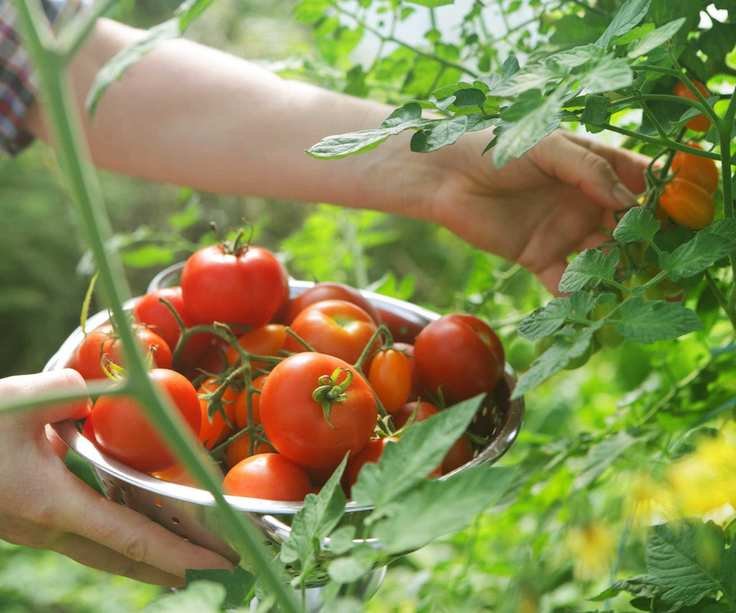
6 Homemade Tomato Fertilizer Ideas
When it comes to crafting plant fertilizers at home, there are several popular and straightforward methods to explore. The following DIY tomato fertilizers offer essential nutrients that support plants throughout different stages of their growth.
Compost from Home
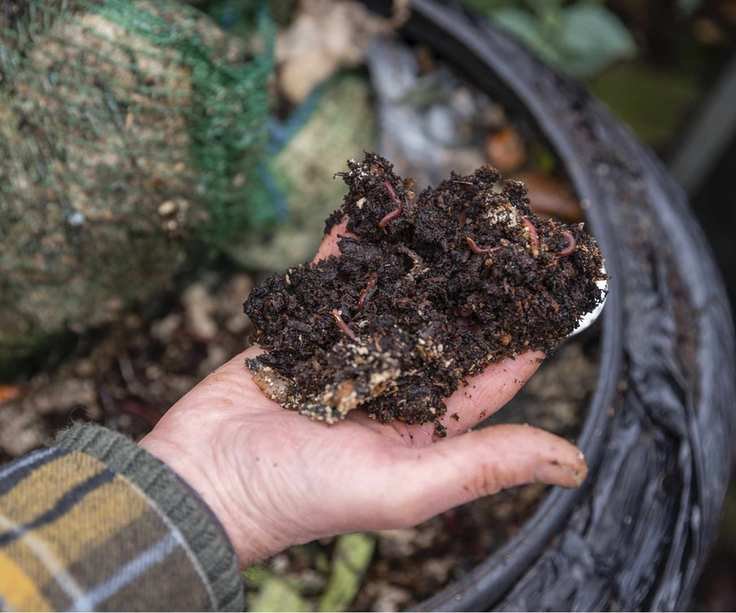
Tomatoes thrive with a slow-release, balanced fertilizer that provides a wealth of nutrients. Before planting, mixing organic matter into the soil can set your plants on the path to success. What better way to nourish your tomatoes than with homemade compost?
Cut costs by making your own compost at home with an assortment of kitchen and garden waste, along with brown materials like straw, shredded cardboard, and newspaper. To expedite the process, hot composting can turn waste into rich compost in under a month.
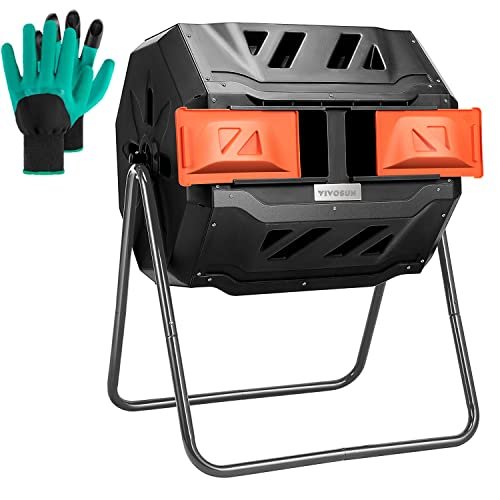
Outdoor Tumbling Composter
This 43-gallon composter features two chambers, allowing one side to finish composting while you add fresh waste to the other. Its rotating design eliminates the need to mix or dig the pile by hand.
Nettle Tea Fertilizer
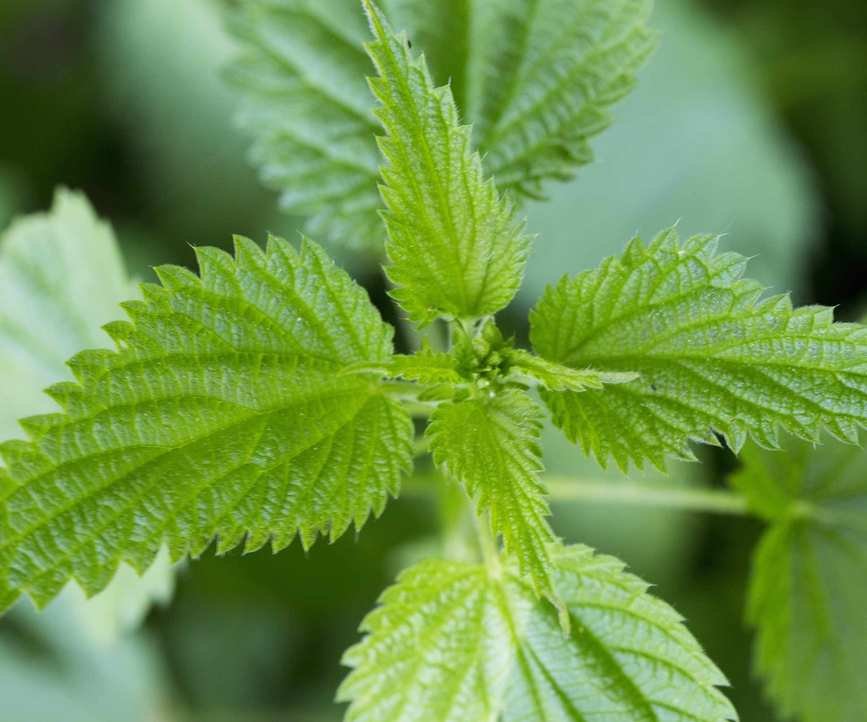
Nettles may be a gardener's nuisance, but they can also be quite beneficial. Using weeds to create plant fertilizer is an effective and economical way to cultivate organic growth.
Nettles are rich in nitrogen, an essential nutrient for leafy crops like spinach, lettuce, or kale, as well as for hungry plants like tomatoes. This nitrogen-rich feed, such as nettle tea, should ideally be paired with phosphorus-rich fertilizers to promote flowering and fruiting in tomato plants.
Thomas Rutter, a former professional gardener, shares his method for crafting this fantastic fertilizer. He advises, 'Make sure to wear thick gardening gloves to avoid getting stung.' To prepare the tea, gather fresh nettles, cutting the stems and leaves into small pieces less than a few inches long.
Put the cuttings in a large bucket and fill with water to cover the nettles. If necessary, use heavy rocks to weigh the nettles down. After three to four weeks, your nettle tea will be ready to use.
Dilute the nettle feed to ten parts water before applying it while watering your plants. While this fertilizer is highly beneficial, it does come with a strong odor.
Comfrey Fertilizer
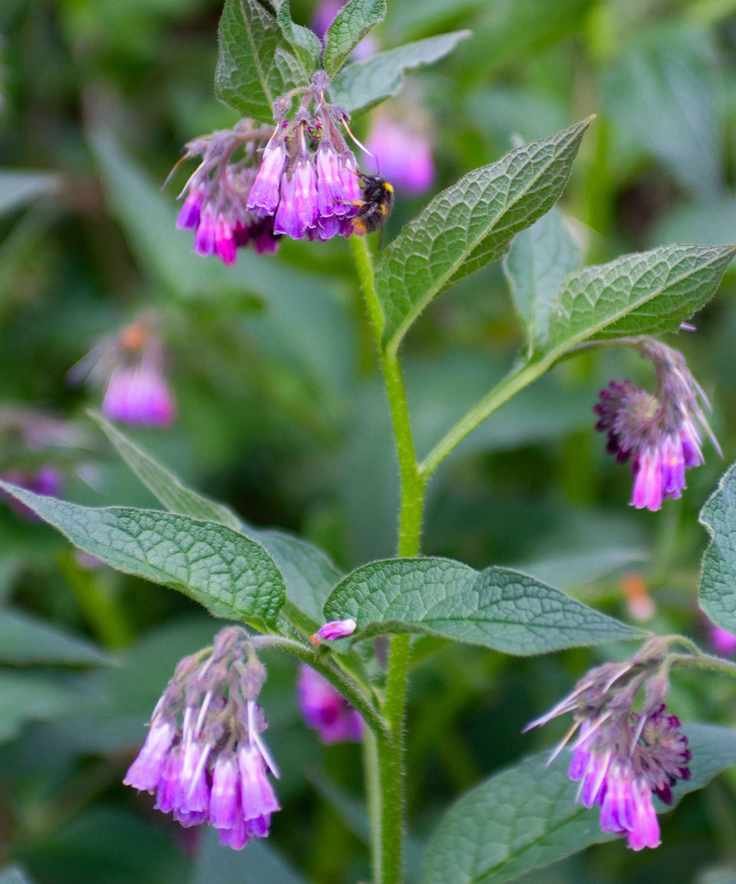
Similar to making nettle tea, you can create comfrey fertilizer, which serves as an excellent feed for tomato plants.
Comfrey is a perennial plant that blooms in spring, showcasing beautiful bell-shaped flowers in blue, pink, and white. Besides being visually appealing, comfrey is packed with key nutrients like nitrogen, phosphorus, and potassium, along with valuable trace elements.
Harvest the leaves in spring without overharvesting to keep the plant healthy, and chop them into a bucket of water. Weigh down the leaves, just like with nettle tea, and let them steep for approximately three weeks to create a potent brew.
After dilution, this concentrated fertilizer can be applied to plants. The leftover comfrey leaves can also be composted or used as mulch to decompose and enrich the soil further.
Utilizing Coffee Grounds
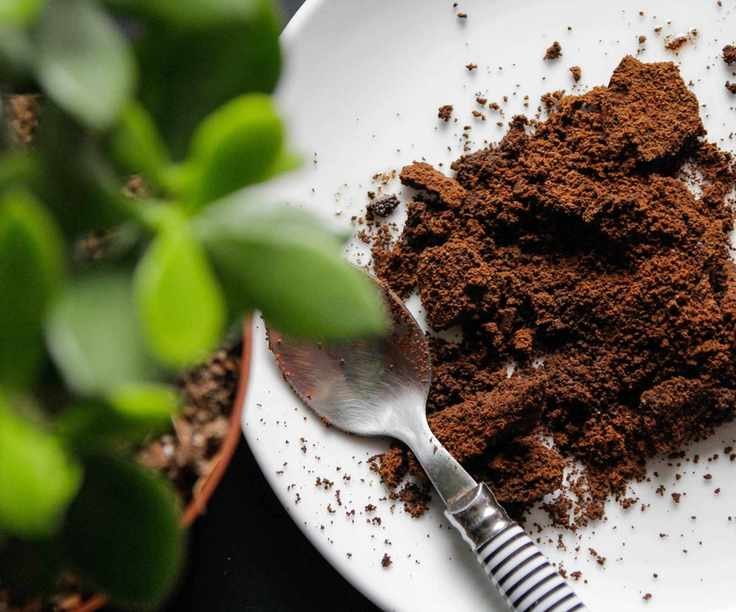
Wondering if coffee grounds are suitable for tomato plants? The answer is a resounding yes!
Incorporating coffee grounds as fertilizer provides an excellent nutrient boost. Rich in nitrogen, potassium, and magnesium, coffee grounds can positively impact plant health.
'To create a fertilizer for tomato plants, simply sprinkle coffee grounds around the base or mix them into the soil,' suggests Tenielle Jordison, a gardening news writer. However, she cautions against applying too much, as excessive coffee grounds can attract pests or lead to overly moist soil, which may promote fungal issues.
Crushed Eggshells
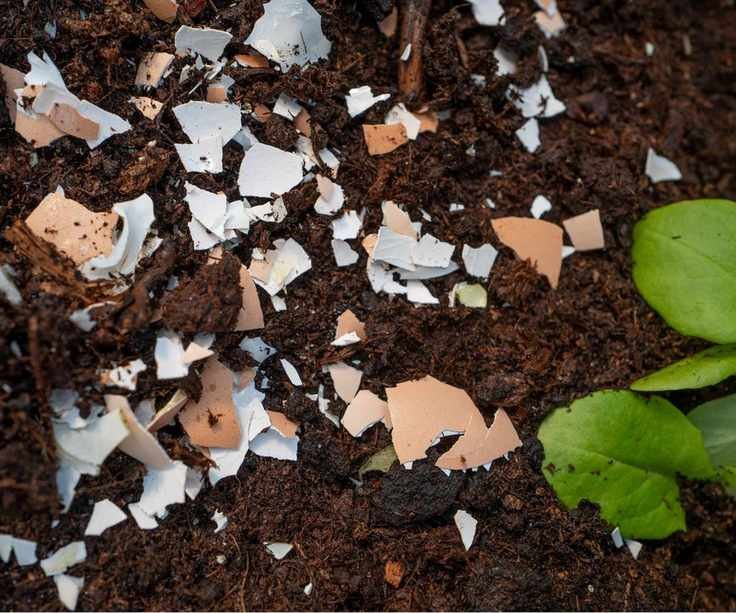
Eggshells can be surprisingly beneficial for plants, especially tomatoes. They provide essential nutrients, with calcium being particularly useful in preventing blossom end rot.
This nutritional disorder stems from calcium deficiency, and incorporating eggshells can help ensure a plentiful tomato harvest with fewer damaged fruits.
Gardening expert Tony O'Neill recommends crushing eggshells into a fine powder and sprinkling it around your tomato plants.
Banana Peel Fertilizer

Using banana peels as fertilizer may sound unusual, but it effectively utilizes kitchen waste in the garden and can significantly benefit your tomatoes.
Banana peels are rich in potassium, along with phosphorus, magnesium, and calcium. Since potassium is vital for promoting flowering and fruiting, banana peels are particularly advantageous for fruit-bearing plants like tomatoes. Additionally, the calcium helps mitigate blossom end rot.
Chop banana peels into small pieces and bury them in the soil around your plants, or soak them in water to create a liquid fertilizer for watering.
Tony O'Neill shares, 'In my garden, I've noticed that using a combination of compost tea and banana peel fertilizer has greatly enhanced the health and yield of my tomato plants. These natural fertilizers are straightforward to prepare and offer a balanced nutrient profile that tomatoes love.'
Frequently Asked Questions
How long should I soak banana peels for tomato plants?
To make the most of banana peels' benefits, cut the peels into one or two-inch pieces and steep them in water for two to three days.
Are tea grounds beneficial for tomatoes?
Similarly to coffee grounds, tea grounds can also be advantageous for tomatoes. Remove them from the tea bag and allow them to dry before distributing them around the plant base and mixing them into the soil. Compostable tea bags can be added to your compost pile if you have them.
While fertilizing is crucial, be cautious not to over-fertilize your plants. Product labels typically provide recommended NPK ratios, but with homemade fertilizers, this can be trickier. Conduct thorough research and avoid applying undiluted comfrey or nettle fertilizers. Watch for signs of yellowing leaves or stunted growth, which may indicate over-fertilization.



