
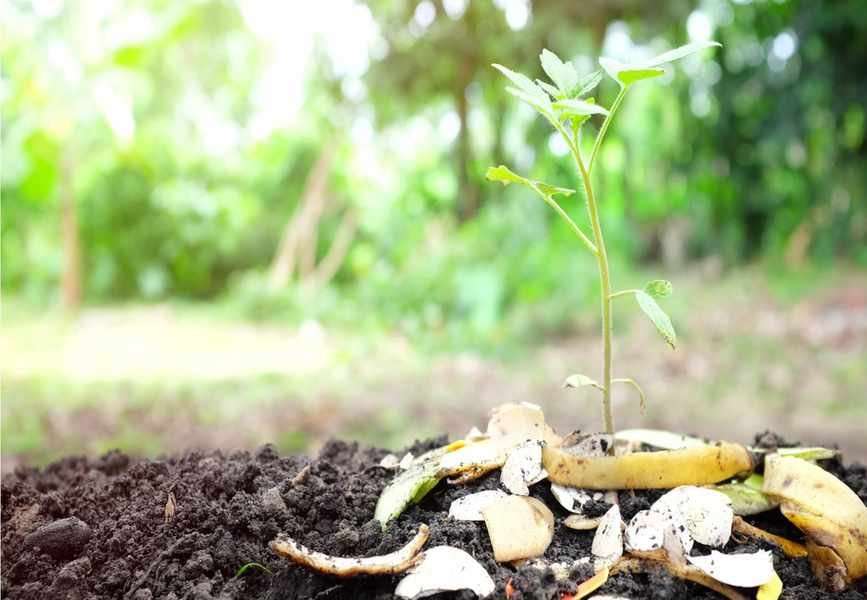
Many gardeners have tried composting with banana peels, but just how effective are they for plants?
When creating compost, it's crucial to use materials that nourish your plants, which is why banana peels are popular for their nutrient content. They are increasingly favored as a natural fertilizer.
We consulted experts about the advantages of banana peels for plant health and various methods to incorporate them into your garden.
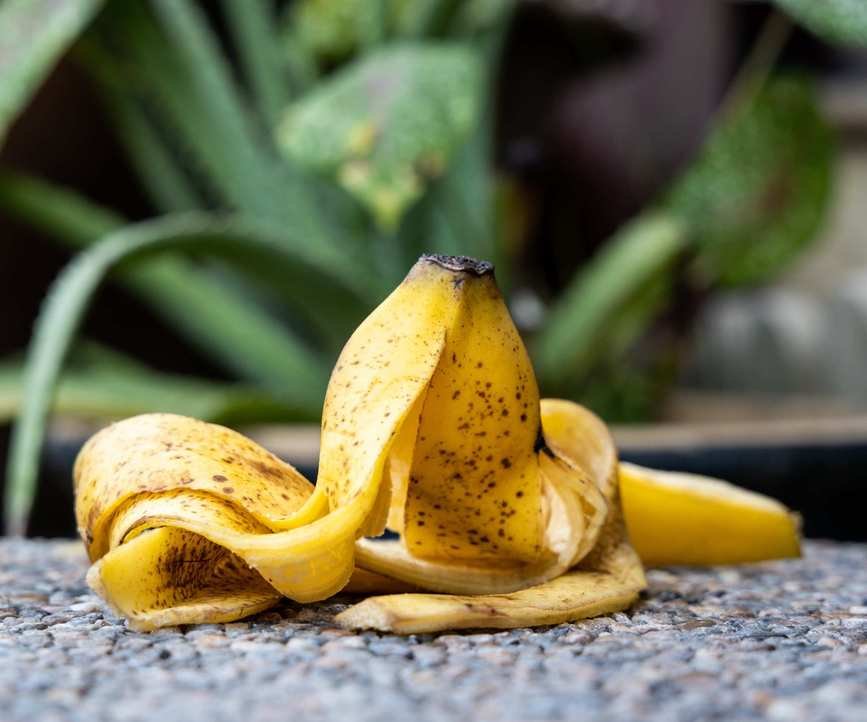
Do Banana Peels Benefit Plants?
Bananas are nutrient-rich, making them an essential part of a healthy diet. But do banana peels also benefit your plants? Experts explain their value in gardening and how to use them effectively.
"Banana peels are great for plants that require potassium," shares Sally Allsop, founder of a gardening website.
Potassium is vital for plant growth, enhancing their ability to retain water and making them more drought-resistant. Without enough potassium, plants may develop discoloration.
According to Julie Bawden Davis, a plant specialist, banana peels also provide magnesium, phosphorus, and calcium. Phosphorus supports cell division and new growth, another essential nutrient for plants.
Fertilizer labels often indicate the ratios of potassium (K), phosphorus (P), and nitrogen (N), which is why banana peels are a favorite among home gardeners crafting their own fertilizers and compost.
However, it's important to note that you can't solely depend on banana peels for nutrients, as they take time to decompose. Still, repurposing kitchen scraps like banana peels is an eco-friendly way to boost your garden.

Using Banana Peels in Your Garden

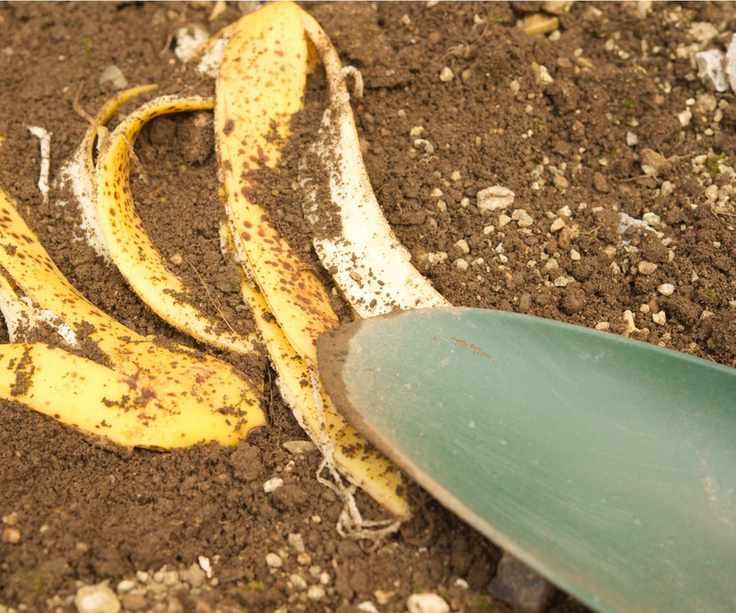
The simplest way to utilize banana peels in your garden is by adding them to your compost pile.
"Banana peels take a while to break down in soil, so composting is more effective," explains Julie.
You can add banana peels directly to a compost bin or through a wormery for composting.
Another popular method is soaking banana peels in water and using the liquid to nourish plants.
"Put the leftover peels in fresh water for a couple of days to create a fantastic fertilizer for tomatoes, chilies, peppers, and especially roses," says Sally.
Experts caution about potential issues with this approach.
"I tried making banana peel tea by soaking them in rainwater for two to three days for my pothos plant, but it attracted many pests like fungus gnats," notes Sarah Warner, an organic gardening expert.
Stylish Compost Bins to Consider
Kitchen Compost Bin
This kitchen compost bin attaches neatly to cupboards, allowing easy disposal of food scraps.
Electric Kitchen Waste Composter
This innovative kitchen composter converts food waste into nutrient-rich organic fertilizer using high-temperature drying, grinding, and cooling methods.
Countertop Compost Bin
Crafted from eco-friendly recycled materials, this elegant compost bin features a ventilated lid and a charcoal filter to minimize odors.
Frequently Asked Questions
Can You Use Banana Peels for Indoor Plants?
Yes, banana peels can benefit houseplants by adding nutrients. However, they may take time to decompose, which could lead to unpleasant odors in your home.
While you can water indoor plants with banana peel-infused water, it's not the most effective method. Many houseplant owners also use banana peels to clean leaves, enhancing their glossy appearance while reducing dust.
Banana peels offer advantages in the garden, but they shouldn't be the sole source of nutrients for your plants. Consider varying compost ingredients to provide a range of nutrients for optimal plant health.



