
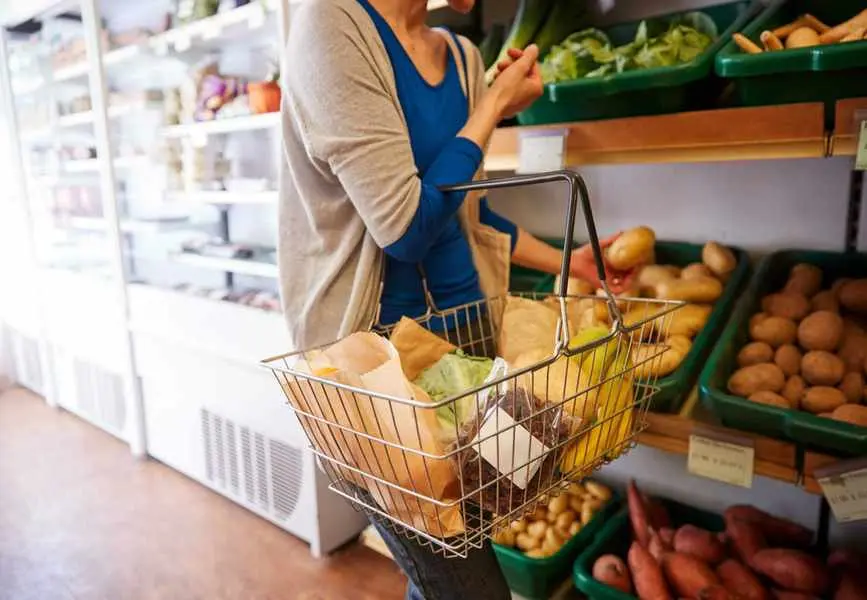
Yes, food prices have risen, but there are effective swaps to help lower your grocery expenses.
Recent shoppers have felt the sting of rising costs, with inflation averaging 7.1% over the past year. For instance, egg prices have soared by almost 50% year over year due to factors like increased feed and transport costs. As families look for ways to cut back, many are rethinking their grocery shopping strategies. (Check out 7 affordable breakfast options that don’t involve eggs!)
Before you hit the grocery aisles, consider a few savvy strategies. Create a shopping list to avoid unnecessary purchases and visit the most budget-friendly stores first. Start at a dollar store, then explore places like Aldi, followed by Walmart or Trader Joe’s. Whatever essentials you can’t find at a discount can be picked up later at a traditional grocery store. This method maximizes savings on staples.
Now, let’s explore some practical food swaps to incorporate into your shopping routine!
Utilize Your Pantry Instead of Ordering Out
Before resorting to takeout, check your pantry for ingredients. If you have canned beans, salad dressings, and pasta, whip up a pasta salad! Or with canned tuna or chicken, create a protein-rich salad or dip. Unsure what to make? Search online with your ingredients for recipe ideas. You could end up needing to buy very little. Less waste plus more savings equals a budgeting victory!
Identify What’s Worth Buying Organic
With rising grocery costs, many may think organic isn’t worth it right now. However, if organic is important to you, consider this: produce that you peel is generally lower in pesticides, so conventional options are fine. Think mangoes, bananas, and even potatoes if you won’t eat the skin. For items like strawberries or grapes, organic might be a better choice as they often top the “dirty dozen” list for pesticide residue. Check out the dirty dozen for produce with high pesticide exposure, and the “clean fifteen” for safer conventional picks.
Opt for Heads of Lettuce Instead of Pre-Packaged Salad
Pre-made salads can cost up to $8.50 at Costco, while a head of lettuce ranges from $2-$3. Pair your lettuce with cheap fresh veggies like carrots, tomatoes, and cucumbers, and you’ll have a much larger salad for less. This is also a great substitute for that $18 takeout salad from your favorite salad chains.
Choose Frozen Produce
Frozen fruits and veggies are just as nutritious as fresh ones and often cost up to $2 less. A bag of frozen bell peppers can last much longer than fresh counterparts that may spoil quickly, making them ideal for stir-fries or pasta dishes.
Go for Rotisserie Chicken Instead of Fried Chicken
While a 12-piece bucket from KFC costs $33.99, a rotisserie chicken at Costco is just about $4.99. Even buying two rotisserie chickens is significantly cheaper and healthier, saving you over $20.
Grate Your Own Cheese and Slice Your Veggies
Shredded cheese may be convenient, but it often costs $5.00, whereas an 8-ounce block typically sells for $3 or $4. Grating your own can save you at least a dollar each time. Freshly grated cheese also tastes better!
It’s not just cheese; pre-cut carrots can be pricier than whole ones as well. Two pounds of whole carrots can save you an average of $6 compared to pre-cut options. Yes, it takes a little time to chop, but the savings are worth it!
Make Use of Bulk Bins
Before grabbing packaged nuts or canned beans, check out the bulk bins at your grocery store. These bins usually contain raw nuts, dried beans, and lentils. For instance, a pound of beans at Sprouts Market costs $2.29, equating to 3-4 cans priced at $1.39 each. Shopping in bulk means saving more while getting more for your money.
Prepare Your Coffee at Home
Many personal finance experts emphasize the expense of your morning coffee. While giving up your favorite café drink won’t buy you a house, it’s important to acknowledge your finances. A 25.9 oz container of Folgers coffee costs about $12 and makes around 240 cups, averaging just 5 cents per cup. Meanwhile, a tall Starbucks coffee costs about $3. Over 240 days, that adds up to $720 for Starbucks versus just $12 for Folgers. Consider making Starbucks a weekly treat rather than a daily habit!



