Exploring these lesser-known climbers feels like gaining insider knowledge from a landscape expert. These unassuming vines offer an intriguing alternative to the more popular choices like wisteria and Boston ivy, enriching our gardens and expanding our plant knowledge.
There's a climbing plant for nearly every need, whether you aim to cover a small arch, pergola, or an expansive wall. Assess your growing conditions, soil type, and moisture retention before selecting a plant. While adjustments can be made, choosing the right plant for the specific environment yields the best results.
Uncovering these hidden gems can spark creativity and lead to exciting new combinations of color and texture. Additionally, many of these plants attract pollinators and wildlife, enhancing your garden's health and supporting local ecosystems.
9 Climbing Plants to Discover
Ready to rethink your approach to climbing plants? We consulted experts to highlight their favorite unsung heroes and how they can elevate your outdoor space.
Rosa 'New Dawn'
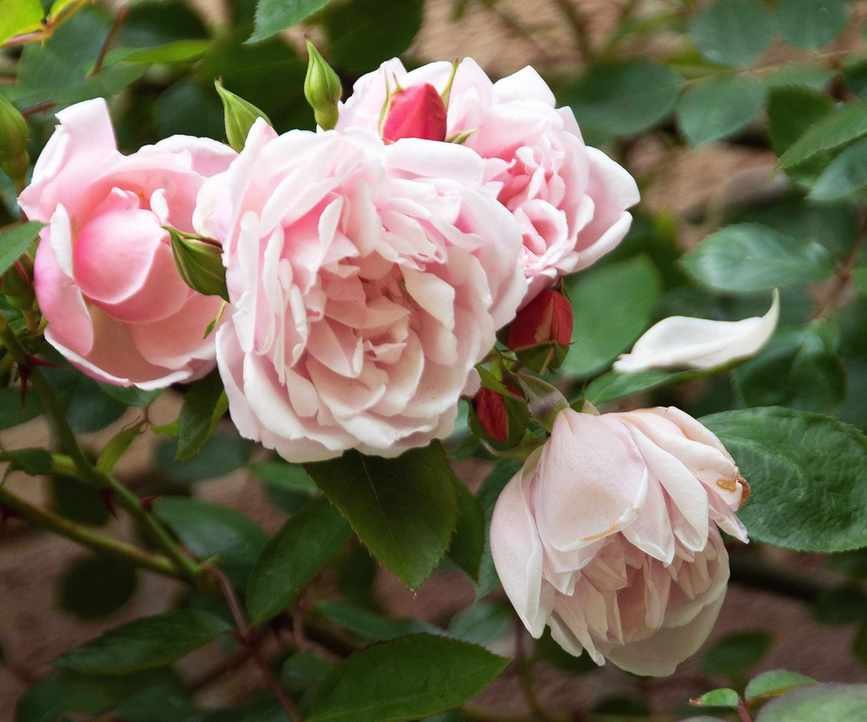
Rosa 'New Dawn' features soft pink blooms and a gentle fragrance, but it's incredibly resilient. As Kelly Funk notes, it's one of the toughest climbing roses, thriving in USDA Zone 5 and adapting to poor soils.
The glossy green leaves perfectly frame the delicate flowers, free from common issues like blackspot. This award-winning rose can reach 10ft (3.2m) high and 8ft (2.5m) wide, thriving in various soil types with either full sun or partial shade.
Its ability to rebloom throughout the season makes it a vital food source for pollinators. It's undoubtedly one of the best climbing roses available.

Kelly leads Jackson & Perkins, an esteemed online nursery established in 1872, known for its exceptional roses. Her passion for gardening enriches her expertise and leadership.
Virgins Bower Vine
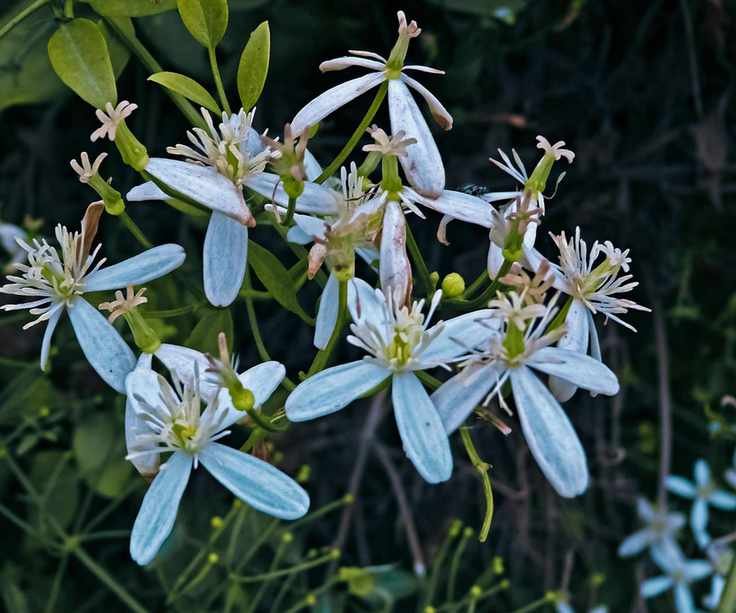
Clematis virginiana, or Virgins Bower Vine, is perfect for enhancing boundaries while supporting local wildlife. According to Mary Phillips, its dense growth offers excellent cover for birds and small animals.
With fragrant white blooms from July to September, this vine attracts numerous pollinators, and its fluffy seed heads provide winter food for birds. It grows 10-20' (3-6m) tall and 4-6' (1.2-1.8m) wide in moist to well-drained soil, thriving in USDA Zones 3-9.
Climbing Aster
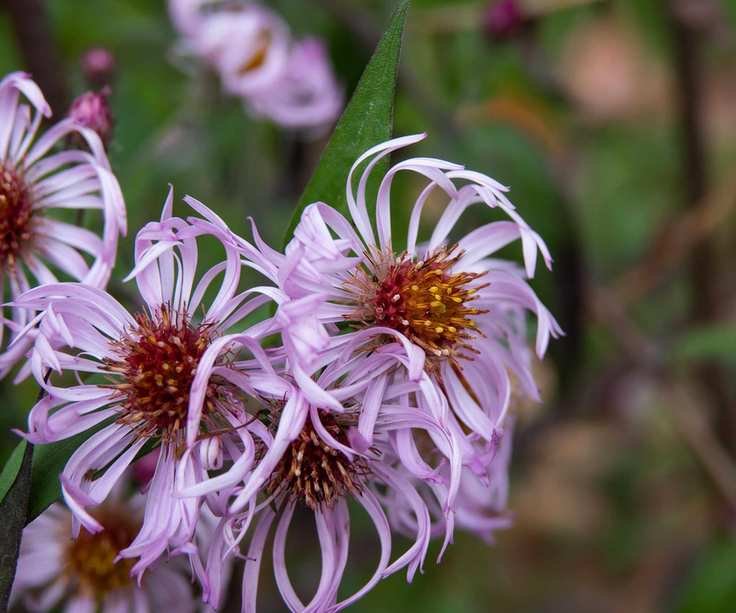
Aster carolinianus, known as Climbing Aster, blooms beautifully into fall. This gentle vine, which can also serve as ground cover, produces fragrant pink to purple flowers in September and October, making it an excellent choice for late-season nectar sources.
As noted by Mary Phillips, it supports monarch butterflies and native bees, adding ecological value. This climber can grow 6-12' (1.8-3.6m) tall and 3-6' (90cm-1.8m) wide in full sun, thriving in USDA Zones 6-9.
Hydrangea Petiolaris

Hydrangea Petiolaris, the climbing hydrangea, thrives in cooler, shaded areas. Although not as flashy as sun-loving varieties, its delicate white blooms and glossy foliage create an elegant summer display, with leaves turning yellow in fall.
This self-clinging climber can reach 39ft (12m) high and 26ft (8m) wide over 20 years, making it a long-term investment for USDA Zones 4-9, preferring moist, well-drained soil.
Coral Honeysuckle

Coral honeysuckle, or Lonicera sempervirens, dazzles with its trumpet-shaped pink-red flowers that attract hummingbirds. With a long blooming season from March to September, it also produces red berries in fall for local songbirds.
This climber can grow 10-20' (3-6m) tall and 3-9' (90cm-2.7m) wide in USDA Zones 4-9, favoring moist yet well-draining soil. It thrives in sun or partial shade.
Chocolate Vine
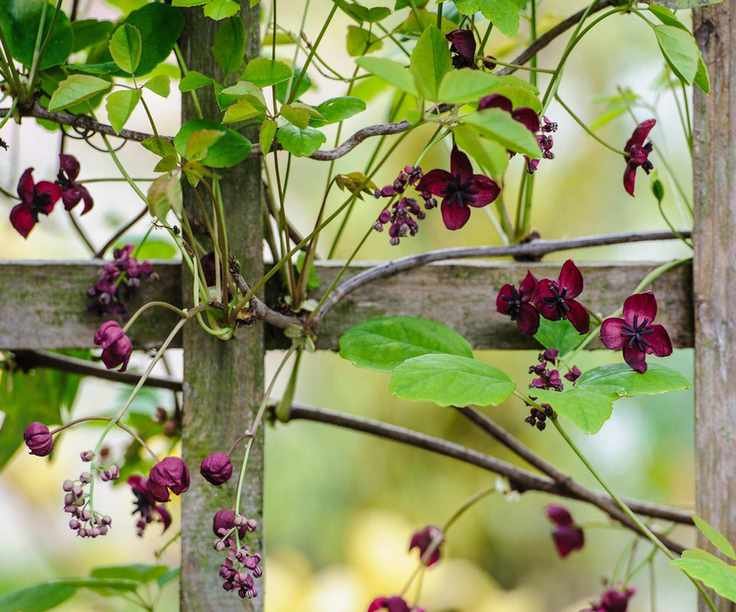
Akebia quinata, known as chocolate vine, is a fast-growing, pest-resistant climber. Its unique leaf shape and chocolate-purple blooms make it a standout choice for gardeners. As Stacilyn Feldman highlights, it has a fragrant scent reminiscent of chocolate and has been used in Eastern medicine.
This hardy perennial can grow up to 32ft (10m) tall and 6.5ft (2m) wide, thriving in USDA Zones 4-9 with minimal maintenance.
Crossvine
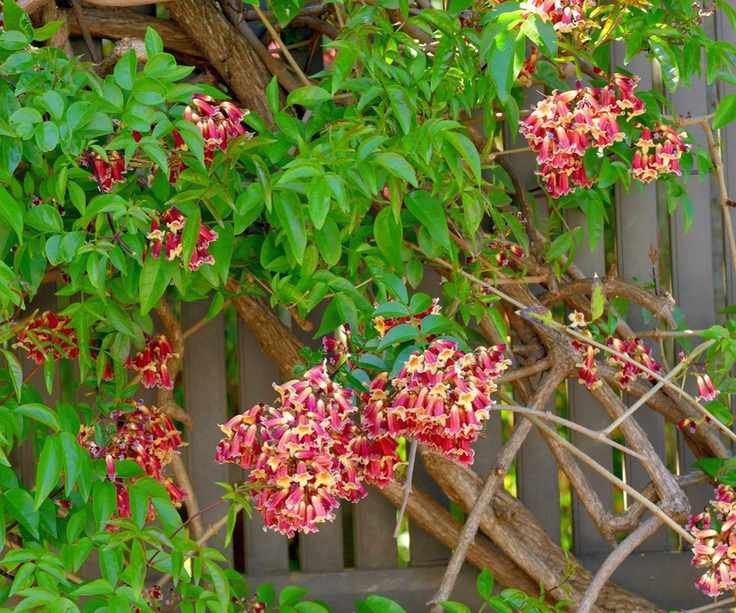
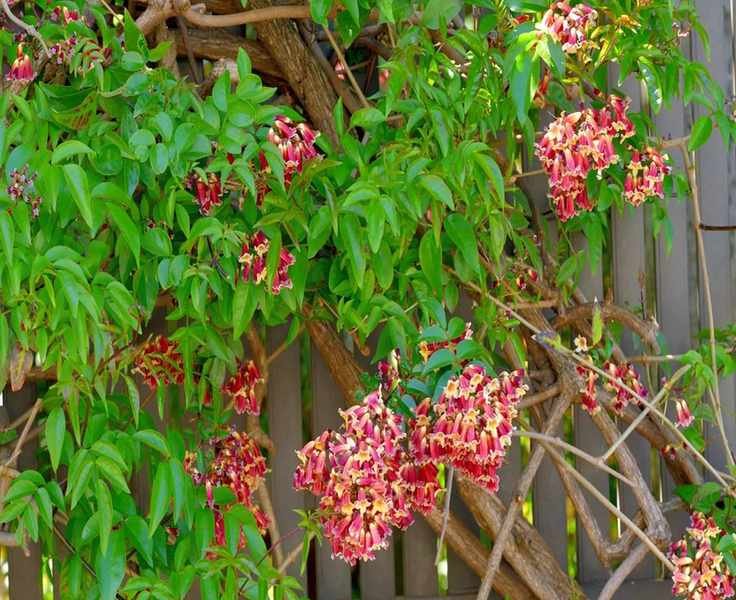
Bignonia capreolata, or Crossvine, is known for its abundant orange-scarlet blooms that last for weeks. Stacilyn Feldman describes it as a vibrant option for quick coverage, with trumpet-shaped flowers that attract hummingbirds.
This climber can reach an impressive 36ft (11m) and grows well in USDA Zones 6-9, preferring moist, well-draining soil in full to partial sun.
Hyacinth Bean

Lablab purpureus, the hyacinth bean, is not only beautiful but also edible. This twining perennial is known for its ornamental blooms and heart-shaped leaves, adding visual interest to gardens.
Though it requires careful cooking to eliminate toxins in its beans, it offers a unique and nutritious option for home gardeners. It grows 26ft (8m) high and 8ft (2.5m) wide in full sun, thriving in USDA Zones 10-11 as a perennial.
Variegated Kiwi Vine
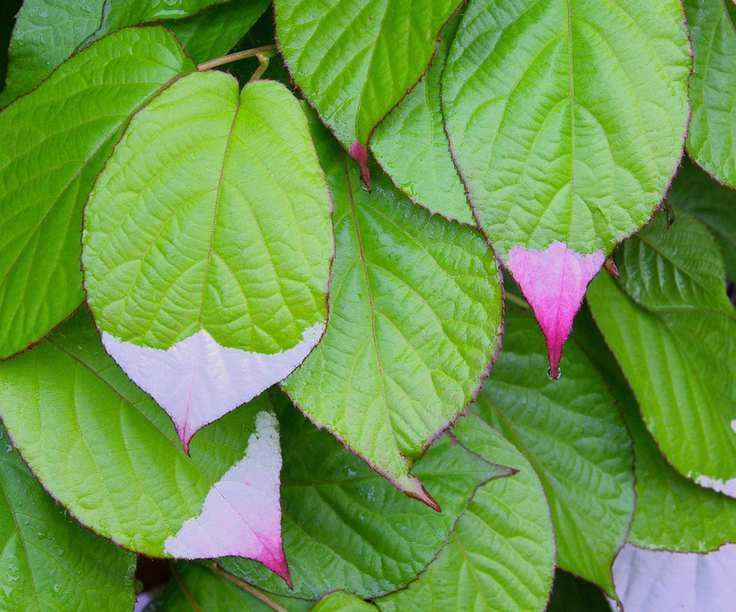
Actinidia kolomikta, the variegated kiwi vine, takes a few years to showcase its stunning colors, starting as lime green leaves. Once established, the spectacular white and pink splashes emerge, making it a striking addition to any garden.
It can grow 16ft (5m) tall and 13ft (4m) wide, preferring moist, well-drained soil. Hardy in USDA Zones 3-8, it produces fragrant flowers in early summer.
Climbing plants are invaluable in any garden, providing diverse flowers, foliage, and growth habits. Choosing the right climbers can enhance your space, making it essential to research and select the best options for your needs.