
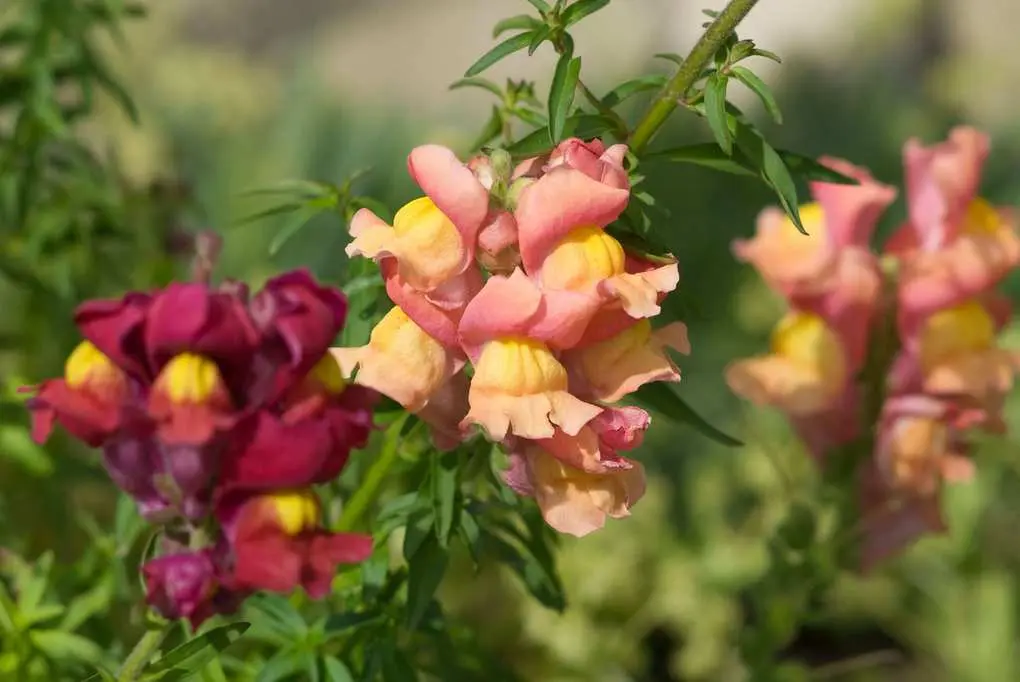
Growing snapdragons is a straightforward and rewarding approach to infusing your garden with vibrant colors. These flowers are quick to grow from seed and come in an array of hues, from crisp white to sunny yellow and deep maroon to soft pink-brown, allowing for a delightful mix in your garden.
Commonly referred to as antirrhinum, dog mouth, or lion's mouth, these unique blooms have become staples in cottage gardens. Known for their prolific flowering, they bloom cheerfully from early summer to late fall.
Steps for Growing Snapdragons
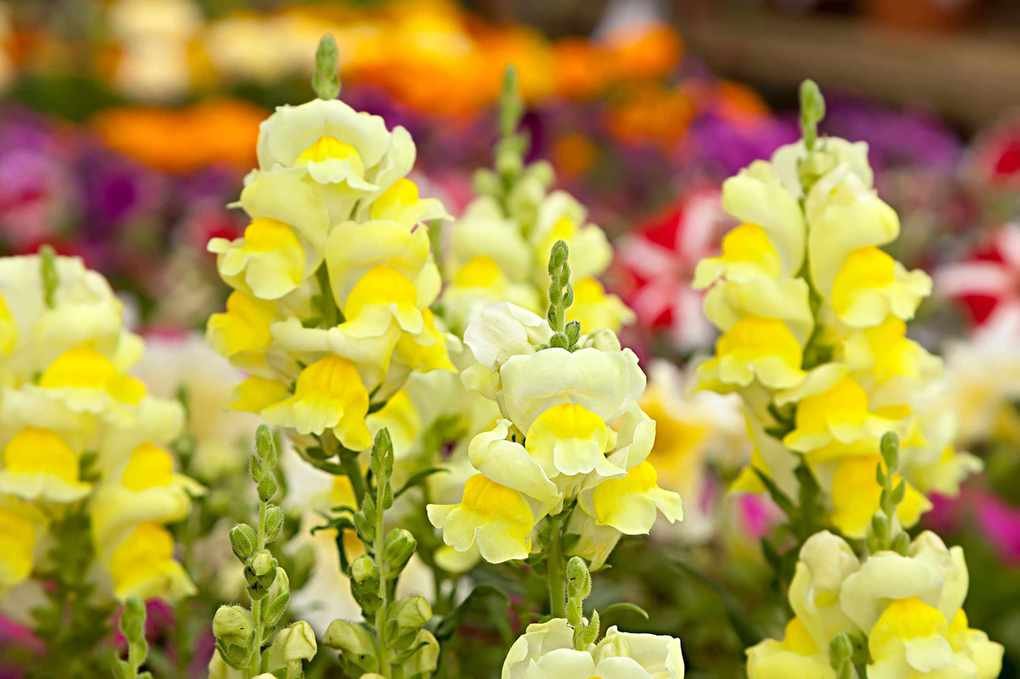
Snapdragons are relatively low-maintenance, making them excellent choices for flower beds. They can be cultivated as annuals or perennials, thriving best in full sun and well-drained, nutrient-rich soil.
With a wide variety to select from, snapdragons vary significantly in height. Dwarf varieties can be as short as 4 inches (10 cm), while taller options like the Rocket Hybrid can grow up to 36 inches (91 cm), creating a striking presence in any garden. Below, discover essential tips for growing, nurturing, and cutting snapdragons for indoor arrangements.
Sowing Snapdragons: Timing and Method
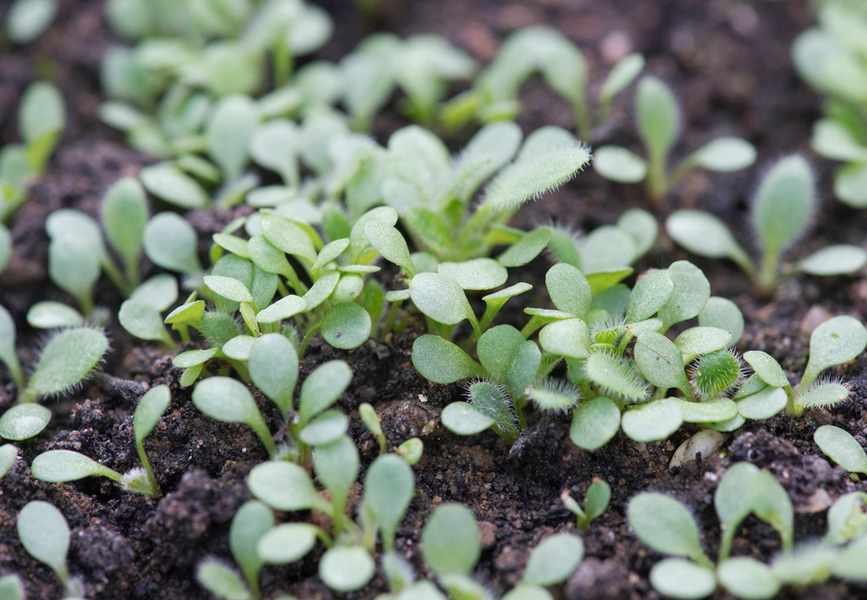
To sow snapdragon seeds, choose the fall or early spring. Use a covered tray on a sunny windowsill or in a greenhouse, and expect germination within 8 to 14 days. The ideal temperature for germination ranges from 61℉ to 64℉. Flower grower Lori Hernandez from Three Acre Farm in Michigan shares her technique: 'I place two seeds in each cell using a toothpick to pick them up. This method works wonderfully for tiny seeds like snapdragons and poppies.'
Lightly cover the seeds with soil and maintain a temperature of 65-75℉ (18-25℃) for germination.
Once the seedlings have developed one or two sturdy leaves, transfer each into its own pot and grow them in a sheltered outdoor location. For those planted in the fall, ensure they are placed in a very sheltered area. If planted in spring, wait until after the last frost to move them outdoors. The team at Jacksons Nurseries advises to 'Gradually acclimate plants to outdoor conditions over 2-3 weeks before planting out from April onward. Space plants about 10 inches (25 cm) apart.'
Planting Out Snapdragons
If you prefer not to start from seeds, you can purchase seedlings from nurseries or online. While you may have fewer options than with seeds, buying young plants can give your garden an earlier summer bloom. Cutting garden expert Sarah Raven suggests that 'Pinching out the growing tip encourages the plant to branch out, which is helpful if you're also cutting them for floral arrangements.'
Once the risk of frost has passed, plant your spring-bought seedlings in pots, planters, or garden borders. Prior to planting, soak the plants for about 20 minutes and prepare the soil by mixing in ample compost.
'Use empty pots to mark your planting spots, leaving around 12 inches (30 cm) between each plant,' Sarah advises. 'Dig holes that are deep and wide enough for the plant's crown to sit level with the soil surface. Fill in around each plant and gently firm the soil.'
Water the plants thoroughly once a week.
Are Snapdragons Perennials or Annuals?
Snapdragons can be cultivated as annuals, blooming for one season before dying, or as perennials, which die back in the fall and return in spring.
Regular deadheading, or removing spent flowers, prevents seed setting and encourages additional blooms.
It's also essential to note that plants may produce fewer flowers during hot weather but typically rebound with increased blooms in cooler temperatures.
Growing Snapdragons in Containers
Snapdragons are excellent for container gardening, providing a vibrant display whether planted alone or alongside other summer favorites.
Choose a spacious planter to allow roots plenty of room to grow. Larger containers require less frequent watering and promote robust, healthy plants. Place the container in a sunny yet sheltered area for weeks of stunning color.
Best Conditions for Growing Snapdragons
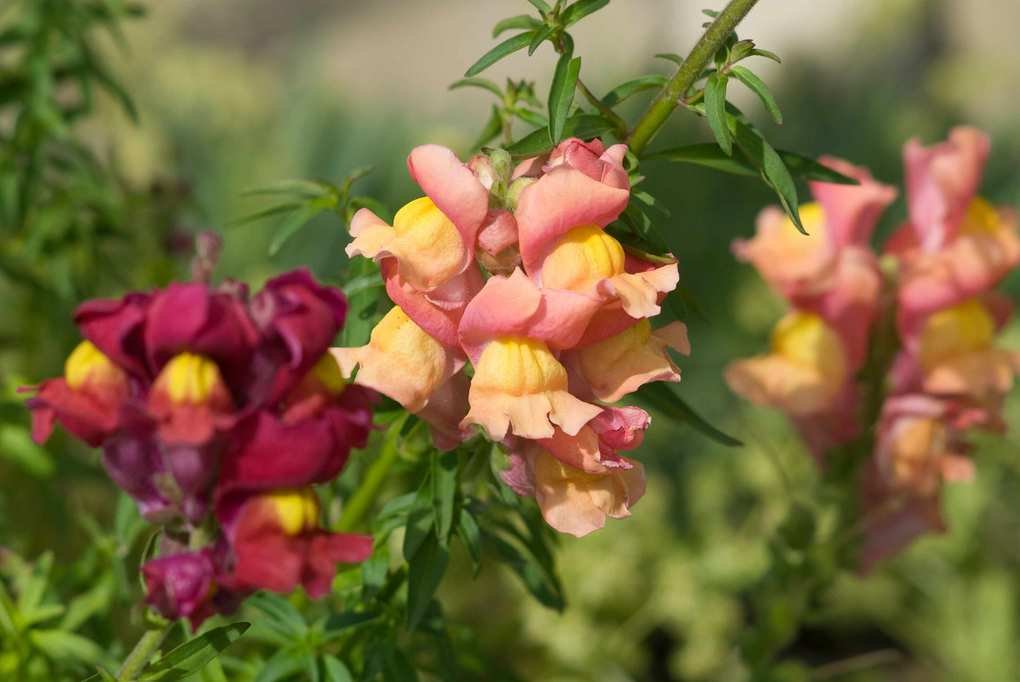
Originating from the Mediterranean, snapdragons thrive in sunny spots with well-draining, rich soil. Protect them from frost and strong winds to prevent damage to the stems, especially when they are heavily flowered.
Snapdragons as Cut Flowers
With their impressive flower spikes, snapdragons make excellent cut flowers that can be showcased indoors. Stems may grow up to 36 inches (91 cm) tall, creating a stunning effect when grouped in a vase.
To encourage strong, straight stems, staking is necessary. Support individual plants with bamboo stakes, metal plant supports, or utilize horizontal jute netting tied to canes or stakes along the edges of your cutting patch, allowing plants to grow upright through the netting.
When ready to pick snapdragons, Gordon Hanks from The National Cut Flower Center advises harvesting when '30% of the bottom florets are open, with two to three florets showing color.'
Lori from Three Acre Farm recommends varieties such as 'Madame Butterfly', 'Chantilly', 'Potomac series', and 'Rocket' for cutting and suggests 'always harvest during the cooler parts of the day – either morning or evening.' Immediately place stems in cool water to prolong their freshness.
For further tips on caring for your snapdragons and ensuring they flourish throughout the summer, consult our guide on maintaining blooming snapdragons.



