
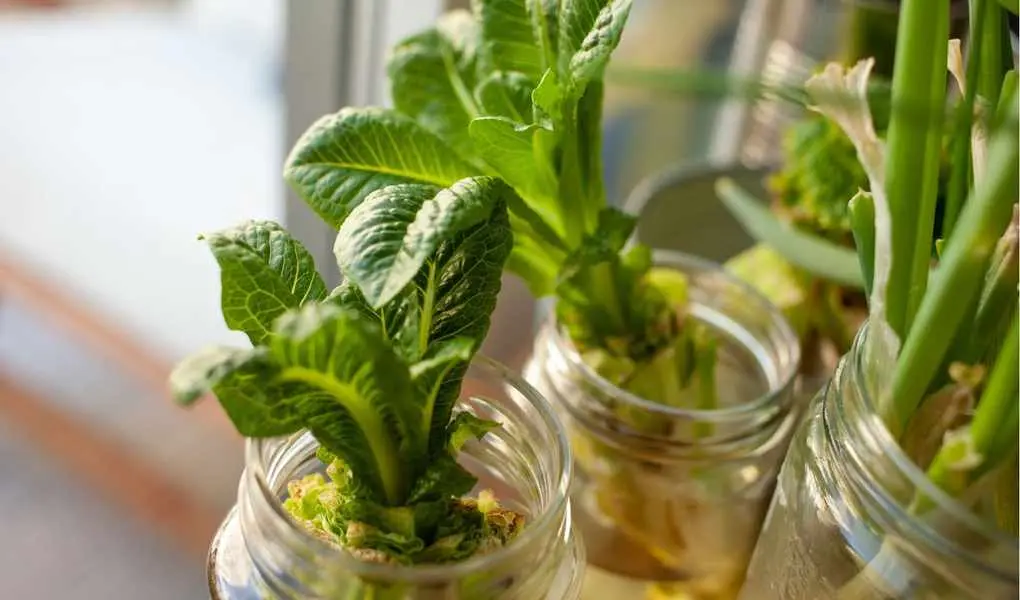
Hydroponic gardening presents numerous possibilities for indoor plant lovers. With water culture science, growing previously challenging crops indoors becomes a breeze.
However, one downside of hydroponics is the cost of commercially available systems. These setups often include water pumps, grow lights, and heaters, typically ranging from $60 to several hundred dollars.
If you want to explore hydroponic gardening without a hefty investment, I'm thrilled to share five effective and low-cost DIY hydroponic garden ideas.
5 Budget-Friendly DIY Hydroponic Garden Ideas
Hydroponic gardening involves growing plants in nutrient-rich water instead of soil. While several indoor growing systems are available for purchase, you can easily create your own using items around your home. Here are five ideas to inspire you:
1. Glass Jars

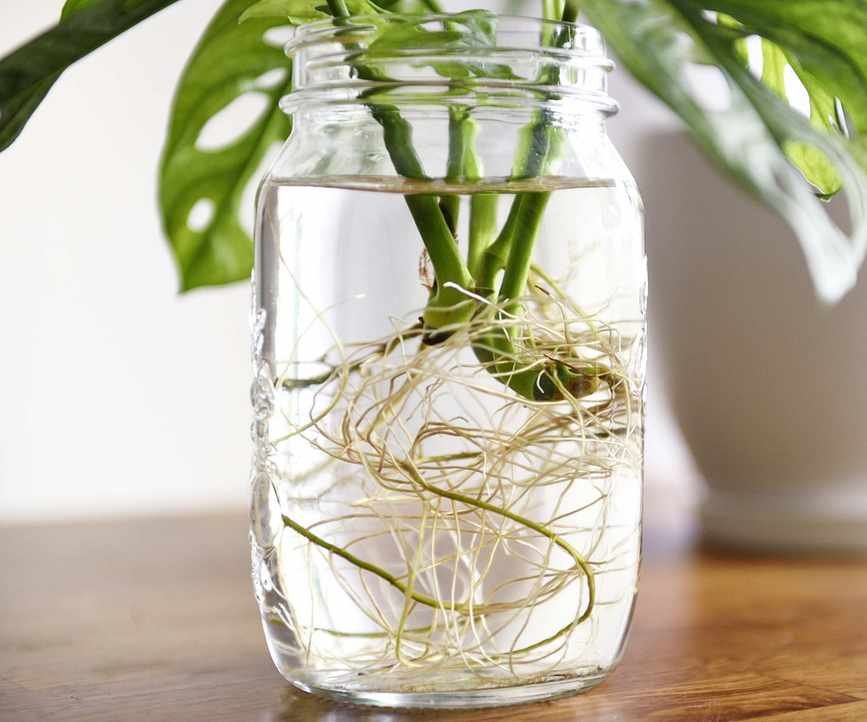
Glass jars are excellent for propagating easy-to-grow houseplants and cultivating an indoor herb garden.
Indoor plant expert Julie Bawden-Davis recommends, 'Glass jars are perfect for small hydroponic gardens. Change the water weekly and add a small amount of fertilizer monthly during spring and summer.'
Neglecting to change the water can expose your plants to pests and diseases, especially in DIY setups without filtration. Clear jars allow you to monitor water levels and cleanliness, aiding root observation.
During active growth seasons, adding fertilizer is essential for supplying nutrients that water alone cannot provide. For enhanced success, consider placing your jars on a heat mat (from Amazon) and using grow lights (from Amazon) above.

2. Styrofoam Boxes

Styrofoam boxes make for a great DIY hydroponic garden, especially for growing leafy greens like lettuce indoors.
Vegetable expert Annette Hird notes, 'These boxes are sturdy and provide a great way to repurpose what's often not recyclable.'
The box retains water and nutrient solution, and you can add an air stone (from Walmart) to keep the solution oxygenated. Modify the lid to float inside the box and cut round holes for net pots.
For planting, use rockwool (from Walmart) in the pots. Ensure your garden is warm and well-lit for optimal growth.

3. Plastic and Metal Buckets
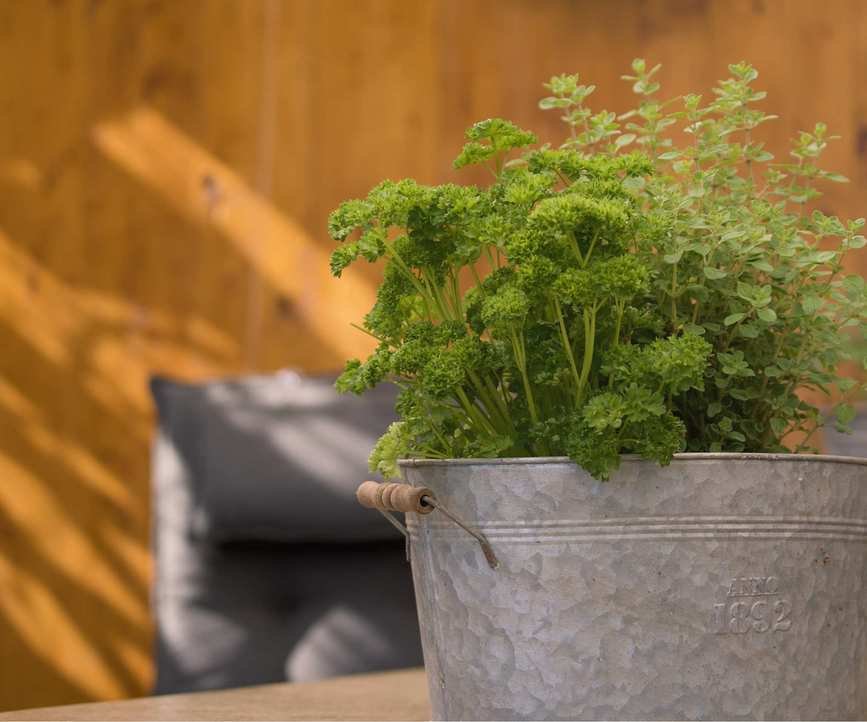
Repurposing plastic or metal buckets is a cost-effective DIY hydroponic garden option. 'This method works well for larger or multiple plants without needing a pump,' explains Alex Kantor, an indoor growing expert.
Fill a bucket with water and suspend net pots with plants, ensuring roots access oxygen. Clear buckets, like those available on Amazon, help you monitor root growth and water levels.
This setup suits vining plants, allowing enough space for growth and support with plant stakes (from Amazon) or a trellis.

4. Unused Aquariums
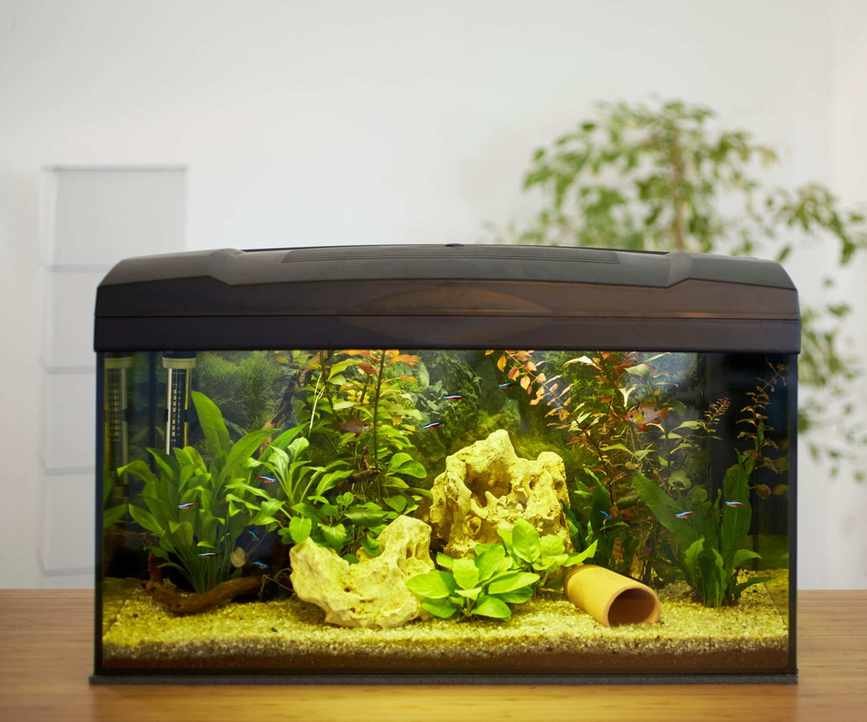
An old aquarium can be a fantastic hydroponic garden. 'Aquariums serve well for this purpose,' says Julie Bawden-Davis. You can add a small pump to clean and aerate the water.
Water pumps, like this pump from Amazon, are often less expensive than commercial hydroponic systems. Installing grow lights (from Amazon) will enhance your setup.
Using pH adjusters (from Amazon) is crucial based on the plants you choose. Remember to change the water every two to four weeks and use a hydroponic fertilizer.
5. PVC Pipes
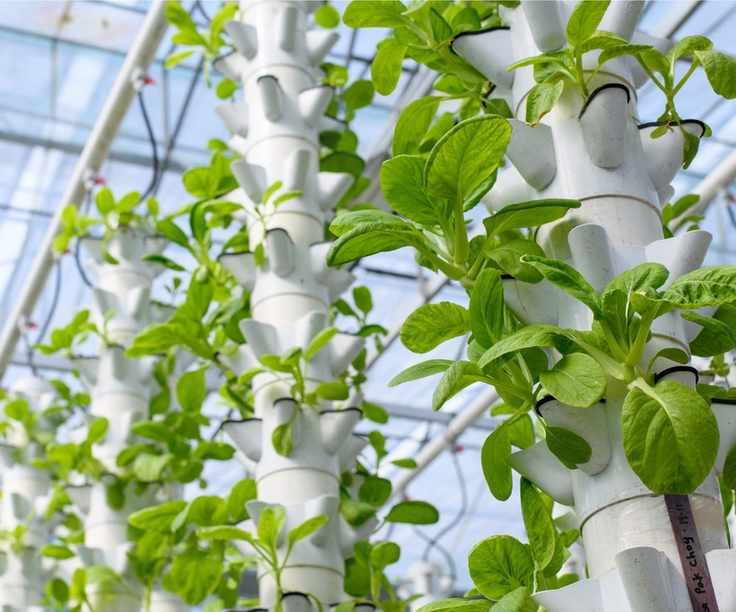
PVC pipes can create vertical hydroponic systems, suitable for both outdoor and indoor gardens.
'Drill holes in PVC pipes to insert plant containers and circulate nutrient-rich water with a submersible pump (from Amazon),' advises Alex.
Ensure even water distribution to all plants, and connect a reservoir container to manage excess water. This approach requires a bit more effort but results in a polished look, perfect for unique living wall ideas.
FAQs
Why isn't my DIY hydroponic garden thriving?
If your hydroponic garden struggles, it's often due to insufficient nutrients, as plants need more than just water to grow. Check your lighting, temperature, and remember to change the water regularly to prevent pests and diseases.
Can you grow houseplants hydroponically?
Many houseplants can thrive in hydroponic systems. You can successfully root cuttings in water, and some plants, like epiphytes, can live in water permanently. However, not all houseplants are suitable for hydroponics, so research specific needs.
With hydroponic gardening trending for the upcoming year, I'm eager to try these DIY setups. They offer an engaging way to grow plants in water affordably. Just stay attentive to the plant's needs and hydroponic best practices for a thriving garden.



