
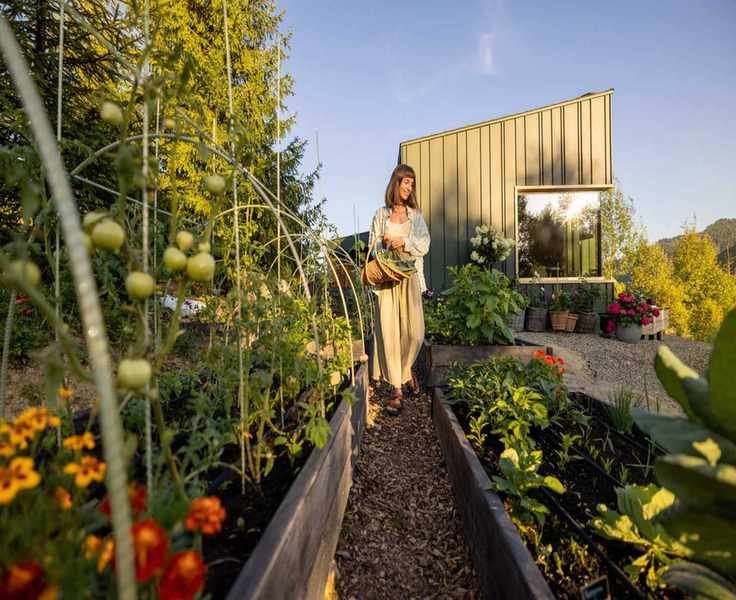
Ready, set, grow! Affordable gardening lets you cultivate fresh veggies, herbs, and beautiful flowers without overspending.
Enjoying fresh produce and vibrant blooms is a joy, but starting a garden can often feel costly and time-consuming. However, there are budget-friendly methods to embrace gardening.
Kofi Thomas, who runs a community initiative in Brooklyn called the Good Life Garden, is a self-taught gardening expert. He managed to create lush spaces even with limited area.
Initially, Thomas established a community garden in Bushwick to revitalize an empty lot and provide healthy food options. “We live in what’s called a food desert,” he shares. “Affordable, nutritious food is hard to find, but our immigrant community has a wealth of farming knowledge.”
What began as a project for fresh produce transformed into a community hub. “It turned into a healing space,” Thomas explains, “where people gather for celebrations and events. We also conduct workshops on self-sustaining food growth and its health benefits.”
Building a successful garden, as Thomas emphasizes, involves more than just tools. A thriving community played a crucial role in his garden's success. “I’m fortunate to live on a street with diverse generations and immigrants from the Caribbean, Africa, and Asia. Observing their farming techniques has taught me countless skills.”
At the Good Life Garden, crops like tomatoes, cucumbers, collard greens, and watermelon flourish, and food is distributed freely. Winter calls for different gardening tools and crops, focusing on hardier leafy greens, alongside a variety of herbs and flowers.
“Herbs hold cultural significance,” Thomas notes. “They are not only essential for flavoring but also serve as a medicinal resource, passed down through generations.”
Want to start your gardening journey? Here are Thomas’s tips to help you cultivate your own space.
Budget-Friendly Gardening Tips
- Before purchasing plants at a garden center, research whether they suit your local climate zone.
- Ensure that the plants you buy have a healthy root system.
- When selecting seedlings, inspect the containers; some may contain multiple seedlings for the same price.
- Connect with neighbors; they may have extra plants to share, or you can organize a gardening tool swap.
- Utilize community resources; tree-trimming services might offer free wood chips, and local farms or gardens may have surplus soil and seedlings.
- Collaborate with nearby gardeners to share purchases and harvests.
Apartment Gardening Tips
- Know if your plants require pollination; if so, they may need to be outdoors.
- Microgreens are a fantastic, healthy option for apartments; they regrow quickly after harvesting.
- Check your indoor plants for pests like aphids. Use neem oil or soap sprays. If infestations persist, remove the plants from their soil, clean them, and repot in fresh soil.
- Repurpose items like glass jars as creative plant holders for your windowsill.
Thomas believes that gardening across cultures fosters not only skill-sharing but also introduces new food experiences. “When people encounter unfamiliar fruits, it ignites excitement,” he states. “It encourages curiosity.”
Growing your own food in unexpected urban areas like Brooklyn can save money and yield fresher, tastier produce. “If food supply issues arise, we become less vulnerable,” he explains. “Accessing healthier options can combat community health issues like diabetes and heart disease. Better eating habits can boost energy, happiness, and foster social connections, as neighbors share and interact.”



