
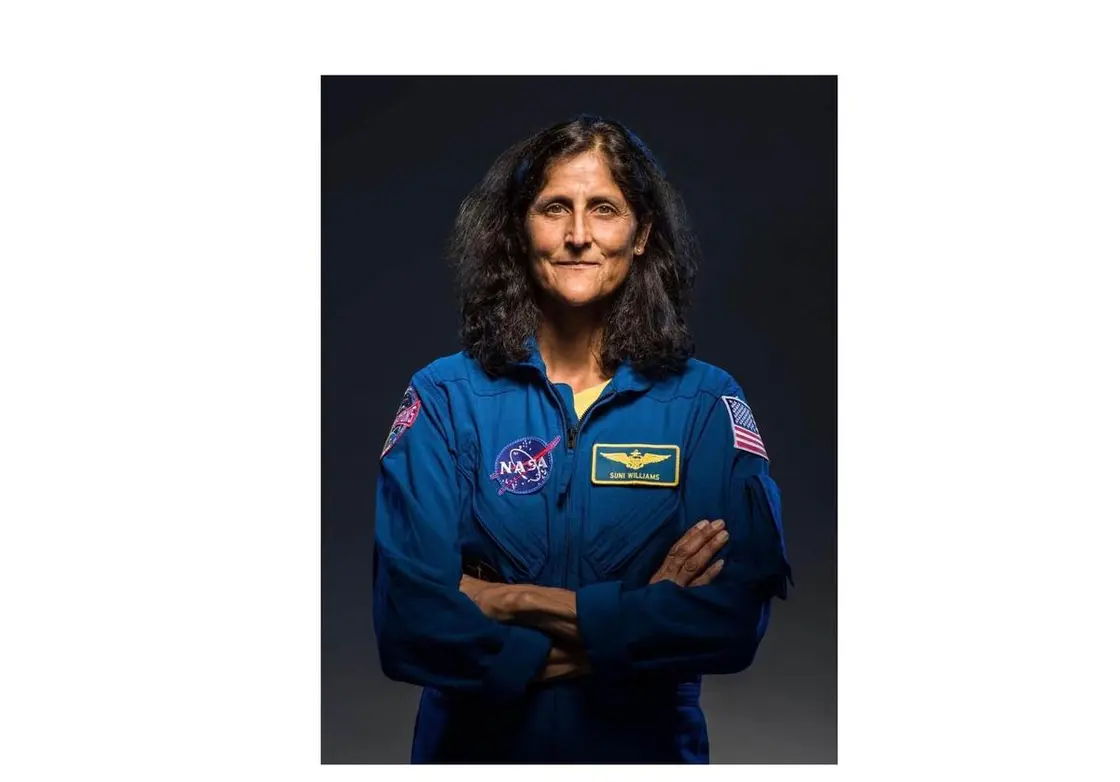
Sunita Williams discusses her experiences as an astronaut and test pilot, highlighting how she tackled unexpected challenges in space.
Plans went awry.
In space, the stakes are immense.
For astronauts Sunita Williams and Butch Wilmore, it culminated in an unforeseen 286-day sojourn in space that captured global attention.
Facing Challenges Head-On
In June 2024, during a test flight of the Boeing Starliner, Williams and Wilmore encountered a critical failure of five thrusters, jeopardizing their navigation. The situation was serious enough that protocol required them to abort the docking.
However, Williams and Wilmore opted for manual control, with guidance from NASA mission control. “We knew this was a precarious situation,” Williams recalled. “But we couldn’t just sit back and do nothing. We had to engage with the spacecraft and steer it back on course.”
Turning a Setback into an Opportunity
Eventually, they docked with the ISS, but the Starliner's safety was still uncertain. Consequently, NASA decided to return the Starliner safely to Earth without crew, leaving Williams and Wilmore aboard the ISS until another spacecraft could rescue them.
That rescue took 286 days.
A planned eight-day mission morphed into nine months. While many viewed the situation as being “stranded,” Williams embraced the detour as a chance for growth.
“I love being in space, so it’s a thrill,” Williams stated. After NASA’s announcement, she was eager about the new possibilities. “Once that was decided, it was clear: we’re part of the next expedition… let’s make the best of it.”
Preparedness for Critical Situations
While scenarios like the Starliner’s docking troubles could be straight out of a movie, Williams emphasized that real-world problem-solving is systematic and cooperative.
“In those moments, especially as an astronaut and test pilot, you understand the inherent risks. You prepare as best as you can to be well-informed,” she explained.
Teamwork is crucial. “Decisions aren’t made by a single person. Trust within the team is vital, as they have more data on the ground than we do in the cockpit,” Williams noted.
Years of experience have honed Williams and Wilmore's ability to remain composed and focused when faced with unforeseen challenges. “It’s a learned skill. Both of us are seasoned test pilots with a wealth of experience,” Williams added.
A Career of Unexpected Turns
For Sunita Williams, unexpected shifts have shaped her remarkable journey.
Initially aspiring to be a veterinarian, she faced setbacks in school admissions. Her brother Jay, a US Naval Academy student, encouraged her to join him in Annapolis, where she competed in swimming.
“I loved the teamwork and discipline,” Williams reminisced, but she was disappointed not to be chosen for deep-sea diving due to limited slots for women. Instead, she trained with the Naval Aviation Training Command, where she intended to fly jets but was redirected to helicopters.
“My life has been filled with unforeseen moments,” she reflected on her ever-changing path. “It’s about maintaining a positive outlook, accepting what comes, and making the most of it.”
Her fascination with helicopters grew, leading a colleague to suggest her for the U.S. Naval Test Pilot School. Following her graduation, she returned as an instructor and later pursued the astronaut program, earning her Master’s degree to qualify.
In 1998, she was among 25 individuals selected for the astronaut class, one of just four women.
Empowering Others with Her Insights
Williams is eager to share her experiences, not only to inform young individuals about space exploration but also to encourage embracing unexpected paths.
“My top advice is to get out there and explore different opportunities,” she urges. At 17, she was unaware of the vast possibilities. “If you’re interested in something, give it a shot. If it doesn’t work out, that’s okay. Try something new.”
She emphasizes the value of accepting failure: “Don’t fear failure, as it reveals important insights. It may indicate a need for more effort or suggest that the path isn’t right for you.”
Upon returning to Earth in March 2025 after her extended mission, Williams was deeply moved by the kindness of strangers who expressed joy at her safe return. “I discovered that people are inherently good and care about one another,” she observed. “As humans, we genuinely care.”



