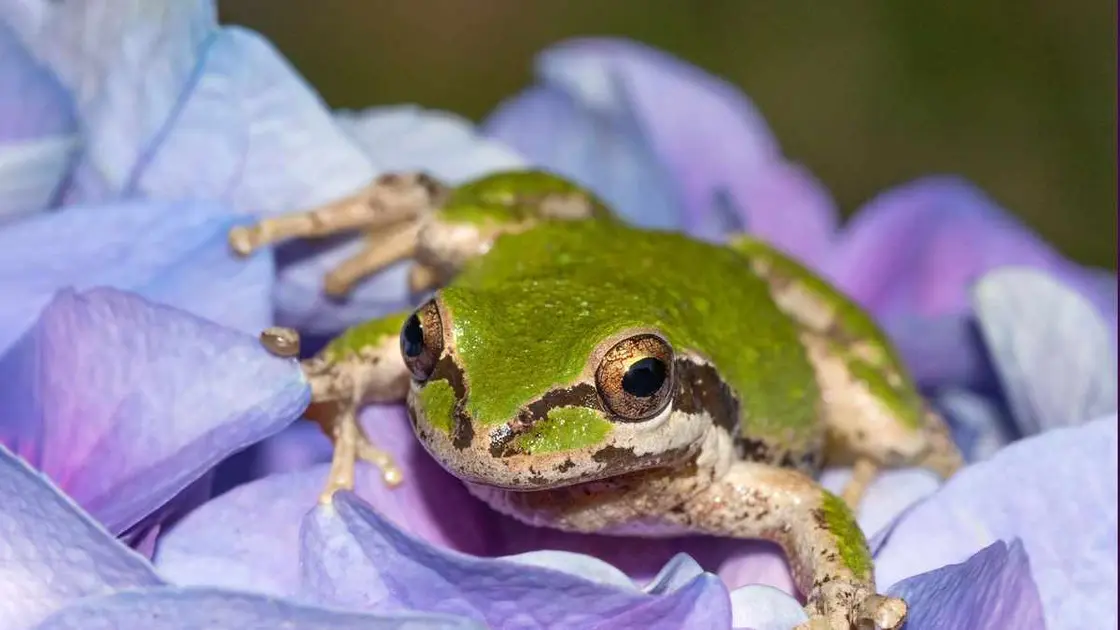
Frogs are enchanting animals that contribute significantly to a thriving ecosystem in your garden.
Similar to the benefits of drawing bees and ladybugs, frogs are vital too. Adult frogs and toads mainly feed on insects, devouring over 10,000 insects annually, including slugs, snails, mosquitoes, and caterpillars. This makes them excellent natural pest controllers.
If you want to turn your garden into a natural haven or are looking for eco-friendly ways to tackle pesky slugs, consider inviting frogs into your outdoor space this season.
Ways to Attract Frogs to Your Yard
By bringing frogs to your garden, you not only enrich the ecosystem but also aid in reversing their dwindling populations. Many people fill in garden ponds, leading to the loss of breeding habitats for frogs.
Use these expert tips to help entice frogs to your garden and enjoy their non-toxic pest control advantages.
Create a Pond or Water Source
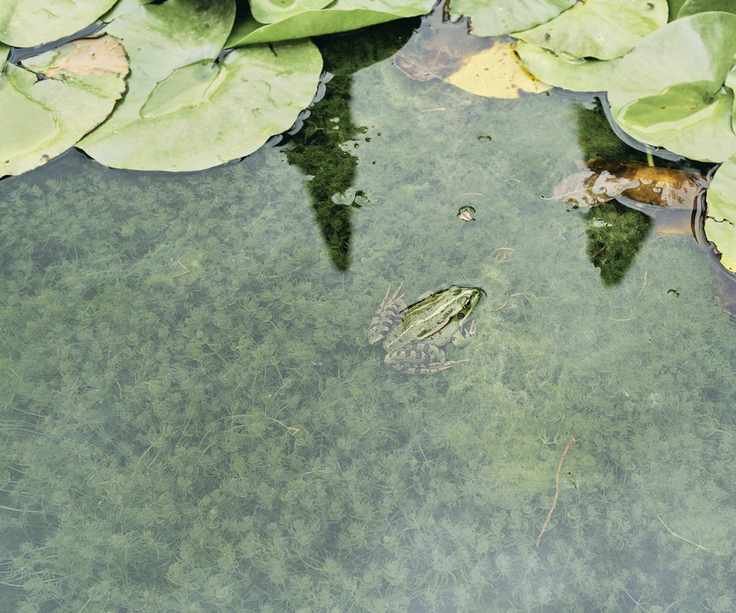
Providing water sources is one of the most effective ways to attract frogs. A garden pond is an excellent option. A shallow pond with rocks and logs offers a perfect resting spot for them.
If you don't have a pond, consider constructing one, or adding a fountain or small water feature. Water sources will draw insects, making the area more appealing to frogs.
Ben Team, a wildlife specialist, emphasizes that frogs require varying water depths, ideally with the deepest area around two feet. This variety supports frogs at all life stages.
Sometimes, an old container or birdbath can suffice—just keep it filled with fresh water to create a frog-friendly habitat.
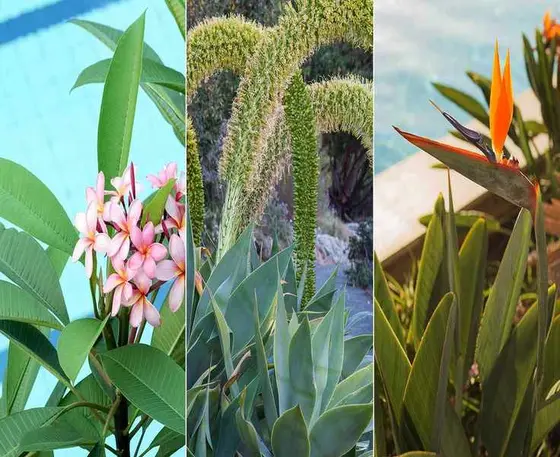
Surrounding the water source with lush vegetation like evergreen shrubs and ornamental grasses offers the humid, shaded spots frogs prefer during the day.

A dedicated environmental educator, Ben has guided countless nature hikes and authored numerous animal care books.
Offer Shelter for Frogs
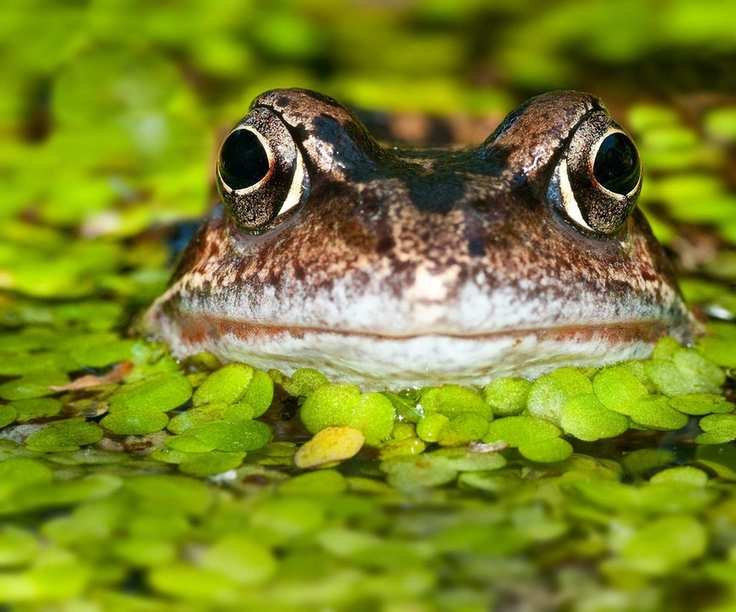
Providing various shelters is key to attracting frogs. Options include upturned terracotta pots, wooden boxes, and leaf piles.
Peter Gros, a wildlife expert, suggests that to create an effective frog shelter, you should partially bury it and fill it with damp leaves and sphagnum moss to mimic their preferred moist environments.
For winter, consider building a hibernaculum. Place old logs and rubble atop well-drained soil, such as organic potting soil and natural cedar shavings. Cover the hibernaculum with more soil to retain warmth during colder months.

Peter Gros has nearly three decades of experience in wildlife education and has been a part of wildlife programming for many years.
Steer Clear of Pesticides for Frog Safety
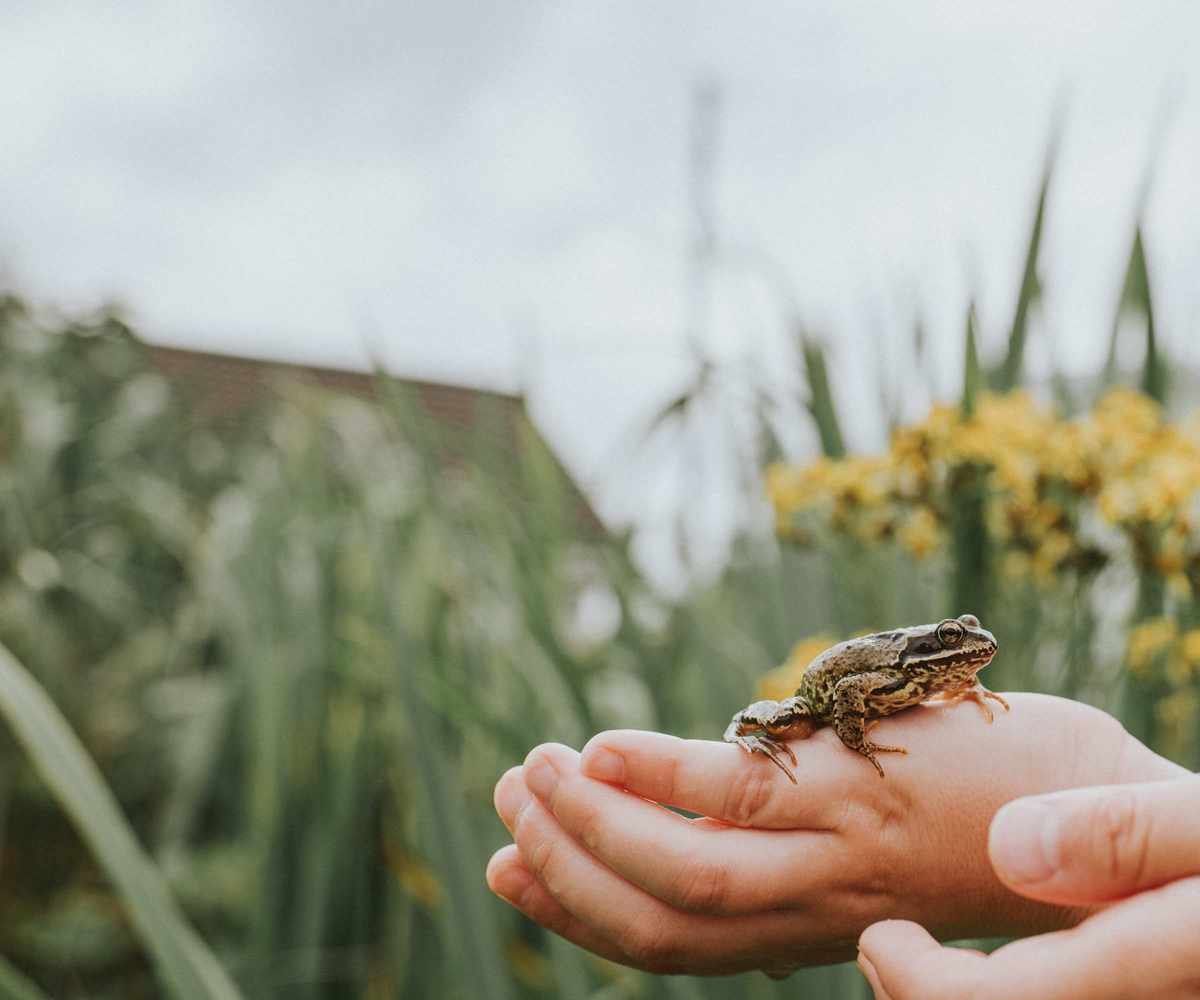
Avoiding chemical pesticides is crucial when trying to attract frogs to your garden. Instead, use natural compost, mulches, and fertilizers to maintain a frog-friendly environment.
If pests become a significant issue, consider a homemade bug spray using neem oil, like Verdana Organic neem oil, which can deter various pests while remaining safe for beneficial insects like butterflies and ladybugs.
Common Questions
Can Frogs Live in Your Yard Without a Pond?
While it may be more challenging to attract frogs without a pond, it is possible. Adult frogs often spend time away from water, especially during fall and winter, favoring sheltered locations until spring.
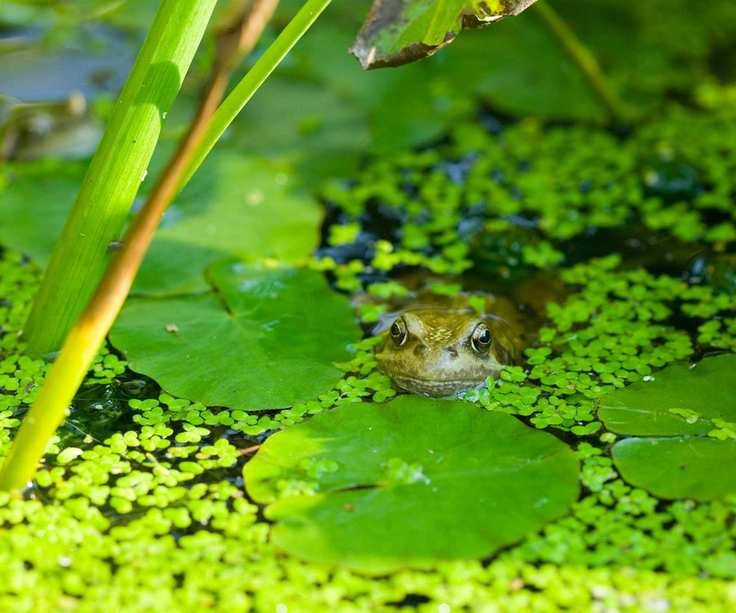
Incorporating specific plants can also aid in attracting frogs. Water lilies provide resting spots, while other pond plants like water lettuce and duckweed offer shade and protection from predators.
Lastly, be patient. It may take time for frogs to find your habitat and settle in.