
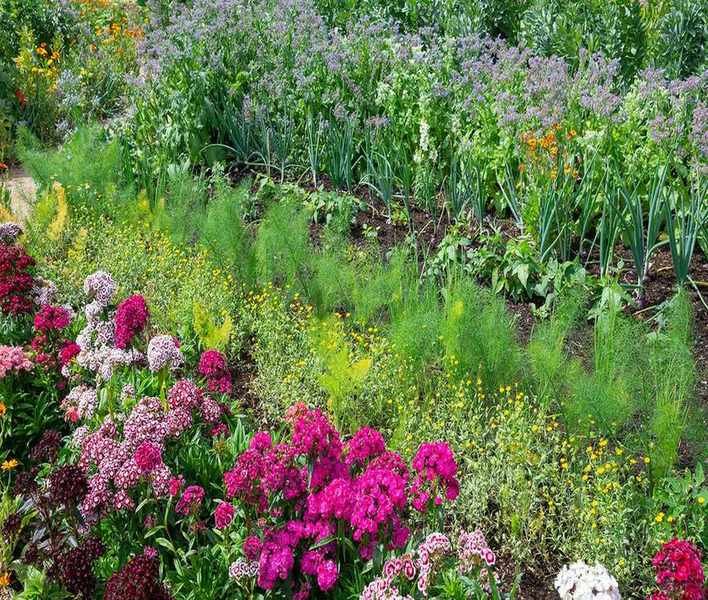
For centuries, garden ollas have provided an effective means of watering plants. These unglazed terracotta pots can sustain moisture for days, making them a fantastic solution for gardeners.
Ollas are typically buried in soil and gradually release water directly to the root zone, where plants need it most. For novice gardeners, determining the right watering schedule can be tricky, but this reliable irrigation method alleviates that concern.
I've witnessed the benefits of ollas in kitchen gardens, and as a former professional gardener, I've employed similar techniques in my vegetable garden at home. You can even create your own olla using just a few materials, making it easy to experiment with this ancient watering system.
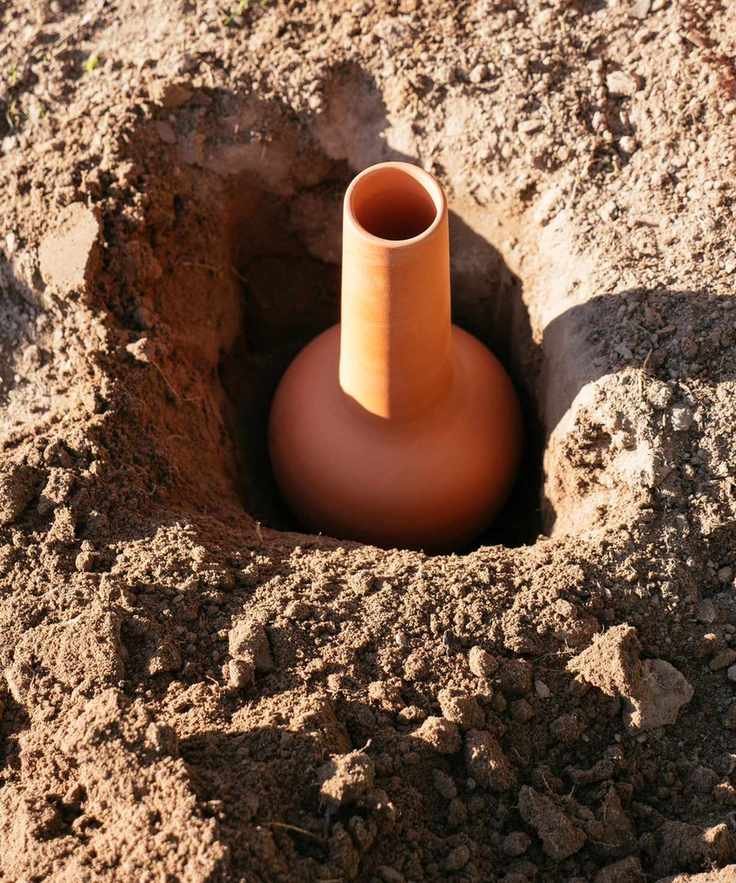
Terracotta ollas are buried, leaving only the neck visible.
What Are Garden Ollas?
Garden ollas are terracotta pots with narrow necks and bulbous bases, designed to serve as self-watering systems. Their porous, unglazed material allows water and air to flow through, enabling gradual moisture release to nearby plant roots.
This method shines particularly when watering during hot weather, as it effectively targets the root zone. Unlike traditional overhead watering, which often leads to evaporation and waste, ollas ensure moisture reaches the roots while promoting robust root systems.
Using an olla also reduces the frequency of watering sessions, making it a great choice for maintaining plants while you're away on vacation.
Village Decor Terracotta Water Dripper | $65 at Amazon
This terracotta olla waterer features a lid and a 1600ml reservoir, providing consistent moisture for up to five days.
How Does a Terracotta Olla Function?
The operation of a garden olla is based on soil moisture tension, which refers to the force required for roots to extract water from the soil. When the surrounding soil dries out, water is drawn through the olla's porous walls, making it accessible to plant roots. Conversely, when the soil is moist, water remains inside the olla, releasing only when necessary.
It's believed that plants within a foot of an olla can benefit from the moisture it releases, though effectiveness can vary depending on soil type. Factors such as soil composition, rainfall, and the olla's size impact how frequently you'll need to refill it, typically once or twice a week.
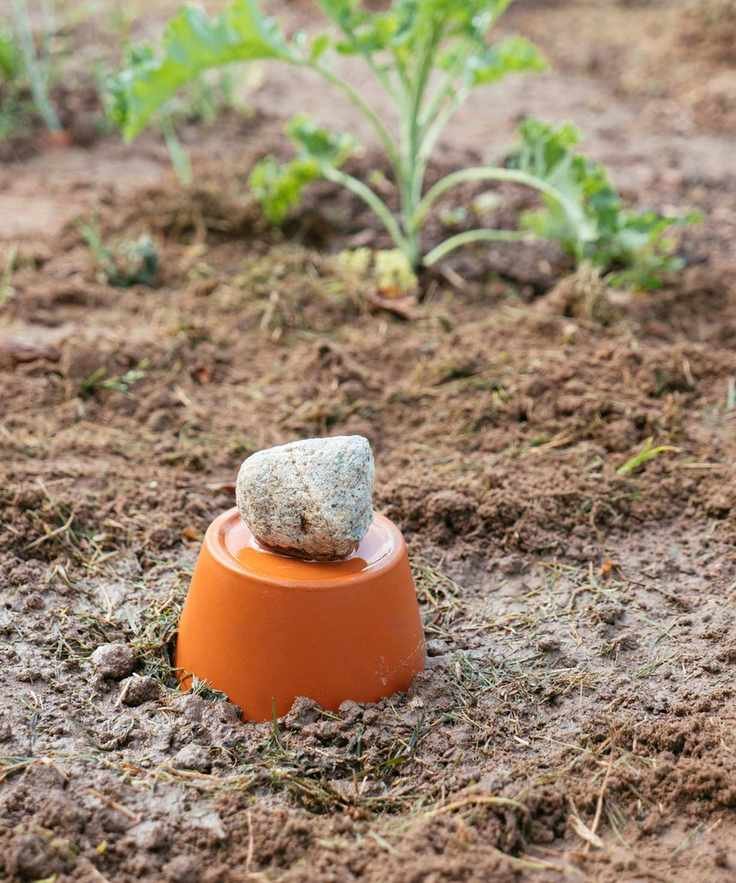
The porous terracotta allows water to seep into the surrounding soil.
Creating Your Own Garden Olla
You can buy ollas in various sizes, but making a DIY version is also quite straightforward.
To craft your own, you'll need an unglazed terracotta pot, a saucer, and a material to seal the drainage hole, such as a flat piece of clay, stone, cork, silicone, or mounting putty.
Once you bury the pot in your flower bed with the hole sealed, fill it with water and place a lid on top to keep out dirt and curious critters. Check the water level every few days and refill as necessary.
Alternatively, you can use two terracotta pots by sealing the hole of one and gluing the rims together. Fill the top pot and cover it with a stone for stability.
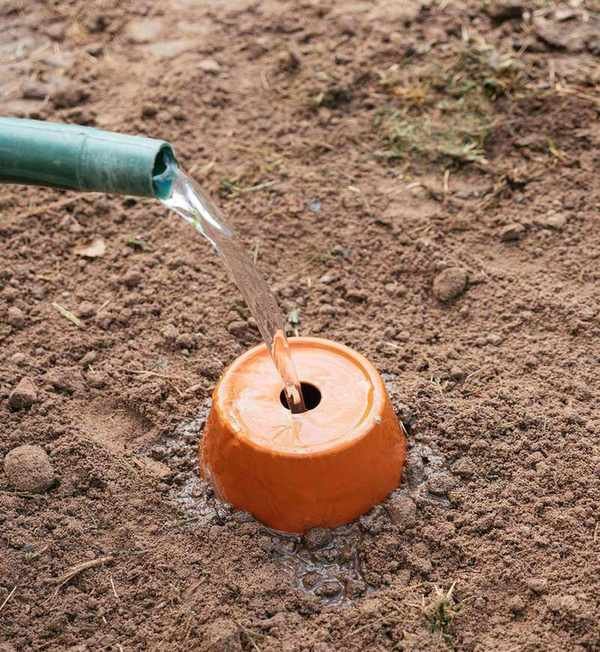
Fill a homemade olla through the top hole of the two terracotta pots.
Which Plants Benefit Most from Garden Ollas?
For centuries, garden ollas have been instrumental in irrigation, particularly for growing crops. They're especially suitable for plants with extensive root systems, such as tomatoes, chilies, squash, pumpkins, and zucchini, all of which require consistent moisture and nutrient availability.
Ollas are also beneficial for young trees, although they should be removed after the first year. While they can be effective in flower beds and borders, take care, as established woody shrubs may damage the terracotta in their quest for moisture.
In addition to garden beds, ollas can also be used for container plants, making them a versatile solution for various gardening scenarios.
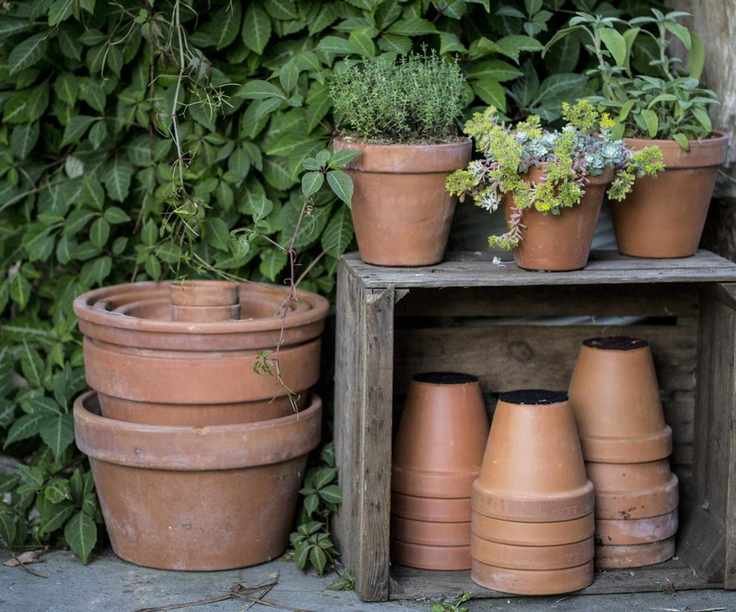
Terracotta pots can be transformed into homemade ollas.
Learning from the past can be incredibly valuable. Before modern irrigation systems, gardeners relied on techniques like ollas. As our summers become increasingly warm, this efficient watering method is likely to gain popularity among those seeking reliable ways to keep their plants hydrated.



