

As temperatures rise, plants can begin to wilt. Excessive heat, direct sunlight, insufficient shade, and inadequate watering can lead to yellowing leaves and drooping petals, derailing even the best garden plans.
To maintain a thriving garden during heatwaves, it might be tempting to turn on the sprinkler and soak everything. However, experts warn that overwatering can create more issues than it resolves.
We've compiled a list of common gardening pitfalls during heatwaves and what you can do instead to keep your garden looking lush and beautiful. Avoid these mistakes to protect your plants in hot weather.
Common Gardening Errors in Heatwaves: Expert Recommendations
Planning ahead with your garden design can help prevent heatwave challenges.
'People cherish their gardens and invest considerable time and money into their upkeep,' notes a gardening expert. 'Strategic planning can make a difference during scorching summers.'
'Think about the sun's path throughout the day and arrange your garden features accordingly,' the expert suggests. 'Create shaded play areas for kids in the afternoon and use mulch to keep flower and vegetable beds cool. Position your BBQ or outdoor kitchen in a sunny spot for evening grilling.'
When a heatwave strikes, it's easy to make snap decisions that may cause harm. Here's what not to do, along with better alternatives.
1. Leaving Containers in Direct Sunlight
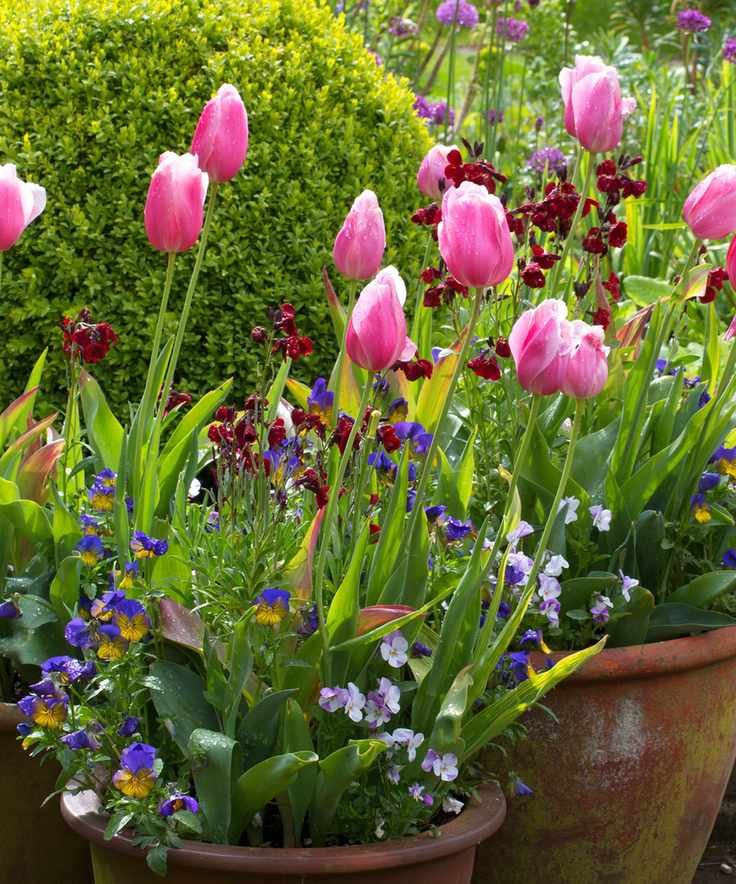
Container gardens filled with vibrant plants can be stunning focal points, but they are susceptible to heat damage. Fortunately, you can easily relocate them to a shaded area until the heat subsides.
'Direct sunlight can scorch leaves and cause flowers to drop,' warns a garden expert. 'If your plants are in pots, shift them to a cooler spot. For those in the ground, consider using a garden parasol for shade.'
2. Mowing the Lawn

The question of how frequently to mow can be perplexing, especially during a heatwave. The straightforward advice is to hold off!
'A short heatwave isn't problematic, so try not to worry,' suggests a lawn care expert. 'Extended heat can stress your lawn, turning grass yellow, though it may bounce back. If it becomes straw-like, it's dead.'
'Avoid mowing or feeding your lawn during a heatwave,' the expert advises. Feeding encourages grass to seek water, increasing stress. If you anticipate heat, mow beforehand and leave clippings to protect the soil.
3. Planting New Flowers and Shrubs

If your garden looks dry and sparse, you might feel tempted to fill it with new plants. Experts, however, recommend waiting.
'Digging in hot soil can lead to water loss and increased soil temperatures, resulting in poor planting outcomes,' an expert explains. 'It's better to plant during cooler times and consider companion planting for shade.'
Pruning existing plants also should be avoided in extreme heat. Pruning encourages growth, which consumes vital energy and water, so hold off until temperatures drop.
4. Watering at Inopportune Times

Watering is essential for keeping plants hydrated in hot weather, but timing is key.
'Water in the morning before heat kicks in,' advises a gardening professional. 'Pay special attention to smaller pots, as they dry out quicker and may require more frequent watering. Always water the soil, not the leaves.'
'If your plants are in the ground, apply mulch to conserve moisture and minimize weeding—it's a win-win!'
5. Overwatering the Lawn
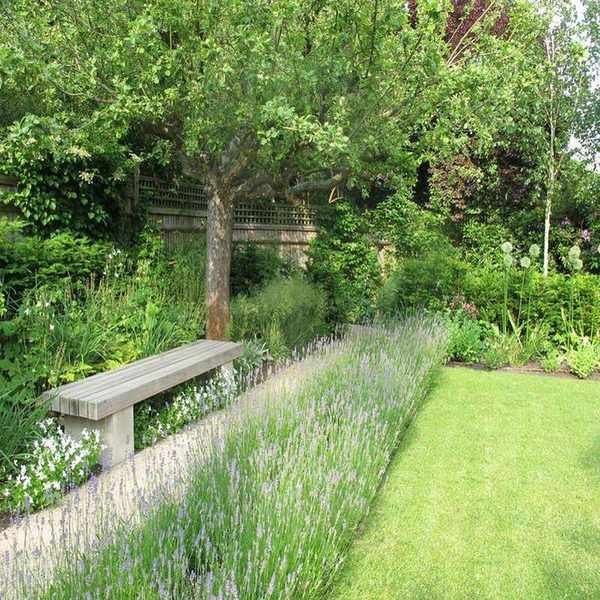
A vibrant lawn is a gardener's dream, but dry, yellow grass can be disheartening.
Knowing when to water is vital. 'Water your lawn weekly if there's no rain, but avoid flooding. In extreme heat, aim for 5 gallons per week per square yard of lawn,' advises a grass expert.
'If drought persists, hard soil can impede water absorption. Aerate your lawn using a plug or spike aerator to allow water and air to penetrate.'
6. Wasting Water

While hoses and sprinklers keep the water flowing, they can also waste this precious resource.
'To conserve water, use a traditional watering can—preferably filled with collected rainwater,' suggests a gardening expert. 'Rainwater harvesting can be simple; consider a water butt to save on tap water expenses.'
7. Ignoring Signs of Wilt
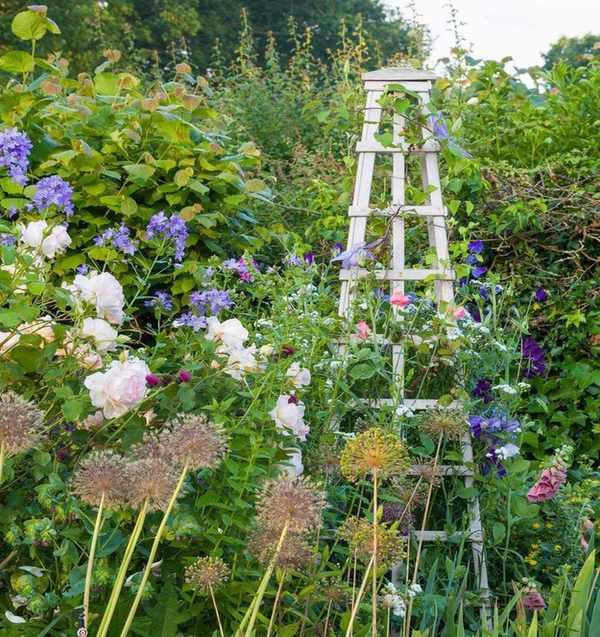
Excessive heat will reveal signs that plants are struggling—look for wilting leaves and drooping branches.
'The parts furthest from the roots usually show the most severe effects,' notes a gardening expert. Newly planted climbers, shrubs, and trees are particularly vulnerable as their root systems take time to establish.
8. Neglecting Hard Landscaping

It might seem odd to water hard landscaping, but these areas can suffer from high temperatures too.
Patios and driveways can become dangerously hot. 'To keep these areas comfortable for children and pets, spritz them with water—especially if they're dark surfaces,' advises a gardening expert, but only if there's no water shortage.
9. Overlooking the Veg Patch
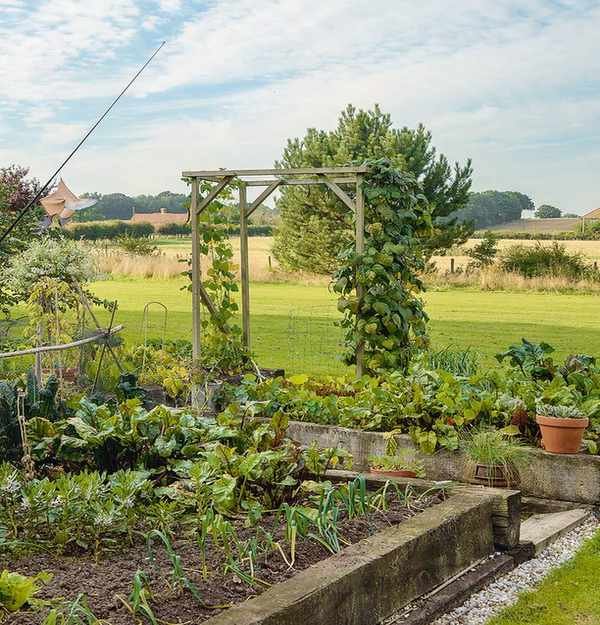
Fruit and vegetables require ample water to grow ripe and juicy, so don't neglect your vegetable garden during a heatwave.
In extreme heat, water your crops in the morning or evening; watering during peak hours can lead to quick evaporation.
Providing a canopy for your homegrown produce, such as a sheet on bamboo poles, can also offer necessary shade.
10. Forgetting About Houseplants
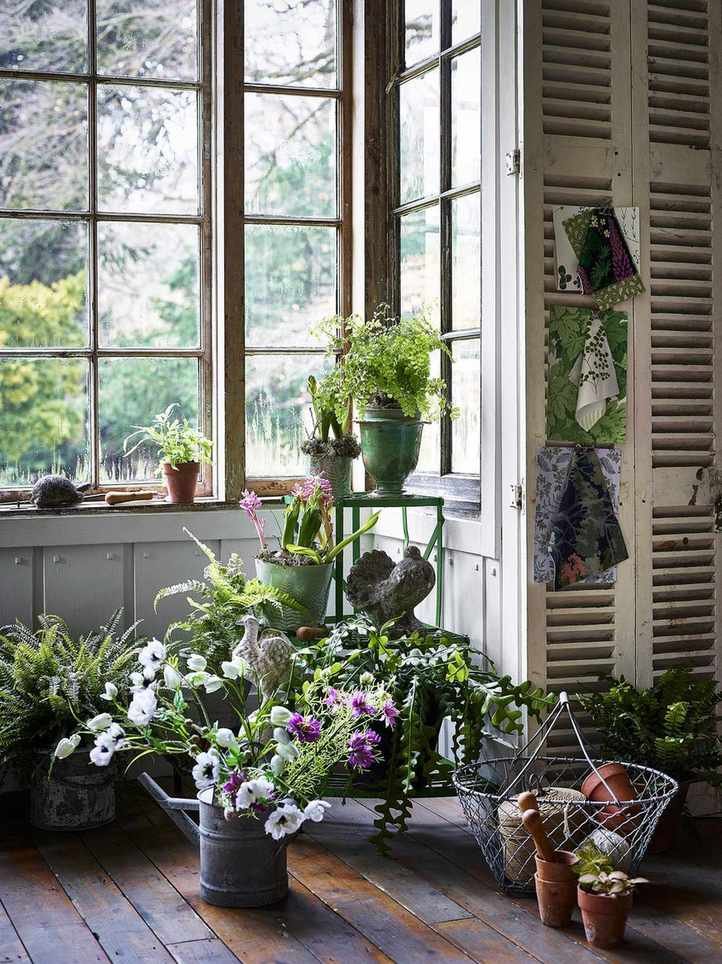
While focusing on outdoor gardens, don't forget that houseplants can also be affected by heat.
Like garden plants, houseplants thrive with morning watering before temperatures rise. During heatwaves, they may need extra hydration.
'Check if your plant needs more water by sticking your finger an inch into the soil; if it's dry, water it,' suggests a customer experience director. Misting can also help maintain humidity for tropical plants while avoiding overwatering.
Just as you would move outdoor container plants to the shade, reposition indoor plants away from direct sunlight to prevent sunburn.
Protecting Plants from Intense Sun
Even sun-loving plants can struggle under intense heat. For container plants, moving them to a cooler area in partial shade is ideal.
If relocating isn't feasible, consider creating a temporary sun shield using sheets or a garden parasol to protect vulnerable plants.
Optimal Watering During Heatwaves
During a heatwave, the instinct may be to water plants multiple times a day, but this can cause overwatering.
'Instead, water once daily during cooler hours, using a watering can to minimize hosepipe use,' suggests a gardening expert. 'To prepare for future heatwaves, installing a water butt for rainwater collection can be beneficial.'
'Watering at the surface encourages plants to seek moisture, which can help them endure drought conditions.'



