
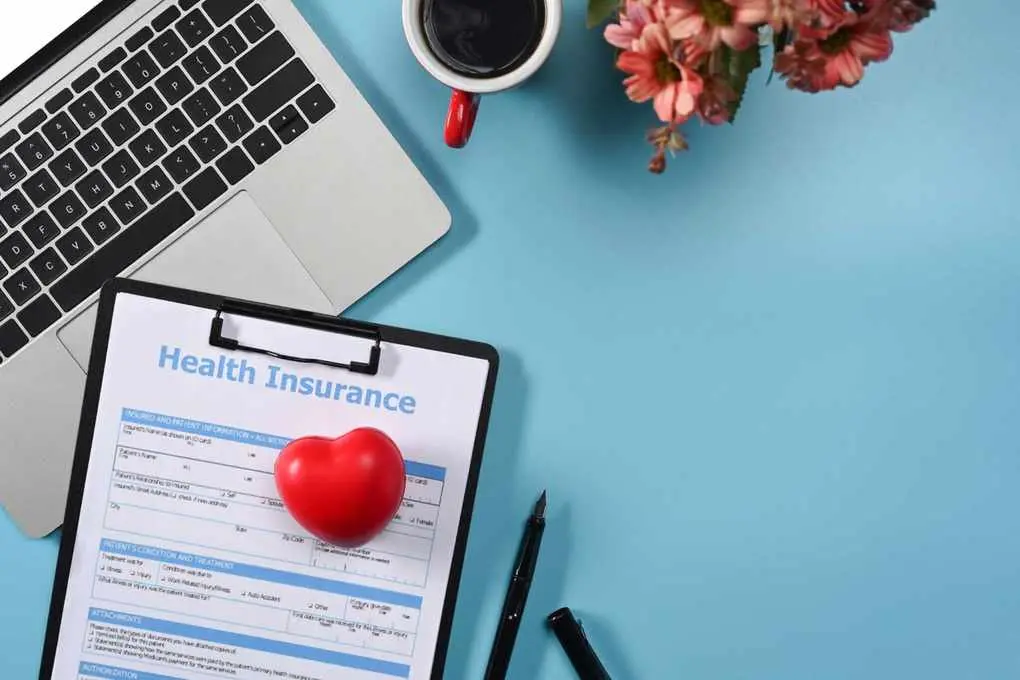
Open enrollment can be challenging. Avoid these mistakes to ensure you select the best health insurance plan for your needs without overspending.
It’s that season again: while fall brings pumpkin spice lattes and cozy vibes, it’s also time for open enrollment. This essential period requires a close look at your health insurance choices to ensure you're picking the right plan without unnecessary costs.
Navigating health insurance can be tough. Research shows that nearly half of U.S. consumers feel confused about some aspect of their coverage, and about one-third aren’t clear on what their plan includes or what their out-of-pocket expenses might be.
This complexity isn’t just you—it's a widespread issue. By increasing our understanding of our coverage, we can make better health choices, which is key to our well-being.
Sabrina Corlette, research professor and co-director of the Center on Health Insurance Reforms at Georgetown University, highlights critical mistakes to avoid during this year's open enrollment.
MISTAKE #1: AUTO-RENEWING YOUR PLAN
Corlette warns that a common error is allowing health insurance plans to auto-renew during open enrollment. Many individuals stick with their old, low-deductible plans without realizing it might not be the best option.
“People often think, ‘I was satisfied with my plan last year, so I’ll do nothing and let it renew automatically,’” Corlette explains. “This can lead to issues because plans change. Premiums, benefits, and cost-sharing all can shift, so it’s crucial to verify that your necessary coverage remains intact and costs haven’t changed significantly.”
When plans are altered, your preferred doctors and needed medications may no longer be included, so take this opportunity to thoroughly explore your options!
MISTAKE #2: PICKING THE INCORRECT PLAN TYPE
As open enrollment kicks off, you’ll choose between high and low-deductible plans. Unfortunately, many individuals make poor decisions simply due to a lack of understanding of the differences. High deductible health plans (HDHPs) generally suit healthier and wealthier individuals.
“If you’re generally healthy and don’t foresee needing extensive medical services, a high-deductible plan might work well for you since you won’t be concerned about meeting that deductible,” Corlette states. Additionally, these plans are tax-advantaged, making them more suitable for higher-income individuals.
Moreover, HDHPs allow for HSA enrollment. If you consistently save money in an HSA, a high-deductible plan with an HSA can be an excellent choice. Remember, HSAs are lifelong accounts for qualified health expenses, and after age 65, you can withdraw funds for any purpose without a tax penalty.
MISTAKE #3: INSUFFICIENT SAVINGS FOR MAXIMUM OUT-OF-POCKET COSTS
It’s crucial to understand your maximum out-of-pocket cost (MOOP) during open enrollment. Ensure you have sufficient funds set aside to cover your MOOP in case of emergencies or unexpected health issues in the upcoming year.
Corlette shares a personal lesson: while on an HDHP, her husband faced a serious health crisis, leading to an emergency room visit. “Within four weeks of starting the plan, we exceeded our deductible and had to pay $5,000 out of pocket,” she recalls. “We hadn’t had time to build up our HSA funds, which was a tough lesson—always have that money ready from day one because anything can happen.”
FINAL THOUGHTS
Navigating health insurance can be daunting, but open enrollment presents a valuable chance to evaluate if your current health plan meets your needs. By dedicating time during this period to research your options and strengthen your emergency fund or HSA, you can minimize unnecessary expenses later in the year.



