
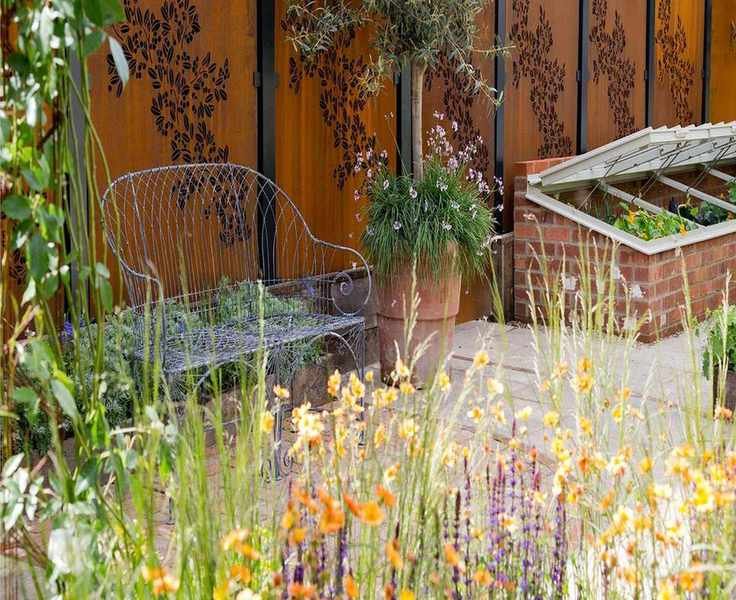
Transforming your outdoor area into a private retreat is a common desire, but achieving this can be tough if your space feels exposed to neighbors. There are numerous strategies to enhance backyard privacy, yet some approaches can lead to unforeseen challenges.
These pitfalls can range from causing disputes with neighbors to creating an aesthetically unpleasing environment. To help you attain the privacy you seek, consider these frequent mistakes to avoid.
5 Mistakes to Steer Clear of When Enhancing Backyard Privacy
If you aim to secure privacy for your pool, deck, or garden, be mindful of these potential issues.
1. Choosing the Wrong Plants for Privacy
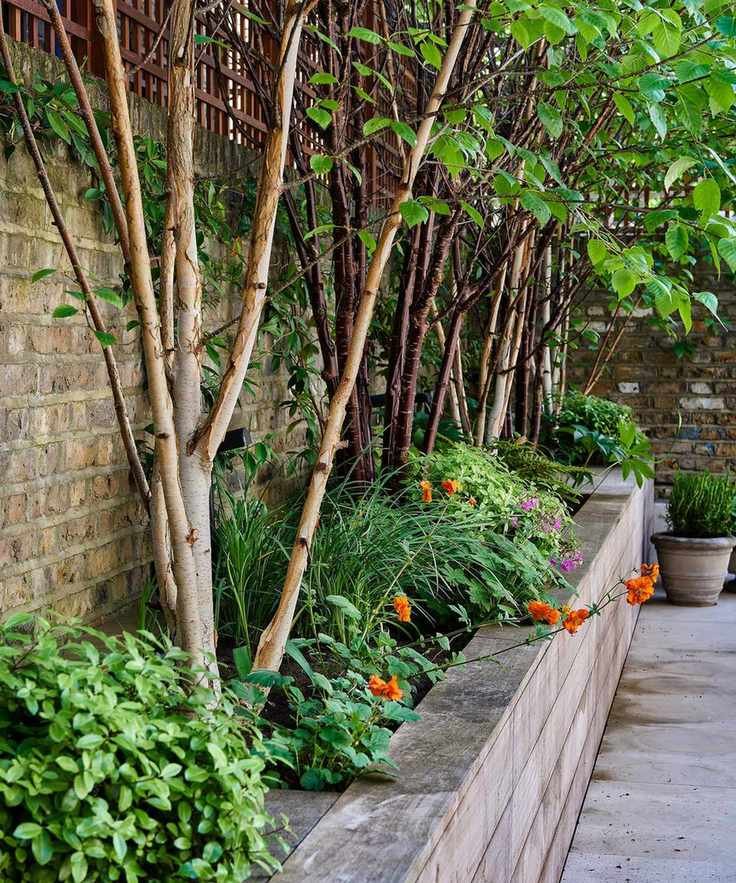
Compact trees can offer a high leafy barrier
Many homeowners opt to plant trees for privacy, which can be an effective natural solution. However, not all trees are ideal for this purpose. Some may mistakenly select slow-growing varieties like the Japanese maple, which take years to form a substantial screen.
Additionally, failing to choose an evergreen tree can be a blunder. While a deciduous tree might suffice for summer privacy, evergreens are necessary for year-round coverage, especially during winter.
There are alternatives to trees, including fast-growing shrubs and privacy hedges. Using tall potted plants can also work well for patio privacy. However, plant selection requires careful thought.
Expert gardener Miguel Palma advises against choosing plants that are either too short or sparse, as they may not provide adequate privacy. Furthermore, invasive or disease-prone species could create more issues than they resolve.
It's wise to research plants that are suitable for your local climate, soil, and sunlight conditions, ensuring they are reliable privacy providers.
2. Ignoring Neighbor Considerations
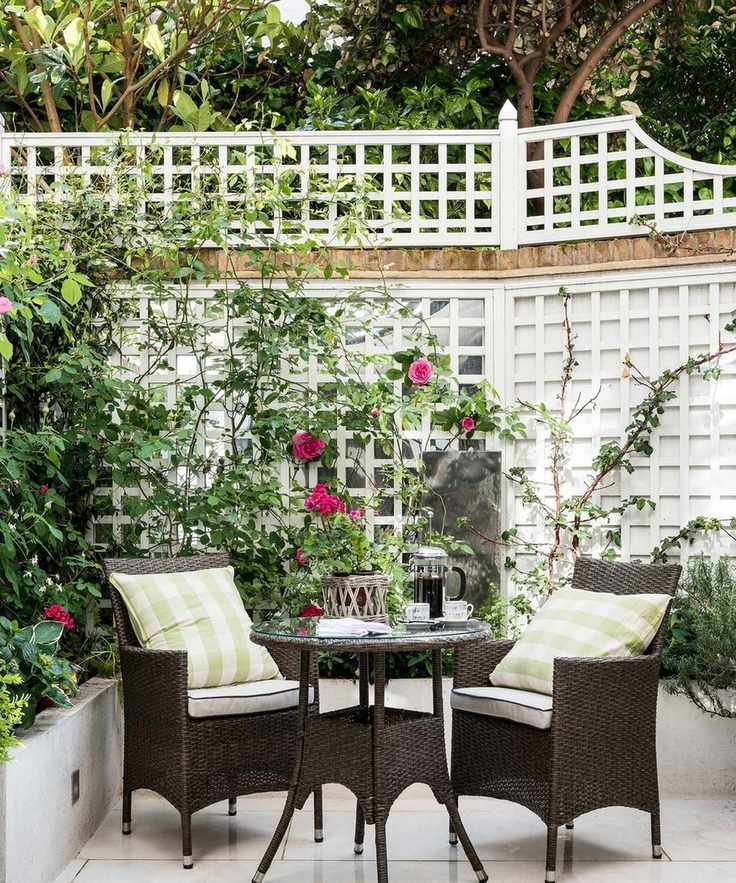
Be mindful when establishing new boundaries near a neighbor's property
Before investing in any privacy solution for your garden, consider your neighbors' needs. This includes respecting shared boundaries and being aware of potential noise from your new features, advises Keith Sant, a property acquisition expert.
To prevent conflicts, check local regulations regarding privacy solutions. Some areas have specific guidelines that must be followed.
Shaun Martin, owner of We Buy Houses In Denver, emphasizes the importance of verifying building codes and regulations before erecting a garden fence.
Keith Sant also notes that planning permission is often overlooked; while it may not always be necessary, it's a consideration worth making.
3. Blocking Light and Views
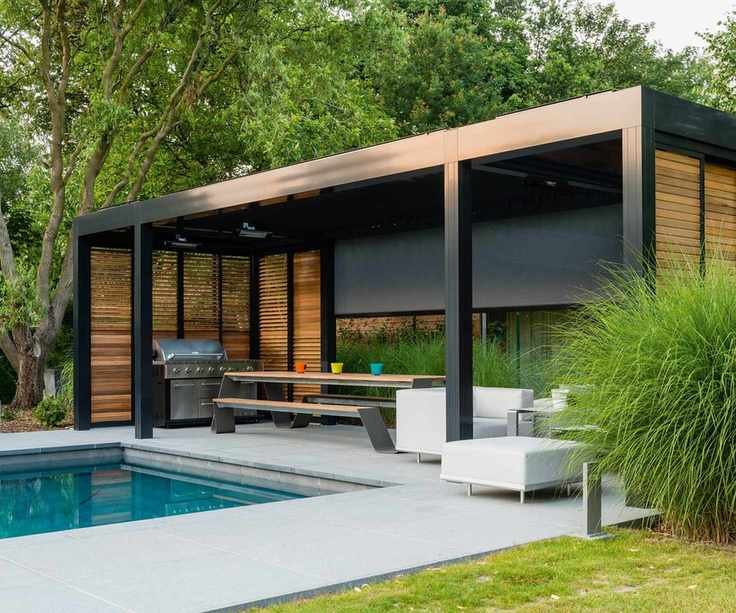
This modern pergola can adjust to allow light in
While the goal is to enhance privacy, some solutions might also obstruct sunlight and your view. If installing a fence or wall, ensure it doesn't entirely block sunlight from your garden, advises Patrick Grayson of Paramount Property Buyers.
Consider a permeable barrier such as a lattice or trellis that offers privacy while allowing light to filter through.
If maintaining a view is essential, consider using planter boxes or wall-mounted planters instead of solid barriers. The Ravine Planter Box from Lulu & Georgia could be a great fit for any contemporary yard. Adjustable pergolas with side screens can also provide a stylish solution.
4. Neglecting Wind Considerations
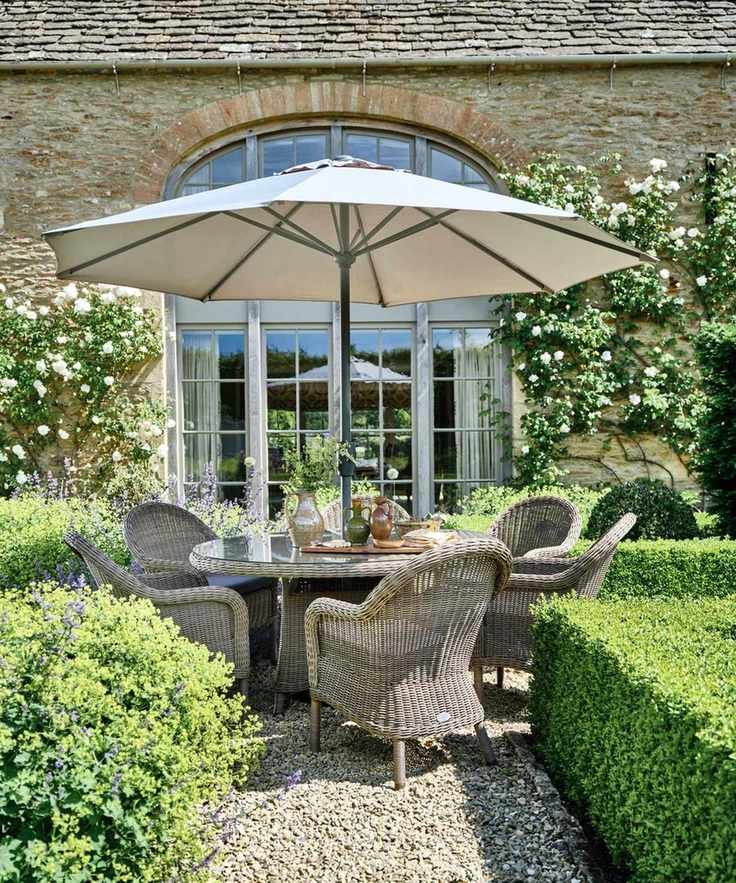
Ensure outdoor structures are securely installed – this umbrella is from Bridgman
When selecting a garden screen, consider the direction and strength of prevailing winds, suggests Keith. This knowledge will help ensure your privacy solution can withstand strong winds and remain securely in place.
5. Forgetting About Aesthetics
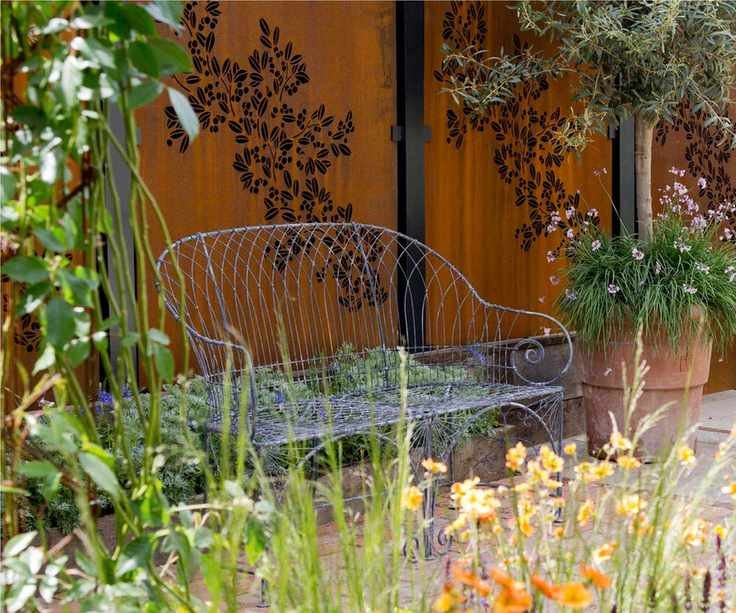
This decorative screen is from Stark & Greensmith
Whether it's a new fence, screen, or plant, consider how your privacy feature will blend with the overall aesthetic of your garden. Select colors and materials that complement your existing landscape for a cohesive look.
Regular maintenance, such as pruning, may be necessary to keep plants looking their best, enhancing both functionality and appearance.
Creating a private haven in your garden is crucial for a relaxing environment, especially in urban settings. Take your time to thoughtfully evaluate your privacy solutions to sidestep potential issues in the future.



