
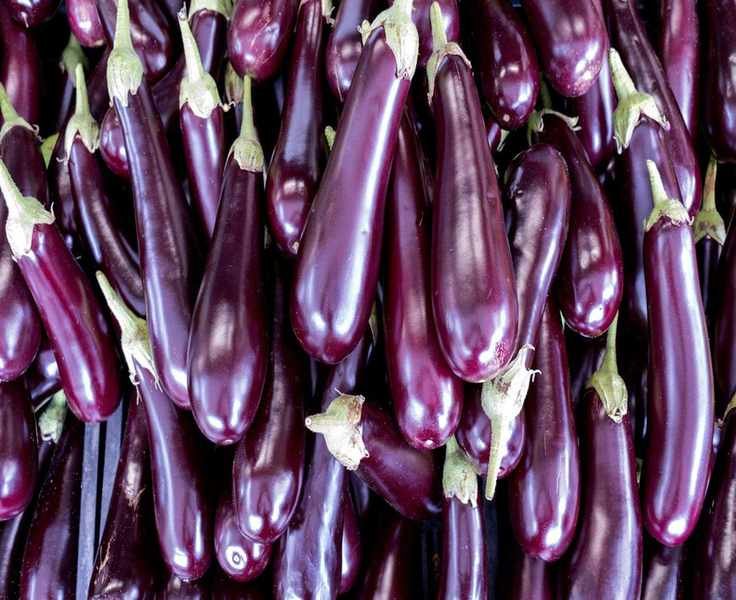
Whether you're a novice gardener or a seasoned pro, the challenges of growing eggplants can be daunting. Eggplant (Solanum melongena) offers a gourmet meat alternative, but achieving a successful harvest requires understanding its specific needs. Picture delectable dishes like moussaka and baba ganoush, but keep in mind that without proper care, your efforts may yield bitter or minuscule fruits.
Planning ahead and being attentive to the plant's needs can make a significant difference. If you're not mindful, you might find yourself disappointed with your harvest. Fortunately, we've outlined the key mistakes to avoid for a thriving eggplant garden.
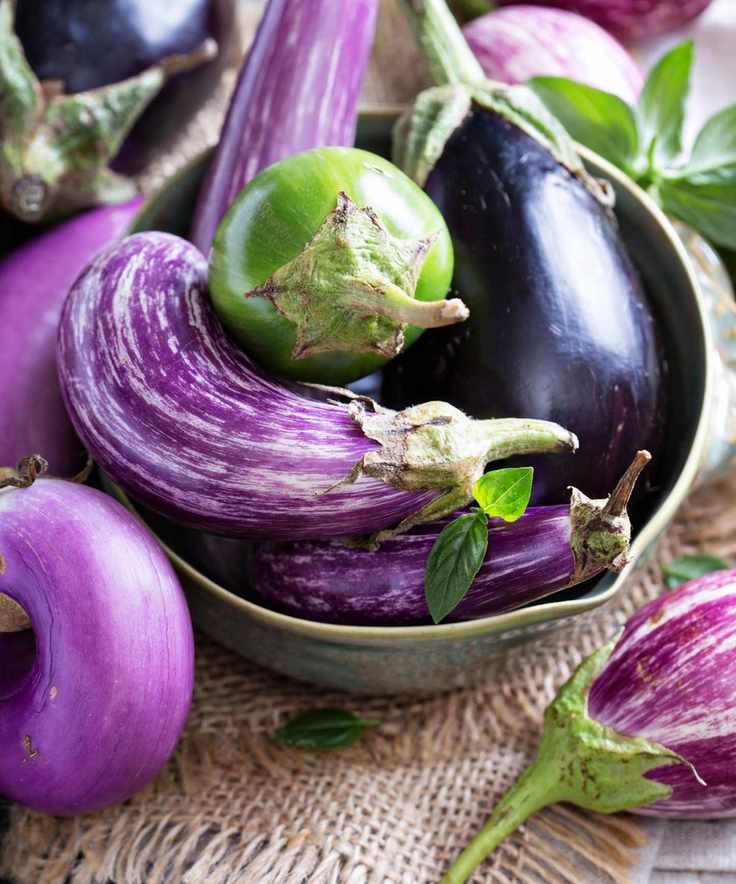
Different eggplant varieties exist, yet some fundamental practices benefit them all.
6 Eggplant Growing Mistakes to Sidestep for Juicier Crops
Eggplants may not top the list of the easiest vegetables to cultivate, but mastering them isn't impossible. They require specific care, so shortcuts won't cut it if you want healthy, flavorful eggplants. Avoid these common pitfalls to ensure a bountiful harvest.
1. Planting Eggplants at the Wrong Time or Place
Eggplants take time to mature, so it's crucial to plant them early. However, avoid planting in chilly conditions as they are sensitive to cold. 'Eggplants are tender plants that struggle with harsh weather,' advises an expert gardener. 'It's best to start them in a sheltered spot or use a low polytunnel.' Starting seeds indoors in February or March helps protect them from frost while maximizing the growing season.
For germination, a heated propagator is recommended. Start seeds in small pots and repot as they grow, hardening them off before introducing them outside. Avoid overcrowding seedlings, as cramped conditions lead to stunted growth and increased disease risk. If space is tight, consider compact varieties like 'Rosa Bianca' or 'Little Fingers' for container gardening. Ensure they receive at least six to eight hours of sunlight daily.
Prepare the planting site well, as rushing to plant in cold soil can shock the plants and halt their growth. Eggplants thrive in well-draining, rich soil with a pH of 6-6.5. Test your soil before planting to ensure optimal conditions.

Lucy has served as a Horticultural Advisor and frequently writes about gardening techniques. She enjoys growing eggplants and experimenting with various breeds.

Eggplants can thrive when started indoors, but many varieties require potting on before outdoor growth.
2. Misjudging Eggplant Growing Temperatures
Temperature is critical when growing eggplants. Many new growers either underestimate warmth or let their plants dry out. 'Eggplants need additional heat during germination,' notes a gardening expert. Aim for temperatures between 60-70°F initially. After that, they thrive in consistent warmth, ideally around 68°F, flourishing in USDA zones 4-11.
While soil must be warm, it also needs to stay moist. Eggplants like sunny tops but dislike dry roots. Implement mulching to maintain moisture and regulate soil temperature. If temperatures dip below 60°F, growth may halt, and flower drop can occur. Conversely, extreme heat above 90°F can stress them, leading to shutdown. Plant heat-tolerant varieties like 'Rhapsody' or 'Millionaire' to combat heat issues.
For indoor growers, monitor airflow in greenhouses, ensuring proper ventilation. Side and roof vents can help maintain a comfortable environment.

Effective mulching can help stabilize ground temperatures while eggplants like 'Violetta Di Firenze' expand their root systems.
3. Inadequate Watering and Feeding
Watering is crucial, especially in the six weeks post-planting. Eggplant fruits contain about 90% water, so maintaining moisture levels is vital for healthy development. Underestimating this need can lead to bitter or tasteless fruits. Water deeply once a week, increasing frequency during hot spells or when fruits start forming. Drip irrigation can effectively target roots. Additionally, mist flowers with tepid water twice daily to enhance fruit set.
Timing fertilization is equally important. Start feeding early with a diluted general-purpose fertilizer and shift to a high-potash liquid feed once fruits begin to develop. Homemade feeds can be made by steeping comfrey leaves in water.

A high-potash feed is essential as fruits mature.
4. Neglecting Support for Eggplants
One simple yet critical mistake is failing to provide adequate support. Gardeners often focus on soil and temperature but overlook that eggplants need help standing tall as they bear heavy fruits. Using stakes or cages can prevent plants from toppling over. This is especially important for taller varieties like 'Black Beauty' or 'Dusky'.
Establish support before the plants bear fruit, using poles, trellises, or stakes about one or two inches from the plant base. As plants grow, fasten the main stem to the support at intervals to ensure stability.

Varieties such as 'Early Long Purple' thrive with proper support.
5. Overlooking Pests and Diseases
Even with proper planting, pests and diseases can plague your eggplants, especially in greenhouses. Ignoring these problems can lead to rapid infestations. Regular checks are essential, as issues often escalate in high summer.
Look for signs of pests like red spider mites, which thrive in dry conditions. Misting can help prevent infestations. For aphids, use organic sprays or introduce beneficial insects like ladybugs. Whiteflies can be controlled with water blasts to reduce their numbers.
Keep an eye out for fusarium wilt or mosaic virus, as these conditions can be prevented by proper planting techniques. Choose disease-resistant varieties to lower risks. Good spacing and airflow are also critical.

Monitor for pest signs like leaf discoloration and webbing indicative of red spider mites.
6. Harvesting at the Wrong Time
Finally, avoid the mistake of harvesting eggplants too late. Picking them at the right moment is crucial for quality. Wait too long, and fruits may lose their sheen, becoming bitter and spongy. Aim to harvest around 12-15 weeks after planting, depending on the variety.
To determine if an eggplant is ready, tap it; a firm thud indicates ripeness. Pressing the skin can also help—if it takes time to bounce back, it's ready. Always cut fruits with one-inch stems using a sharp knife to avoid damaging the plant.
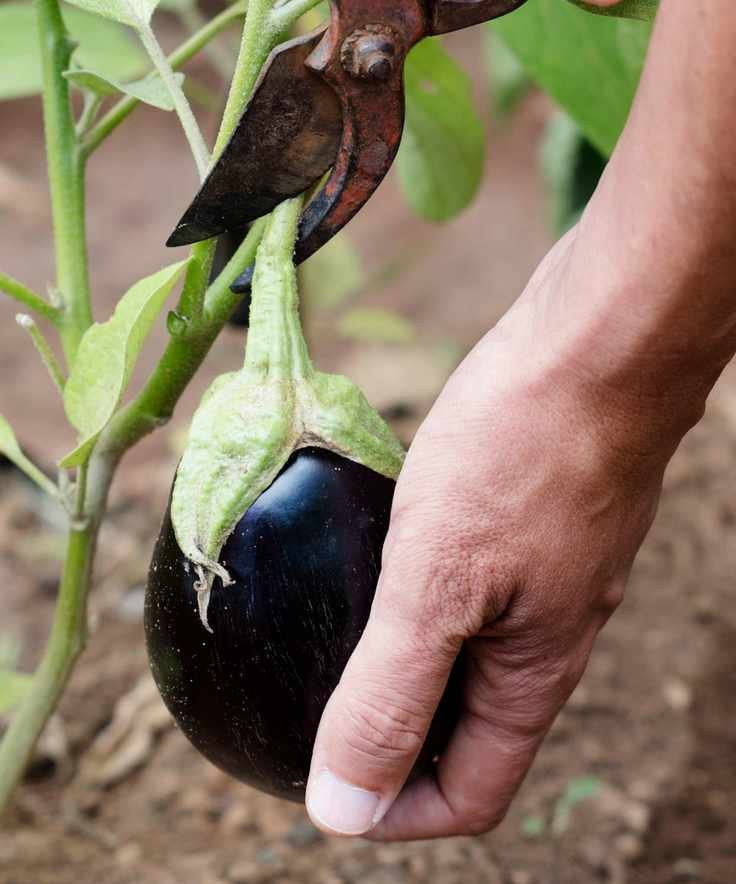
Use a sharp knife or secateurs to harvest, avoiding pulling fruits off.
FAQs
Why Aren't My Eggplants Producing Fruits?
If your plants aren't yielding fruit, several factors could be at play: improper watering, poor soil conditions, or incorrect temperatures. If flowers drop prematurely, it may be due to stress caused by dehydration or temperature extremes. Hand pollination may also be necessary, especially in greenhouses.
What Happens if I Leave Crops on Eggplants Too Long?
Harvesting can be tricky, particularly because the line between underdeveloped and overly mature can blur. Leaving fruits too long can result in tougher, bitter eggplants. Harvest while they're still glossy for the best flavor.
Is Growing Eggplants in Containers More Difficult?
Container gardening can offer more control over growing conditions. Ensure adequate drainage and keep the compost moist. Regularly repot as plants grow to prevent nutrient depletion. Larger pots should be introduced gradually to avoid overwhelming the plants.
To maximize your harvest, limit the number of fruits per plant to allow them to thrive. This practice also applies to tomatoes, ensuring that remaining fruits reach their full potential.



