
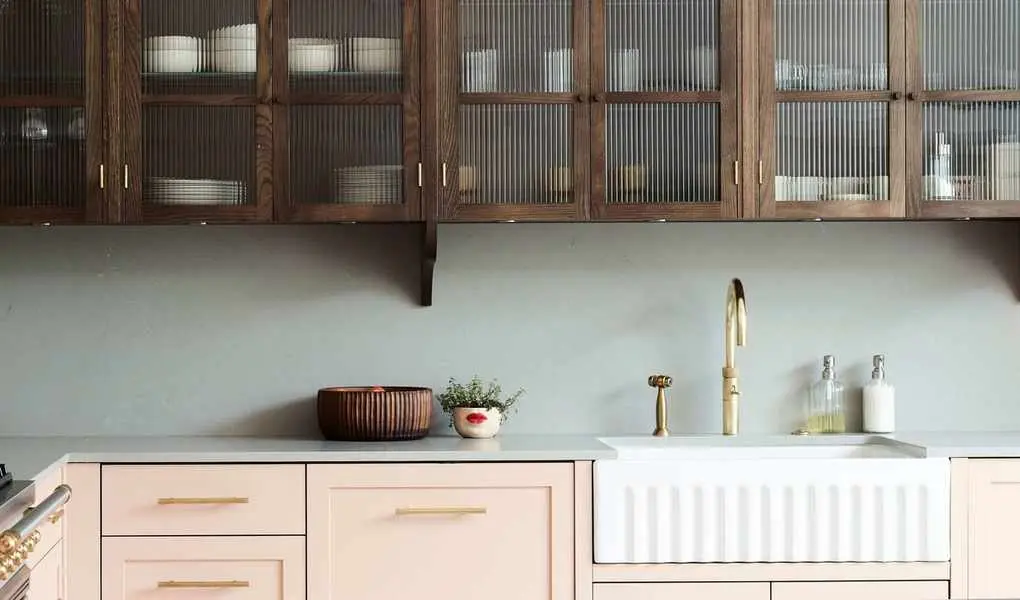
In modern kitchens, pantries have become as essential as kitchen islands, evolving to fit into even the smallest spaces. Their clever designs allow homeowners to make the most of limited square footage.
However, with the excitement of extra storage, it's easy to overlook important factors. Size, placement, and layout must be meticulously planned, especially for compact pantries. Investing in a pantry is a significant commitment, so precision in your design is crucial.
Before you get lost in organizing your collection of snacks, we consulted with kitchen designers to highlight frequent pitfalls when adding a pantry and how to steer clear of them.
Common Pantry Mistakes to Avoid
Discover how to make a small pantry functional in your home with our expert-driven advice, from organization techniques to ideal shapes and styles.
1. Overlooking Minor Details
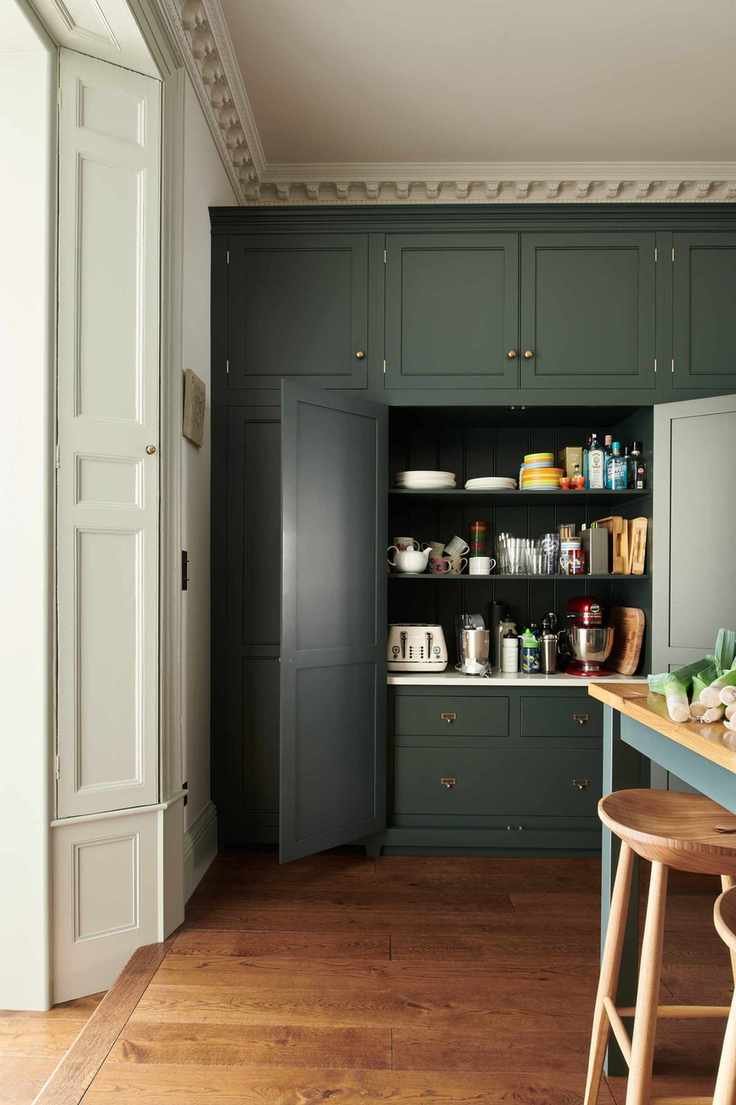
Small pantries can serve double duty as coffee stations, neatly housing appliances and keeping surfaces clutter-free, especially in tight kitchens. Designs with pocket doors are perfect for this use, allowing you to conceal the area when not in use. However, don't forget about plug sockets; they're essential for this setup.
"Consider the minor details before finalizing your cabinetry design," advises a kitchen designer. "Think about how you'll utilize the pantry. For instance, if it's intended as a coffee station, make sure to plan for power outlets from the start."
Another designer concurs, stressing the importance of planning for appliances and ensuring suitable power and water access where necessary. Adequate lighting is also crucial; LED strips under shelves can illuminate items and prevent dark corners where things get lost.
2. Choosing Inadequate Sizing
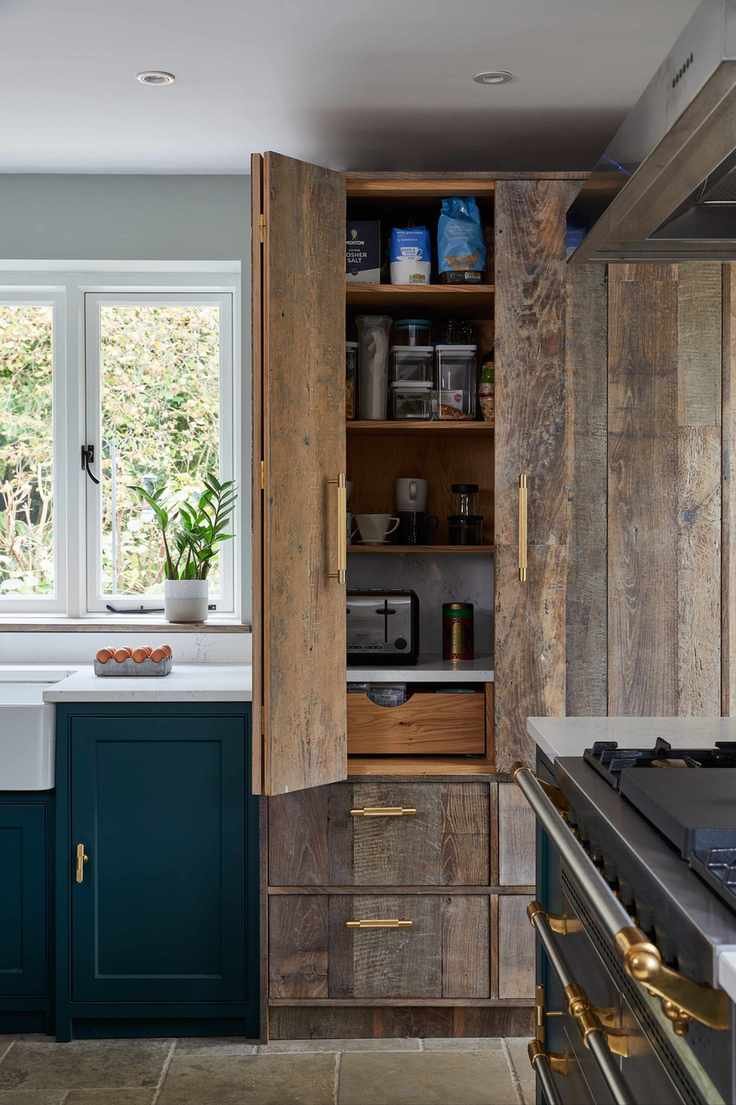
A pantry can be too small, rendering it ineffective compared to regular cabinets. But how small is too small?
"A pullout pantry as narrow as 12 inches can still provide substantial storage," suggests a designer. "Conversely, I have a walk-in pantry that measures 8 feet deep and 6 feet wide, accommodating bulk items and small appliances on a countertop."
Yet, don't just focus on width; depth matters too. A common design flaw is making pantries deep but not accessible. "Anything deeper than 24 inches tends to lead to forgotten items. Pull-out shelves are a smart solution, but avoid them above eye level, where visibility is limited."
Make sure you can navigate the space comfortably. One designer points out that insufficient room for movement is a common issue, highlighting the need to consider frequently used items for easy access.
3. Disrupting the Kitchen Flow
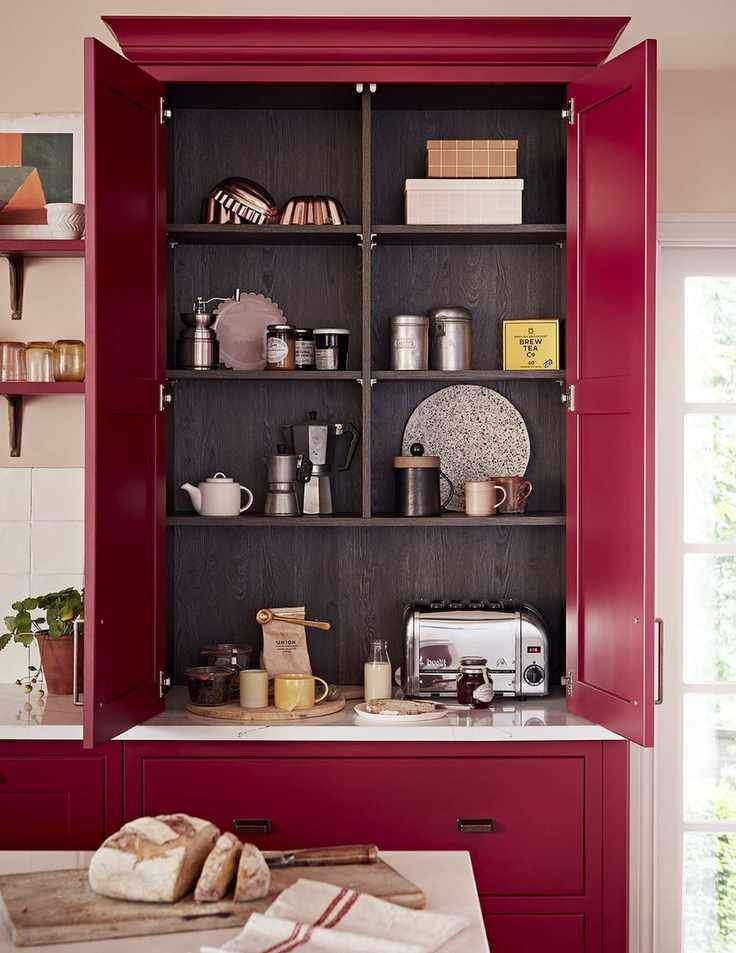
Pantry placement is key to maintaining kitchen efficiency. The golden triangle concept—keeping the fridge, stove, and sink in a triangular layout—should guide your pantry's location. Avoid breaking this flow.
"Never situate a pantry directly in the middle of work zones; it disrupts the kitchen's efficiency," warns a designer. "Pantries should be positioned away from high-traffic areas to avoid obstruction during frequent use."
While the perfect pantry location varies by kitchen, it's best to keep it away from direct cooking areas to prevent temperature fluctuations that may affect food quality.
4. Overloading on Closed Storage
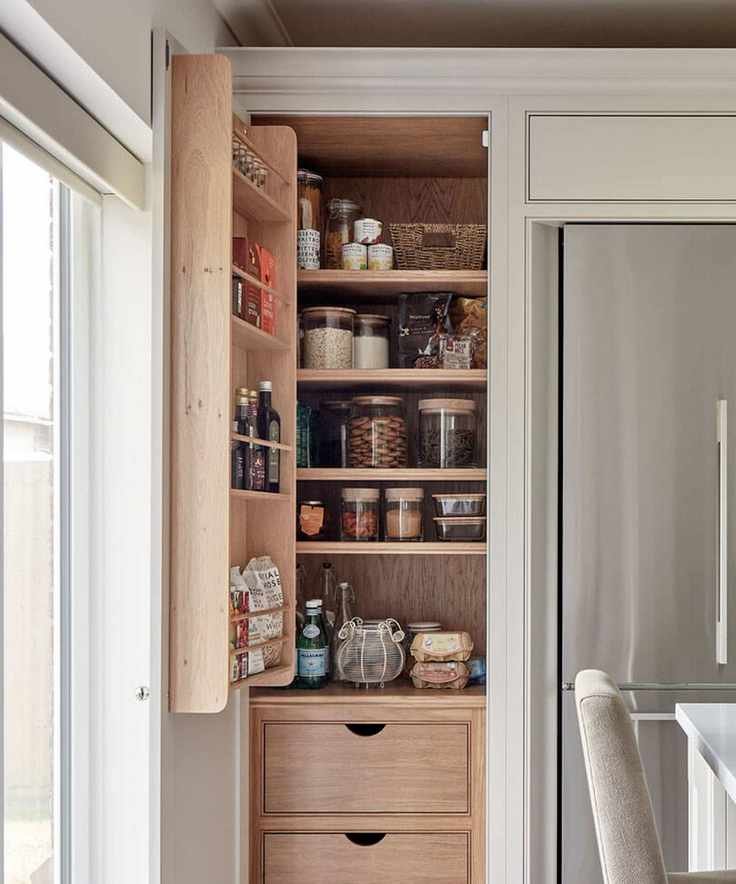
For a practical pantry, avoid too much closed storage. Open storage allows for easy access and visibility, which is particularly valuable in smaller areas. Consider incorporating spice racks and floating shelves.
If you need to contain clutter, opt for drawers instead of cupboards, as they offer better organization and weight capacity.
5. Miscalculating Shelf Sizes
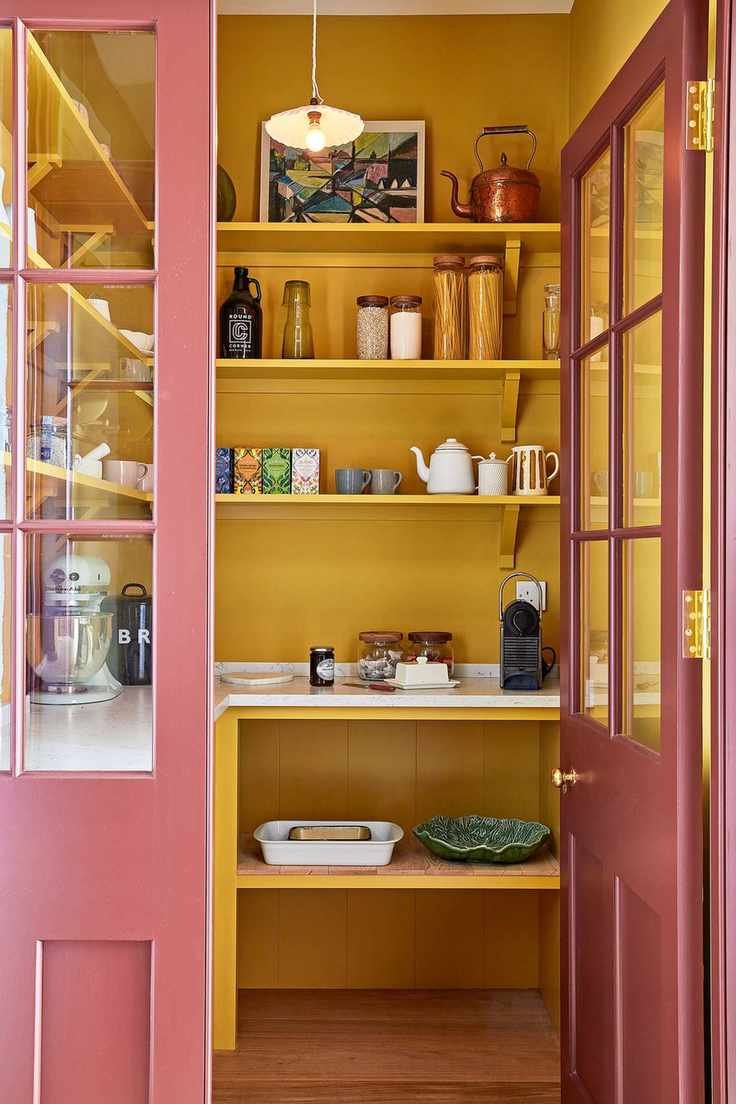
Proper shelf sizing is vital for a functional pantry. It's frustrating to have shelves that don't accommodate your favorite food items. Keep your storage needs in mind while determining shelf heights.
Additionally, consider a wrap-around shelving design for better ergonomics. Adequate height between shelves is essential for jar and container storage, allowing you to maximize space effectively.
6. Neglecting Vertical Storage
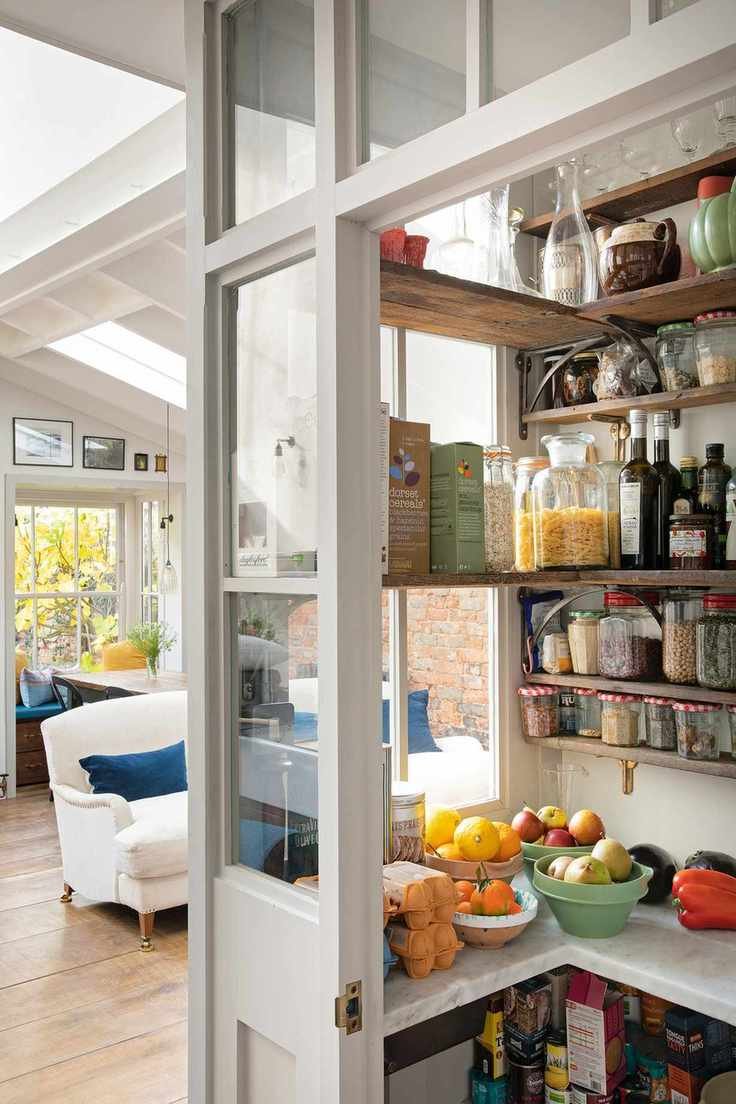
In a compact kitchen, utilizing vertical space is crucial. Don't waste any storage potential above eye level in your pantry.
"Incorporate thin wrap-around shelves to optimize high spaces. Designate specific zones for different items to keep things organized. Store food items higher than appliances to avoid pest issues," advises a designer.
7. Ignoring Lighting

Good lighting is essential in a pantry, making it easier to locate items. "A pantry without proper lighting is a missed opportunity," says a designer. Plan for effective lighting from the start, using spotlights and under-shelf lights for practicality.
8. Placing the Pantry in Temperature-Variable Areas
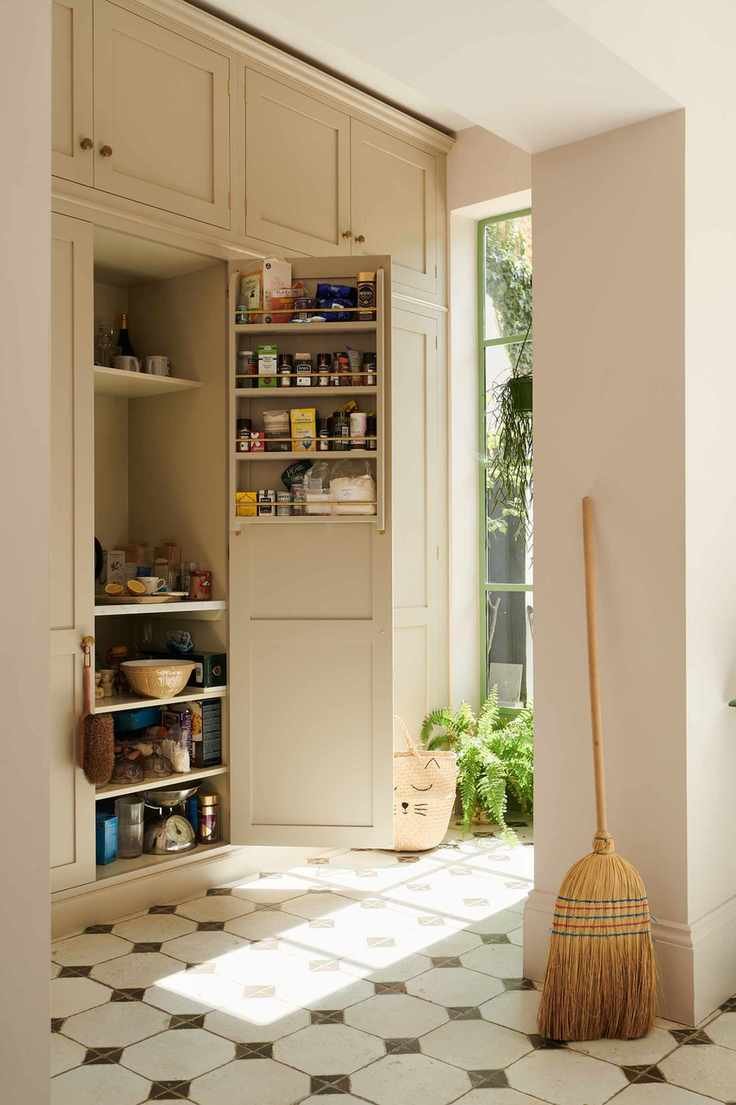
While underfloor heating is a luxury, avoid its installation in or near a pantry. Food should be kept at a cooler temperature, so avoid placing the pantry near heat sources.
"Pantries should maintain a cooler temperature, so it's best to avoid areas with fluctuating heat, like next to an oven or boiler," advises a designer.
By steering clear of these pantry design errors, you can create a space that is efficient, stylish, and perfectly tailored to your needs.



