

Sorting out your fridge can feel daunting, and it's often put off. Yet, a well-organized refrigerator not only saves space but also helps reduce food waste and cut costs.
Many factors contribute to disorganization, including awkward containers, perishable items, and deep shelves where food can get lost. Here are the most common refrigerator organization mistakes to steer clear of.
Common Refrigerator Organization Pitfalls
Experts in appliance repair and home organization have identified frequent mistakes we make with refrigerator organization and provide insight on how to fix them.
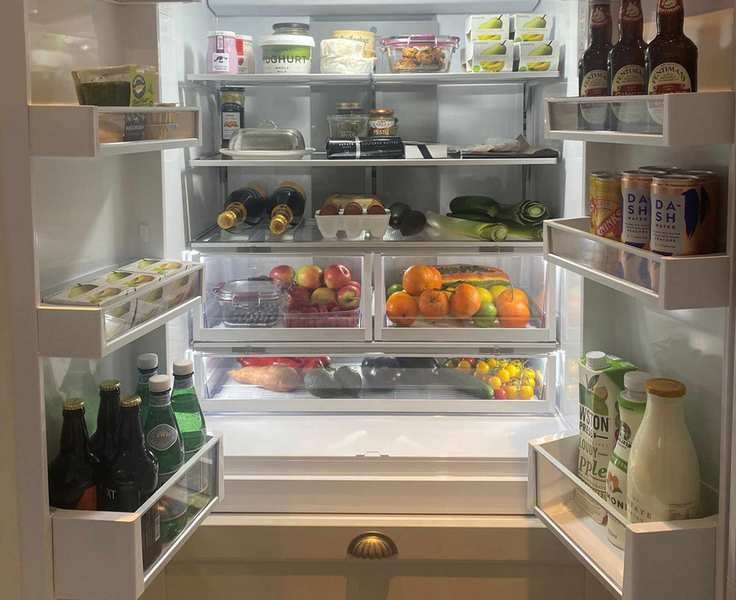
1. Ignoring the Deli Drawer
Modern fridges often include a deli drawer with adjustable temperature settings. This extra space is perfect for sliced meats like ham, turkey, and roast beef, helping them stay fresh longer.
2. Using Too Many Large Bins
Professional organizer Kristy Edwards points out that many people overestimate their fridge's capacity. Plastic organizers can take up more room than anticipated. Consider using narrow bins that hold beverages but don't monopolize valuable space.
3. Overpacking the Fridge
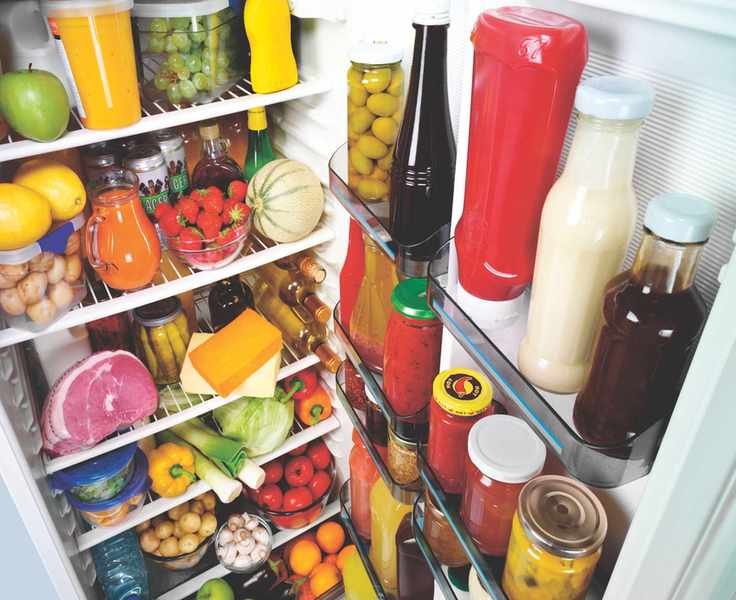
A common mistake is cramming too many items inside. An overcrowded fridge struggles to maintain temperature. Regularly check for expired items and remove anything unnecessary to improve efficiency.
4. Hoarding Jars
Laura Price advises limiting jars because they often end up forgotten. Store them in the door for easy visibility and access.
5. Misplacing Condiments

Condiments should be kept in the door, where temperature shifts are less impactful. Perishables like milk should be stored in the coldest part of the fridge instead.
6. Failing to Zone Your Fridge
Establishing zones for different food categories improves organization and accessibility. Place dairy at the top, deli items next, and raw meat at the bottom to prevent cross-contamination.
7. Removing Eggs from Their Carton
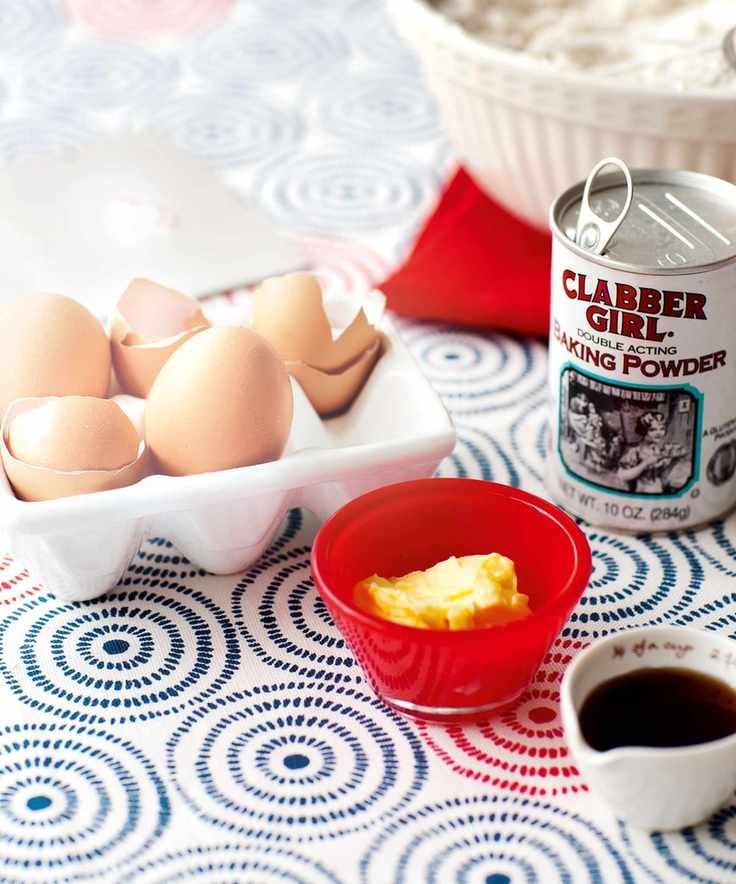
Eggs are best stored in their original carton to avoid absorbing odors and bacteria. Keeping them in the carton is also more convenient.
Food Storage Best Practices
To optimize food storage, follow these guidelines:
Raw Meat: Keep raw meat on the bottom shelf to prevent juices from contaminating other foods.
Dairy Products: Store dairy like milk and cheese on middle shelves for stable temperatures.
Fresh Produce: Use crisper drawers for fruits and vegetables to maintain freshness.
Deli Meats: These should be placed in the deli drawer for optimal preservation.
Beverages: Store drinks on upper shelves for easy access.
Eggs: Keep eggs in their carton and ideally near the back of the fridge.
Leftovers: Use airtight containers for leftovers on the upper shelves.
Condiments: Store on the door shelves, where temperatures fluctuate less.
Organizing your refrigerator effectively not only makes it easier to clean but also helps minimize food waste. If certain spaces, like the crisper drawer, tend to get ignored, consider adjusting your storage approach. A magnetic whiteboard can help track expiration dates and reminders.



