
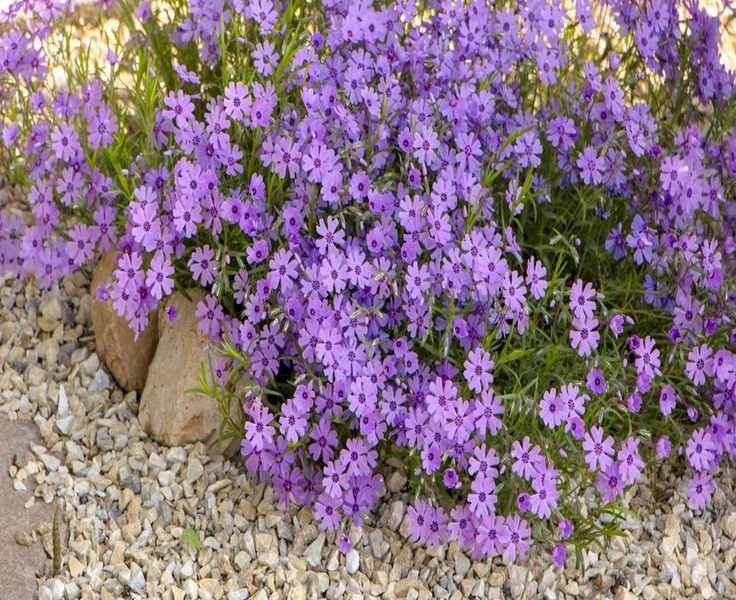
Ground cover plants are essential for landscaping, typically featuring low-growing, sprawling varieties that often remain under three feet tall. These plants not only add beauty but also serve various practical functions, such as suppressing weeds and stabilizing soil on slopes.
Utilizing low plantings can create smooth transitions between paved areas and lawns or taller plants. Flowering ground cover can beautifully frame pathways or driveways. Here are 12 exceptional ground cover plants that can thrive in any garden, adding value, color, and texture.
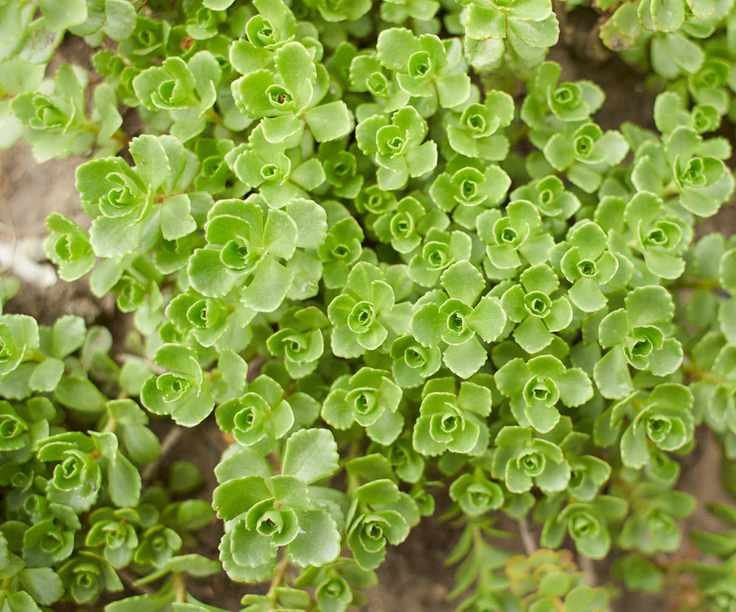
12 Ground Cover Plants for Sun and Shade
Your choice of ground cover plants depends on soil type, hardiness zone, climate, and sunlight exposure. For an appealing look, plant groups of the same species in odd numbers, and mix varieties for year-round interest, especially with evergreen options. There are numerous fast-growing ground cover plants if you need quick coverage.
Consider drifts of spreading plants like thyme, sedum, and blue oat grass to create colorful textures. Drift planting involves grouping the same variety together for maximum impact.
1. Flower Carpet Rose
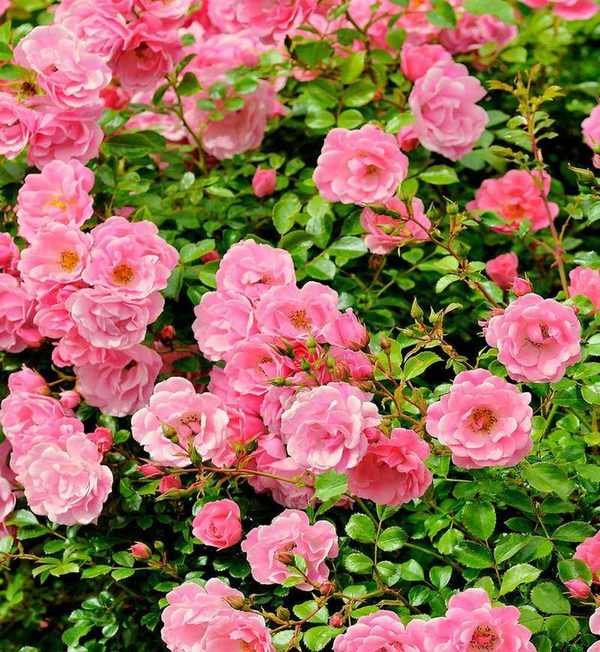
Ground cover rose
- Best for: full sun
- Height: 3ft
- Spread: 4ft
- Hardiness: USDA 4-9
These maintenance-friendly roses bloom abundantly from spring to fall. Once established, they're drought-tolerant and ideal for sloped or rock gardens, as well as edging driveways or pool areas.
Available in shades like scarlet, pink, and white, they cater to various tastes. Using a weed-barrier fabric before planting and topping with mulch helps keep weeds at bay and simplifies maintenance.
2. Geranium 'Rozanne'
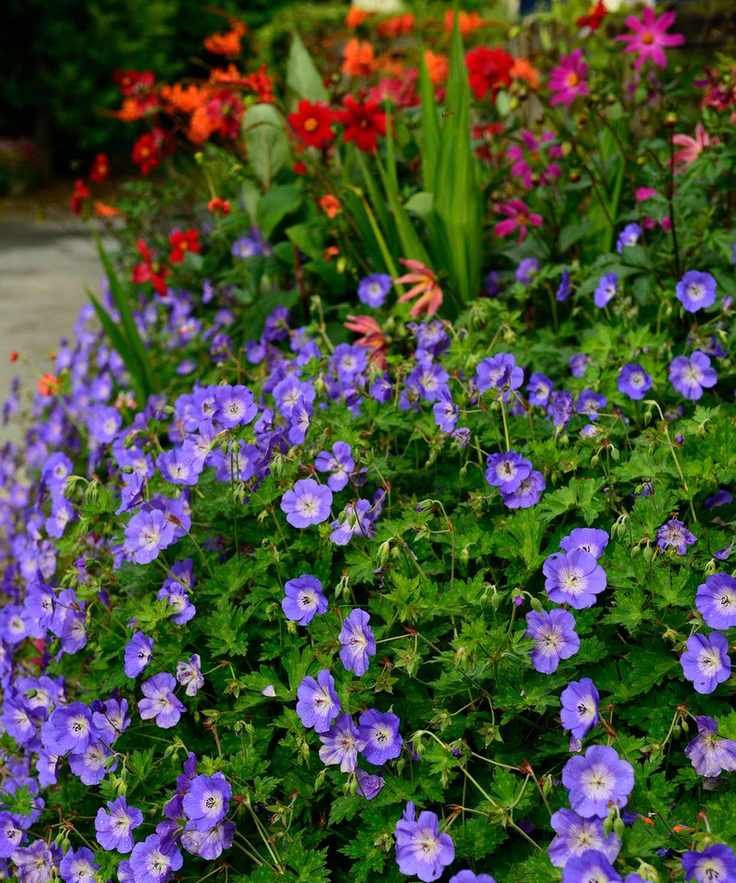
Geranium 'Rozanne'
- Best for: full sun, part shade
- Height: 2ft
- Spread: 2ft 6in
- Hardiness: USDA 5-8
This hardy geranium thrives with continuous blooms from early summer to fall. To keep them looking great, remove spent stems and consider cutting them back in late May for a second wave of flowers.
Another great option is 'Johnson's Blue,' which blooms earlier and remains lower to the ground. As perennials, they die back in fall but return fresh in spring.
3. Delosperma Cooperi
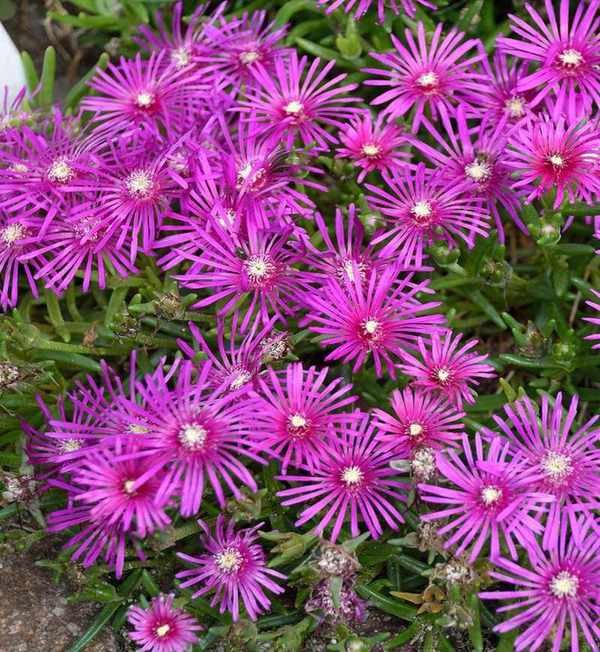
Delosperma cooperi
- Best for: full sun
- Height: 4in
- Spread: 4-19in
- Hardiness: USDA 8-10
This excellent choice for sunny rock gardens produces vibrant pink flowers from early summer until frost. Ideal for drought-prone areas, it requires well-drained soil.
In colder climates, consider growing it in a planter for winter protection, as excess moisture can be harmful during cold months.
4. Sweet Woodruff
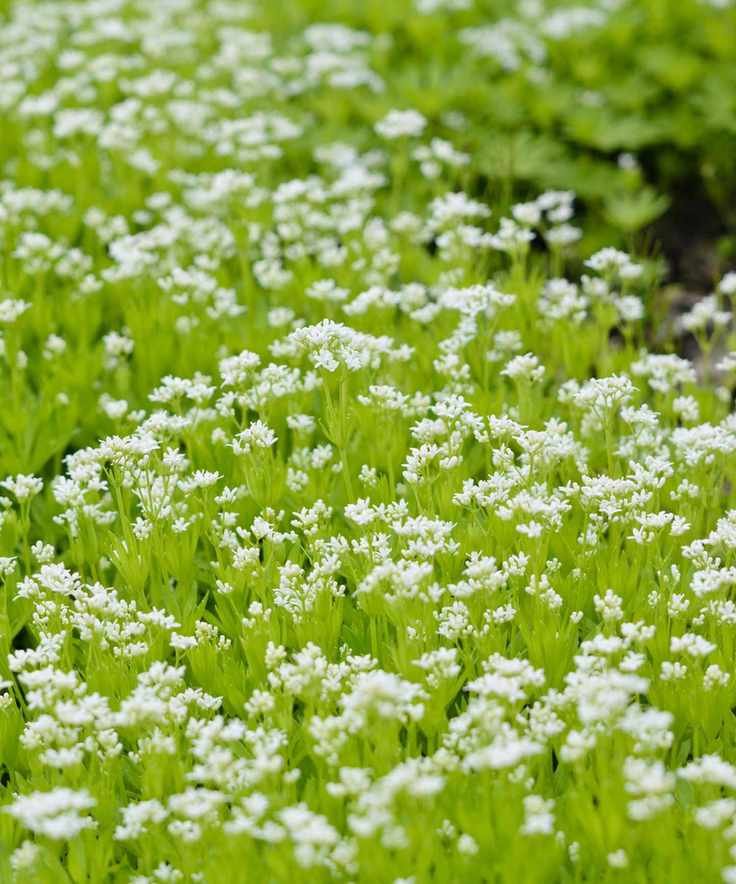
Sweet Woodruff
- Best for: part shade
- Height: up to 1ft
- Spread: 3-4ft
- Hardiness: USDA 4-10
This spreading perennial thrives in shaded areas, requiring minimal care once established. It produces tiny white flowers that are attractive to bees and can be used as an edible garnish.
Ideal for woodland gardens, it pairs well with other shade-loving plants. The leaves die back in fall, returning anew in spring.
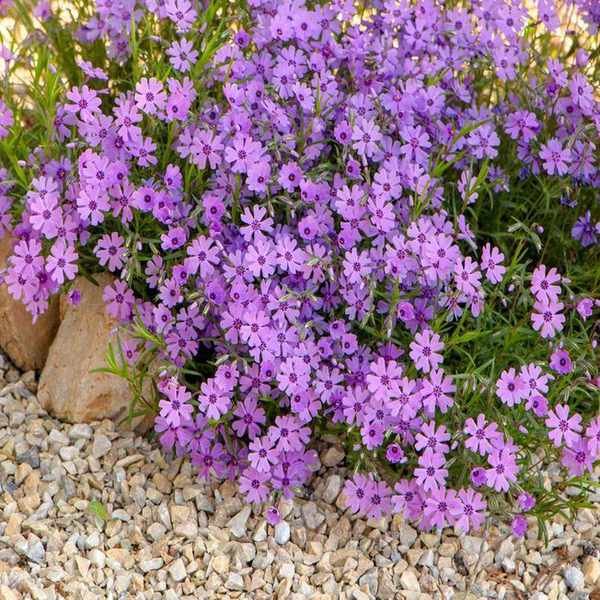
5. Creeping Phlox
- Best for: full sun to part shade
- Height: up to 4in (10cm)
- Spread: 1-2ft (30-60cm)
- Hardiness: USDA 3-8
This vibrant native plant enhances gardens with colorful blooms from spring to summer. Varieties range in color from lilac to pure white, creating stunning contrasts with other plants.
It thrives in hot weather, making it ideal for filling gaps between stones or at the front of borders, especially cascading over rocks.
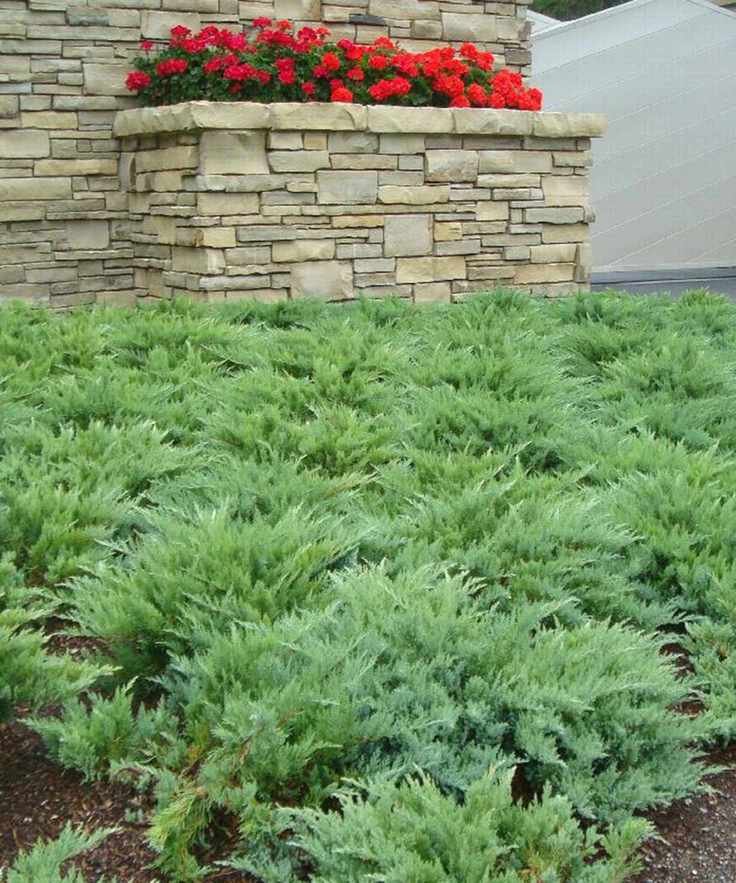
6. Juniper 'Moor-Dense'
- Best for: full sun
- Height: 8-12in
- Spread: 5-6ft
- Hardiness: USDA 3-7
Junipers are gaining popularity for their drought tolerance. 'Moor-Dense' is perfect for lining pathways or underplanting trees, providing a tough evergreen option.
They require minimal pruning, just a light trim to maintain shape.
7. Festuca 'Elijah Blue'

Festuca 'Elijah Blue'
With its striking silvery-blue foliage, 'Elijah Blue' adds texture and color to many garden styles. It's drought-tolerant and works well as a formal edging or in mass plantings.
Its buff-colored blooms in summer contrast beautifully with the blue-green leaves.
8. Viburnum Davidii
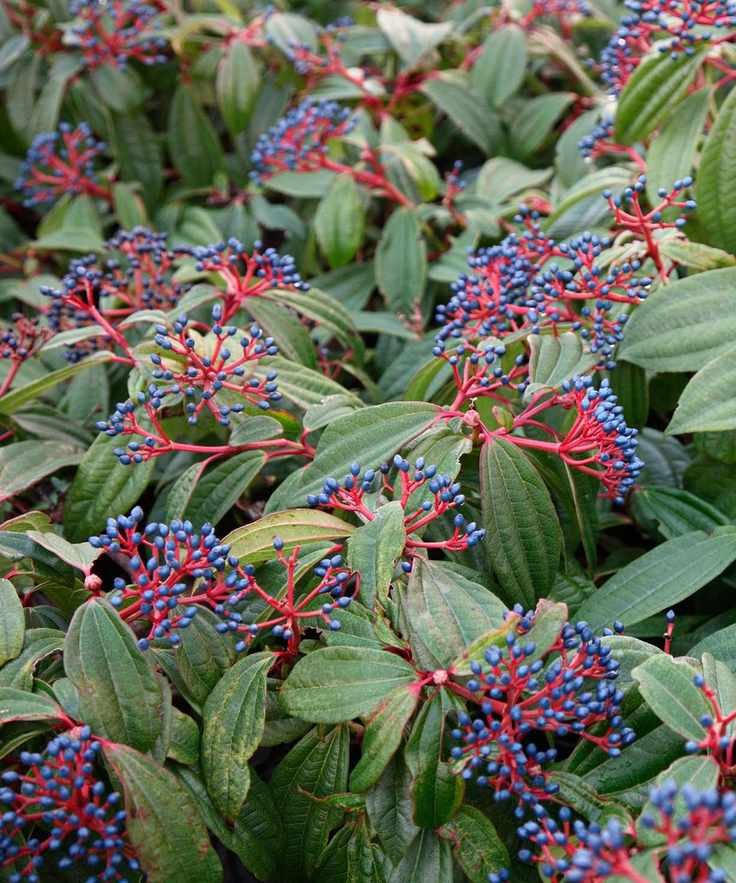
Viburnum davidii
- Best for: full sun, part shade, full shade
- Height: 3-4ft
- Spread: 2-3ft
- Hardiness: USDA 7-9
Perfect for shady areas, this adaptable evergreen shrub thrives in various conditions. It forms a low mound and produces white flowers if a male plant is nearby, followed by attractive blue berries.
It's an excellent choice for pollinators and can be shaped after flowering.
9. Mondo Grass
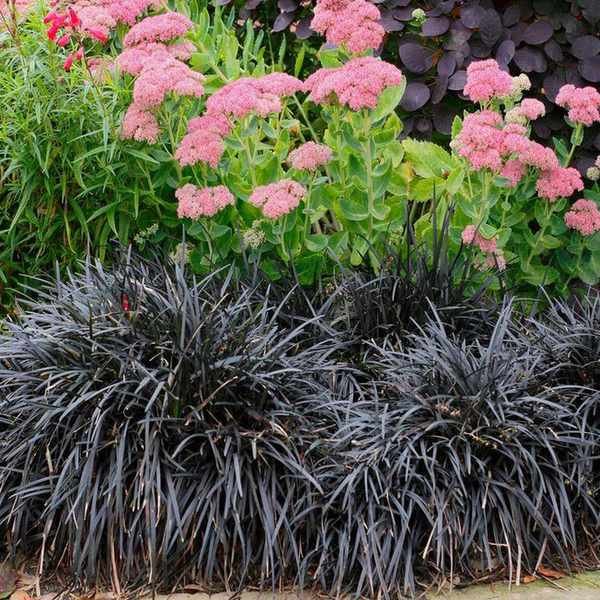
Black mondo grass
- Best for: full sun, part shade
- Height: 6-12in
- Spread: 6-15in
- Hardiness: USDA 7-10
Mondo grass, a durable evergreen, tolerates various conditions and has arching leaves. Its clumping nature means it won't spread beyond its mature width, making it a great choice for contrasting with different foliage.
Available in several varieties, including the striking black mondo grass, it brings unique visual interest to any garden.
10. Cotoneaster
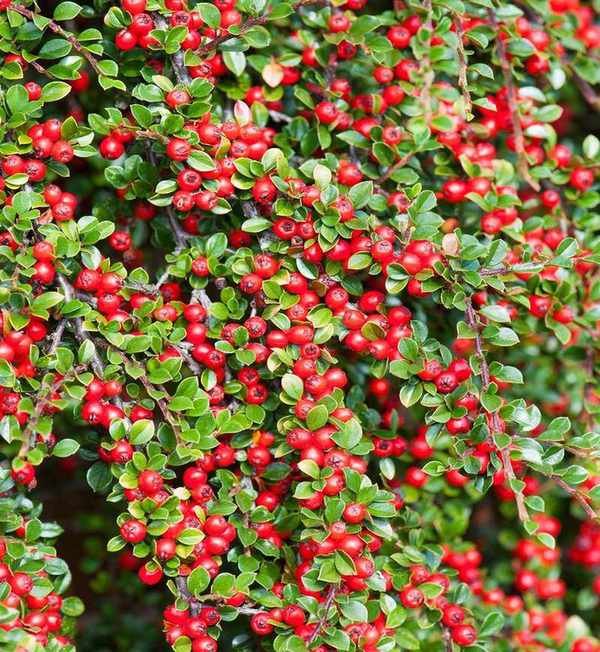
Cotoneaster horizontalis
- Best for: full sun, part shade
- Height: 1-2ft
- Spread: 8-10ft
- Hardiness: USDA 5-8
This hardy evergreen offers year-round interest with its structure and vibrant berries. The white flowers in early summer attract bees, while the berries provide food for birds in winter.
Consider growing clematis alongside for added visual appeal.
11. Sedum
- Best for: full sun
- Height: 5in
- Spread: 12-16in
- Hardiness: USDA 4-9
Known for their fleshy leaves, sedums thrive in hot, dry conditions. They create low-maintenance, textured carpets that often bloom over time.
These plants are perfect for edging garden paths or enhancing less attractive areas due to their easy care.
12. Speedwell
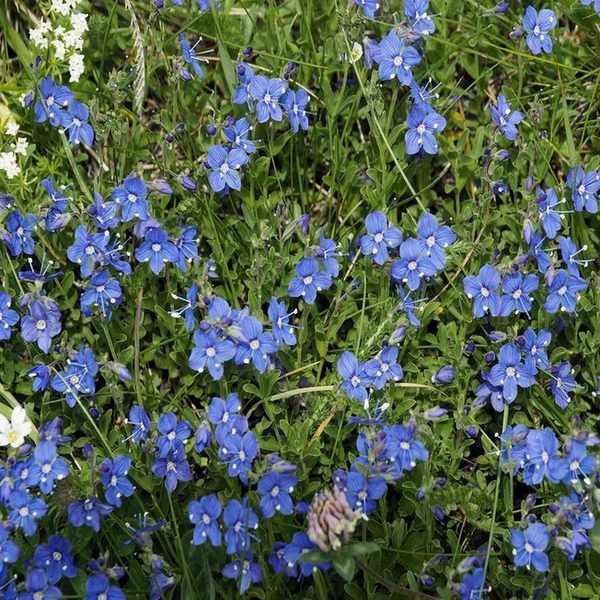
- Best for: part sun, part shade
- Height: 2in
- Spread: 18in
- Hardiness: USDA 4-9
Creeping speedwell, or Veronica filiformis, is a charming option with delicate blue flowers that create beautiful color swathes when planted together.
This fast-spreading plant is hardy and can withstand foot traffic and mowing, but check local regulations as it can be invasive in some areas.
FAQs
What is the most attractive ground cover plant?
Flower carpet roses are a stunning and popular choice, thriving in a variety of climates across the US. Consider bunchberry dogwoods as another low-growing option.
Do ground cover plants prevent weeds?
Dense ground covers, especially evergreens, effectively block sunlight to suppress weed growth. Plants like chamomile, creeping Jenny, and Irish moss serve as no-mow alternatives for a grass-free yard.
While they create green spaces similar to lawns, ground covers are less durable, so pathways or stepping stones are recommended.


