
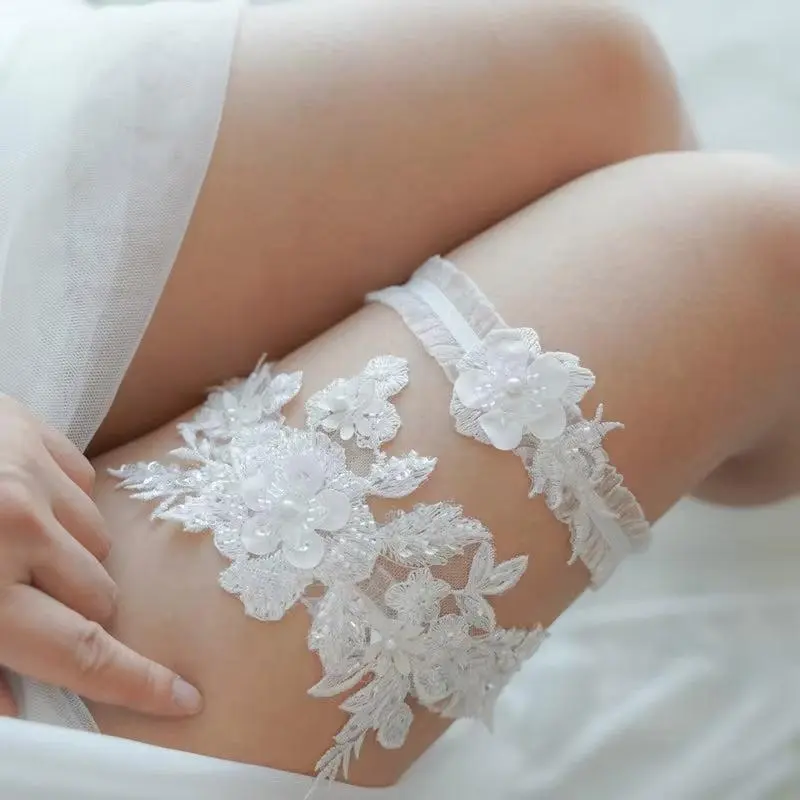
Bridal Garters: Their History and Significance in Weddings
The bridal garter stands as a notable symbol in wedding attire, rich with tradition and meaning. While often linked to lighthearted moments at receptions today, the garter's roots stretch back centuries. Curious about its origins and relevance in modern ceremonies? You’re not alone.
From its beginnings as a good luck charm to its current playful role in celebrations, the bridal garter remains an intriguing and symbolic piece. We explore the history, meaning, and ongoing relevance of the wedding garter, shedding light on why brides continue to cherish this time-honored tradition.
The Historical Roots of the Wedding Garter
The tradition of wearing a garter can be traced back to the medieval ages in Europe. During this era, weddings were communal events, and the bride’s attire was believed to possess special powers for good fortune.
Guests often tried to take a piece of the bride's attire as a memento of luck, leading to the disruptive practice of tearing at her clothing. As a response, brides began donning a garter, a small, easily removable item worn around the thigh, serving as a designated good luck token. The act of tossing the garter evolved into a less invasive alternative.
In some customs, friends would escort the newlyweds to their chamber, adding to the celebratory atmosphere.
Married couples also engaged in traditions involving stockings, such as games believed to bring good luck. Over time, the garter transformed into a ceremonial accessory, becoming the decorative piece we recognize today.
Meaning Behind the Bridal Garter
The garter's tradition carries numerous meanings, many of which have evolved over the years. Key interpretations include:
Fertility and Abundance:
Historically, the garter was thought to bring blessings of fertility and prosperity to the couple, rooted in medieval beliefs about the bride’s clothing being a conduit for fortune.
Transition to Matrimony:
Removing the garter represented the bride’s shift from single life to married life, often seen as an intimate moment that signifies the couple's new bond.
Good Luck Token:
Sharing the garter with guests has historically been a way to extend good fortune. The garter toss, in which the bride throws her garter to a group of single men, is a playful continuation of this tradition, with many couples choosing to personalize or forgo it based on their preferences.
Wedding Garter and Bridal Attire
Many brides wear a garter beneath their wedding dress as a cherished piece of lingerie. Typically crafted from delicate materials, the garter fits snugly around the thigh, enhancing both comfort and beauty. For some, wearing a garter honors tradition, while others view it as a stylish addition to their overall look.
The garter can complement the wedding dress, offering a secret touch of romance that remains hidden until unveiled. Some brides include their garter in the “something old, something new, something borrowed, something blue” tradition, selecting one with blue accents to fulfill the “something blue” requirement. Whether for tradition or fashion, the wedding garter is a beloved element of the bridal ensemble.
Wearing a Garter: Tips for Brides
There are no strict guidelines for wearing a garter; brides can choose the leg that feels most comfortable. While it’s common to wear the garter on the right thigh, just above the knee, it ultimately comes down to personal preference. This position helps minimize discomfort while moving or dancing during the festivities.
Some brides wear two garters: one to keep as a memento and another to toss during the tradition. This allows for participation in the fun without losing a cherished keepsake. Ultimately, a bride’s choice in wearing her garter hinges on comfort and confidence, ensuring she feels her best on her special day.
The Garter's Modern Role in Weddings
In contemporary weddings, the garter primarily serves as a decorative accessory and a fun aspect of the celebration. While its original meanings may have faded for some, many couples still embrace the garter for its nostalgic charm.
However, traditions are often adapted or omitted by couples seeking to reflect their own styles and values. Some may opt to personalize the garter tradition or replace it with something more significant to them.
The Garter Toss Tradition
One of the most popular practices today is the garter toss. During the reception, the bride sits while the groom humorously removes the garter and throws it to a crowd of single male guests. This custom parallels the bouquet toss for single women, symbolizing the passing of good fortune to those hoping to marry next.
Unique and Personalized Garters
In recent times, garters have become highly customizable, with brides selecting designs that reflect their personal style and wedding themes. From intricate lace to garters embellished with charms or initials, modern iterations are as unique as the brides themselves. Some brides even choose to have two garters: one for keepsake purposes and another for tossing during the reception.
The Role of Wedding Garters in Ceremonies
The wedding garter takes a prominent role during the reception, especially during the toss. In this lively tradition, the groom removes the garter from the bride’s leg, often eliciting laughter and delight from guests, and tosses it to unmarried men. The lucky catcher is believed to be the next to wed, mirroring the bouquet toss custom.
This playful ritual injects excitement into the celebration, encouraging everyone to partake in the festivities and creating unforgettable moments. In certain weddings, the garter toss coincides with the bouquet toss, amplifying the fun. Additionally, the garter can be integrated into other traditions, such as the “something blue” element, making it a versatile and meaningful part of many ceremonies.
Why Brides Continue to Embrace Garters Today
Despite its ancient history, the wedding garter persists as a cherished tradition for many reasons:
Honoring Tradition: Brides may choose to wear a garter to respect the customs of marriage, embracing its symbolism of luck and celebration.
Adding Fun: The garter toss introduces a playful spirit to the festivities, creating memorable experiences for couples and their guests.
Creating Keepsakes: For many, the garter becomes a treasured reminder of their wedding day.
Expressing Personal Style: With a range of designs, the garter offers brides an opportunity to showcase their personality and add elegance or whimsy to their look.
Consulting a wedding planner can help couples decide whether to include the garter tradition, ensuring their preferences are communicated clearly to all vendors.
Enduring Significance of Wedding Garters
The wedding garter often turns into a valued keepsake for brides, representing their special day and vows. Some opt to preserve their garter as a family heirloom, passing it to future generations as a symbol of love and heritage. Tossing the garter is believed to bring luck, and the garter itself can symbolize happiness.
For some, the garter gains deeper meaning by incorporating materials from a cherished family member’s wedding attire, creating a lovely link between generations. Whether kept as a memento, shared with family, or remembered for the laughter it sparked, the wedding garter leaves a lasting impact that resonates long after the celebration.



