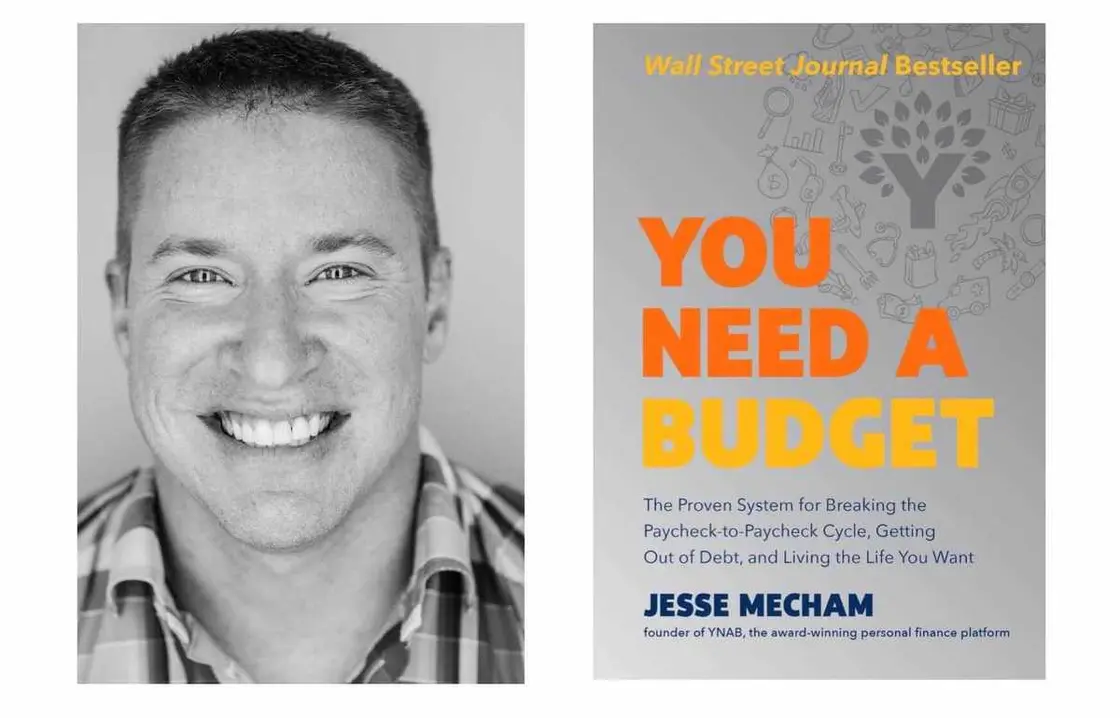
Budgeting Basics with Jesse Mecham, YNAB Founder
Aside from tuning in to this week’s podcast, what else is on your agenda today? Have you reflected on your priorities lately? Many of us have taken the time since the pandemic to reassess our lives. Now that 2021 is here, what financial goals are you focusing on?
Perhaps it's time to consider a budget. We believe everyone can benefit from one, and so does our guest, Jesse Mecham, creator of You Need A Budget (YNAB). Since 2004, YNAB has empowered countless individuals to break free from living paycheck to paycheck, eliminate debt, and save more effectively. Jesse is also the author of the best-selling book titled You Need A Budget, and his company was recognized as Fortune’s top small company to work for.
The YNAB app boasts nearly 33,000 five-star reviews on the Apple App Store, and the YNAB Facebook group has 64,000 members. The numbers are impressive: on average, members save $600 in their first two months and $6,000 in their first year of budgeting with YNAB.
In this episode, Jesse shares the origins of YNAB, which began as a simple spreadsheet. He explains the four essential rules that underpin its success:
Rule 1: Assign a job to every dollar.
Rule 2: Acknowledge your true expenses.
Rule 3: Adapt as needed.
Rule 4: Age your money.
We also discuss the daily habits to cultivate for budgeting and the time commitment required, especially for budgeting novices. Jesse and I reveal mental tricks to help us save more effectively.
Don’t miss Jesse’s crucial advice for those who’ve tried budgeting but found it challenging, thinking, “I don’t spend more than I earn, so what’s the issue?” (Spoiler: It’s a significant concern!)
If you’re new to budgeting, Jesse encourages daily engagement with your budget. It’s not obsessive; it’s thorough! He asserts, “Regularly reviewing your budget is healthy. It helps you understand your financial situation and plan for the near and distant future.”
Many perceive budgeting as restrictive and dull. However, Jesse clarifies that budgeting isn’t about limitations. He discusses how the need for budgeting has evolved in our impulsive, instant-gratification culture, heavily influenced by social media and online shopping.
Jesse shares valuable tips for those ready to start budgeting after putting it off for too long.
In the Mailbag segment, we address a listener's question about her son’s saving strategies during medical school and another listener contemplating a costly move due to a troublesome neighbor. Lastly, in Thrive, we explore innovative ways to reduce healthcare expenses in 2021.
Transcript
Jesse Mecham: (00:01)
Regularly reviewing your budget and adjusting allocations is completely normal. It’s about becoming familiar with your finances and what they can do for you now and in the future. Additionally, when spending, check your budget first to ensure you have enough in your category.
Jean Chatzky: (00:39)
Welcome to our podcast! As we move towards a brighter summer and fall, what are your top financial priorities?
Jean Chatzky: (01:47)
Could you benefit from a budget? Most people could, and our guest today, Jesse Mecham, founder of YNAB, has helped many break the paycheck-to-paycheck cycle, become debt-free, and save more. His company has been recognized as one of the best small companies to work for.
Jesse Mecham: (03:01)
I’m thrilled to be here, Jean.
Jean Chatzky: (03:04)
Can you tell us what inspired you to create YNAB?
Jesse Mecham: (03:16)
Back in late 2002, I was engaged to my wife Julie, and we were both earning $8 an hour. I created a simple spreadsheet to track our finances and ensure we were intentional with our spending.
Jesse Mecham: (03:58)
A year later, when we were expecting our first child, I wanted to sell that spreadsheet to help cover our living expenses.
Jesse Mecham: (04:54)
We lived in Provo, Utah, in a tiny basement apartment.
Jean Chatzky: (04:58)
What was rent back then?
Jesse Mecham: (05:08)
Rent was $350 a month, including utilities.
Jean Chatzky: (05:42)
You weren’t in a major city!
Jesse Mecham: (06:12)
No, we lived below a lovely elderly couple.
Jean Chatzky: (06:46)
I remember paying $400 for my first apartment.
Jesse Mecham: (06:46)
Life was cheap for us, but we needed to budget.
Jean Chatzky: (06:46)
What inspired you to market your spreadsheet?
Jesse Mecham: (06:54)
Initially, there was little interest. I pitched the spreadsheet with detailed explanations, but it took six months to gain traction.
Jesse Mecham: (07:56)
I refocused my marketing strategy on the budgeting rules instead of just the spreadsheet.
Jean Chatzky: (08:13)
What are the four rules of budgeting?
Jesse Mecham: (08:13)
First, give every dollar a job. This means prioritizing your spending based on your values.
Jesse Mecham: (08:54)
Many people have a limited balance in their checking account and often react to their past spending habits. Instead, focus on present priorities and future needs.
Jean Chatzky: (09:43)
This approach empowers individuals to take control of their financial futures.
Jesse Mecham: (09:50)
People often feel guilty about spending. Understanding your priorities removes that guilt.
Jean Chatzky: (10:05)
What about those who feel they don’t need a budget?
Jesse Mecham: (10:31)
Many believe they don’t need a budget, but lack of awareness often leads to overspending.
Jean Chatzky: (10:05)
How does budgeting help people feel good about spending?
Jesse Mecham: (11:16)
When you know your priorities are covered, you can enjoy spending without guilt.
Jesse Mecham: (12:10)
Rule two is to recognize your true expenses, including irregular costs like holiday spending or vacations.
Jean Chatzky: (13:18)
What if I have a big trip planned?
Jesse Mecham: (13:59)
Plan ahead by saving for it in a separate account.
Jesse Mecham: (14:39)
Consider your future self when saving for larger expenses.
Jean Chatzky: (15:37)
How can we prepare for unforeseen expenses?
Jesse Mecham: (15:44)
Anticipating future costs reduces the likelihood of unexpected emergencies.
Jean Chatzky: (15:48)
What’s your final rule?
Jesse Mecham: (16:00)
Rule four is to age your money, meaning don’t spend money you’ve just earned.
Jean Chatzky: (16:00)
How do we know when we have too much cash sitting in accounts?
Jesse Mecham: (23:23)
Assess your comfort level with available cash in your accounts.
Jean Chatzky: (24:29)
Any final budgeting tips?
Jesse Mecham: (25:00)
Stay flexible and adjust your budget as needed.
Jean Chatzky: (25:01)
Thank you, Jesse!
Jean Chatzky: (30:51)
We appreciate your insights! Let’s move to the Mailbag.
Kathryn Tuggle: (35:31)
Let’s dive into some listener questions!
Jean Chatzky: (35:35)
Our first question comes from a listener with a son in medical school.
Kathryn Tuggle: (39:23)
She wants advice on how her son can save while pursuing his degree.
Jean Chatzky: (41:23)
Saving while in medical school can be tough, but there are strategies to manage expenses.
Jean Chatzky: (42:40)
He should consider returning any excess loan money to reduce future interest.
Kathryn Tuggle: (45:12)
Another listener asks about moving due to a troublesome neighbor.
Jean Chatzky: (46:46)
It might be worth considering a change for peace of mind.
Kathryn Tuggle: (47:36)
A fence may be a more affordable option for boundary concerns.
Jean Chatzky: (48:34)
Consider renting temporarily to assess a new neighborhood.
Kathryn Tuggle: (49:36)
A rental could help gauge the environment and commute.
Jean Chatzky: (50:48)
In our Thrive segment, we explore ways to reduce healthcare costs.
Jean Chatzky: (52:46)
The American Rescue Plan increased subsidies for health insurance.
Jean Chatzky: (53:49)
Check for new options before the marketplace closes on August 15th.
Jean Chatzky: (54:49)
Thanks for listening! Subscribe for more budgeting insights.