
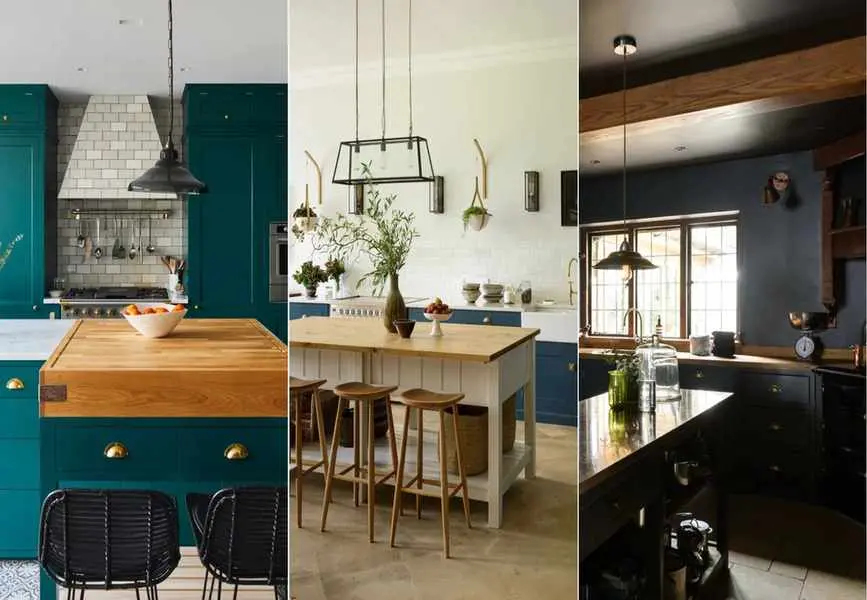
This year, butcher block countertops are gaining popularity in kitchen decor, infusing spaces with a blend of charm and tradition. However, it's vital to weigh the pros and cons before making a commitment.
These surfaces provide a warm, rustic touch, enhancing the visual appeal of your kitchen. But, they also come with certain drawbacks. Ensure your kitchen countertop ideas balance functionality with style; take your time to evaluate your options thoroughly.
We consulted industry experts to outline the benefits and downsides of butcher block countertops, helping you gather the necessary insights before choosing the perfect material for your kitchen.
Advantages of Butcher Block Countertops

It's easy to see why butcher block countertops are appealing. Their traditional and rustic attributes captivate many homeowners.
According to Laura Lubin, an interior designer, "Butcher block countertops bring a natural warmth and inviting character to a kitchen that's hard to replicate with other materials."
She adds, "Their wooden tones offer organic texture, enhancing depth and balance in various styles, from modern farmhouse to eclectic designs. You can tailor the finish to complement your space, whether you prefer a light or rich look."
Although butcher block is often associated with rustic kitchens, it can seamlessly fit into various traditional and transitional designs, depending on how you integrate it.

Helen Parker, creative director of deVOL Kitchens, notes, "Wood is a tactile material, providing a warmer feel than stone, making it perfect for kitchens that blend into living areas, giving them a less utilitarian vibe."
Beyond aesthetics, butcher block countertops are often more budget-friendly compared to stone alternatives like marble or quartz, making them an attractive choice for many homeowners, Laura points out.
If you're concerned about durability, natural stones like marble may not be ideal. However, if you prefer natural materials and are willing to maintain them, butcher block can be a great fit. Laura also mentions, "They're practical – you can sand and refinish the surface to deal with scratches or wear."
Disadvantages of Butcher Block Countertops
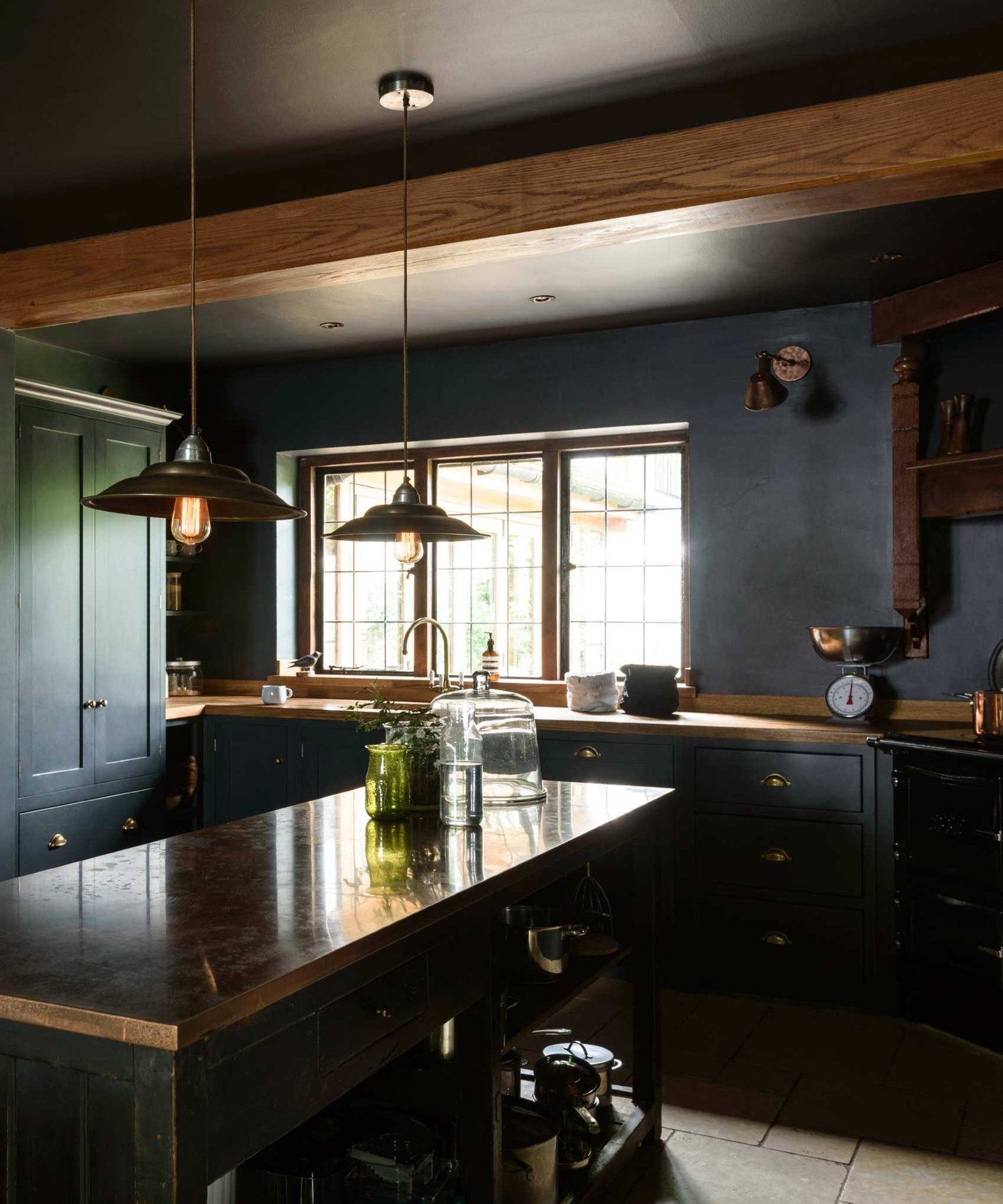
Despite their many advantages, butcher block countertops do have some downsides. While they can be sanded and refinished, the upkeep may be overwhelming for busy households.
Helen advises, "Maintenance is key. They require regular oiling and care, so keep them relatively dry and be mindful of their limitations."
They are susceptible to damage; over time, scratches and dents can become more noticeable. Laura notes, "Their soft surface is prone to marks, which may not be suitable for every homeowner's lifestyle, especially in high-traffic kitchens."

Additionally, it's crucial for your countertops to match your kitchen's style. The warm tones of butcher block may not fit every design aesthetic.
Laura explains, "From a design perspective, the wood's warmth may clash with ultra-modern or industrial spaces that favor a cooler, sleeker appearance." If your kitchen leans contemporary, butcher block might feel out of place.
Ultimately, butcher block countertops are an attractive option, but their suitability depends on your kitchen's style and your willingness to maintain them.
As Laura summarizes, "Their maintenance needs and sensitivity to heat can make them less practical for those who prefer low-maintenance solutions. However, for those who appreciate their natural beauty and are ready for the care involved, butcher block remains a remarkable choice that enhances both style and functionality."
If you're contemplating butcher block countertops for your kitchen, understanding these pros and cons will guide your decision. Weigh aesthetics against maintenance to find the right balance for your space.



