

Native grasses can transform your yard into a vibrant, eco-conscious oasis. These plants not only enhance your landscape but also thrive in local conditions, requiring minimal maintenance once established.
"Choosing the right grasses for your specific environment is crucial," advises an expert in horticulture. To find suitable native plants for your area, try using your zip code with a native plant locator tool.
This online resource, based on research from agricultural experts, helps gardeners identify the plants that naturally grow in their region.
Most local nurseries carry a variety of native species, and you can also find young plants and seeds from online vendors.
Be aware that different native grasses prefer diverse conditions, so ensure they match the light and soil types in your garden. For instance, a sun-loving prairie dropseed (Sporobolus heterolepis) won't do well in shaded, damp areas, even if it's native to your region.
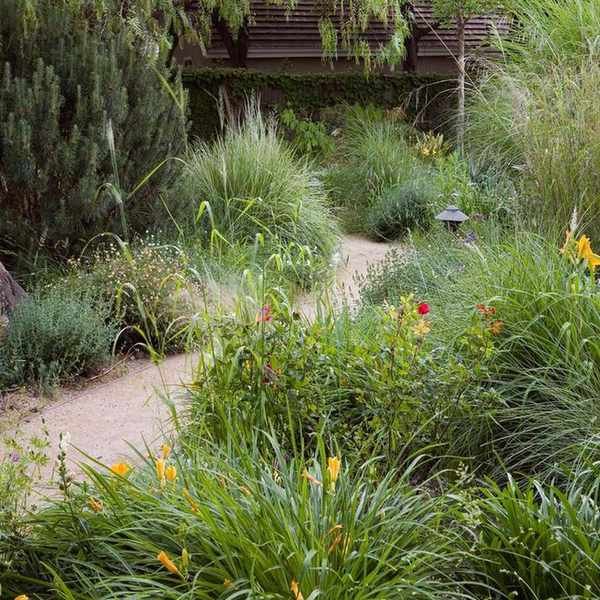
Expert Tips for Native Grass Care
Consider these important points to ensure your native grasses flourish.
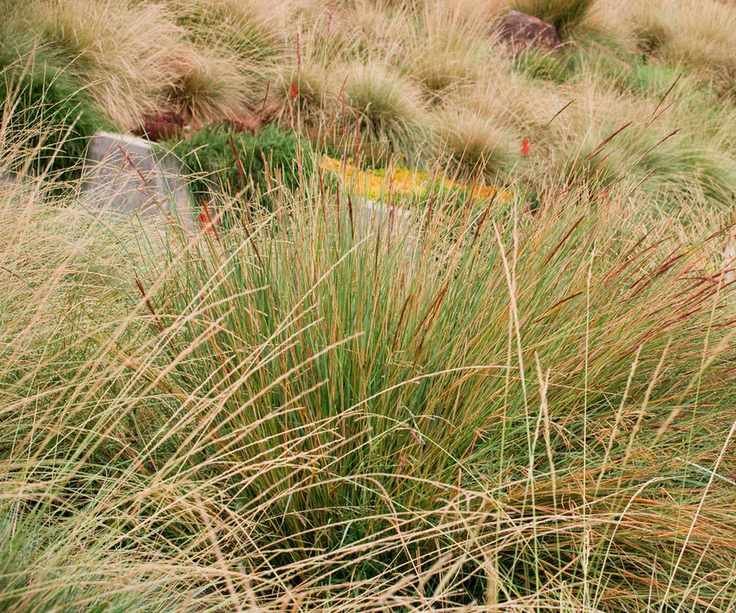
Plants like tall cordgrass thrive when planted from November to early January.
Timing for Planting Native Grasses
For regions with cold winters, the optimal times to plant native grasses are in the fall or early spring, when the soil isn't frozen or excessively wet. In hotter climates, aim for the cooler months from late fall to early spring.
It's recommended to plant just before or during winter rains, allowing plants to establish before summer heat. Ensure the grass is at the same soil level as in its original pot and avoid adding fertilizer when planting.
If sowing seeds, the best times are winter in hot regions or late fall to early spring in colder areas. Your seed supplier can guide you on the amount needed for your space.
Keep in mind that many native grass seeds feed local birds, so some protection may be necessary to enhance germination rates. In the following years, these grasses will produce sufficient seeds to fill your yard and benefit wildlife.
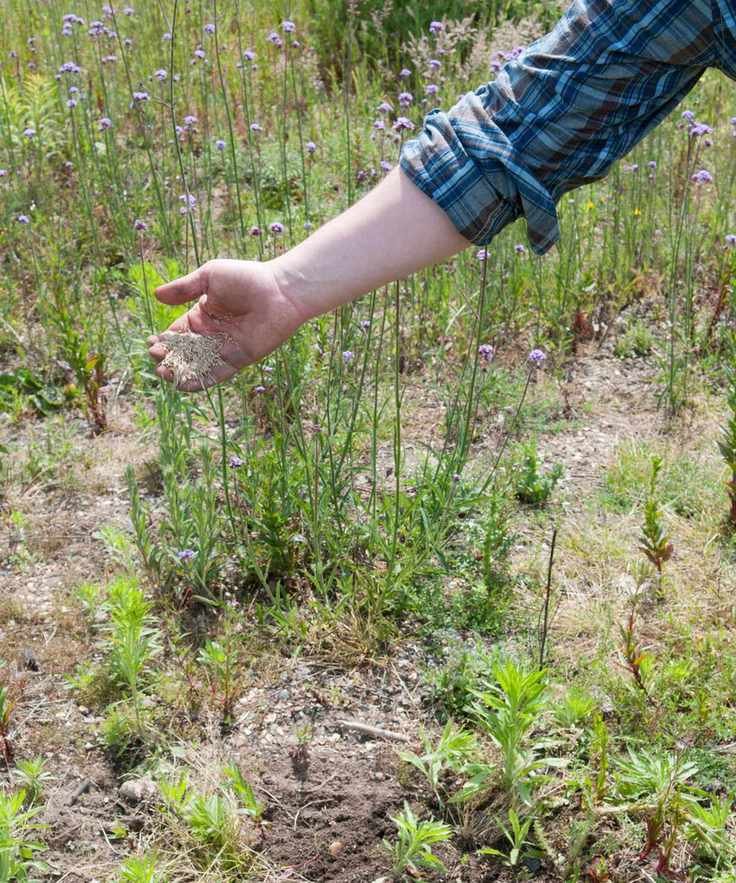
Sow native grass seeds in winter in hot areas, or late fall or early spring in cooler ones.
Watering Needs for Native Grasses
During dry spells, all grasses and sedges need consistent watering as they establish. An expert suggests giving each new plant one gallon of water weekly for the first year.
"Hand watering is most effective, targeting moisture directly at the base of the plants near the roots," she notes. "After that, they'll need minimal watering, about once a month if it's dry."
In many regions, once established, these grasses may require no additional irrigation. Warm-season grasses like little bluestem (Schizachyrium scoparium) and switchgrass (Panicum virgatum) develop deep root systems, making them highly drought-resistant.

Feeding Native Grasses
Typically, native grasses don't require extra fertilizer if planted in suitable sites. Excess fertilization can harm them, as nutrients can runoff and pollute local waterways.
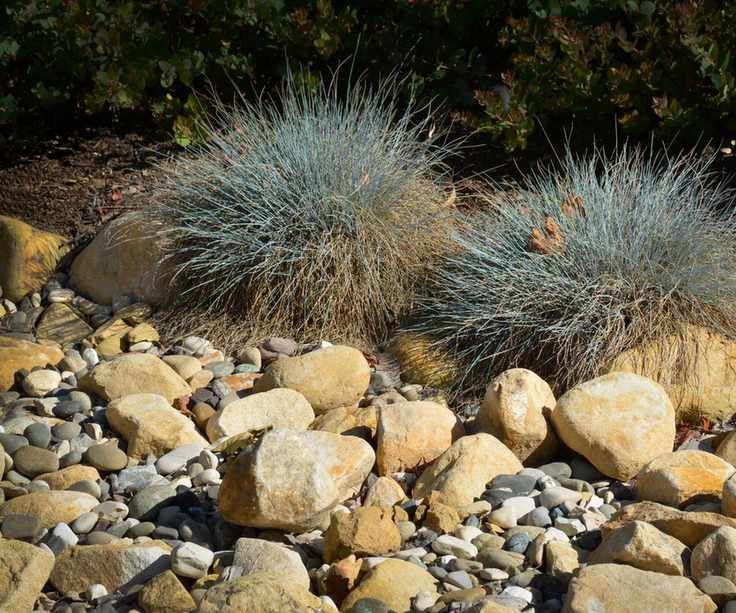
Pruning Native Grasses
A spring cut-back to remove old foliage paves the way for new growth and is often the only maintenance needed for deciduous grasses. For evergreen sedges, light mowing once or twice a year can keep them tidy.
Instead of shearing, gently comb through evergreen grasses to remove dead stems. This method helps them maintain their natural shape throughout the year.
If you've sown a meadow, traditional advice is to mow after seed set in late summer. However, some experts recommend waiting until spring to provide birds with seeds over winter. Alternatively, mow most of the meadow in summer but leave part standing until spring.
Be sure to clear away clippings after mowing to prevent soil enrichment, which could decrease flowering.
Are Pesticides Necessary for Native Grasses?
Experts advise against using pesticides on native grasses, as many support beneficial insects and provide habitat for wildlife.
Avoid products containing neonicotinoids, as these can severely impact native insect populations and their predators.



