Investing in high-quality coffee is fulfilling, especially when you know it supports both you and the farmers who produce it. So, how do you find ethical coffee?
Determining if your coffee is ethical, sustainable, or fairly traded involves several factors. I consulted two experts: Greg Campher, co-founder and Head of Coffee at a well-known brand, and Francesca Lavazza, a fourth-generation board member at another reputable coffee company. Both bring valuable insights into selecting responsible coffee.
If you're curious about what makes coffee ethical, Greg explains, 'To be considered ethical, coffee production must adhere to environmentally sustainable practices.' He recommends looking for shade-grown coffee that supports biodiversity or organic farming methods that minimize harmful substances. There's more to uncover about ethical sourcing.
Understanding Ethically Sourced Beans

Defining ethical coffee can be tricky since it encompasses various elements: the welfare of farmers and workers, ecosystem preservation, organic practices, fair trade, and more.
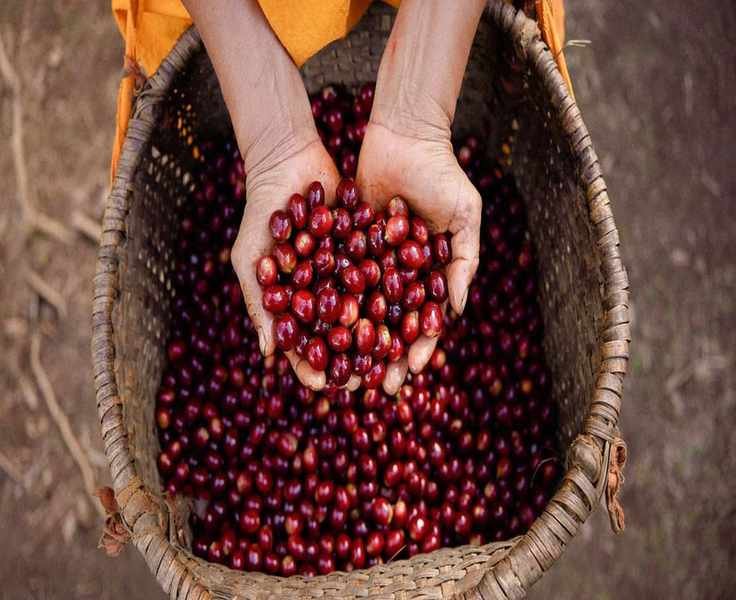
Greg elaborates, 'Ethical coffee is sourced sustainably, ensuring farmers receive fair compensation for their efforts. Many coffee-growing regions face economic hardships, climate challenges, and fluctuating prices. Ethical sourcing guarantees fair prices, enabling farmers to sustain their livelihoods and invest in their communities.'
He emphasizes that ethical beans come from carefully maintained environments. These coffees should thrive in biodiverse ecosystems, with minimal use of harmful chemicals and a focus on water conservation.
Investing in quality beans often means choosing ethical options. 'Supporting brands that are open about their supply chains gives consumers confidence in the quality and origin of their coffee,' Greg notes. Ethical choices can be both morally rewarding and delicious.
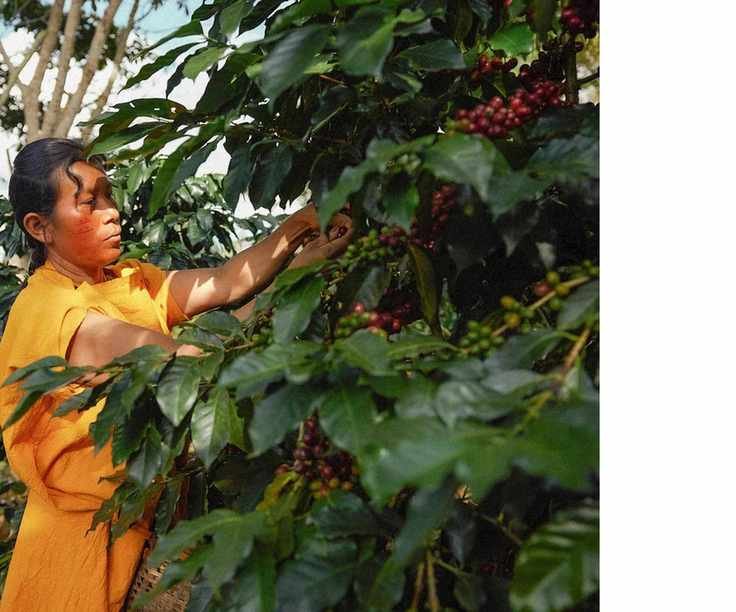
He adds that coffee-growing regions have rich cultural traditions linked to coffee production, like those of the Mayni Indigenous Community in the Amazon rainforest. Ethical sourcing helps preserve these cultural practices by empowering local populations.
How to Determine if Your Coffee is Ethical
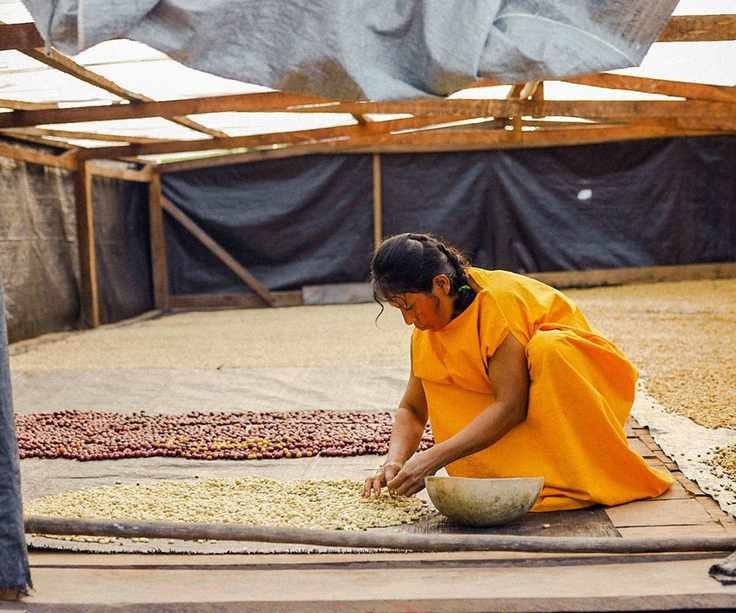
Even with good intentions, many people might struggle to identify ethical coffee. Certain brands are recognizable for their commitment to sustainability. For instance, one company has invested heavily in environmental efforts, including a group focused on sustainable development.
Look for certifications like Rainforest Alliance, organic, and WELL Health-Safety Rating. Francesca explains, 'These certifications are just a few examples of how we prioritize an environmentally responsible approach.'
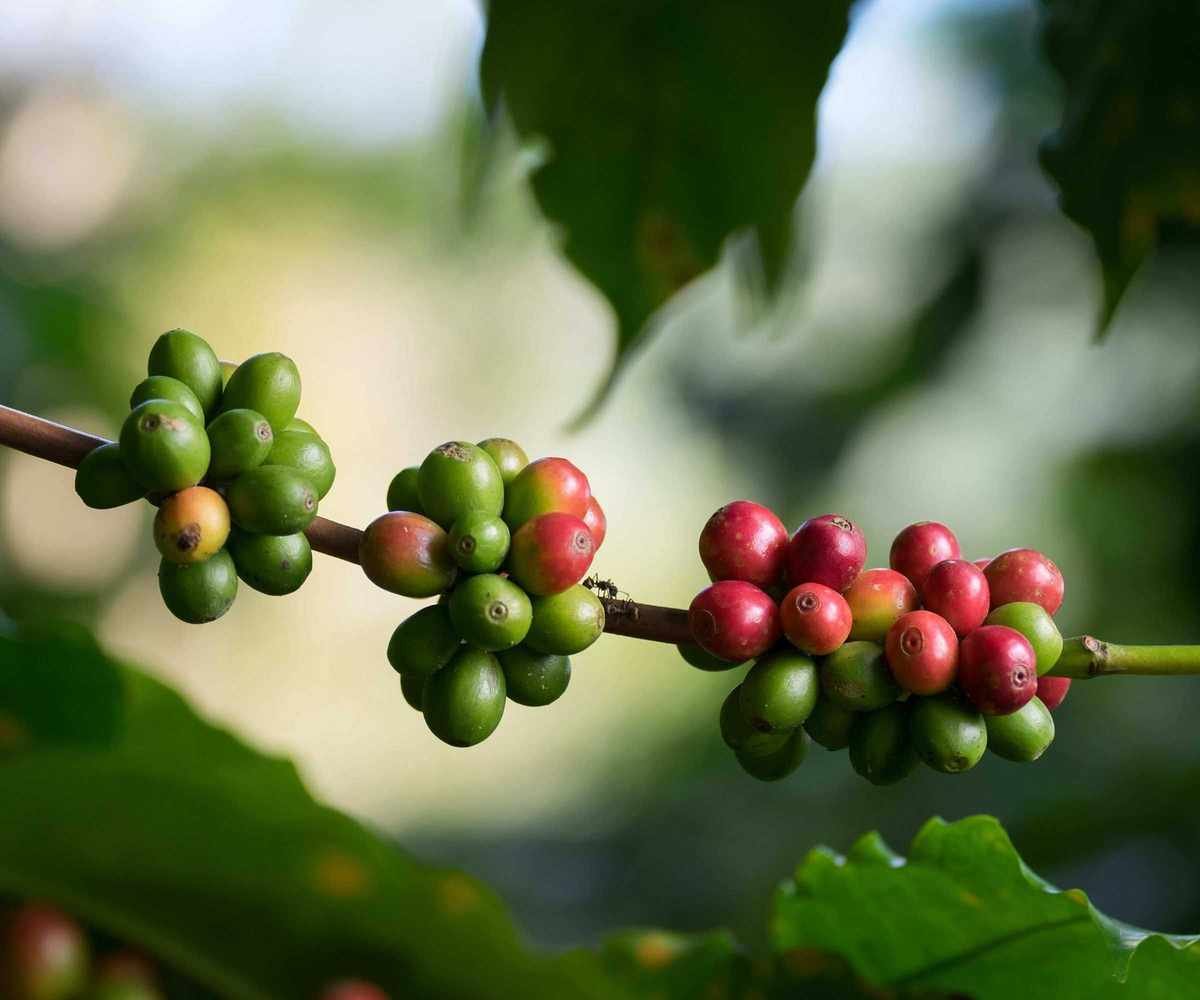
However, not all brands promote their sourcing as effectively. Greg points out, 'While certifications are a good starting point, many smaller brands making a significant impact may not afford them. Common certifications include Fairtrade, Rainforest Alliance, UTZ Certified, and Organic, which assure specific social and environmental standards.'
'Some brands share details about their sourcing practices on their websites or packaging. Seek brands that are transparent about their origins and how they support farmers. Our brand features the faces of our growers on packaging to connect shoppers directly with producers.'
Greg recommends buying from online retailers focusing on ethical sourcing, ensuring that most money goes to farmers. Local roasters and specialty shops typically prioritize these practices. Engage with café staff, read online reviews, and inquire about brands' sourcing methods. Research helps you make well-informed coffee purchases.
Certifications to Look For
Start with certifications like Rainforest Alliance, Organic, and others for reliable ethical sourcing. Francesca mentions that 'improving local living and working conditions may not be visible in your cup, but other resources can provide insight.'
Direct Trade, while not a formal certification, involves roasters working directly with producers, ensuring fair prices. Some companies highlight their direct trade relationships as proof of ethical sourcing.
Fairtrade certification guarantees producers fair prices, covering sustainable production and providing a living wage. It also encourages democratic decision-making and prohibits child labor and discrimination. Coffee with Rainforest Alliance certification meets stringent environmental and social benchmarks, ensuring fair treatment and local community support. UTZ Certified coffee signifies sustainable sourcing and adherence to environmental and social standards.
Organic certification ensures no synthetic pesticides or fertilizers are used, promoting soil health and biodiversity.
Brands Offering Ethical Coffee
For ethically sourced beans, consider one brand, recognized as a top choice for sustainability. Experts recommend several other companies, including:
- A well-known brand: Their latest beans exemplify quality and sustainability.
- Union: Known for beautiful beans, try their Natural Spirit for organic options.
- Lifeboost: Offers organic, low-acid, and non-GMO coffee known for its clean taste.
- Brewpoint: Focused on small-batch coffee, this woman and minority-owned business helps others start their coffee shops.
- Frinj Coffee: California-grown coffee utilizing an agroforestry model.
- Tiny Footprint: Claims to be the first carbon-negative coffee, supporting sustainability and fair labor.
- Tayst: Premium coffee that is also biodegradable and compostable.
- Cafédirect: Aiming for delicious coffee that benefits everyone since 1991, focusing on gender equality and climate action.
- Equal Exchange: Offers fairly traded organic coffee, tea, and cocoa from small-scale farmers.