
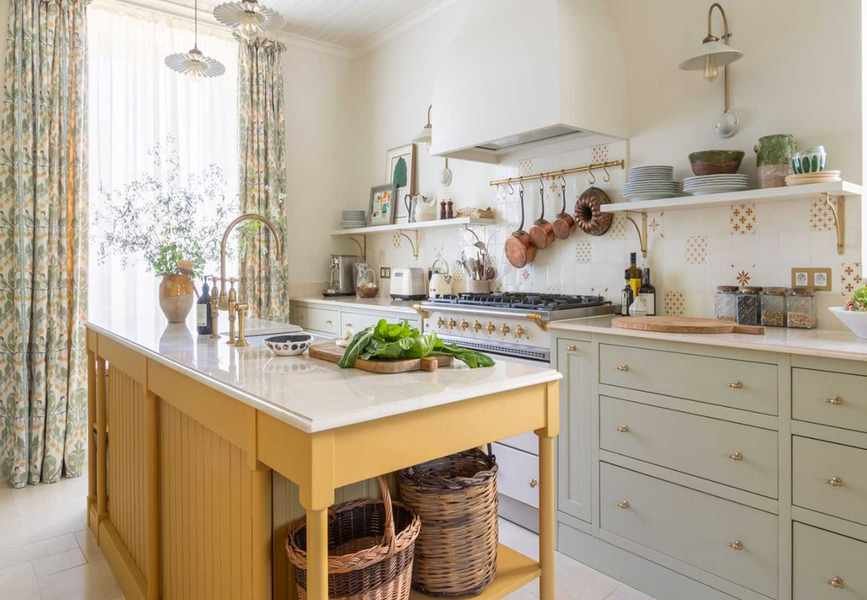
Selecting the right hue for your kitchen island is essential, as this centerpiece deserves thoughtful consideration. Many overlook the importance of this choice, but it's crucial to pick a shade that remains beautiful and relevant over the years.
Your island stands out as a prominent feature in the kitchen, so opting for a color that feels timeless is key. This isn't just about following trends; it's about ensuring your island complements your space for years to come.
To guide you in your decision-making, we've compiled a comprehensive overview filled with inspiring ideas, expert combinations, and colors to steer clear of.
Top Kitchen Island Color Choices
Finding the right shade for your kitchen island can be easier when you look at existing spaces. Here are eight classic designs where the island's color enhances the overall aesthetic, showcasing a range from neutral to bold.
1. Green Kitchen Islands
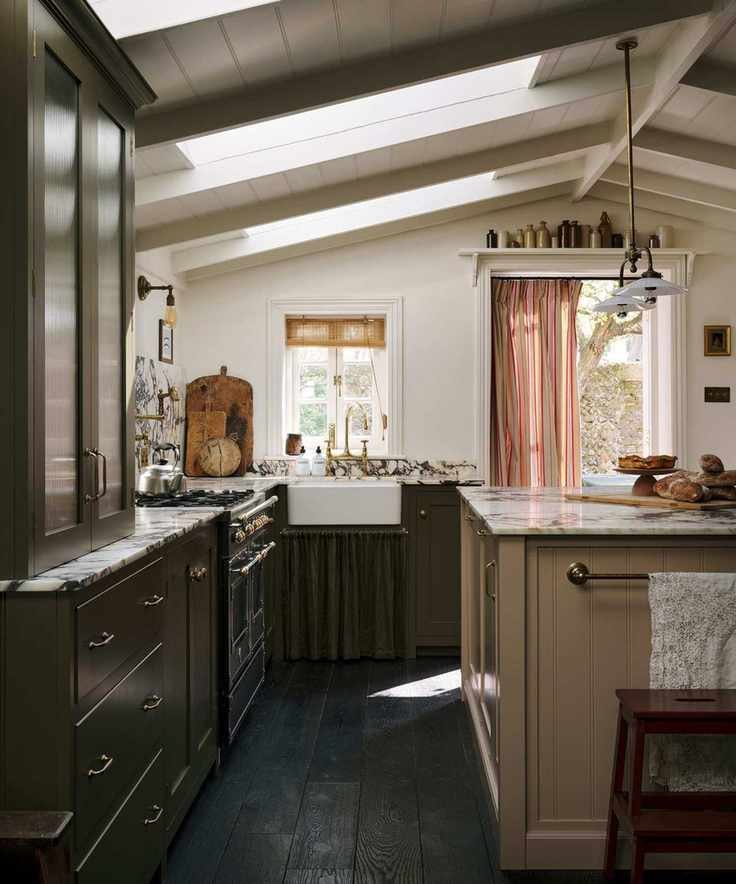
This olive green island softly contrasts with the surrounding cabinetry.
For those seeking a colorful yet subtle option, green kitchen islands are ideal. This earthy hue acts as a refreshing take on neutrals.
Green islands blend seamlessly with neutrals, wood finishes, soft pinks, and buttery yellows. Pairing it with lighter green cabinetry creates a harmonious look.
2. Burgundy Kitchen Islands
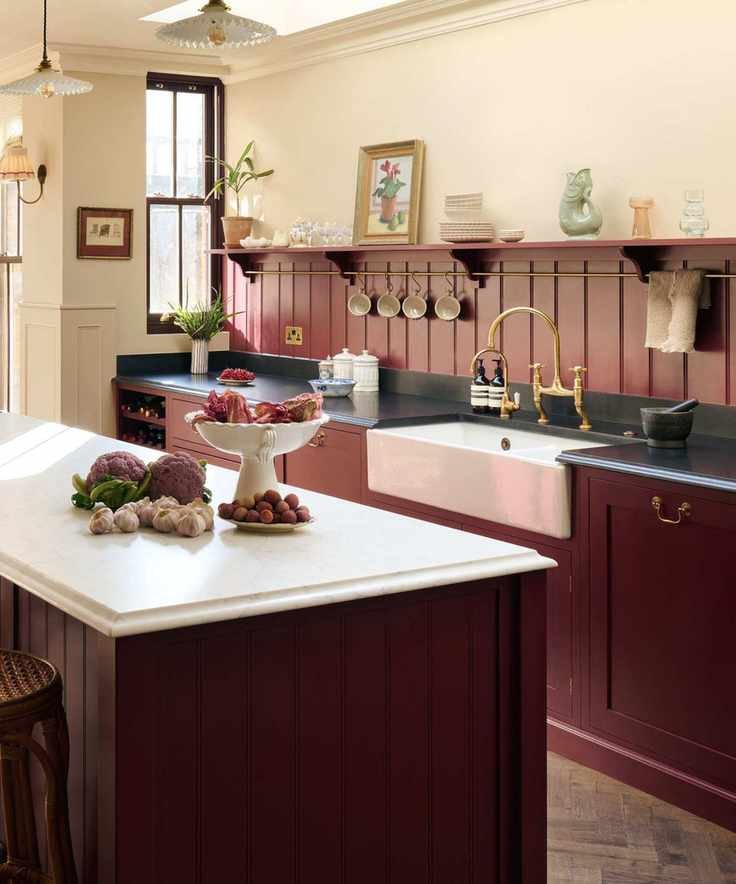
Burgundy adds a chic touch, making it a perfect island color.
Burgundy has become a sought-after color for kitchens, especially for islands. Its warm, rich tone brings character while remaining timeless.
This color works beautifully alongside white cabinetry for a more neutral feel, or with soft pinks and yellows for a vibrant touch. A cohesive burgundy scheme with warm neutral walls creates an inviting atmosphere.
3. Blue Kitchen Islands
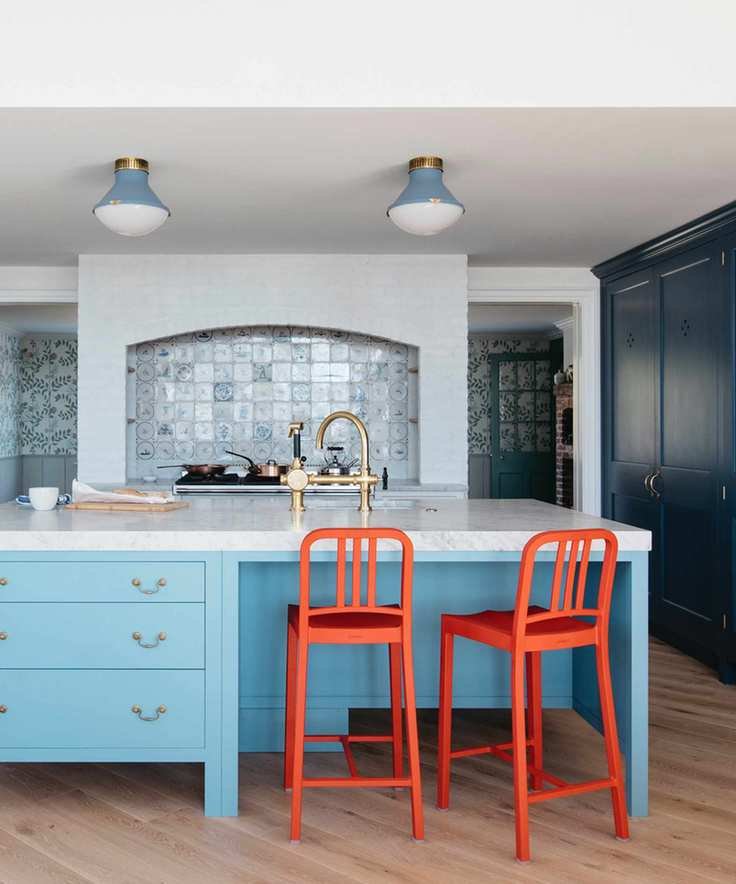
A light blue island paired with red stools adds vibrancy to the kitchen.
When selecting a color for your island, choose classic hues that stand the test of time. Blue kitchens offer a great starting point.
From soft pastels to deep navy, blue islands can adapt to various styles. Pairing an ocean blue island with white cabinetry or navy with greige creates a stunning combination.
4. Yellow Kitchen Islands
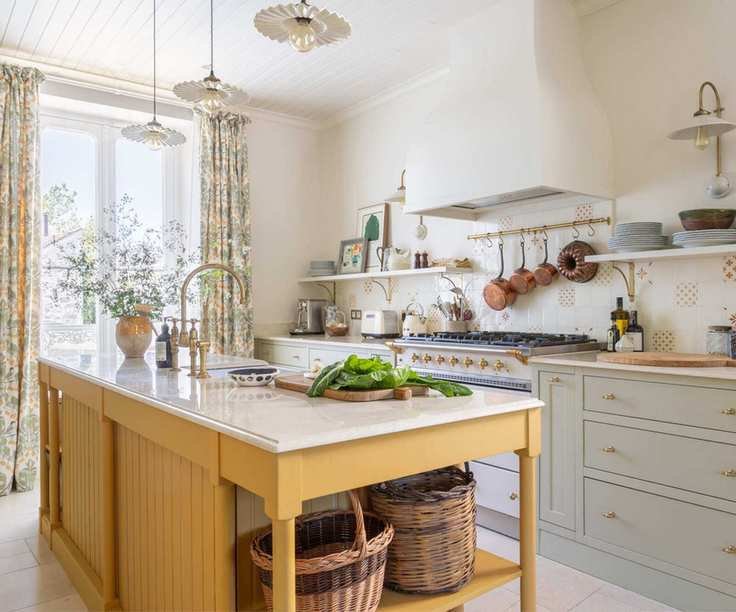
Light yellows can add a subtle brightness to your kitchen.
Yellow is experiencing a resurgence, especially in traditional and cottage-style kitchens. Instead of overwhelming the space, introducing yellow through your island can provide a cheerful touch.
Yellow islands pair nicely with neutral cabinetry and can also work well with bolder shades like burgundy and soft blue-green for a cozy feel. Soft yellow shades, like butter yellow, can create a warm, inviting vibe.
5. White Kitchen Islands
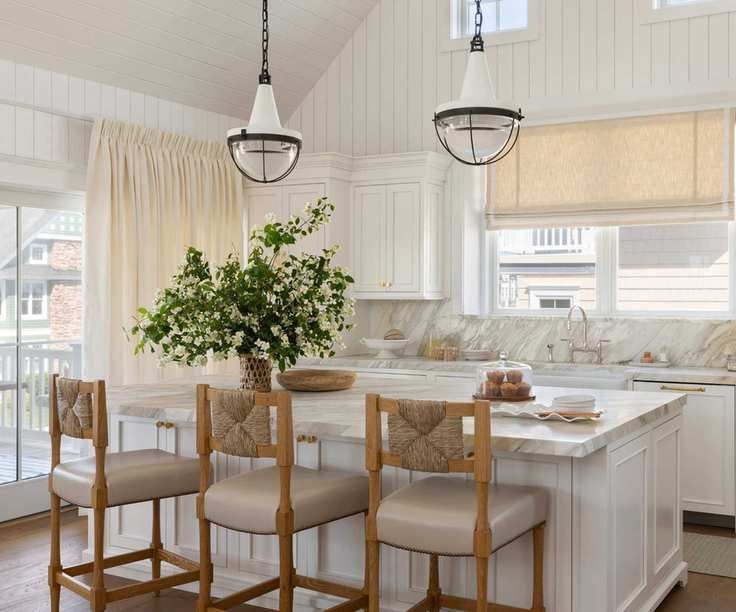
A white island is a classic choice that allows for accessory warmth.
If you prefer a minimalist aesthetic, consider a white island. This timeless choice can be a neutral staple in your design.
Selecting the right shade of white is crucial. Warmer whites create a welcoming atmosphere while contrasting with other elements in the room, such as cabinetry, tiles, or decor.
6. Wooden Kitchen Islands
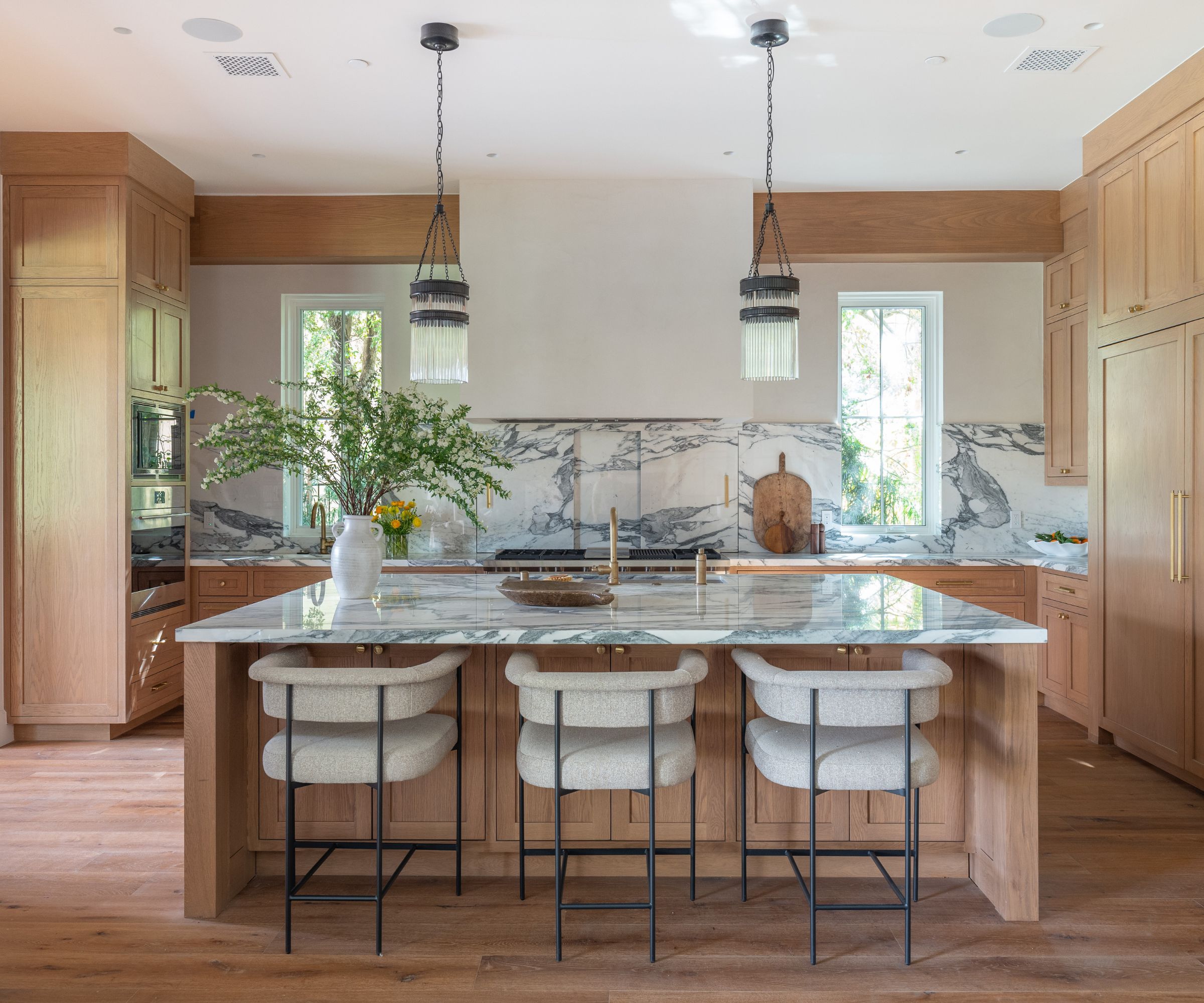
A wooden island adds a classic touch and can complement various styles.
While wood is a material rather than a color, its natural tones make a stylish choice for kitchen islands. As wooden kitchens remain popular, introducing wood can add warmth and character.
Consider the finish, with options like white oak for a light look or honey oak for a warmer touch, enhancing your kitchen's design.
Choosing the Right Color for Your Kitchen Island
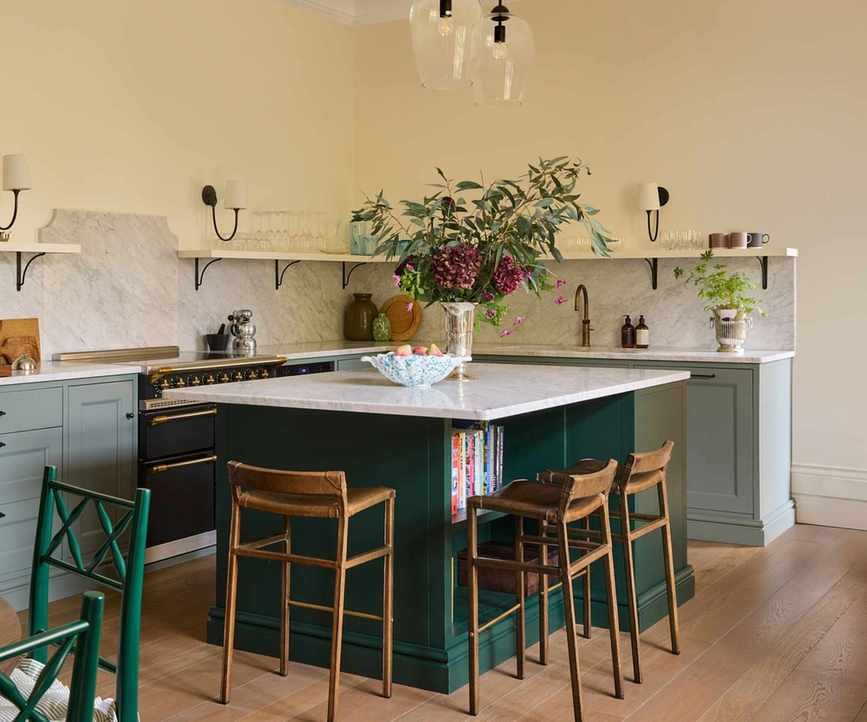
A green island beautifully contrasts with blue cabinets and marble countertops.
Choosing the ideal color for your kitchen island involves more than just picking a paint. Several factors will influence your decision, including your personal style and the existing colors in your kitchen.
Material and Atmosphere
Consider the mood you want to create and the materials that will harmonize with your design. The island should connect with natural elements like stone and wood.
As kitchens evolve towards more layered styles, the island should feel cohesive with the overall design rather than a standalone feature.
Light and Architecture
The relationship between your kitchen and the rest of the home can influence your island's color. An open layout may call for a bold island while a more enclosed space could benefit from a subtle integration.
Consider how light affects color perception. A brightly lit kitchen will make colors appear more vivid compared to a dimmer space.
Functionality
Functionality is vital when selecting a color for your island, given it's often the most used surface. Treat it as a piece of furniture that needs to withstand daily wear.
Durable finishes are essential, as the island's color must endure over time without appearing overly decorated.
Matching vs. Contrasting Islands
Your choice between matching your island with cabinetry or contrasting it will shape the kitchen's overall look.
Determine how many colors to incorporate into your design, as too many can lead to visual clutter.
When to Choose a Contrasting Island
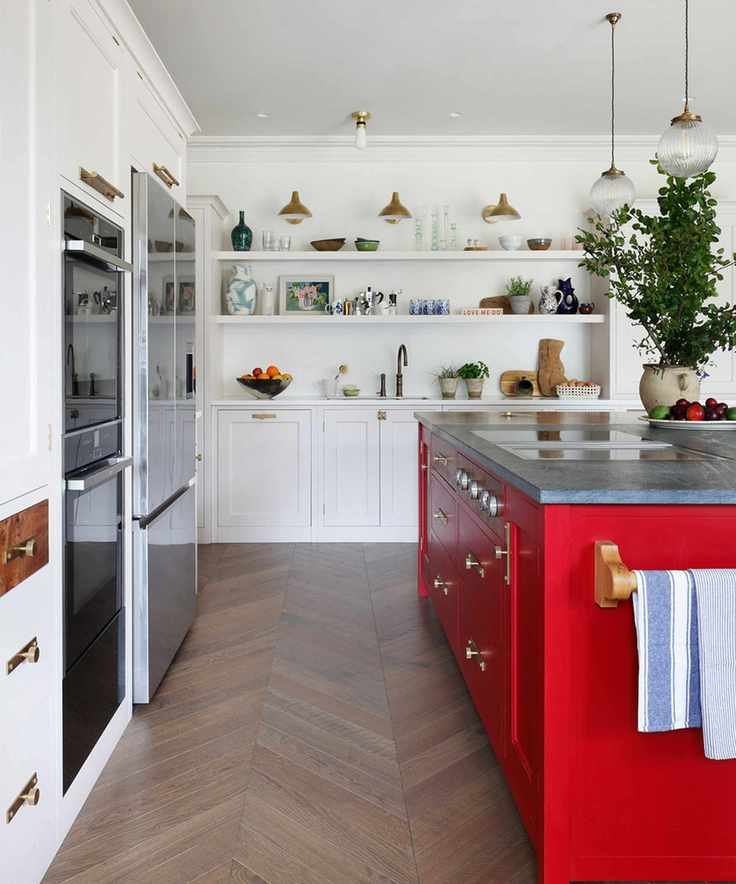
A vibrant red island adds a playful touch against white cabinetry.
Contrasting islands are great for adding interest, especially in traditional or eclectic designs. If your kitchen leans towards classic styles, a contrasting island can become a standout feature.
When to Choose a Matching Island
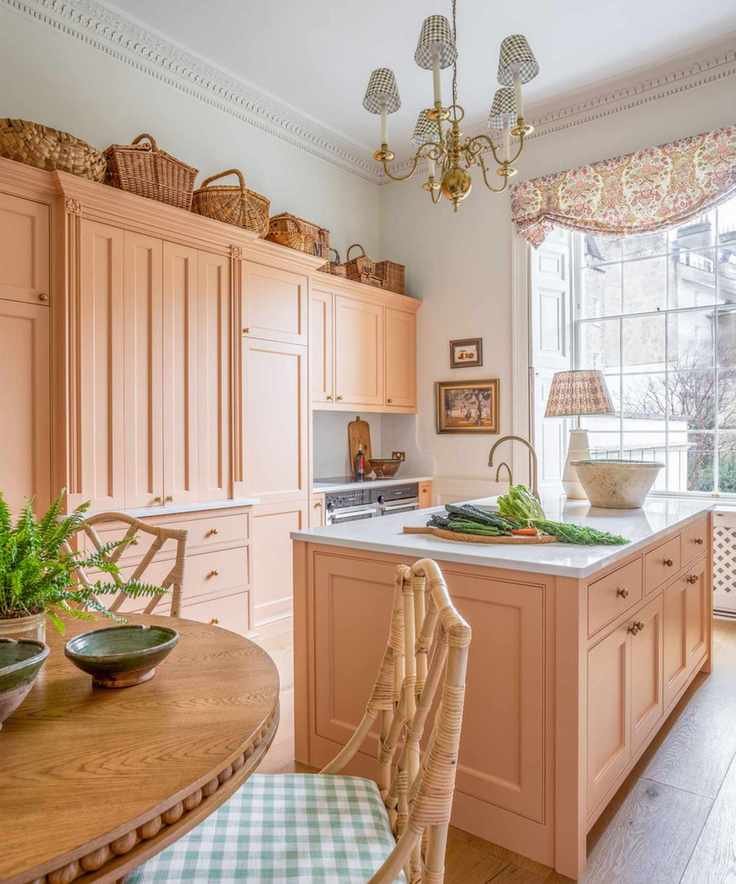
Matching colors add a calming effect in smaller kitchens.
In smaller spaces, matching the island with cabinetry creates a cohesive look that prevents overwhelming the area. Introduce contrast through elements like hardware or lighting instead.
Foolproof Color Combinations
If you're unsure about designing your kitchen, here are a few timeless color combinations to consider for your island.
1. Warm White and Natural Wood
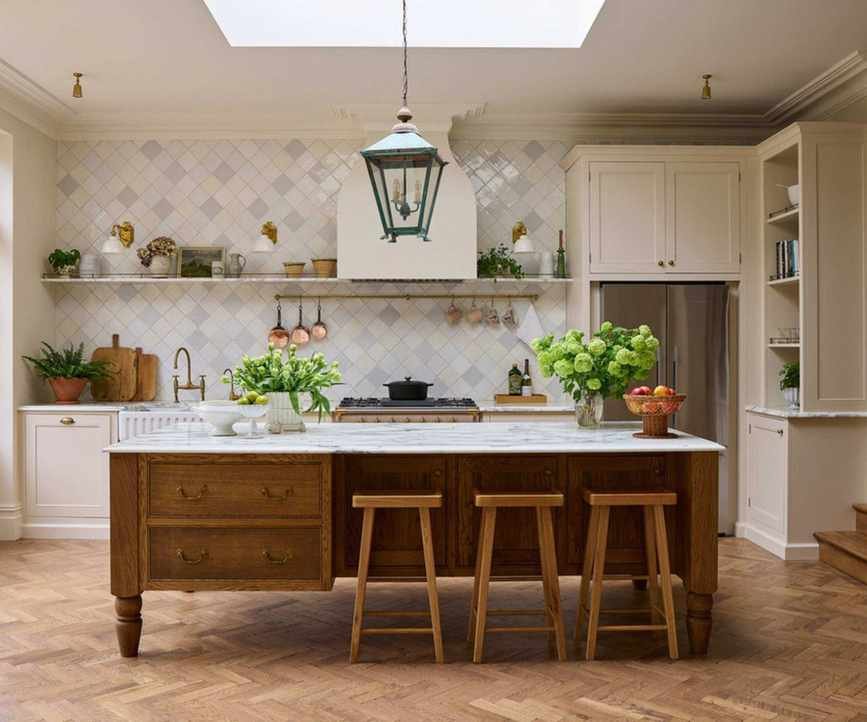
Warm off-white pairs beautifully with a wooden island.
A wood and white palette creates an elegant look. Aim for natural wood on the island paired with warm white cabinetry for balance.
2. Pink and Green
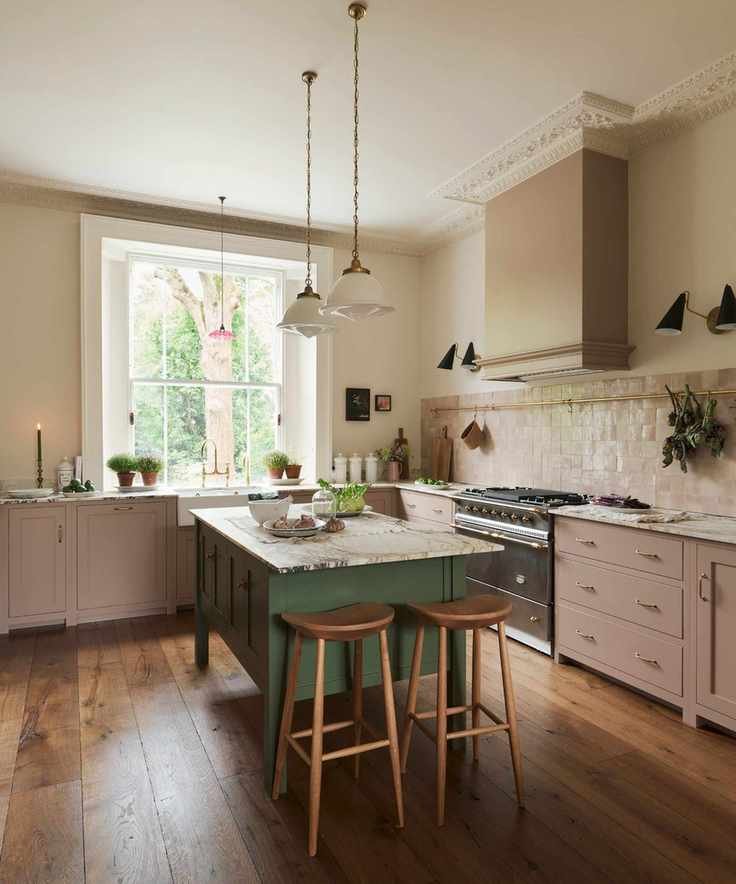
A soft pink base with a green island offers delightful contrast.
For a colorful kitchen, consider pink and green. A soft pink creates a classic foundation, while a muted green island adds charm.
3. Deep Blue and White

Blue and white create a stunning contrast.
This classic pairing remains popular for a reason. Consider warmer whites with navy or powder blue for a timeless look.
4. Light and Dark Shades of Green
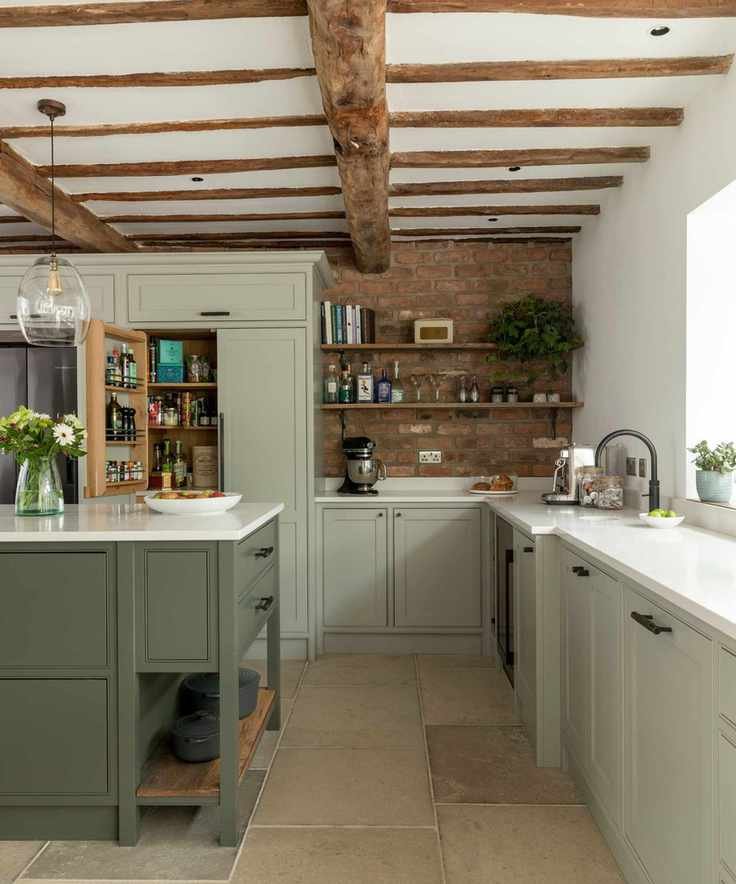
Tonal designs offer a cohesive feel with contrasting shades.
For a harmonious look, opt for green tones in varying shades. A darker island against lighter cabinetry creates balance.
Colors to Avoid for Kitchen Islands
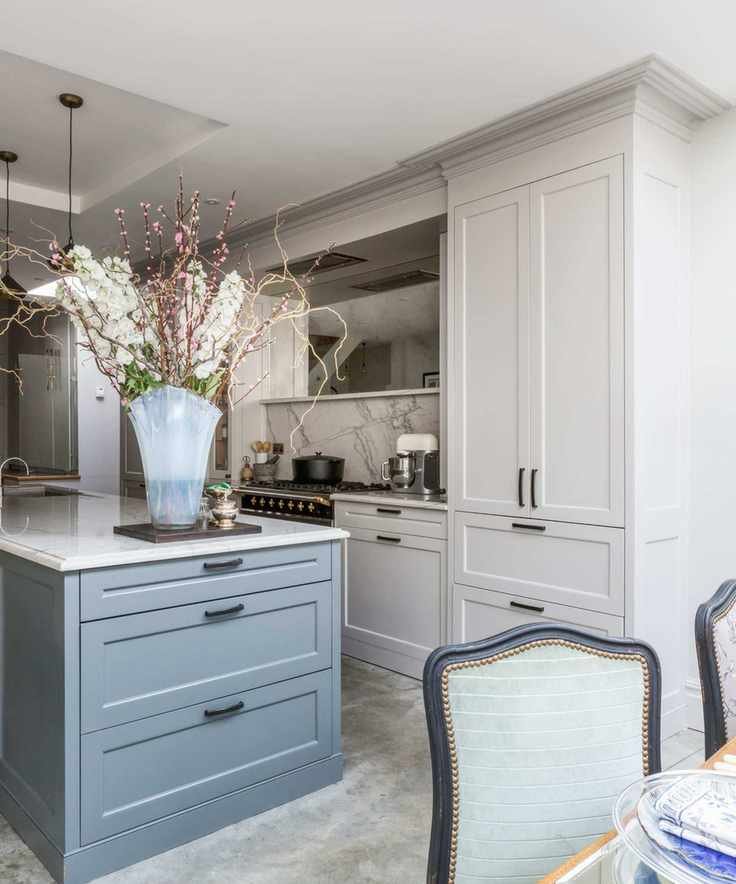
Sticking to classic colors like blue and white can prevent mistakes.
While color choice is subjective, designers often recommend avoiding certain palettes for a timeless feel. Stark white islands can appear flat and less inviting over time.
Avoid high-contrast combinations that lack harmony, and be wary of fleeting trends that may quickly feel outdated. Opt for colors that resonate with natural materials to ensure longevity.
Overly bright or saturated colors can limit your space's warmth, so choose wisely. Balance is key; no one wants a washed-out kitchen.
Choosing the right kitchen island color involves understanding its interaction with your space's scale and layout. With expert guidance, making your choice will be much simpler.



