
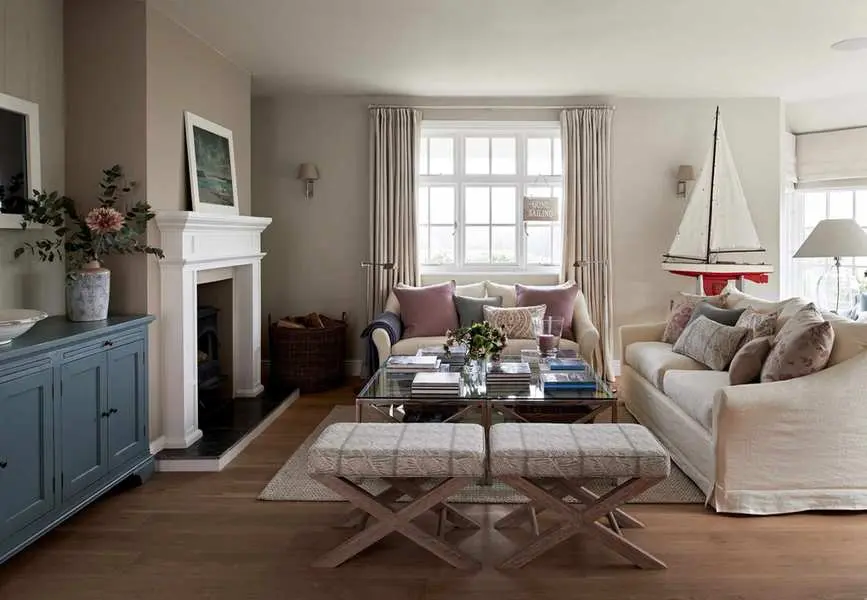
Picking the right paint colors can dramatically change a room. Colors shape the atmosphere, influencing everything from serenity to vibrancy, ultimately impacting your interior project's success.
While personal taste is essential, several factors influence how you perceive a color. For instance, natural light alters throughout the day based on your room's orientation. Some areas may be sunlit, while others remain shaded. Additionally, the colors of your furniture and decor can affect your color perception.
If you struggle to visualize a color in your space, use a tester pot to create a sample. Paint a swatch on a sizable piece of lining paper and move it around the room over several days to see how it looks.
Here are expert tips on how to choose paint colors that bring your creative ideas to life.
Choosing Paint Colors
Whether you're after living room or bathroom paint ideas, the principles remain the same. Whether you're painting an entire room or just one wall, getting the color right is critical. Different finishes also alter how colors appear, so it's wise to experiment.
1. Select the Perfect Shade of White
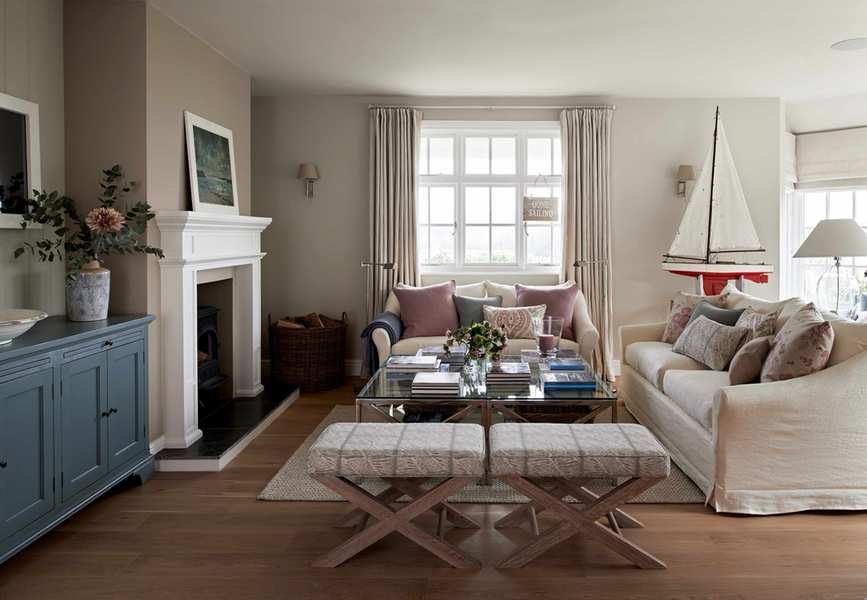
Whites are timeless for creating a fresh, airy ambiance. With many tones available, each can evoke a different feel, from cooler shades that enhance space to warmer tones that soften a room. 'Combining various whites adds subtle contrast while maintaining a classic aesthetic,' says an interior designer.
'We often opt for a darker white on walls, like Farrow & Ball's Shaded White, paired with a brighter hue for trim and mantels, such as School House or All White.'
2. Embrace Bold Colors
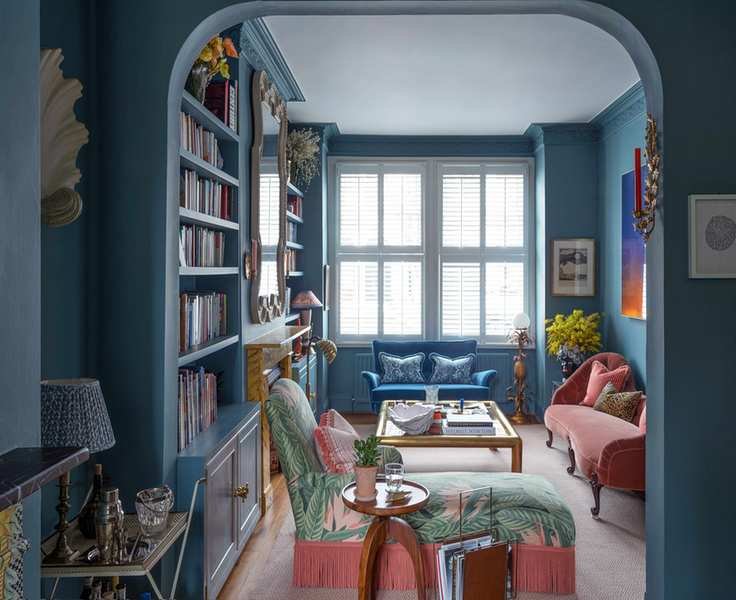
'Bold colors can make spaces feel inviting, provided the lighting is right,' shares a designer who loves using rich hues in living rooms and hallways.
'Low lighting or candles help create a cozy atmosphere. During daylight, these colors feel vibrant, while evening settings offer a softer embrace with the right lighting.'
3. Match Colors to Room Temperature
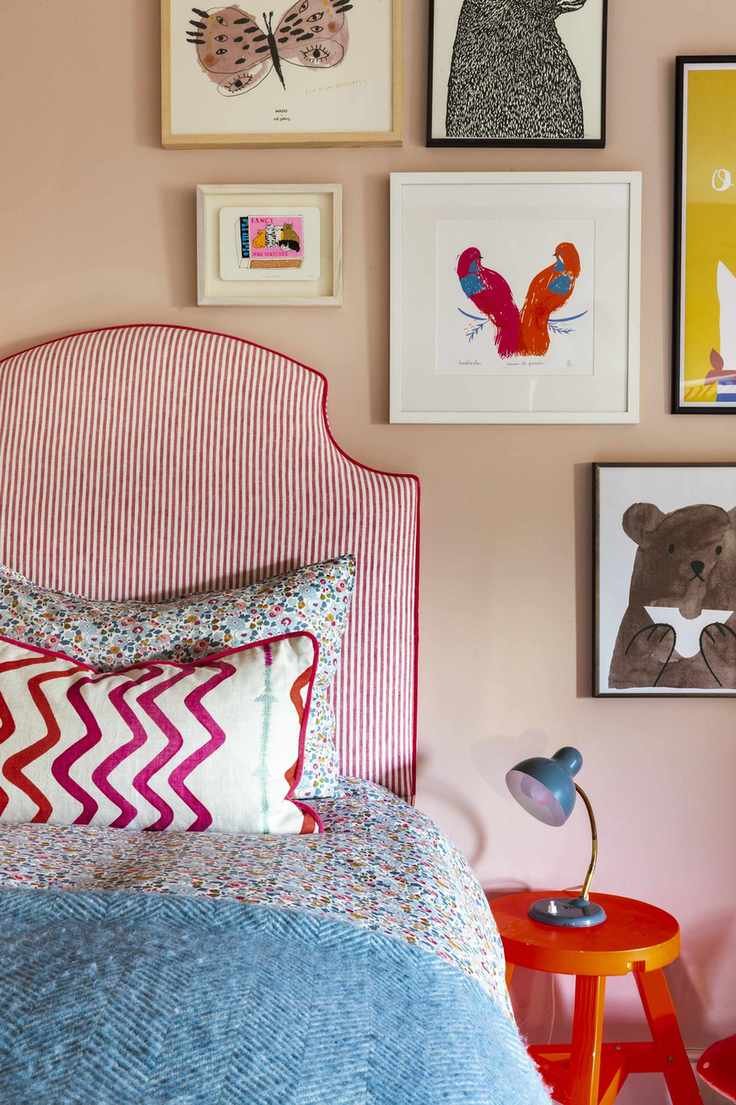
Colors are categorized by temperature: warm (reds, oranges, yellows) and cool (greens, blues, violets).
'Warm hues create a cozy, welcoming vibe, while cooler shades bring tranquility, making them ideal for bedrooms,' suggests a designer.
4. Use Cool Tones Wisely
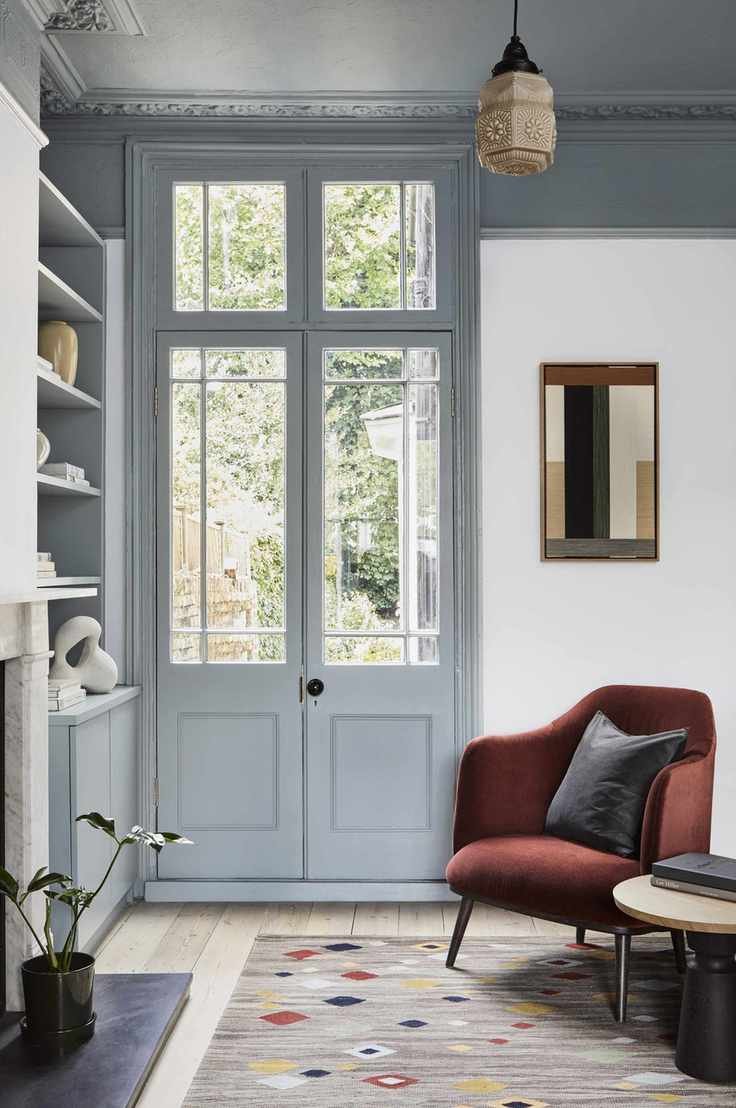
Cool colors are known for their calming presence and can make spaces feel larger. An off-white with soft blue-green tones, paired with a deeper blue-grey woodwork, creates a serene palette.
5. Use Bright Colors as Accents
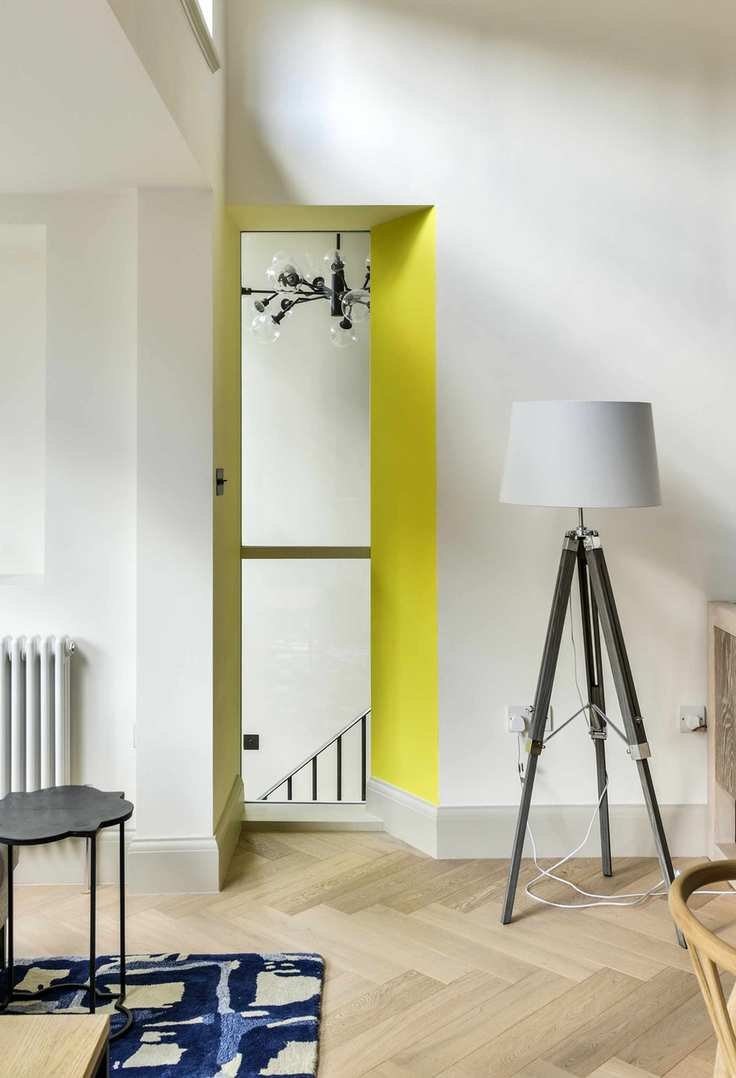
Accent colors can dramatically enhance a room's aesthetic. A striking wall color can draw attention to a focal point. 'We framed an internal window with a lively yellow to invite sunshine into the space,' shares a designer.
6. Prepare Your Color Palette
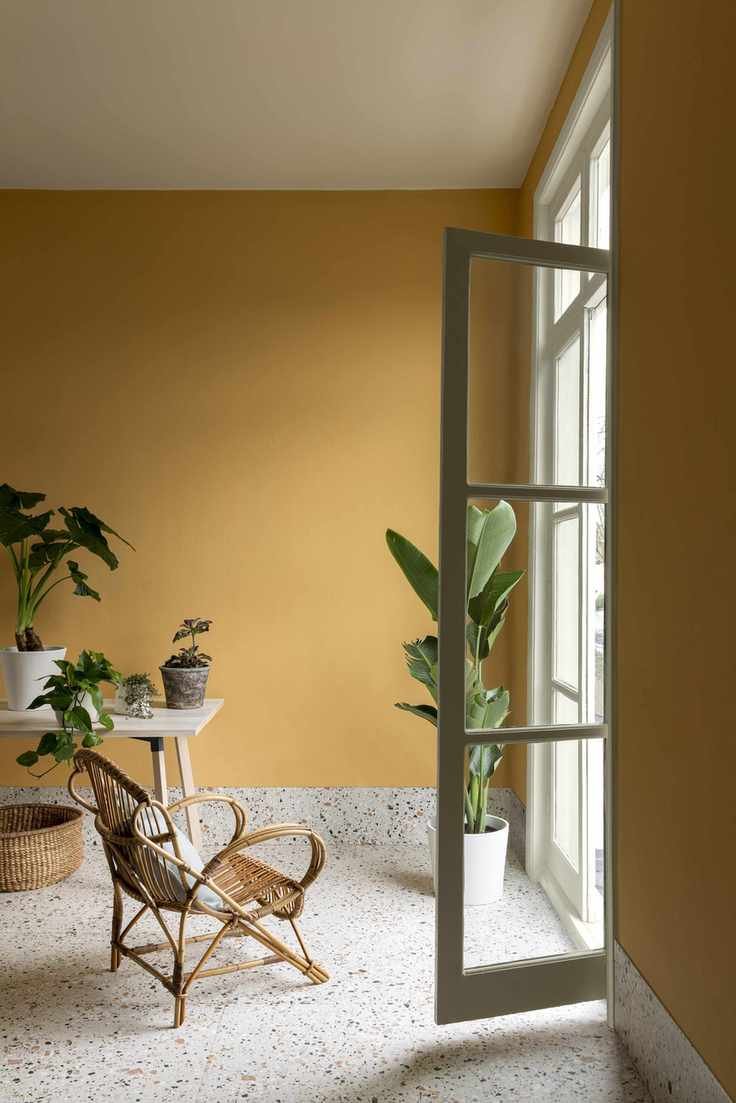
The color wheel is a handy tool for selecting your palette. Complementary colors energize each other, while harmonious colors create visual appeal. Bright yellow walls can pair beautifully with leafy greens.
7. Achieve Balance with Colors
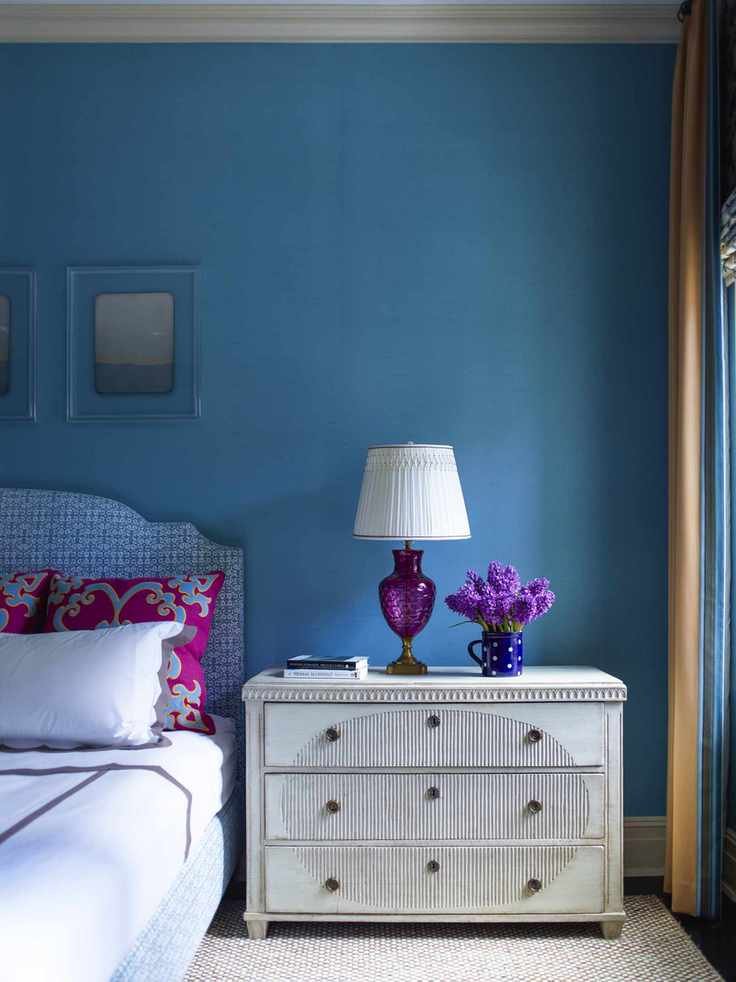
Bright colors can be uplifting, but too much can overwhelm. Balancing bold shades with softer tones can be effective. A neutral ceiling and carpet can ground vibrant elements.
8. Enhance Ceilings with Coordinating Colors
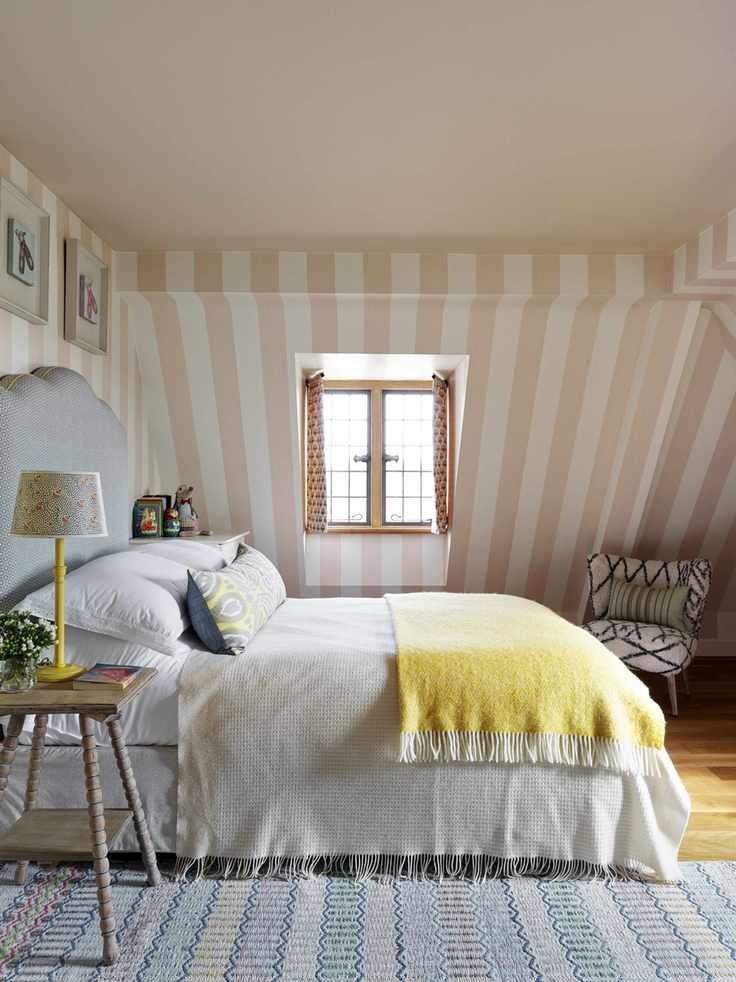
Painting ceilings the same color as the walls can create an illusion of height. For darker walls, a warmer white tone softens the contrast, enhancing the room's overall flow.
9. Create Contrast with Colors
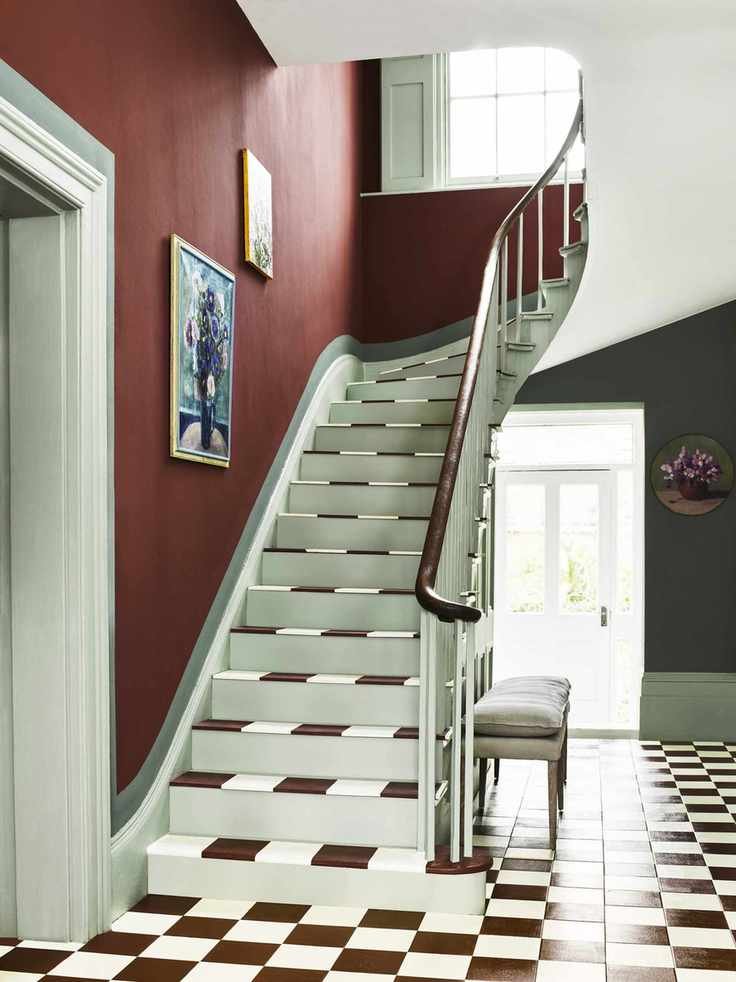
'Red exudes warmth and energy, making it ideal for busy spaces like hallways,' notes a paint expert. Mixing Primer Red with Cambrian Blue creates a striking contrast that energizes a room.
10. Utilize Modern Neutrals
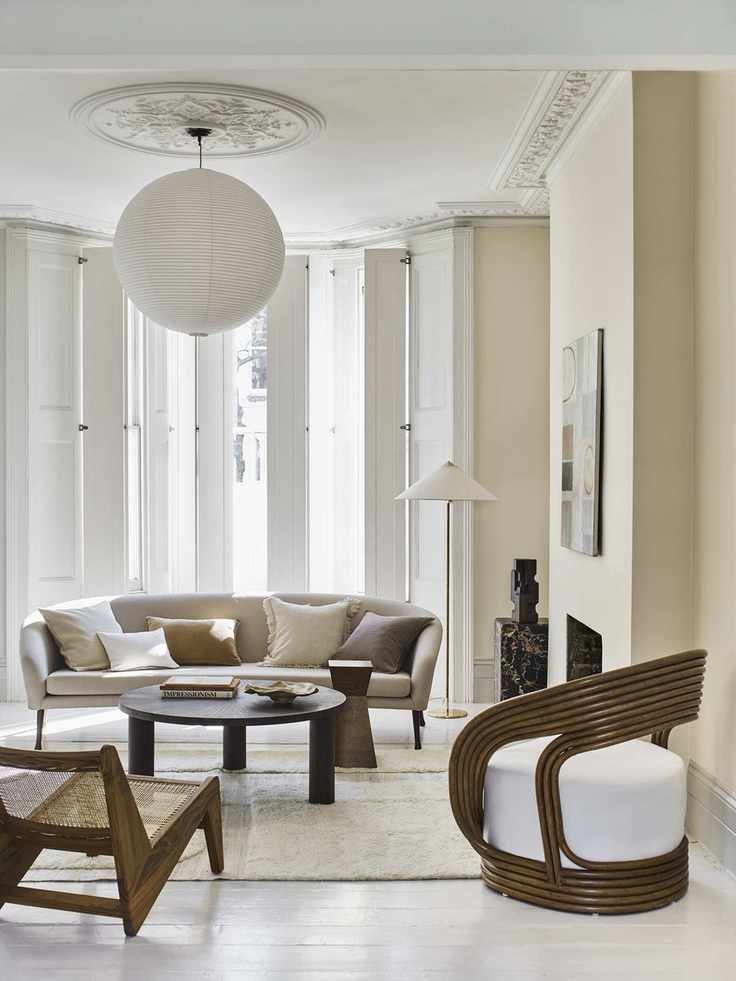
Neutral colors, from whites to grays, serve as a soft backdrop or can be layered for texture. If unsure about a color's undertone, compare it to a bright white chip. Soft cream walls paired with warm white trim and dark furniture create a sophisticated look.
How to Select the Right Color
Identify colors that resonate with you and determine the mood you want to evoke. Consider how the color interacts with existing furnishings and whether you prefer a bold statement or a subtle backdrop. Create a mood board to visualize your ideas, then test a swatch to ensure it aligns with your vision.



