
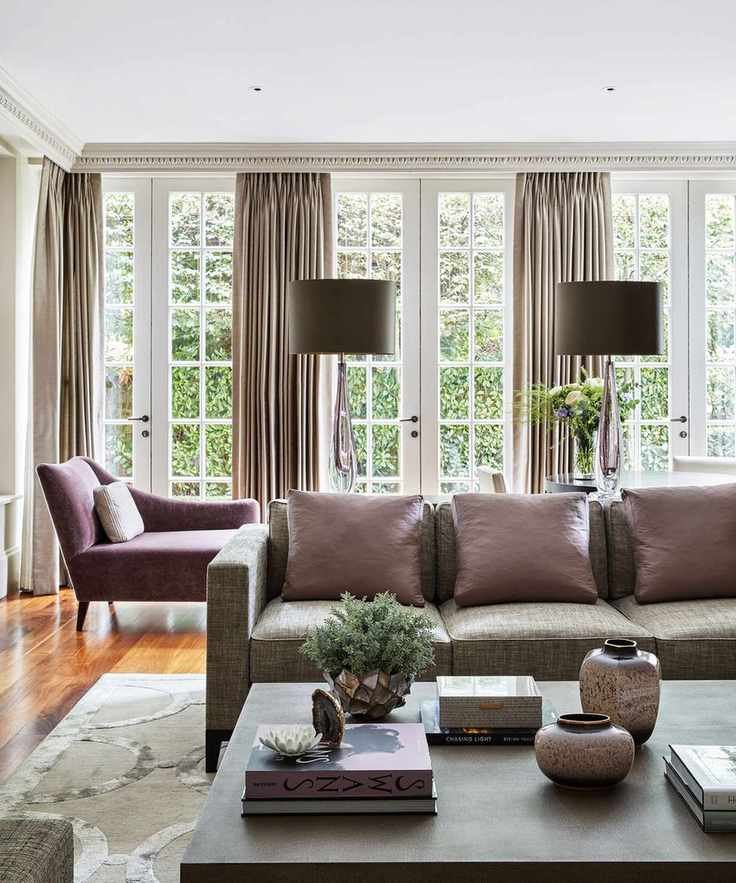
Selecting suitable curtains requires considering whether you prefer a classic or modern aesthetic, alongside how formal or casual you want your window treatments to be.
Understanding your window treatment ideas is essential. Knowing the appropriate headers and fabrics can significantly impact the overall appearance, light control, and style that complements your space.
This article explores various curtain header types and how they affect the curtain's overall look, as well as how fabric choices influence their drape and light-blocking abilities.
Different Types of Curtains
When considering curtain types, focus on the header design, which affects how you hang the curtains, the pleating style, and the fabric choice. The material not only influences light filtration but also the visual weight of the curtains, ranging from airy and light to dense and rich.
Types of Curtain Headers
Different headers produce distinct pleating styles and fullness. Here are the various curtain header types to consider:
1. Pencil Pleats
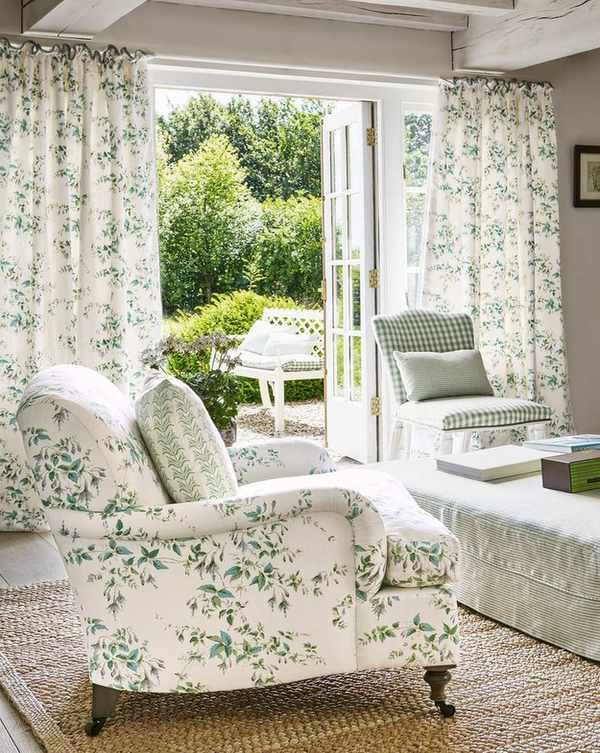
Pencil pleats are a well-liked gathered header type that creates numerous pleats, offering a relaxed and casual vibe. These aren't ideal for wide windows, as the required fullness may not stack neatly.
2. Pinch Pleats
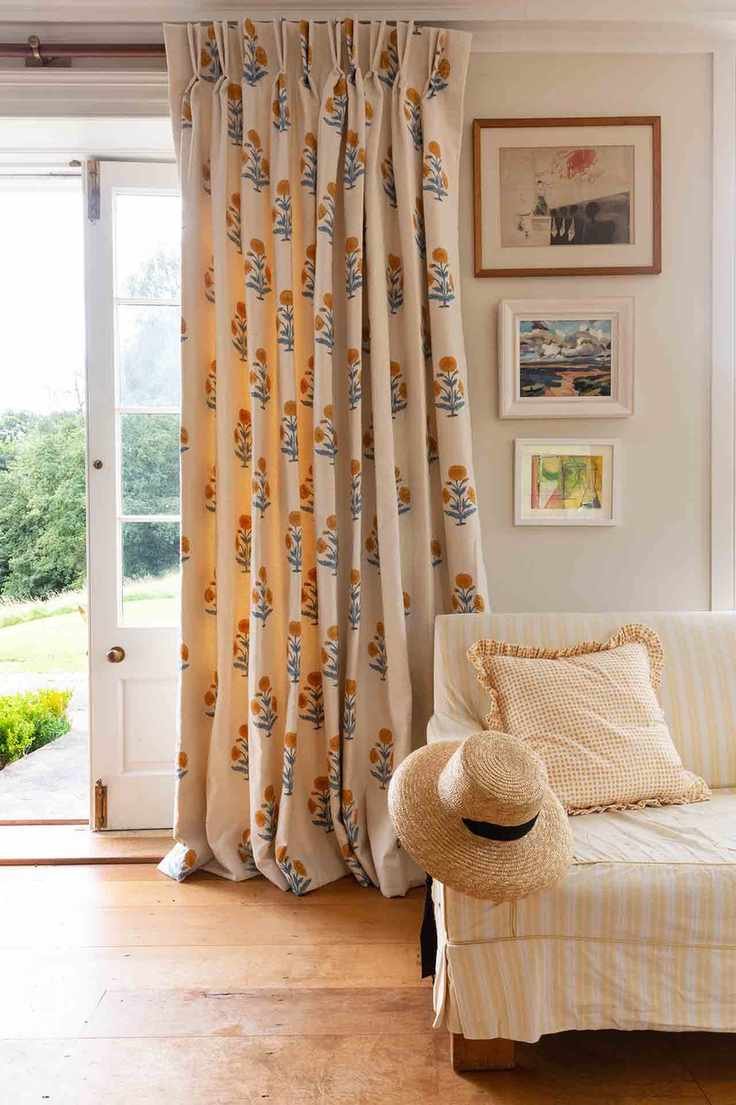
Pinch pleats are sewn into the fabric, providing an elegant finish. You can choose between single, double, or triple pinch pleats. The first two offer a simpler look, while the triple version requires more fabric and gives a more refined finish.
'Double pleat curtain headers look polished and structured,' notes Ann Grafton, managing and creative director. 'They bring classic elegance to both traditional and modern spaces, making them perfect for any home style.'
3. Tailored Pleats
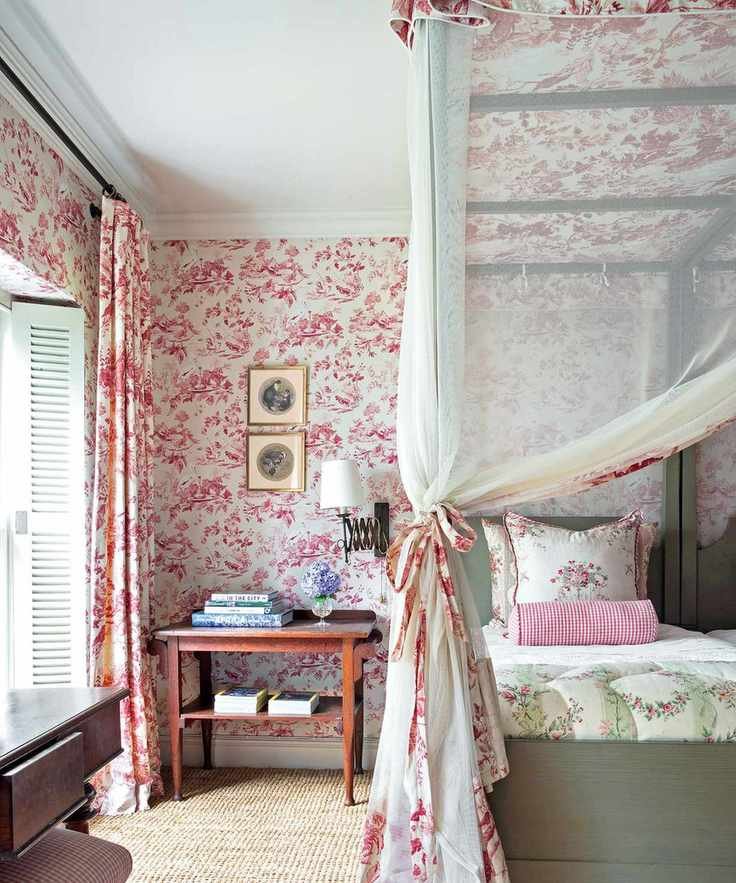
Tailored pleats resemble pinch pleats, but the fabric is pinched only at the header's top, resulting in a more contemporary look.
4. Box Pleats
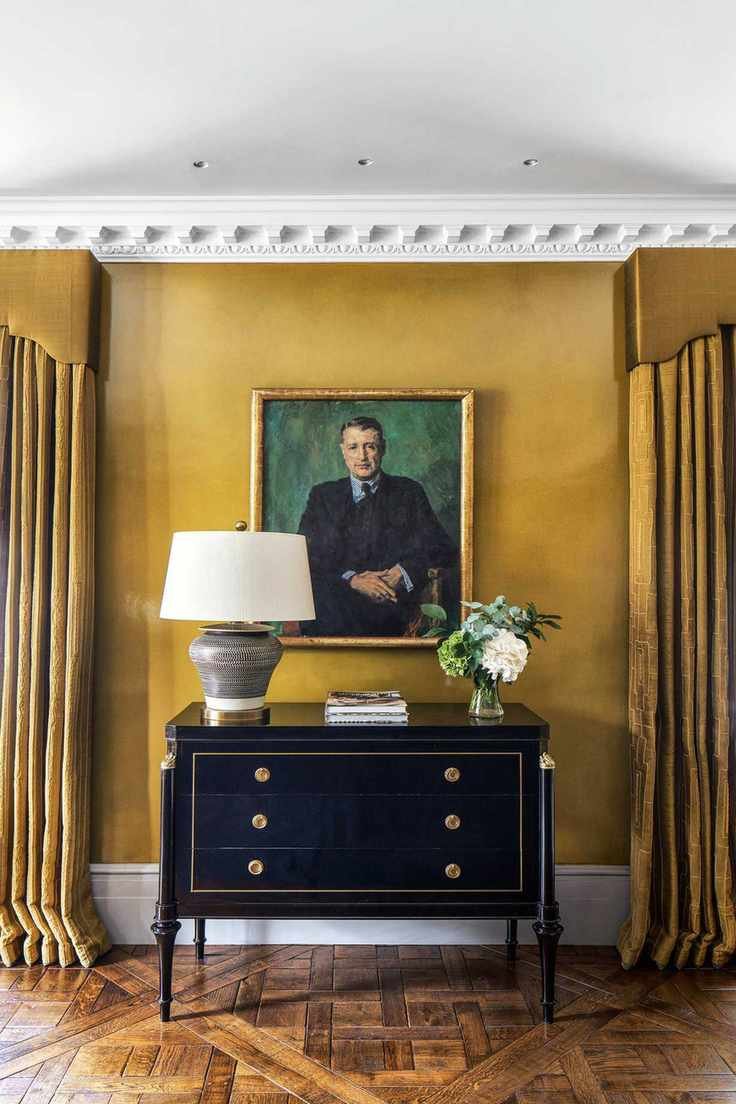
Box pleats provide a formal appearance with consistently wide folds. The pleat width can be adjusted, but it's fixed once sewn. These are suitable for both light and heavy fabrics, although they require more material than other header styles.
5. Goblet Pleats

Goblet pleats create an elegant goblet shape at intervals across the curtain's top. This style is ideal for dressy curtains that remain stationary. However, it's less suitable for wide windows, as the goblets may not stack neatly.
6. Tab Tops
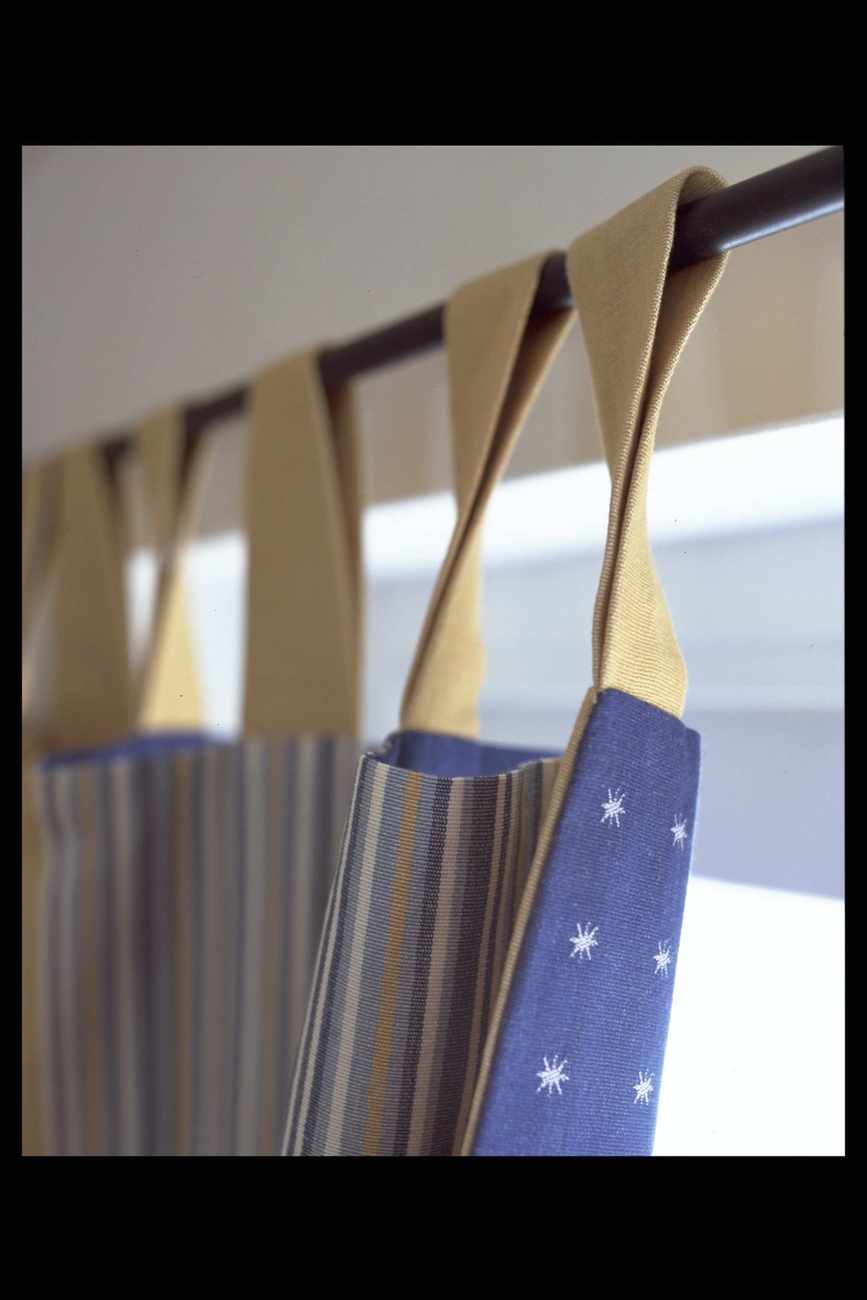
Tab tops consist of fabric loops that slide onto the rod, creating an informal aesthetic that showcases the rod. This style allows more light in due to the way the curtains hang. Alternatives include tie tops, which attach the curtains to the rod with knots or bows.
7. Eyelets
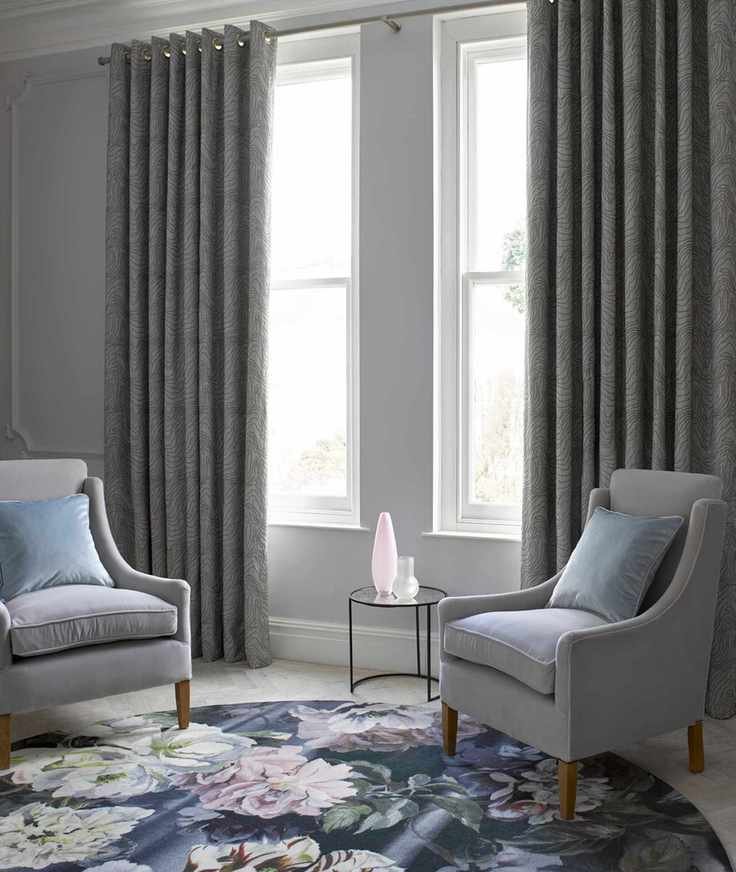
Eyelets, or grommets, are rings set into the fabric, allowing the curtains to hang directly on the rod. This results in wide, regular pleats, giving a modern touch.
8. Ripple Folds
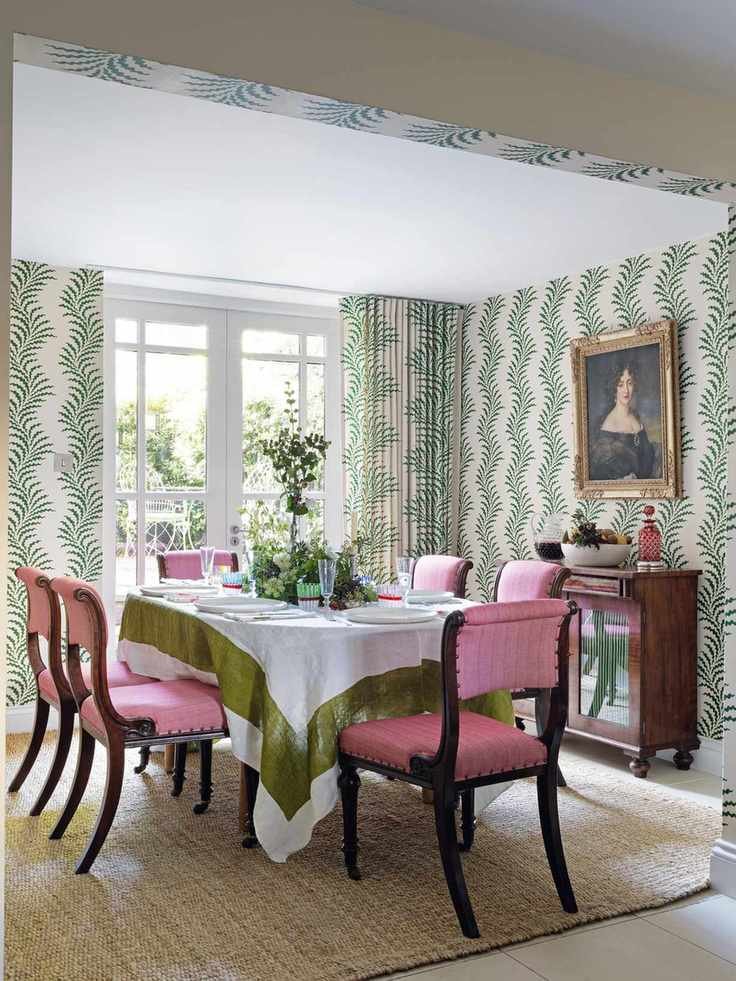
Ripple folds offer a sleek and modern header style. The ripples maintain their shape even when the curtains are opened or closed. This style requires a specific ripple fold track and carrier.
9. Rod Pockets

Rod pockets allow the curtain rod to be inserted directly into the fabric, creating an informal gathered look. Keep in mind that these can be more challenging to open and close compared to other header styles.
Considerations for Choosing a Curtain Header
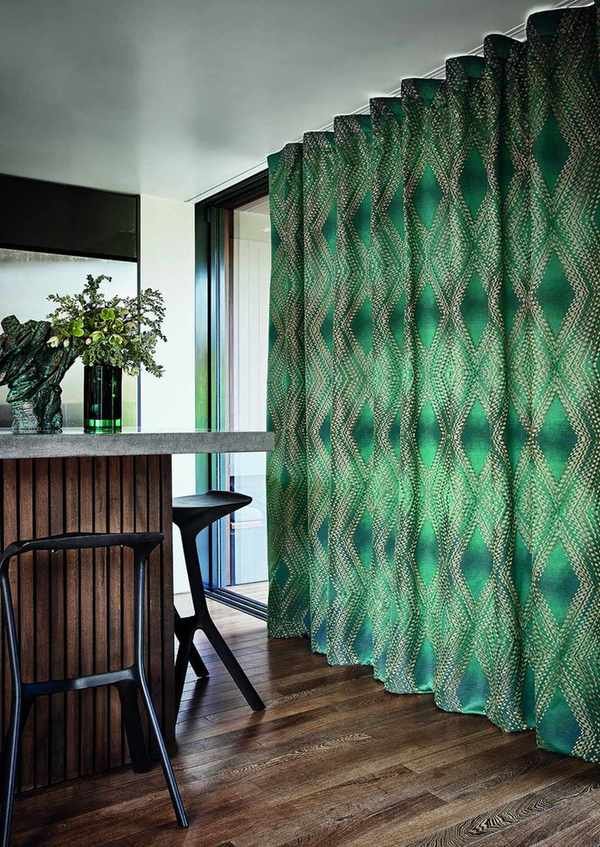
When selecting a header, consider the window height. 'For tall windows with long drapes, choose a deeper header,' advises Hayley McAfee, head of Villa Nova. 'This not only enhances the look but also creates a sophisticated ambiance.'
Your header choice should also reflect the fabric pattern, if applicable. 'The scale and style of the pattern are crucial,' explains Hayley. 'For large floral designs, avoid pinch pleats, as the pattern may not align well; instead, opt for classic pencil pleats or ripple headings. Smaller patterns, however, will complement most headers effectively.'
Types of Curtain Fabrics
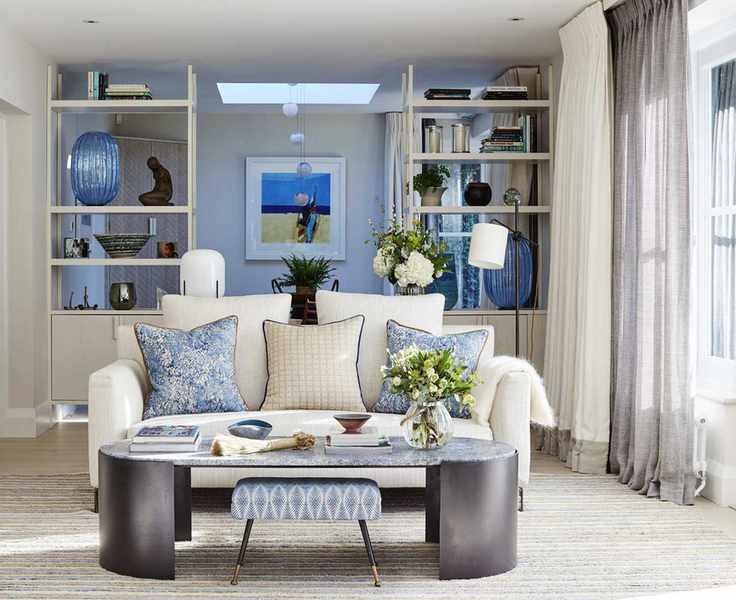
Curtain fabrics range from sheer to semi-sheer, depending on the desired light filtration. Sheers are delicate and light, while semi-sheers provide similar aesthetics with added privacy.

If decorative elements are the priority over light filtration, window scarfs can be used to frame the top with soft draping. These can also be paired with traditional curtains for a luxurious look.
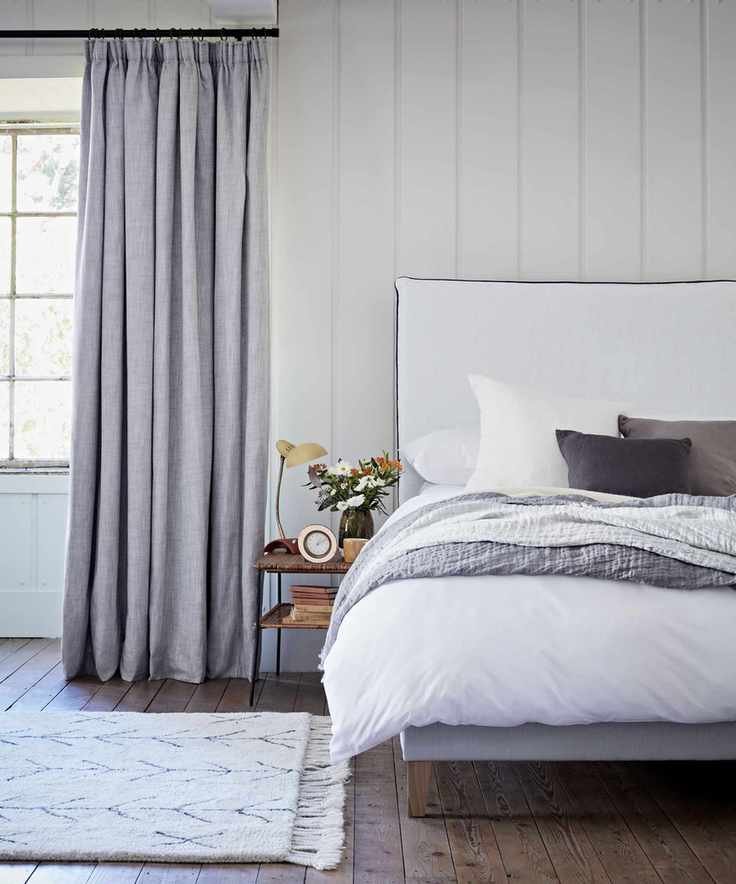
To maintain privacy and block light effectively, consider blackout curtains that feature a liner to prevent light from entering. They can also help reduce noise.
Heavier fabrics, such as wool and velvet, are also viable options. Thermal linings can be used with these materials for enhanced insulation.
The variety of curtain fabrics available is extensive. Linens and blends with synthetic materials hang well and offer a soft, relaxed appearance. Silk is luxurious but can fade in sunlight, so consider your window orientation and climate. Velvet drapes beautifully and stands the test of time in terms of style.
What Are the Best Curtains?
The best curtains complement the room's design, whether formal or casual. Choosing between plain or patterned fabrics, along with color and detailing, is also essential.
Fabric selection should reflect the desired atmosphere. 'Weathered linens or textured stripes are perfect for a relaxed setting, while vibrant prints and embroidery add depth and confidence to interiors,' says Ann Grafton. 'Also, consider whether the curtains should insulate against cold; rich wool plaids and plush velvets work well for this purpose.
Enhance your curtains with interesting trims or contrasting fabrics along the edges, or embrace the trend of adding a small print, check, or stripe as a lining for a bold statement.
What Are Grommet Curtains?
Grommet top curtains feature metal rings embedded in the fabric, also referred to as eyelet curtains. The rings slide smoothly along the rod, making them easy to open and close, which is ideal for wide windows.
The uniform spacing of the grommets creates consistent pleats, eliminating the need for additional dressing. Their contemporary appearance makes them a perfect addition to modern interiors.



