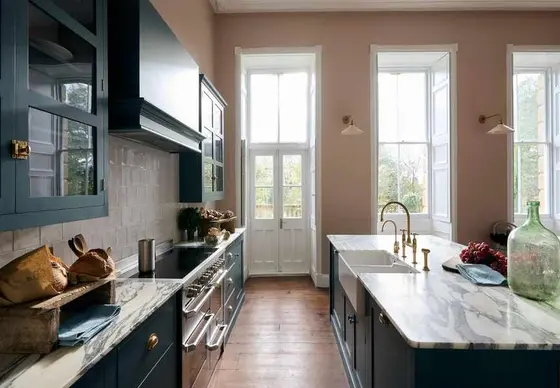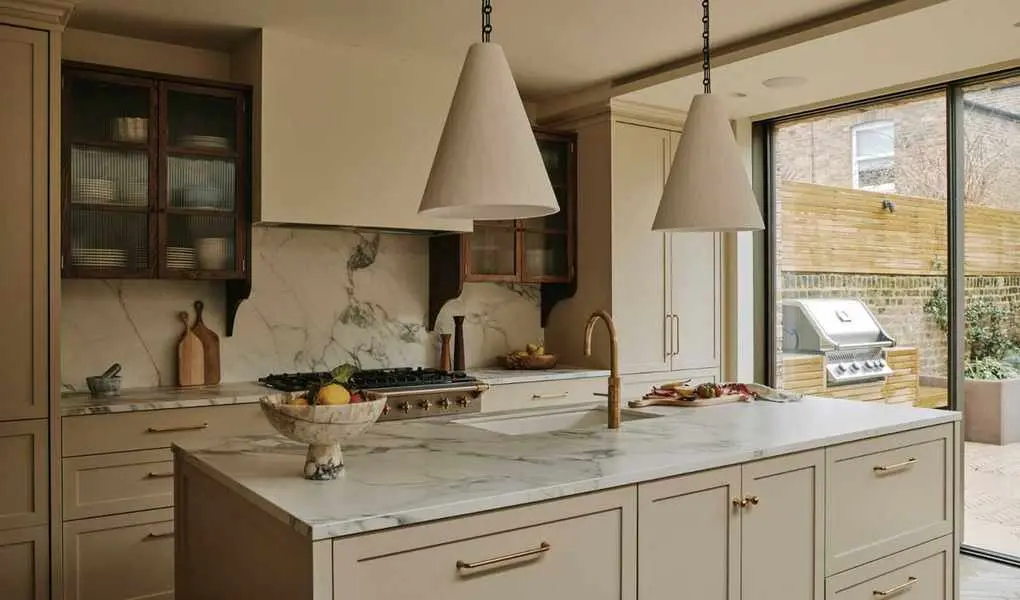
We often spend considerable time selecting paint colors to breathe new life into our kitchens. But why does it sometimes still feel off?
The reality is, regardless of how well you pick the shade, the finish plays a pivotal role. This often-overlooked detail is crucial in a busy kitchen.
Here's what you should know about kitchen paint finishes, their significance, and expert recommendations to avoid common pitfalls.
Why Choosing the Right Kitchen Paint Finish Matters
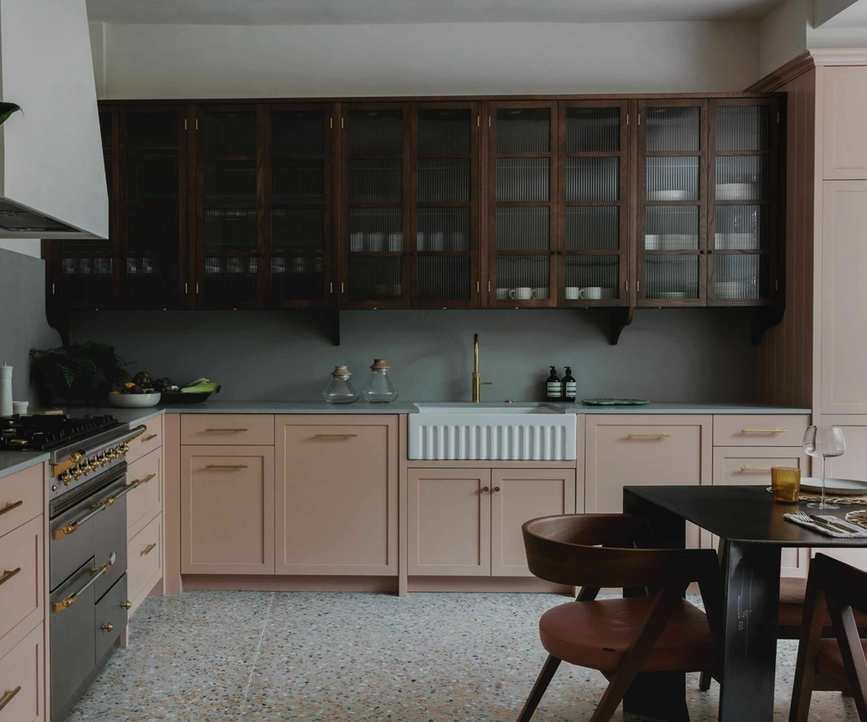
A satin finish provides a subtle sheen, enhancing durability without excessive reflectivity.
The finish of your kitchen paint is vital for two main reasons. Firstly, it affects the paint's durability, which is essential in a space that sees daily use. Secondly, it influences the overall ambiance, similar to how color affects a room.
'The interaction between paint color and finish can create a kitchen that feels uniquely yours, balancing personal expression with practical needs. While color establishes mood, finish alters perception and style,' explains an expert in color marketing.
'Choosing the right finish affects both the look and practicality of your kitchen,' concurs a noted interior designer. 'It controls how light reflects off surfaces and withstands the inevitable spills and messes that occur in kitchens.'
Durability should be top of mind, especially for cabinets that endure significant wear. Some finishes are more susceptible to marks and damage, so it's best to steer clear of those.
Finishes to Avoid for Kitchen Painting
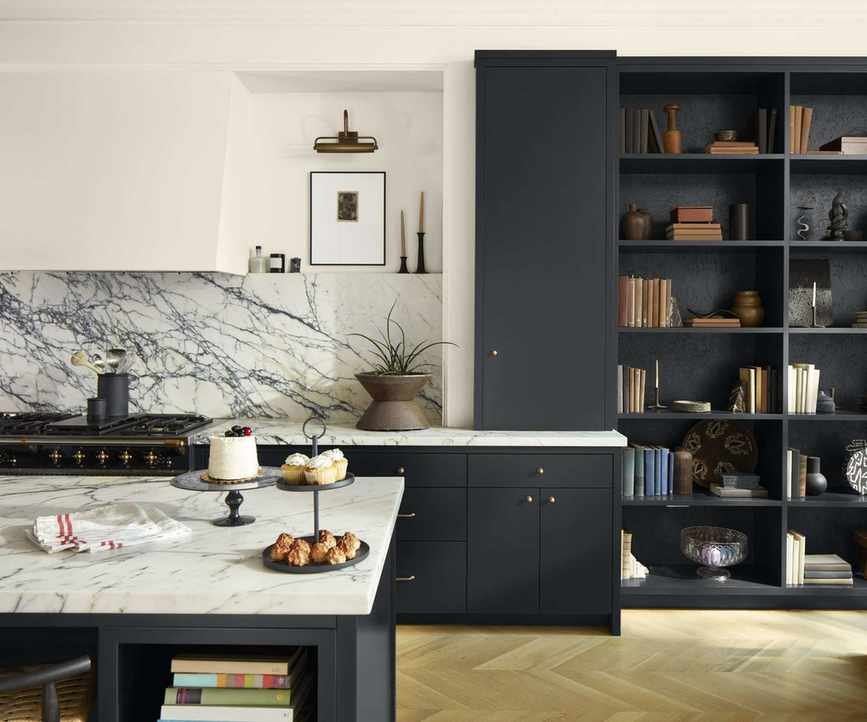
A slightly higher sheen enhances the richness of darker cabinet colors, as shown here.
Which finishes should you avoid in your kitchen? 'Flat or matte finishes are usually discouraged due to their porous nature and lower durability,' says a technical marketing expert.
Another designer agrees, adding, 'Chalky, matte finishes lack the durability needed for a kitchen. High gloss is an option but works best in specific color and lighting combinations.'
What makes matte finishes less durable? 'These paints often have minimal protective coating, meaning stains can become permanent,' the designer explains. 'While eggshell finishes may suit low-traffic areas, I wouldn't recommend them near the stove or sink.'
Ideal Paint Finishes for Kitchens
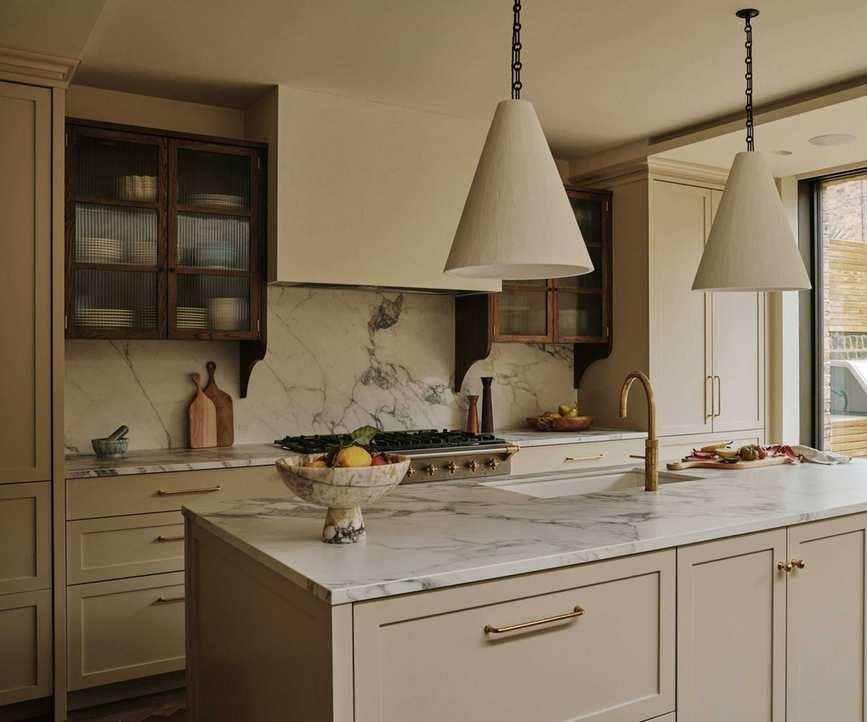
This neutral kitchen features a paint finish that reflects light beautifully.
If matte finishes are best avoided, satin and higher sheen options should be preferred. These finishes provide added protection, allowing your chosen color to endure in a lively kitchen.
'A satin finish is my top choice for kitchen walls and cabinetry. It has a soft sheen and is significantly more stain-resistant compared to flat or eggshell finishes,' shares the designer.
'Higher-gloss finishes excel in kitchens where surfaces are regularly used,' another expert notes. 'Their sleek surfaces make cleaning easier, while their reflective quality amplifies light and showcases cabinetry craftsmanship.'
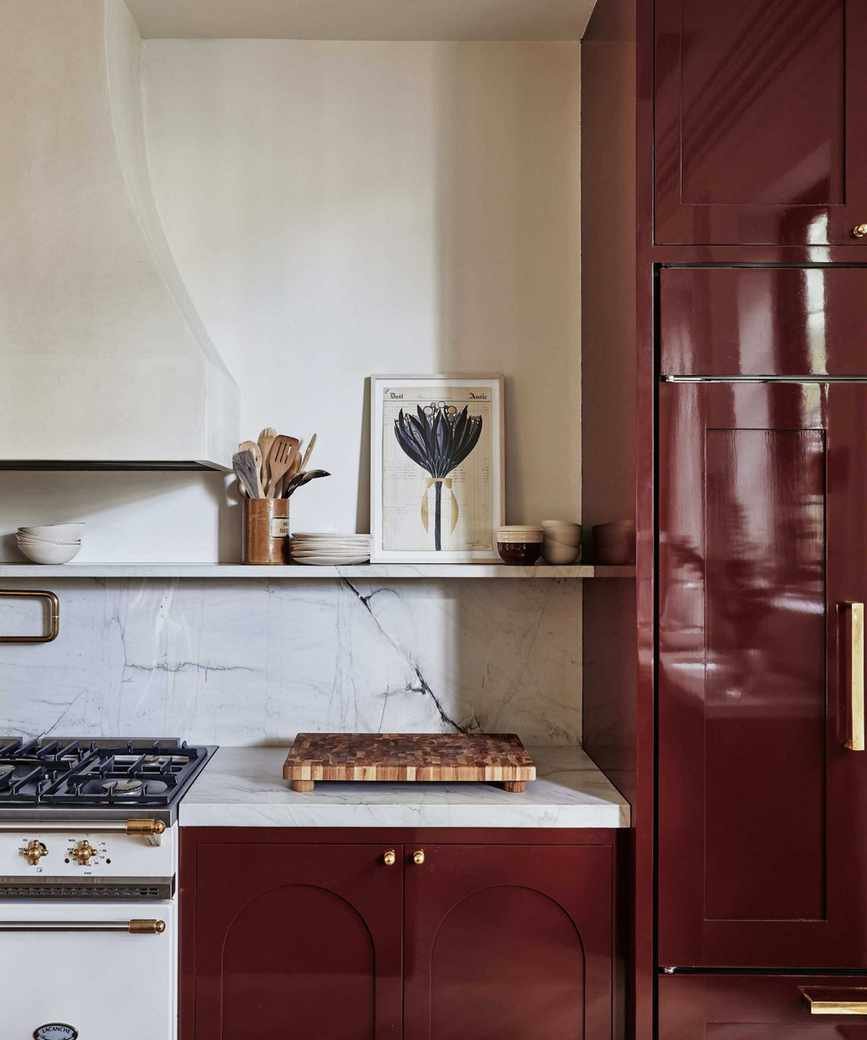
High gloss cabinets can create a luxurious feel, as demonstrated in this striking red kitchen.
You're not limited to using only one finish throughout the kitchen. Mixing finishes can be effective if you understand which areas require more durability and which can handle a softer finish.
'Creating contrasts between finishes can highlight features within the kitchen. A matte wall paired with glossy cabinetry can draw attention to details, turning functional elements into design highlights,' the color expert adds.
If you want to make a decorative impact without sacrificing function, consider glossier finishes for cabinets.

This green kitchen showcases a paint finish that reflects light beautifully while ensuring durability.
'For added dimension, a semi-gloss finish on cabinets can enhance details and provide durability,' she suggests.
This approach suits smaller spaces well. 'Lighter shades create an airy feel, while higher sheens reflect light, making the room feel larger and brighter,' another expert notes.
Ultimately, consider how you use your kitchen when selecting finishes, focusing on areas that need extra protection. Base cabinets typically require more durability, while other sections can be more design-oriented.
'The kitchen's layout and cabinetry style should guide finish choices,' advises a professional. 'For instance, a display cabinet can use a softer matte finish, while base cabinets benefit from a more resilient lacquer finish.'
Regardless of your color choices, the finish is crucial. Busy areas within the kitchen should favor satin or glossier options.
'Always sample finishes in your kitchen before committing, as sheen levels can change with different lighting,' the designer advises. 'Keep in mind that higher sheens can accentuate imperfections, so ensure surfaces are clean and prepped before applying glossy paint.'