Selecting the right material for raised garden beds is crucial. While many options are available, some should be avoided due to health considerations.
The ideal raised bed material should be durable, safe for growing edible plants, easy to handle, and visually appealing to enhance your garden.
When planning your raised bed garden, consider your local climate, the material's weather resistance, and whether you prefer a permanent fixture or a mobile option.

The right material for a raised bed harmonizes with your landscape
Top Materials for Raised Garden Beds
We have installed four raised beds in our garden for growing fruits and vegetables. Through experience, I've identified the best locations, materials, and plants to cultivate.
Here are my top picks for raised bed materials.
1. Wood
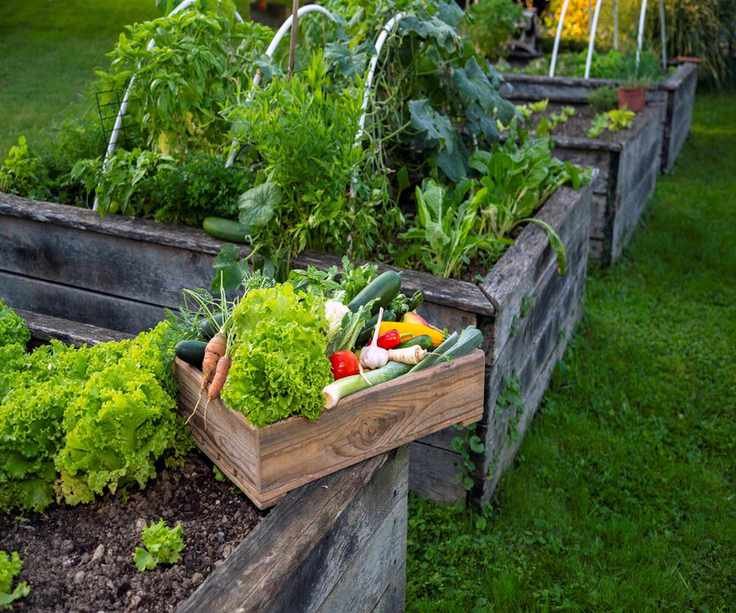
Many gardeners believe wood is the best choice for raised beds due to its accessibility and natural look
Wood is often considered the top material for raised beds. It naturally integrates into most gardens and is easy to work with.
Hardwoods like cedar and redwood are particularly effective because they last long and resist decay.
While these woods will eventually degrade, they typically last many years. For instance, untreated Douglas fir can endure for about 15 years.
Pressure-treated wood is a topic of debate. Some gardeners deem it unsafe due to chemicals used, while others find it acceptable.
I've successfully grown produce in treated wood for over ten years without issues. If you're concerned, consider using a burlap liner from Amazon to insulate roots and extend your growing season.
Walmart offers hardwood cedar and teak lumber for raised beds.
2. Composite Materials
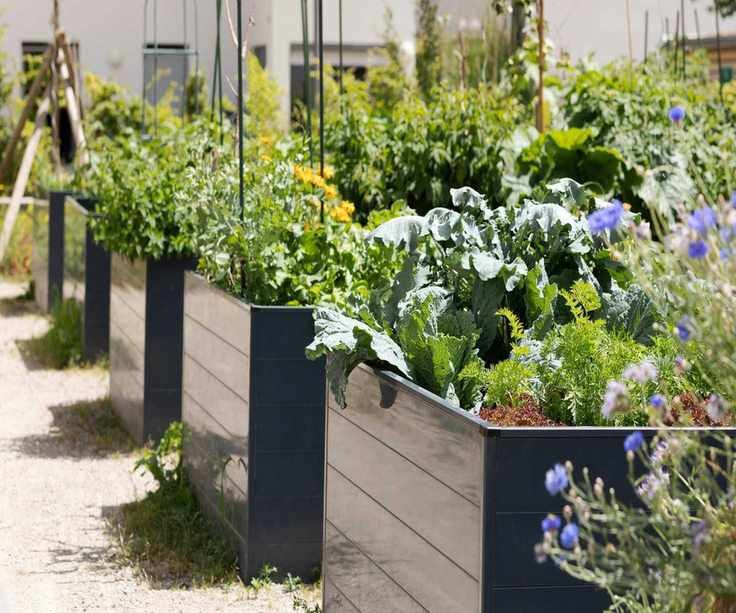
Composite raised beds are durable, attractive, and eco-friendly
If you're looking for an eco-conscious choice, recycled composite materials are an excellent option.
These materials, made from wood fibers and plastics, are durable and safe for vegetable gardening.
Lightweight and versatile, they often come in pre-assembled kits, simplifying the construction process.
With their rot resistance and appealing aesthetics, composite beds suit both edible and ornamental plants, available in various colors and finishes, mimicking wood and stone.
Walmart stocks a variety of composite material raised beds.
3. Metal

Metal raised beds provide a contemporary, sleek appearance
Metal beds, like upcycled tin cans, can add a unique charm to your garden.
Food-grade galvanized steel or aluminum makes a strong, stylish choice for raised beds, offering durability and a modern touch.
Be mindful of rust; ensure they have a rust-resistant coating and check for sharp edges.
Stock tanks can also serve as raised beds, but uncoated options may rust quickly.
One advantage of metal is its ability to retain heat, prolonging the growing season from early spring to late fall.
Gardening Know How offers metal raised bed kits for various spaces.
4. Bricks and Stone
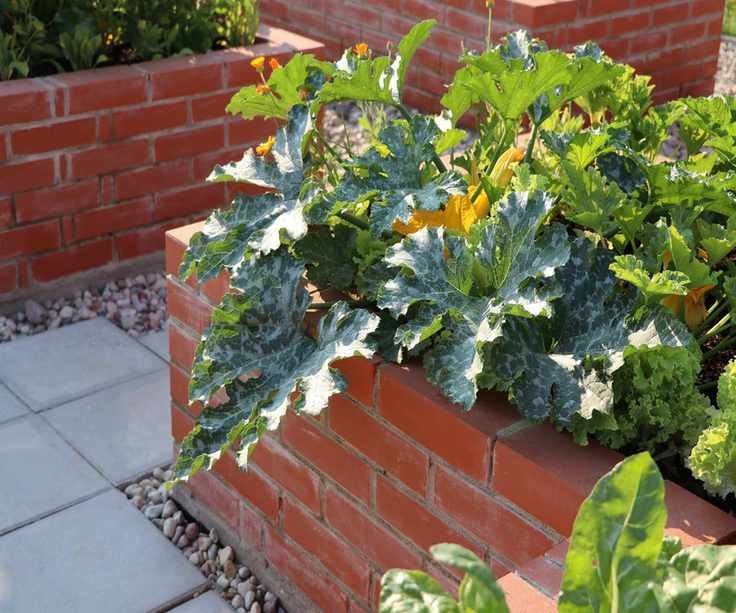
Bricks are a timeless choice for raised beds and complement many garden styles
For a permanent solution, bricks and stone are excellent materials for raised beds.
Bricks provide a charming, symmetrical look but can be costly and require some bricklaying skills for a solid finish.
Stone offers a natural aesthetic and organic feel, though it, too, can be labor-intensive and pricey.
Local builders or quarries typically supply these materials.
Common Questions
Which materials should be avoided for raised beds?
Avoid anything that might leach harmful substances into the soil.
If using treated wood, ensure the treatments are safe for gardening. Old railroad ties treated with creosote, a toxic substance, should be avoided.
Old tires are also questionable; while some claim toxins diminish over time, it's safer to steer clear to prevent chemical contamination of soil and plants.
What's the most affordable option for raised beds?
Recycled and upcycled materials like large cans, sinks, or bathtubs offer creative and budget-friendly raised bed solutions. Always ensure they're safe, free of sharp edges, and have drainage holes.
What height is ideal for raised beds?
Consider two factors when determining the height of your raised bed.
For simple plant borders, a low bed might suffice. However, if mobility is an issue, higher beds can offer easier access and comfort.
In my garden, the raised beds are three to four planks high, allowing for stable plant growth and easy gardening.
Once you've chosen the best spot and material for your raised beds, it's time to start planting.
Raised beds are fantastic for maximizing small spaces and work well in areas with poor drainage, keeping roots above excess moisture.
They not only enhance the aesthetics of your garden year-round but also provide delicious produce for your meals.