

Raised garden beds can accommodate a variety of plants, from vegetables to small trees, providing endless possibilities for gardeners.
If you're considering raised bed gardening, think creatively! These beds not only serve as functional gardening spots but also enhance yard aesthetics and aid those with mobility challenges.
With raised garden beds, you can cultivate an array of plants, tailoring the design to fit your specific needs. Whether you're aiming for fruits, vegetables, flowers, or herbs, the possibilities are vast.
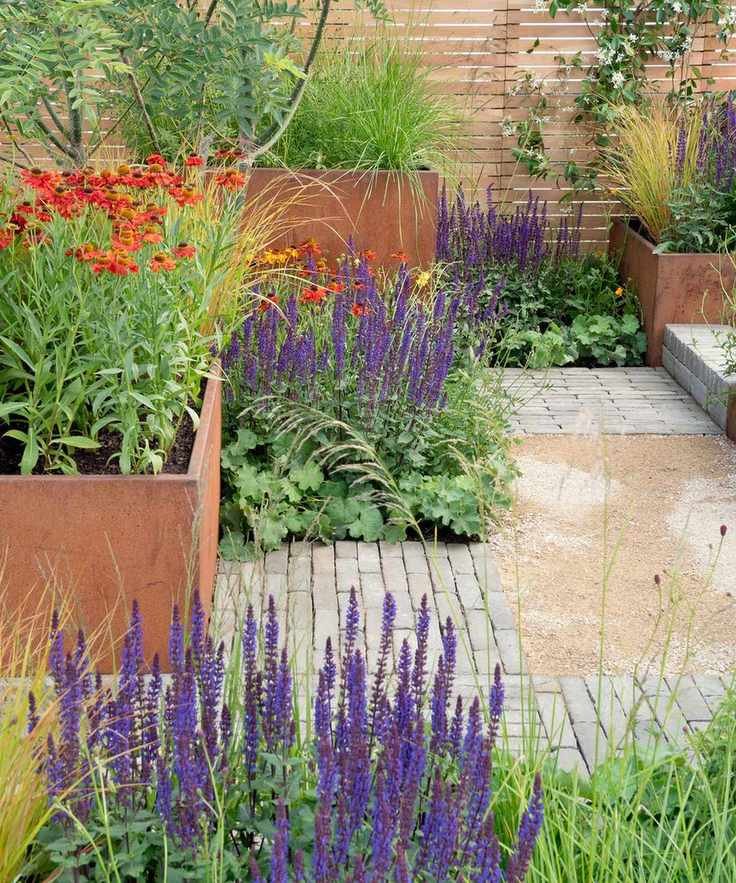
There are various options for raised beds, including materials, size, and plant selection.
Advantages of Raised Garden Beds
Raised beds are increasingly favored for any backyard type, compatible with all types of soil. They can even be placed on patios or decks, offering a growing space where ground soil may not be available. Besides being functional, they can enhance the overall beauty of your garden.
Consider key factors when choosing the location for your raised garden bed to ensure optimal functionality.
You can opt to build your own raised bed or purchase pre-made kits. Materials vary widely, including metal options like Land Guard Galvanized Raised Garden Bed Kit on Amazon and wooden varieties like the Backyard Expressions Raised Garden Bed, also on Amazon.
Regardless of your choice, here are three significant benefits of raised garden beds.
1. Soil Control
One of the primary advantages of raised beds is the ability to manage soil type and soil health distinct from the rest of your yard.
Luay Ghafari, a chef and gardener, appreciates raised garden beds for providing 'complete control over the growing medium and amendments.' This flexibility allows for a broader range of plants to flourish.
He notes that if your native soil is poor or challenging to work with, raised beds create a thriving environment for your plants. For sandy soils, you can fill the bed with moisture-retaining soil, while clay soils can benefit from improved drainage. Customizing soil composition can help achieve a neutral pH for most plants or an acidic mix for acid-loving varieties.
It's essential to test soil pH for optimal plant health, as poor soil selection is a frequent mistake in raised bed gardening. Another advantage is that compaction is minimized since you don't walk on the beds. The rule of thumb for width is to keep it within your reach.

Controlling your soil ensures the best growing conditions for your plants.
2. Enhanced Access and Mobility
Raised beds are particularly beneficial for individuals with mobility challenges, making gardening more accessible for those who can't kneel or bend down.
When determining the ideal height for your raised bed, consider the user's needs. Wider tops can also serve as seating while gardening.
This design allows anyone, regardless of physical limitations, to plant, prune, harvest, or weed comfortably.
3. Creative Design Elements
Raised garden beds can incorporate artistic features, adding unique design elements to your garden. There's a wide range of materials to choose from, whether luxurious or repurposed wood or bricks. They can serve as permanent fixtures or temporary enhancements, breaking up space and showcasing plants.
Duane Pancoast, a gardening expert, suggests placing ornamental raised beds where they can be appreciated by gardeners and visitors alike. He also mentions that these beds can act as boundary markers for patios or paths, helping to delineate spaces effectively.

Raised beds can create beautiful boundaries in your landscape.
What Plants Thrive in Raised Garden Beds?
Wondering what you can grow in raised garden beds? Almost any plant can flourish! The options are vast, allowing for kitchen gardens or flower displays.
- Fruits and Vegetables: Raised beds warm up quickly in spring, making them ideal for planting vegetables. Award-winning designer Martyn Wilson emphasizes that raised beds provide fantastic opportunities for growing vegetables, especially in poor soil conditions. He suggests filling beds with compost and topsoil for optimal results. Soft fruits like strawberries, raspberries, and currants thrive in these conditions.

- Herbs and Flowers: Raised beds are perfect for herbs and flowers, enhancing garden beauty while attracting pollinators. When planning a cut flower garden, a diverse array of blooms can be cultivated. Consider the height and positioning of plants to ensure proper sunlight exposure. Herbs thrive in well-draining soil, so adding grit can optimize conditions for Mediterranean and alpine plants.
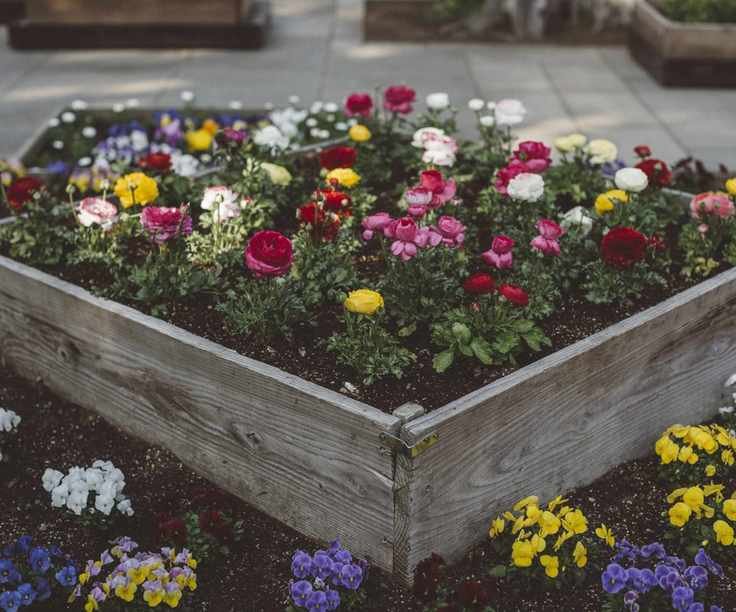
Flowers not only beautify the garden but also draw in beneficial pollinators.
- Trees and Shrubs: Raised beds can display annual flowers and host evergreen shrubs, providing year-round visual interest. Ensure the depth of the bed accommodates larger shrubs or small trees, selecting varieties suited for container gardening.
Always thoughtfully plan your raised beds, considering their purpose, size, and location. Whether you want to create year-round displays or a quick-access herb garden, utilize the ability to customize soil for optimal growth.



