
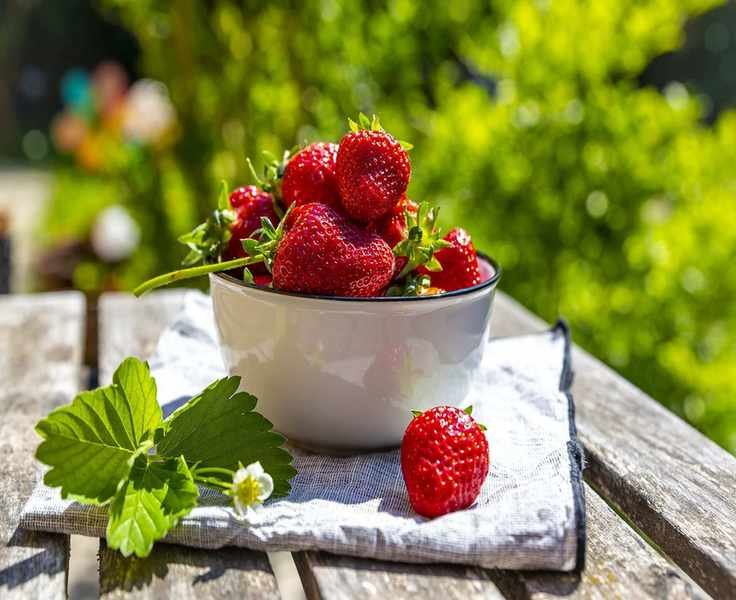
Growing strawberries is a delightful endeavor, as nothing beats the taste of a freshly picked berry on a sunny day.
According to gardening expert Leigh Clapp, strawberries are a favorite among home gardeners, thriving in towers, hanging bags, and vertical gardens. This guide will help you cultivate strawberries in your backyard, highlighting essential planting times for a fruitful harvest.
Strawberry Cultivation Methods Explained

There are three main methods for growing strawberries: from seeds, bare root plants, or runners. Your choice depends on your planting area and the season.
Seeds thrive when planted in spring, while bare root plants should go in during late winter, about a month before the last frost. Runners, which sprout from established plants, are best planted in summer.
No matter the method, all strawberries prefer rich, fertile soil and plenty of sunlight, as noted by Leigh Clapp.
Growing Strawberries from Seeds
Starting strawberries from seeds is the most economical way to grow a large number of plants. However, it requires patience since seeds can take up to a month to germinate. Sow seeds between January and April.
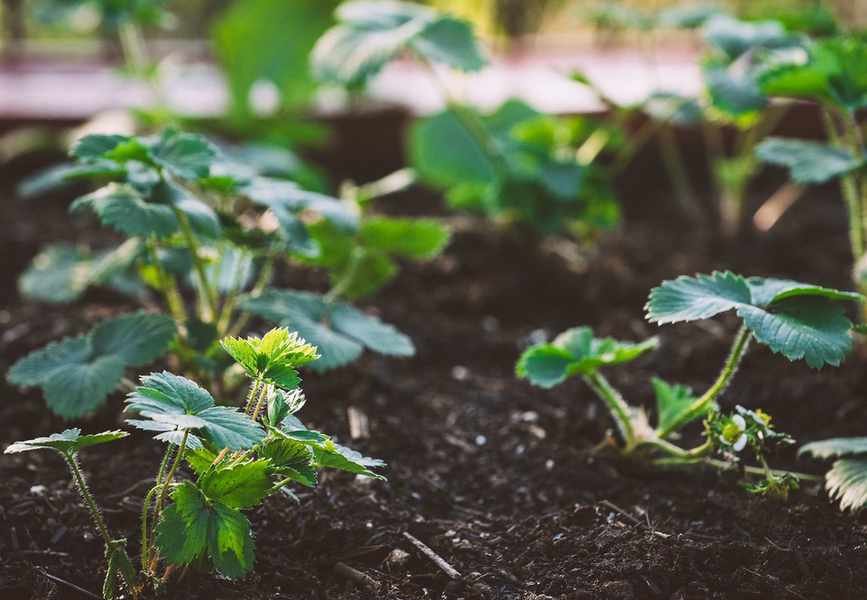
To enhance germination, try this trick: place the seed packet in a sealed plastic bag and refrigerate for a month. This simulates winter conditions. After that, let the bag warm up to room temperature. Prepare a seed tray with compost, scatter the seeds, and cover with a propagator to maintain warmth and moisture until germination, which takes two to three weeks. They can be potted into their permanent spots within two months.
As Sue Sanderson from a gardening supply company suggests, position strawberries in full sun, spaced 30cm (12 inches) apart in rich, well-drained soil.
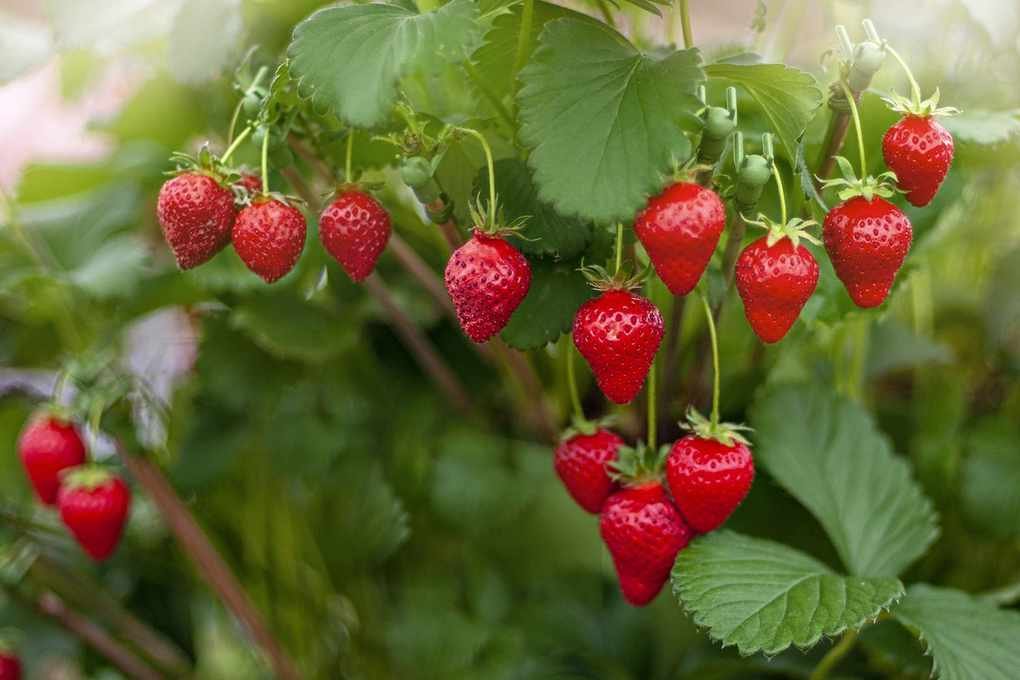
For those seeking quick vegetable garden ideas, note that strawberries from seeds will bear fruit in their second year. These hardy plants can withstand mild winters but may need frost protection in harsher climates.
Growing Strawberries from Runners
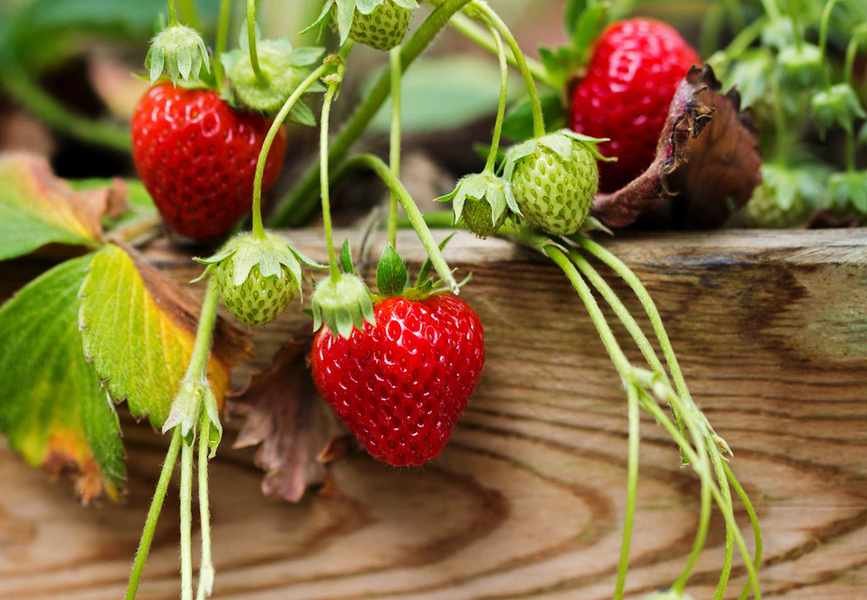
Established strawberry plants produce numerous runners. They can develop into new plants if they maintain good contact with the soil, making propagation straightforward.
To propagate from runners, select a healthy plant with a long stem and leaves at the end. Fill a small pot with compost, water it well, and lay the runner in the pot center, securing it with a U-shaped staple or bent wire.
Keep the runner attached to the parent plant until it establishes a robust root system. Once rooted, place it in a sunny location and water regularly, repotting as needed.
Growing Strawberries from Bare Root
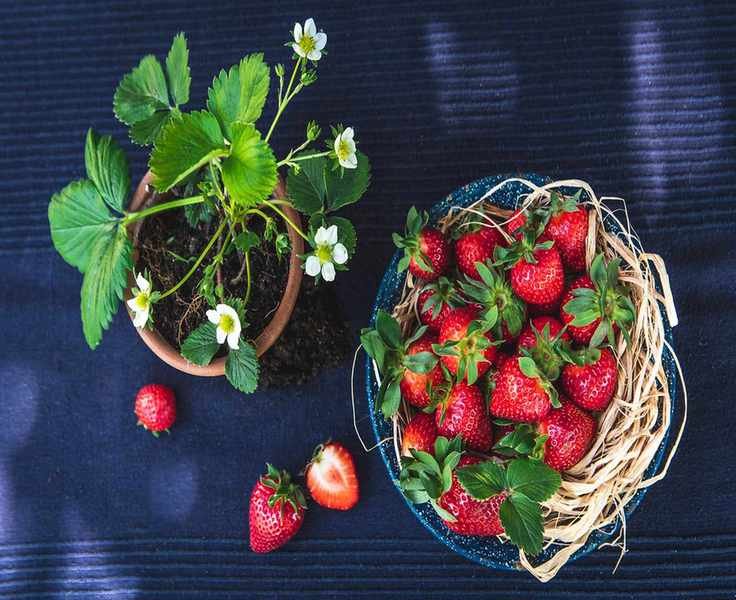
Growing strawberries from bare root is versatile and convenient, as they can be ordered during the dormant season from February to April.
These plants arrive without soil, making shipping efficient, explains a horticulturist. Plant them immediately upon arrival to prevent root desiccation.
To plant, fill a pot with peat-free compost, ensuring the roots are fully covered but the crown remains above the soil. Keep them in a cold frame during winter, then transition to a greenhouse as spring approaches, promoting early growth for an Easter harvest.
If a greenhouse isn't available, plant directly in the garden by March for a June or July harvest.

Cold-stored bare root strawberries can be planted from late spring to early summer and may already have flowers. These will yield fruit within 60 days of planting but will revert to a traditional growth pattern in subsequent years.
How Long for Strawberry Plants to Bear Fruit?
A bare root strawberry plant generally takes about three months to produce fruit. Strawberry plants from seeds will yield in their second summer, as the first year is for establishment.

Do Strawberry Plants Return Each Year?
Yes, strawberry plants are perennials and will return annually. They typically last about six years, but fruit production declines after the first two years. Many gardeners prefer to replace their plants yearly, using runners from established plants to ensure a constant supply of fresh fruit.



