
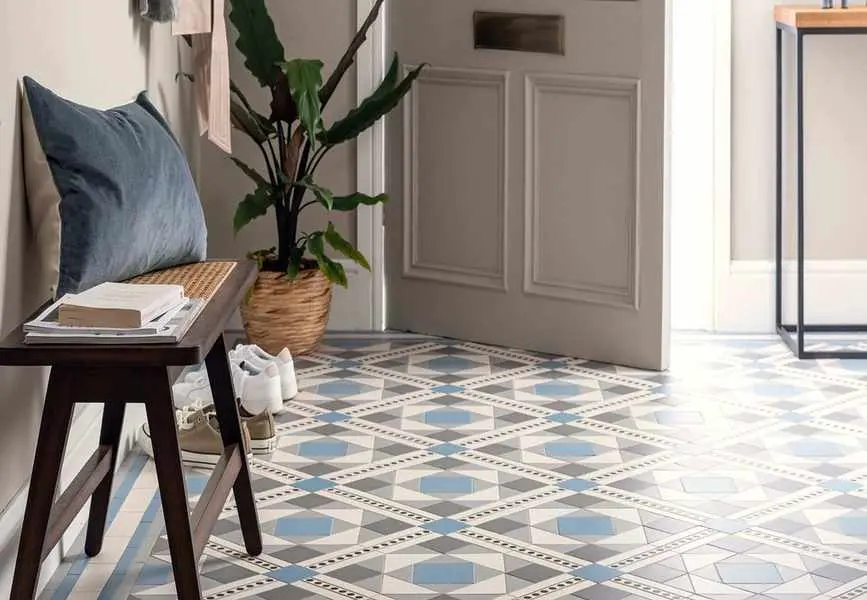
Understanding how to properly clean encaustic tiles is crucial for preserving their condition and vibrant hues.
Whether you're revitalizing a historic encaustic floor or maintaining newly designed ones, it's essential to apply effective cleaning methods to prevent damage.
Like cleaning hardwood surfaces and cleaning stone surfaces, best practices help keep these tiles looking stunning over time. 'Authentic encaustic floors often feature an appealing patina developed over years of use, but they still require regular upkeep to avoid deterioration,' notes an expert in the field.
'While strong and durable, encaustic tiles can crack or loosen. For repairs beyond basic cleaning, it's wise to consult a professional.'
Understanding Encaustic Tiles
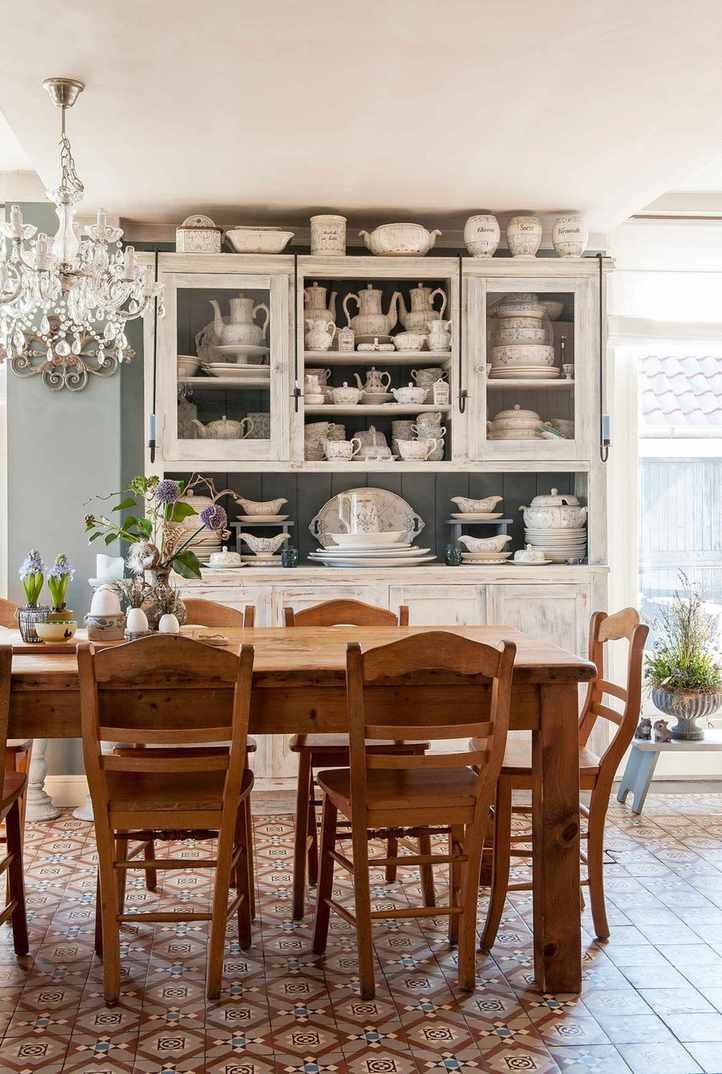
Encaustic tiles, made from fired clay, are typically installed on a rubble base with lime bedding. They are available in various designs, often combined with simple geometric tiles of different shapes and colors.
'Traditionally, these tiles are crafted by layering colors, allowing patterns to be visible throughout, unlike many modern encaustic tiles that only have surface-printed designs that can fade,' explains an industry professional.
These tiles gained popularity during the Victorian era, initially featured in public buildings, churches, and grand residences. Their fashionable status was cemented by their presence in notable locations like the Victoria and Albert Museum, making them commonplace even in typical terraced houses by the late 1890s.
Mintons was a prominent name for encaustic tiles in the 19th century, with their products exported worldwide and used in significant buildings like the United States Capitol.
'These tiles not only enhance beauty but also prove practical; most interior tiled surfaces endure over a century of family use,' adds the expert. 'With proper care, they can last another century.'
Cleaning Encaustic Floor Tiles
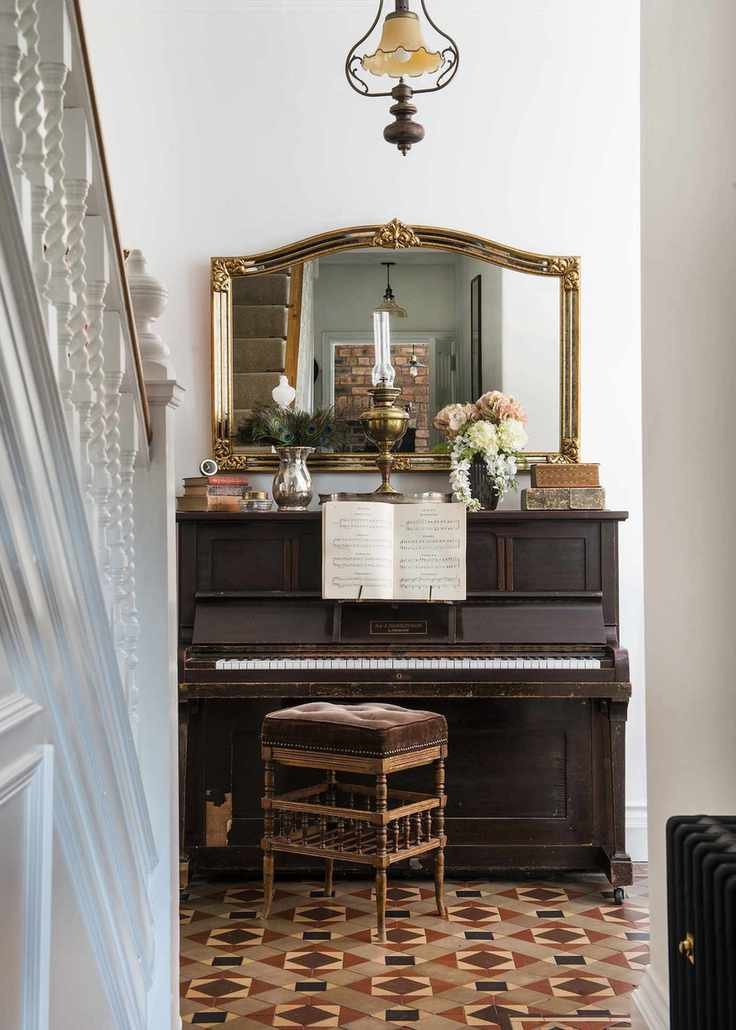
The cleaning techniques used for tile floors can also apply to encaustic tiles.
'Stained or dirty encaustic tiles can typically be cleaned using fresh water, specific detergents, or tile cleaners—but avoid soaking them,' advises the expert. 'When using water, control its spread; a damp towel can be effective if left overnight.'
Nylon pads can help erase tough stains, but refrain from using wire brushes or other abrasive tools.
Excess moisture can lead to efflorescence—a white, salty residue. If it appears, don't wash it off; instead, brush or vacuum it away.
For ongoing maintenance, regularly sweep or vacuum and address any missing or damaged tiles promptly.
Deep Cleaning Encaustic Tiles
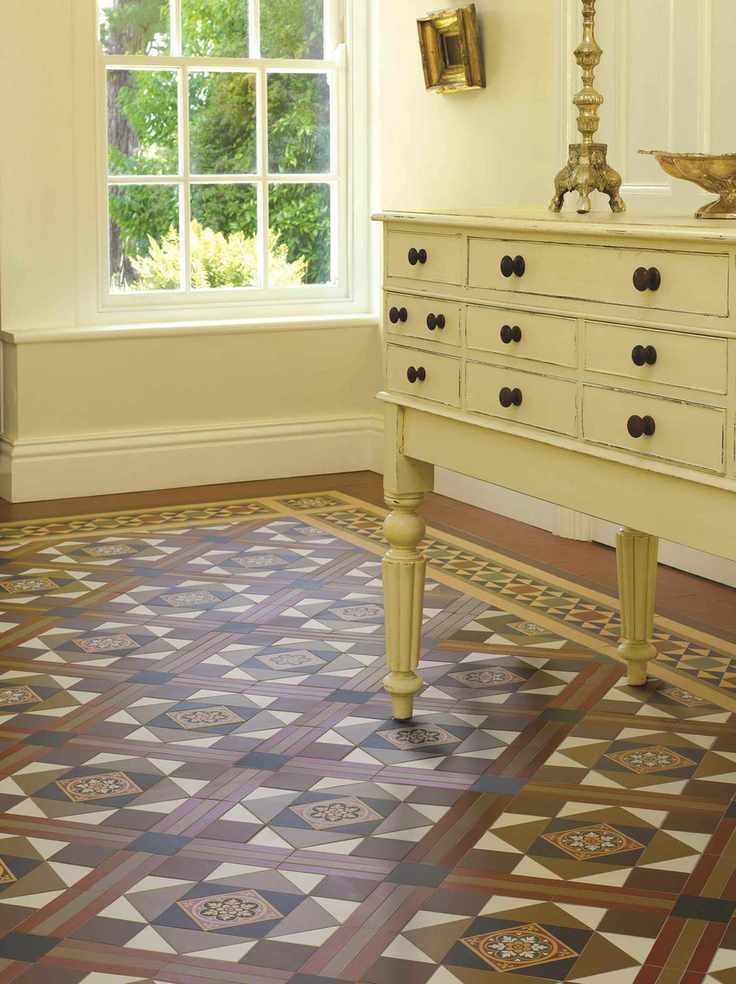
If encaustic tiles exhibit deep-set stains or stubborn residues like glue or paint, a thorough deep-cleaning may be necessary. 'Use abrasive pads, a sharp scraper, and appropriate chemicals to lift off unwanted materials,' suggests a restoration professional.
For paint removal, opt for a scraper that holds the blade at an acute angle to prevent damage to the tile surface.
To tackle adhesives and similar substances, a solvent-based paint stripper combined with white spirit can be effective.
For wax, grease, and general dirt removal, an alkaline stripper such as Carefree Stripper is recommended.
To eliminate cement and remaining screed, brick acid (hydrochloric acid) is suggested.
'Always test a small patch first to ensure no harm comes to the tile surface,' the professional advises. 'Work in manageable sections to ensure uniform results across the floor.'
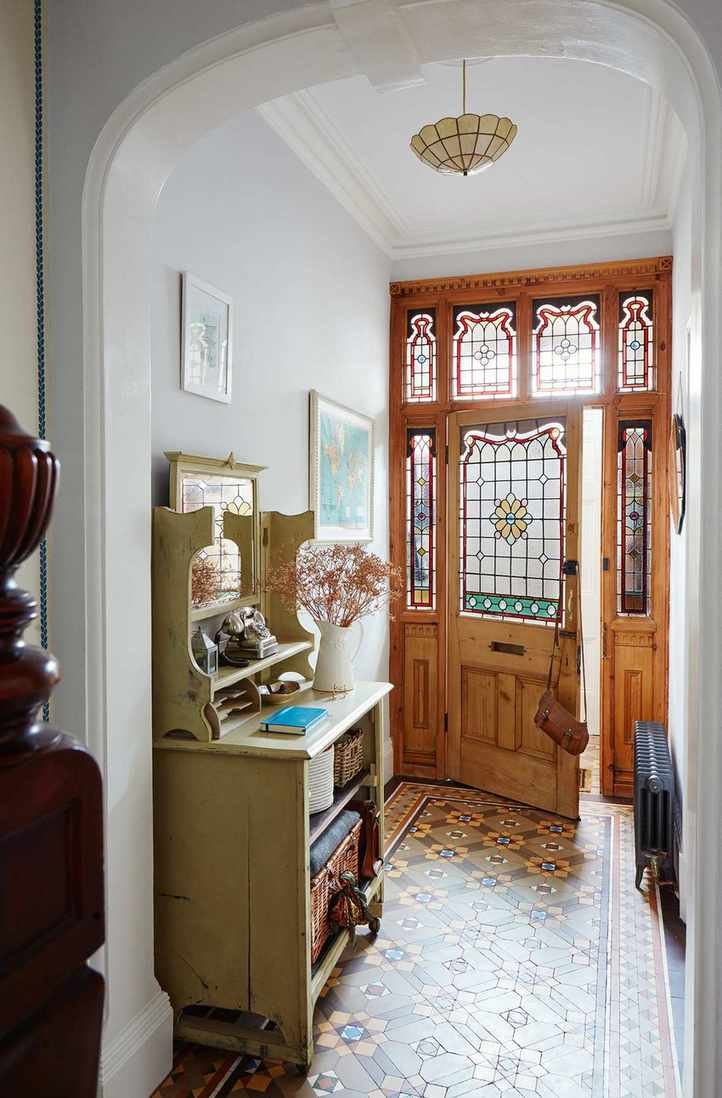
Finishing Touches for Encaustic Tiles
Traditionally, unglazed tiles were left bare. 'Avoid applying sealants or impregnators, especially on ground floors lacking a damp-proof membrane, as this can trap moisture,' warns an expert.
If you desire a mild sheen, apply liquid beeswax sparingly using a soft cotton cloth.
Generally, encaustic tiles are durable, and once finished, maintaining the floor simply requires vacuuming and damp mopping with warm water mixed with dishwashing liquid.
'Use quality doormats to catch dirt before it reaches the tiles,' another expert suggests, recommending breathable mats and avoiding rubber-backed options.



