
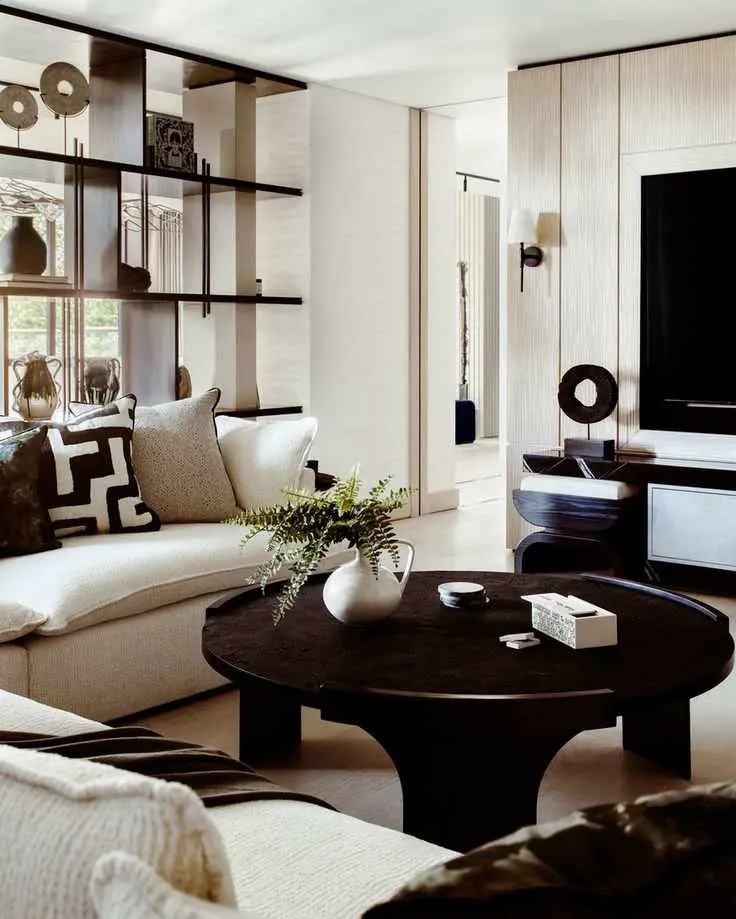
Custom furniture offers a perfect fit, combining functionality and beauty, often referred to as 'interior couture'. These artisan creations are investments that guarantee distinctive results, setting your space apart.
Custom pieces can resolve practical issues like awkward layouts and uneven walls. They also provide a chance to express your creativity or solve challenges that existing furniture can't address.
Commissioning custom furniture means getting a unique item tailored to your preferences while also supporting a rich heritage of craftsmanship, whether in the US or the UK.
Benefits of Custom Furniture
Commissioning unique items appeals to those who wish to avoid mass-produced fabrics and furnishings. Creating something entirely custom ensures exclusivity.
"It can solve design issues too," notes a creative director. "A table can comfortably seat four daily but expand to accommodate 24 when needed. Sometimes, finding the right piece in terms of price, finish, or size is impossible, making a bespoke option ideal."
This approach attracts individuals who value artisanal work and the joy of owning a timeless piece. "There's an increased focus on sustainability and integrity in craftsmanship that will last through generations," says a bespoke joinery expert.
"Working with passionate clients is the most rewarding part of my job. Commissioning a custom piece teaches you about the artistic process and your own creativity, resulting in an heirloom that tells your story," shares an interior designer.
"I always choose a custom sofa. It's a satisfying investment since we spend so much time relaxing on it. It can be both stunning and comfortable when tailored to your needs."
Understanding Your Style Before Commissioning
"Taste is deeply personal, so mistakes are unlikely," asserts a gallery director. "Removing the pressure of 'good taste' is often the first step to clarity."
Exploring interior magazines from different eras, especially those from your childhood, can evoke emotional responses. "If you find an image or object you adore, analyze it and jot down words that capture your feelings," advises the gallery director. "Don't hesitate to create your own terms; we usually understand what you mean."
Selecting Your Maker
Social media platforms like Instagram can be excellent sources for inspiration. Many artisans may not have prominent websites but are active online. Recommendations from friends also hold great value, along with reviewing past commissions.
Whenever possible, meet the maker to establish chemistry and trust, which are crucial for a successful commissioning journey. "We do our best work when clients appreciate our passion for using beautiful, underutilized British wood," a furniture designer explains.
"Starting the bespoke process might feel intimidating, but engaging with makers quickly dispels that. The talented artisans I collaborate with are incredibly friendly and will help turn your vision into reality. Just dive in—you're supporting an artist rather than a chain store, often with little price difference."
"Collaborate closely with makers you admire. I regularly communicate with artisans to ensure every detail is perfect. If you're commissioning something for yourself, decide how involved you want to be. If you prefer oversight, stay in touch; if you trust the maker's vision, let them lead."
Steps to Commission Custom Furniture
Begin by outlining your project brief. This blend of art and science should convey the aesthetic you envision along with technical specifications. Include visual references, such as magazine clippings or a Pinterest board.
The maker will interpret your brief. "It's surprisingly straightforward," a furniture designer asserts. "Asking the right questions—like whether you're left or right-handed, your height, and the piece's intended location—can prevent last-minute changes."
An experienced interior decorator emphasizes the importance of understanding the piece's intended use and placement. "Determine its function, size, storage needs, and traffic flow in the room first."
"Then, identify how prominent this piece should be in your space—is it a focal point or more subdued?" she continues, highlighting her innovative projects that inspire makers to experiment.
Budgeting for Custom Furniture
Experts agree that discussing costs upfront is essential. Consider not only the crafting but also design and development fees, which may be charged at the maker's hourly rate. Some studios have a minimum order value.
"Don't hesitate to have an honest discussion about your budget," suggests a furniture designer. "Clarify your priorities—if comfort is crucial, stress that; if aesthetics matter more but the piece won't see heavy use, focus on finishing touches."



