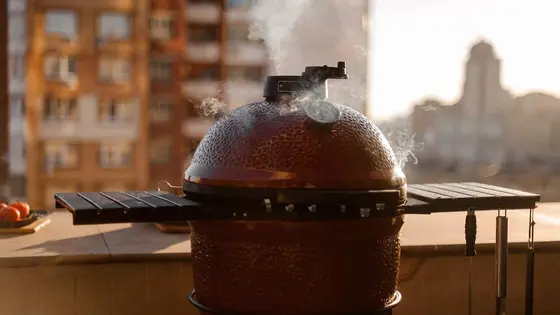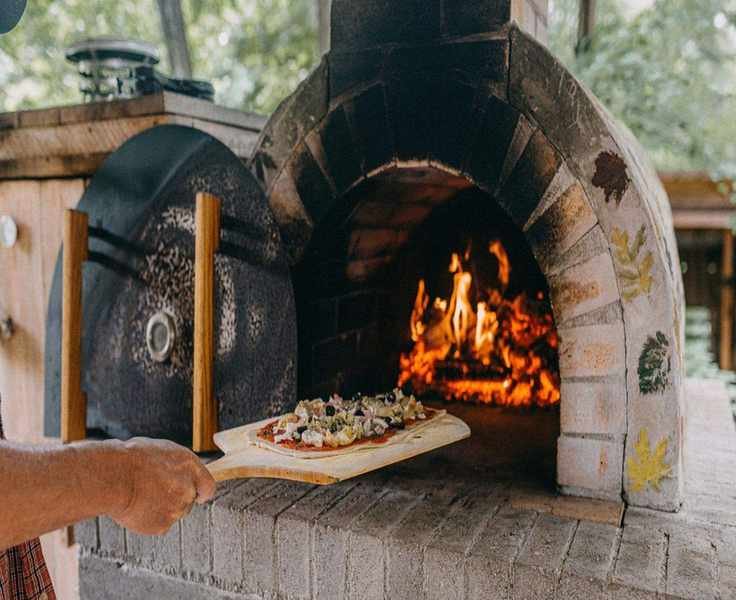
Backyard pizza ovens are quickly becoming a favorite for hosting gatherings. They allow for swift, mouth-watering pizza recipes, perfect for summer parties where everyone can craft their own unique pie.
Despite their charm, even top-notch pizza ovens can be tricky, and mastering them takes practice.
I consulted with several pizza experts, including a world champion, to highlight frequent mistakes people make with pizza ovens and how to steer clear of them.
1. Avoid Rapid Heating of the Pizza Stone
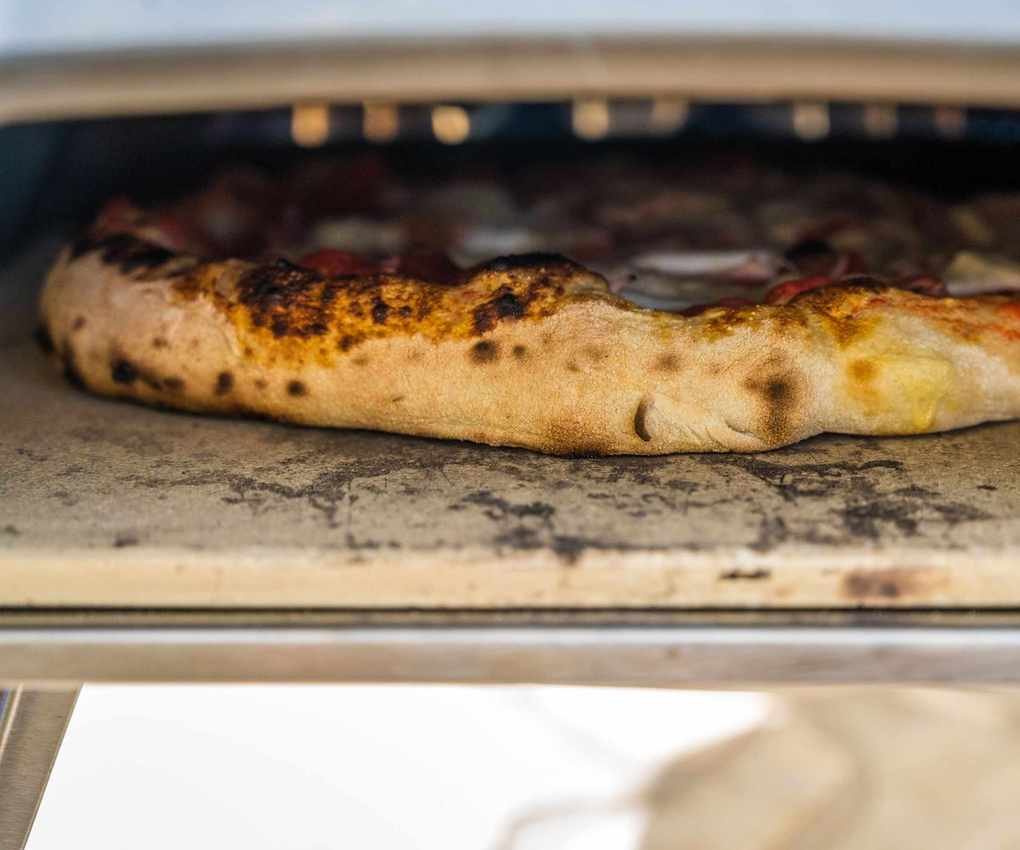
The first misstep is heating the stone too quickly. According to two-time pizza world champion Renato Viola, "Heating the stone too rapidly can lead to thermal shock." This occurs when a cold stone is subjected to extreme heat, risking cracks that can ruin your oven before its first use.
Ensure your stone matches your oven's specifications. If you're using a reputable brand like Ooni or Gozney, you should be fine. For homemade ovens or unbranded stones, verify their heat tolerance.
Pizza stones should be warmed gradually. Chef Mary Cressler advises checking the temperature rating before purchasing. For home ovens, aim for at least 700°F, while outdoor grills should be rated for around 1,000°F.
Once seasoned, pizza stones adapt to heat better, so initial caution is key. Renato notes, "After a few uses, the stone becomes more resilient to heat changes."

2. Wait for the Stone to Reach Optimal Heat
It's vital that your pizza oven heats thoroughly. The stone temperature is crucial for achieving the perfect melt on cheese. A cold stone can cause dough to stick and not cook correctly, while a hot stone will crisp the base beautifully.
Patience is essential. Quality ovens usually reach the right temperature in about 15 minutes, while older models may take up to 30 minutes.
Mary emphasizes, "Prioritize the stone's temperature before baking. For NY-style dough, aim for 500-550°F, and for Neapolitan, target 700-750°F."
3. Keep the Door Closed and Vents Open
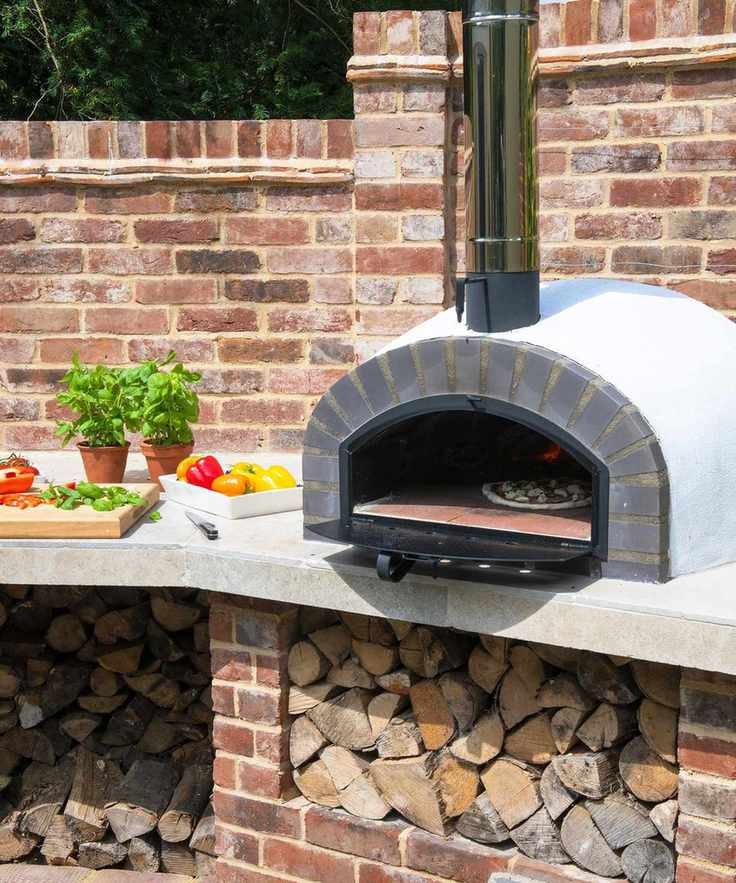
Common ventilation errors can impede your oven's efficiency. Renato states, "An open door causes heat loss, which prevents reaching the desired cooking temperature."
However, avoid sealing off the oven completely. Keep vents open for airflow. Mary suggests, "Use the door to maintain heat but leave vents unobstructed to ensure oxygen flow."
If your oven lacks a door, don't fret. Many compact models still heat efficiently without one. Mary adds, "Smaller ovens can achieve high temperatures quickly even without a door."
4. Avoid Chemical Cleaners on the Stone

Cleaning a pizza stone with chemicals is a significant mistake. Stones absorb moisture, and even soap can affect their integrity. Wet stones can take days to dry and may crack if not fully dried.
Cleaning products can also taint your food. Renato warns, "Stick to dry brushes for cleaning. Chemicals can seep into the stone and alter your pizza's flavor."
Mary recommends using high heat to burn off residue and scraping the stone clean with foil or a brush after heating it for 30 minutes. Affordable brushes are readily available online.
5. Be Cautious with Wood Fuel
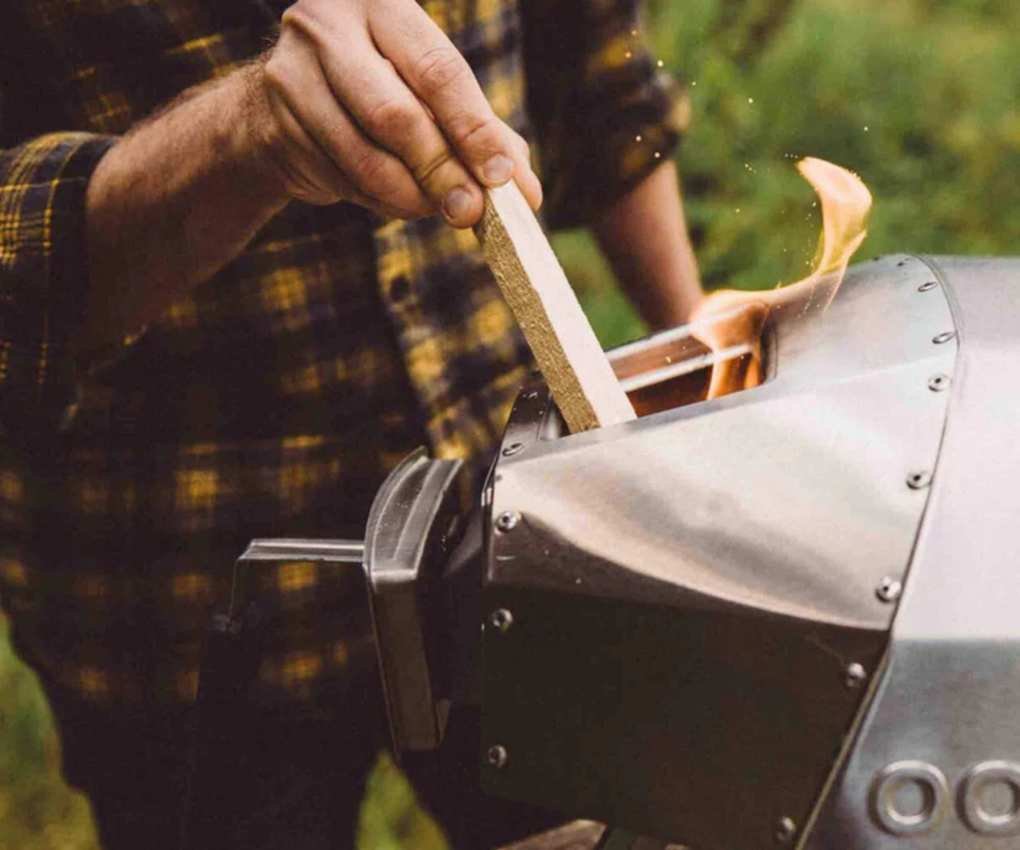
If using a wood-fired oven, choose fuel wisely. Avoid burning cardboard and newspaper, as the ink can be toxic. Mary advises using proper wood fire starters with pellets or chunks for optimal results.
Also, be mindful of the type of wood. Mary cautions against softwoods, which can impart bitter flavors. Opt for hardwoods like oak or hickory for the best heat and flavor.
6. Don't Overfill the Oven with Fuel
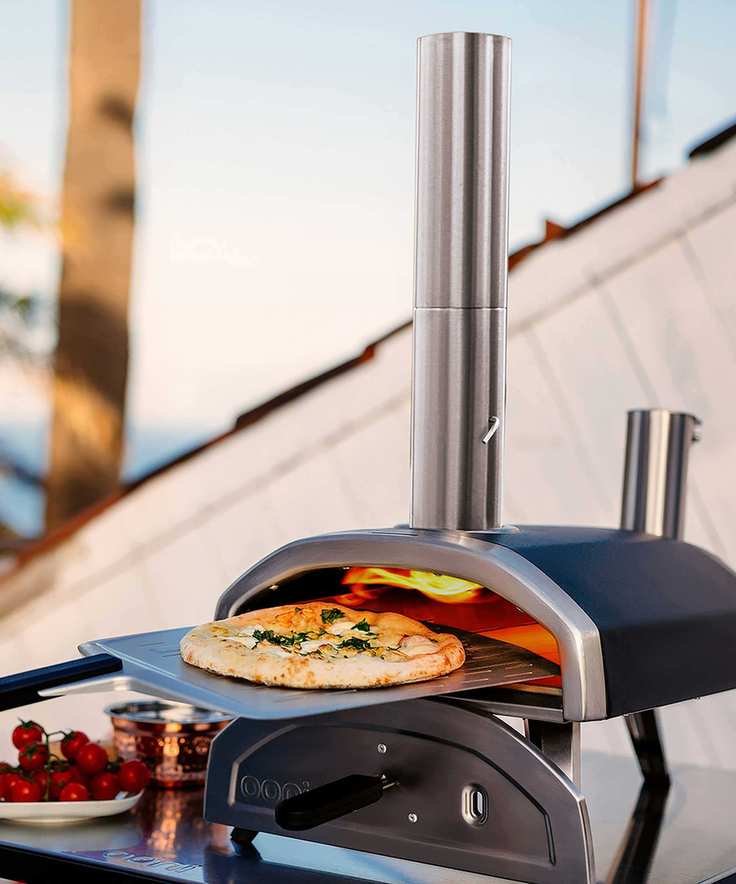
When using a wood oven, resist the urge to pack in too much wood. Excess wood can stifle flames. Mary states, "Ensure the wood size fits your oven to maintain a good fire."
Overloading the oven can also limit cooking space, potentially restricting the size of your pizza.
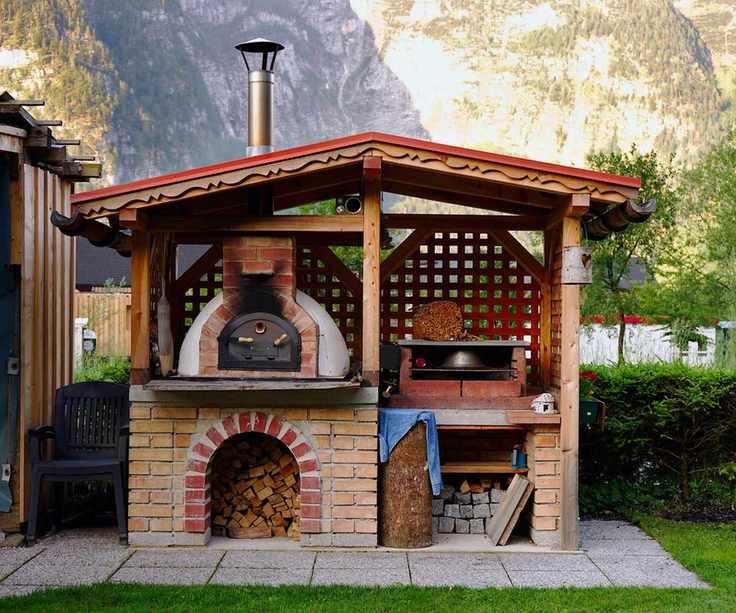
7. Avoid Setting Up Under Trees

Lastly, be mindful of your oven's location. Keep it away from tree branches. High flames could ignite low-hanging limbs, and sap can ruin your pizza's flavor.
Ensure there's clear airspace above your oven to prevent these issues.
This advice is crucial for setting up your oven, but don't forget that quality ingredients matter too. Learning from professional chefs can significantly enhance your dough and sauce, transforming a simple pizza into a culinary delight.