
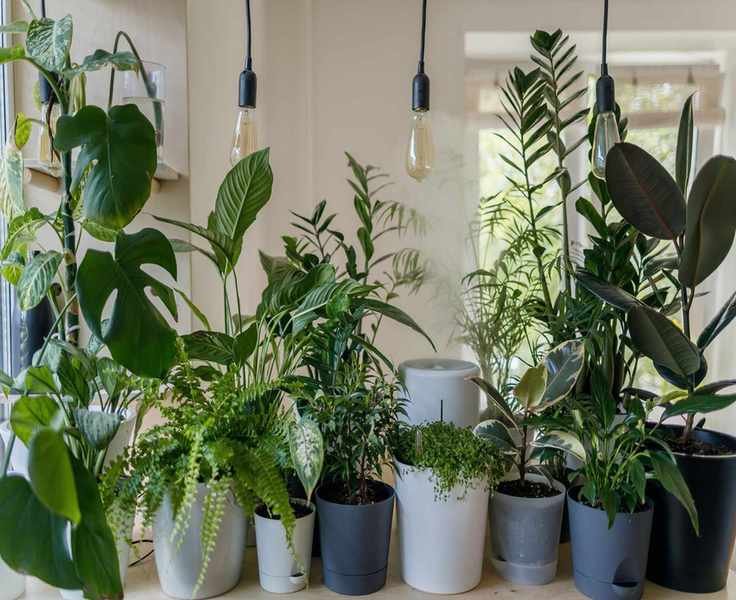
Are your house plants losing their lush green color? The type of pot they're in might be the culprit, as highlighted by a recent tip.
In a video for BritBox, a gardening expert pointed out that browning leaves and shrinking stems often indicate overwatering. Even if you believe you're watering correctly, the choice of pot can lead to excess moisture.
Check out the top 10 house plants for your home style
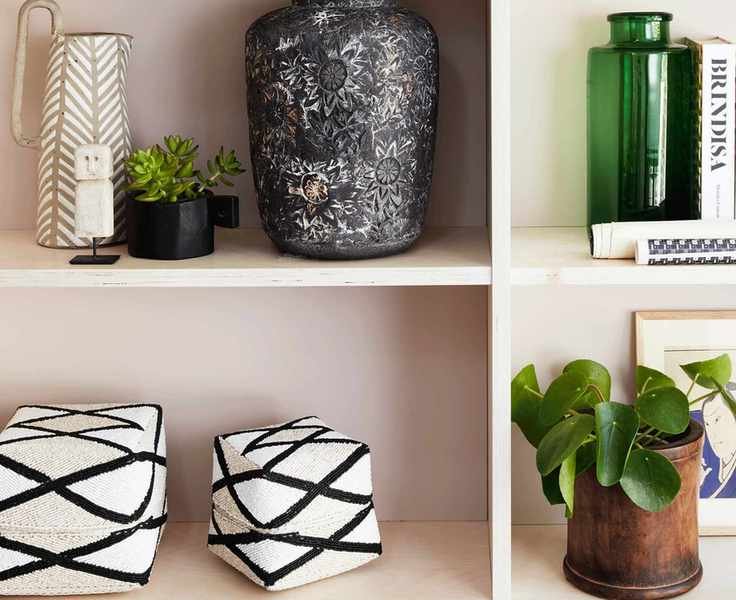
'If I examine the pot and notice no drainage holes, it's likely the water has pooled inside, like a jar,' he explained, showcasing a wilted plant.
'It's too saturated, presenting typical signs of overwatering: drooping leaves and browning edges. Always ensure your house plants are in pots with drainage unless you allow full drainage after watering,' he advised.
While decorative pots enhance the aesthetics of your house plants, many lack drainage holes. Make sure your plants have ample drainage before placing them in decorative containers.
For smaller plants, consider removing them from decorative pots during watering, allowing them to drain properly in the sink.
Explore: Discover the most Instagrammed houseplants

Gardening expert
Another factor for browning leaves could be your home's environment. 'Many house plants, especially foliage varieties like aspidistra, thrive in cool, dark, and moist conditions,' he noted. 'Most homes are often too warm and dry, making a mister essential for their care.'
'Mist the leaves regularly; for many plants, this is the best way to keep them happy,' he added.
Houseplants not only beautify your space but also enhance your well-being. Treat them well to enjoy their numerous benefits.
- See: Hilton Carter's tips for keeping house plants healthy
How Frequently Should You Water Your House Plants?
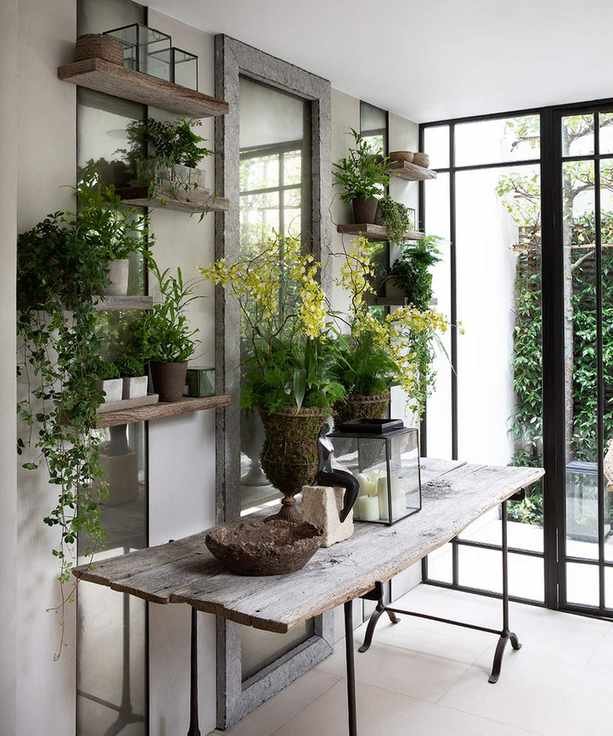
Watering frequency varies by plant type, size, pot, room temperature, location, and growth rate.
Many of us tend to overwater our plants. Generally, houseplants require watering every one to three weeks. The best approach? Water only when necessary, rather than sticking to a set schedule.
How Can You Tell if a Plant Needs Water?
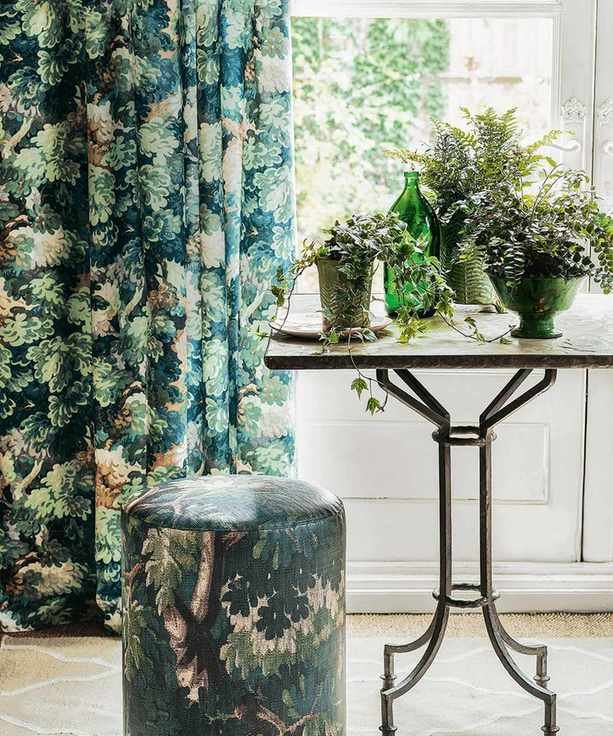
Instead of following a strict watering schedule, check if your plant truly needs water. Simply stick your finger into the soil; if the top inch feels dry, it's time to water. If it's still damp, wait a couple more days.
What's the Best Way to Water House Plants?
The key is to water evenly around the roots. If you only water one side, the roots will gravitate toward that area, causing uneven growth. Rotate the pot as you water to ensure the roots receive moisture uniformly.
When watering, give enough so that water seeps out of the bottom of the pot, indicating that your job is done.



