Tomatoes rank among the most beloved plants for home gardeners, often serving as a starting point for those venturing into fruit and vegetable cultivation. However, along with the joy of growing them comes the risk of various diseases that could ruin your harvest.
With a diverse range of shapes, sizes, and colors available, your choice of tomato varieties and proper care can significantly reduce the likelihood of encountering diseases.
Even if problems arise, they don't have to mean the end for your plants. Quick action can help you manage many issues effectively.

Tomatoes can be classified as either determinate or indeterminate, influencing their growth habits.
Identifying Tomato Diseases
Staying alert is crucial for recognizing early signs of tomato diseases, whether your plants are in a greenhouse or an outdoor garden. Look for indicators of distress, which can show up on any part of the tomato plants. When watering, pruning, or harvesting, take time to inspect your plants for signs of diseases or pests.
Gardener and author Susan Mulvihill suggests examining seedlings carefully before purchase. She advises checking both the tops and undersides of leaves, as well as the roots, to avoid introducing problems into your garden.
Once planted, keep an eye out for 'leaf spots, sudden wilting, dark lesions on stems, mottled leaves, or unusual spots on fruits.' These symptoms are common across numerous diseases, and timely detection can help preserve your plants and yield.

Susan Mulvihill
Renowned for her expertise, Susan has authored several gardening books and has been writing garden columns for nearly two decades.

Spots on fruits may indicate disease affecting your tomato plants.
Common Symptoms of Tomato Diseases
Tomato diseases typically manifest as fungal or bacterial infections, often transmitted by pests like thrips or through gardener activity. These diseases can spread through contact, water splashes, or tools moving among plants. Here are some common tomato diseases and their symptoms:
Early blight – characterized by brown or black spots on older leaves that expand and develop dark edges. Yellowing tissue and black lesions on fruits may also occur.
Late blight – manifests as irregular dark brown spots on leaves that grow quickly, sometimes accompanied by white mold. Stems may blacken, and fruits can develop dark blotches and irregular shapes.
Verticillium wilt – older leaves exhibit yellow blotches followed by wilting, which can spread to the entire plant, resulting in smaller fruits.
Leaf spot – a fungal infection that results in small dark circular spots on leaves that expand to have gray centers, leading to yellowing, wilting, and leaf drop.
Blossom end rot – not a disease per se, but a common issue where leathery brown areas develop at the blossom end of the fruit.
Powdery mildew – manifests as pale yellow spots followed by a powdery white coating on leaves, beginning with lower leaves that may turn brown and shrivel.
Mosaic virus – affected leaves show a distinct light green and yellow mottled pattern, with infected fruits appearing spotted and brown.

Septoria leaf spot appears as dark, circular marks on foliage.
Preventing Tomato Diseases
Ensuring good air circulation is vital for combating tomato diseases. This starts with appropriate planting and spacing. Crowded plants face stress, making them more vulnerable to pests and diseases.
Gardener Ren Elizabeth, who cultivates tomatoes in a spacious greenhouse, advises against cramming plants together. Instead, prioritize wider spacing for healthier plants.
Using trellising can help keep plants upright and off the soil. Additionally, pruning suckers enhances airflow and minimizes disease spread.
Your watering method also impacts disease prevention. Overhead watering can easily spread fungal infections, while drip irrigation minimizes this risk by avoiding wet foliage and soil splash.
Using clean, sharp garden tools when pruning reduces the risk of disease. Clean cuts help prevent infections from entering plants. Moreover, practicing crop rotation prevents soil diseases from building up, as plants in the nightshade family, like tomatoes, peppers, and eggplants, should not occupy the same spot consecutively.
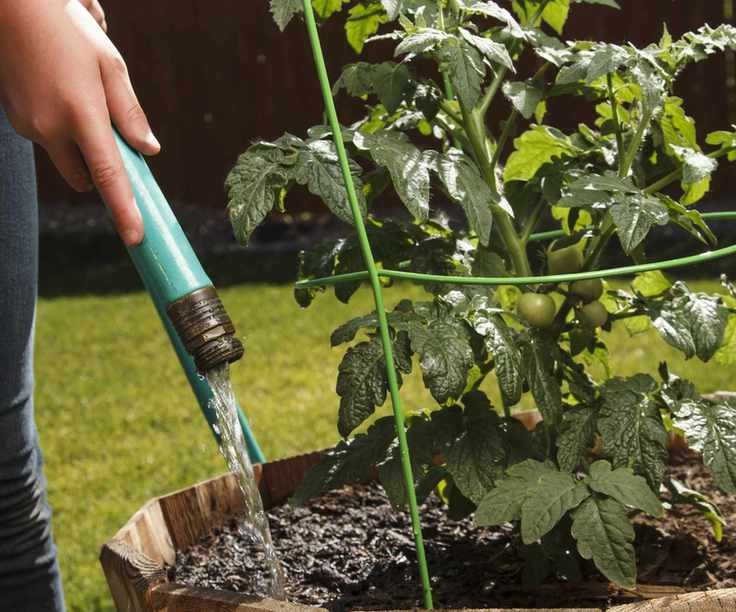
Watering soil rather than foliage can help prevent fungal diseases.
Managing Tomato Diseases
In addition to preventative measures, there are steps to take when diseases occur. Unfortunately, some diseases like fusarium and verticillium wilt may necessitate removing and destroying infected plants.
Timely observation is crucial for managing diseases. Regularly checking plants and promptly removing any diseased ones can prevent further spread. Dispose of infected material properly; do not add it to compost, as home compost may not reach temperatures that kill pathogens.
Various fungicides can tackle many fungal diseases. Organic options, including bio-fungicides with beneficial microorganisms, copper fungicides, horticultural oils, and plant extracts like garlic or neem oil, can be effective. Always adhere to label instructions for best results.
When selecting tomato varieties, opt for those known for disease resistance. These varieties can lessen the need for treatments during the growing season, often resistant to common issues like verticillium and fusarium wilt, mosaic virus, stem canker, and leaf spot. While resistant types may not be completely immune, they tend to withstand early or late blight better than others.
An excellent example of a disease-resistant tomato is the Bodacious Hybrid variety, available from Burpee.
Bonide Captain Jack's Copper Fungicide | Available at Amazon
This fungicide effectively controls and prevents various fungal diseases, including blight and powdery mildew, and is suitable for organic gardening.
Don't let the potential for tomato diseases deter you from growing this rewarding crop. With the right care, tomatoes can flourish and produce an abundance of fruit each summer.
Take control of preventative measures. Consider growing tomatoes in a greenhouse for better condition management, reducing the risk of fungal spore spread from rain.
Regardless of where you grow your tomatoes, prioritize good hygiene and proper watering practices to minimize disease risks and limit any issues that may arise.