
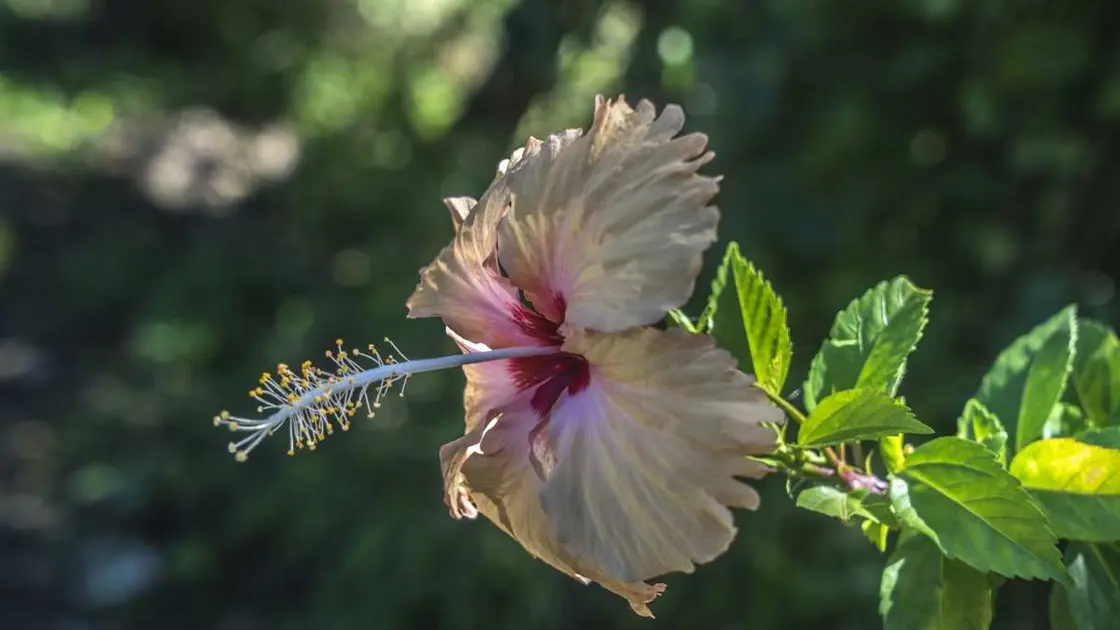
Hibiscus shrubs make a stunning addition to any garden. Known for their bright, beautiful blooms, understanding how to cultivate hibiscus will enhance your outdoor space, appealing to those who love tropical aesthetics.
With an array of hibiscus varieties from deep purples to whites, there's a plant for every preference. Hardy and tender types exist, ensuring gardeners can find a suitable hibiscus regardless of their US hardiness zone.
While hibiscus plants are generally easy to care for, there's often confusion about the necessity of deadheading once flowers fade. Here, gardening professionals explain whether deadheading is essential for all hibiscus types and the best methods for doing so.

Hibiscus rosa-sinensis 'Brilliant' showcases vibrant red flowers
Is Deadheading Necessary for Hibiscus Flowers?
Deadheading is a beneficial gardening practice that enhances plant appearance and encourages blooming by stopping seed production. This quick task often provides a peaceful moment for gardeners to slow down and appreciate their work.
Although deadheading is advised for many annuals and perennials, it isn't always needed for larger shrubs. We consulted experts to determine its necessity for hibiscus.
Hibiscus Varieties That Benefit from Deadheading

Hibiscus rosa-sinensis thrives with regular deadheading as blossoms fade
According to Tricia Hunt, a tropical plant expert and owner of Millstone Plant Nursery, she seeks out beautiful and beneficial plants: 'Tropical hibiscus are ideal for gardens.'
These varieties attract pollinators and flourish in US hardiness zones 9-10. They can also survive in cooler areas with winter protection, making winterizing hibiscus essential.
Tricia notes that tropical hibiscus can bloom from spring through fall with proper care. Regular deadheading during warmer months can lead to an abundance of vibrant flowers.
In warmer climates, you might grow tropical hibiscus in the ground, but container gardening is often preferable. Potted plants are easier to maintain, and you'll only need a ladder for larger ground varieties. Focus on removing as many faded blooms as possible to redirect energy away from seed production. Don't stress if some are out of reach.
For optimal results, deadhead tropical hibiscus (Hibiscus rosa-sinensis) every 3 to 5 days. Since blooms can fade within 1 to 2 days, staying on top of this task ensures ongoing beauty. Use clean, sharp secateurs to snip spent flowers or gently pull them off by hand.
Tropical hibiscus shrubs are available through various retailers.

Tricia operates Millstone Market & Nursery in Germantown, Tennessee, and has a deep appreciation for gardening.
Hibiscus Varieties That Don't Need Deadheading

Rose of Sharon, Hibiscus syriacus, is a hardy species that doesn't require deadheading
Generally, most hardy and native hibiscus varieties do not need deadheading. While removing faded blooms can improve shrub appearance, it typically does not stimulate a second round of flowers for these species.
This includes native varieties like Hibiscus moscheutos (swamp rose mallow) and Hibiscus syriacus (rose of Sharon), often seen as ornamental plants. Leave these resilient types alone when blooms fade.
As Tatiana Anderson, co-founder of Top Tropicals, suggests, these plants can be excellent landscaping options and should receive some pruning in the fall and winter for shape maintenance.
It's advisable to avoid deadheading these shrubs and instead enjoy the ornamental value of their seed heads throughout summer. To prevent seed dispersal, prune in late fall or winter.
For hardy hibiscus grown in pots, some deadheading might be beneficial, but for larger garden varieties, focus on seasonal pruning instead.
Hardy hibiscus varieties, including rose of Sharon, are available at various retailers.

Tatiana co-founded Top Tropicals in Fort Myers, Florida, specializing in a range of tropical plants.
Common Questions
How Often Should I Deadhead Tropical Hibiscus Shrubs?
Make deadheading a regular part of your gardening routine during the growing season. Tropical hibiscus blooms can last only 24 to 48 hours, so spending a few minutes every other day on deadheading can keep your plants looking vibrant. Use clean tools or your hands to remove spent flowers and seed pods as necessary.
Deadheading is crucial for maintaining plant aesthetics and encouraging blooms. However, only do this for plants that will respond positively. Hardy and native hibiscus can be left untouched, particularly larger garden varieties, and seasonal pruning will prevent excessive seed dispersal.
For more tips on hibiscus care, check out our guide on growing hardy hibiscus in pots for vibrant container displays.



