
Experiencing water damage at home can be overwhelming, whether from a burst pipe or a flood. Knowing how to effectively dry waterlogged items can help reduce damage and restore normalcy quickly.
Drying these items promptly is vital not only to avoid mold growth but also to keep your home smelling fresh and minimize health risks associated with moisture.
Here’s a practical guide on drying various waterlogged items effectively.
Drying Waterlogged Items Efficiently
First and foremost, stop the source of water as swiftly as you can. This can be challenging in cases of flooding, where preventive measures like sandbags are more effective than reactive ones. However, if it’s due to a burst pipe, it’s typically easier to manage.
Wait until the water has ceased flowing before attempting to dry belongings, or you risk prolonging the issue.
1. Utilize a Dehumidifier for Quick Drying
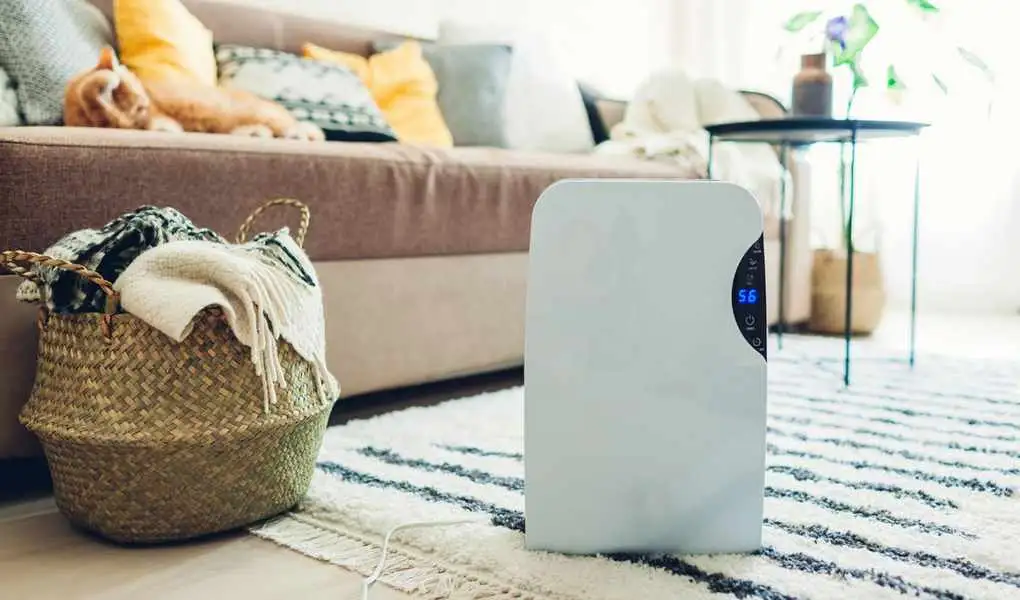
Dehumidifiers are excellent for extracting moisture from the air and can also aid in drying out items, according to cleaning expert Nathaly Vieira.
“By removing moisture, these machines significantly reduce drying times,” she explains. “Using a fan alongside a dehumidifier can enhance airflow, expediting drying further.”
Pure Enrichment Dry Deluxe Dehumidifier
This compact unit is ideal for controlling excess moisture in bathrooms and medium-sized spaces.
Midea 50-Pint EnergyStar Smart Dehumidifier
This model features a smartphone app for remote control, ensuring convenience.
Waykar 2000 Sq. Ft Dehumidifier
This device removes up to 34 pints of moisture daily and includes a timer and humidity settings for optimal performance.
2. Provide Good Airflow for Smaller Items
After water exposure, ensuring proper air circulation is crucial, especially for fabrics. Instead of leaving cushions, blankets, or towels piled up, Muffetta Krueger suggests placing them on drying racks or using heated airers or line drying outdoors on warm days.
“This approach fosters airflow, speeds up drying, and helps prevent water stains,” Muffetta advises.

3. Extract Excess Water with a Wet Vac
If you want to salvage soft furnishings, carpets, and upholstery, wet-dry vacuums are essential, states Steve Leasure, VP of operations.
“Whether rented or owned, these vacuums can help remove as much water as possible. For carpets, be sure to take out cushions and rugs immediately,” he suggests. “In severe cases, consider hiring a certified water restoration expert for thorough assistance.”
Don’t use your regular vacuum for this task unless it’s specifically designed for liquids, as this could lead to further complications.
4. Blot Soft Furnishings to Absorb Water
If a wet vacuum isn’t available, quickly blotting wet furnishings with absorbent towels is an immediate solution, recommends Jeremy Lesher, co-owner and product manager.
“For wet furniture, use dry towels to blot moisture and allow it to air dry in a ventilated area, avoiding direct heat that may warp or crack surfaces,” Jeremy advises.
“For cushions and pillows, remove covers to wash them, and if machine drying isn’t an option, blot moisture and utilize a fan to assist in drying.”
5. Use Fans with Caution
Fans can be beneficial for air circulation post-water damage, but using them indiscriminately may spread mold spores, warns Steve Leasure.
“If flooding is recent and there’s no musty smell, use a dehumidifier or fan to combat humidity. However, if you suspect mold growth, avoid fans as they might circulate spores throughout your home,” he cautions.
6. Air Dry Smaller Items
To save time and energy, designate certain items for air drying in a non-flooded area, suggests Jeremy Lesher.
“Delicate items like ceramics and glassware can usually be air-dried. Place them on an absorbent surface in a well-ventilated area, turning them occasionally for even drying.”
“After cleaning area rugs, hang them in a shaded area, gently shaking them to remove excess moisture, and use a fan to enhance airflow for drying.”
7. Discard Large Carpets Damaged by Flood Water
Large carpets exposed to flood waters may be beyond repair, according to Steve Leasure. It’s often wiser to remove them entirely instead of risking long-term contamination or mold.
“If carpets and cushions have been soaked by flood water, they cannot be salvaged and must be disposed of. Flood waters carry various contaminants that cannot be cleaned from carpets. Seek professional help promptly,” he advises.
Additional Tips
Can water-damaged books be restored?
Air drying is often effective for water-damaged books, especially with a dehumidifier or fan to enhance airflow. Avoid applying heat directly to wet paper to prevent shrinkage or damage.
How long does it take for water damage to dry?
Drying time varies based on the severity of the damage and may take at least 72 hours. Utilizing dehumidifiers and fans can expedite this process, but drying times differ for various materials.
When faced with waterlogged belongings, remember, you don’t have to handle everything alone. Professional help ensures thorough drying and restoration, preventing further damage to your home and belongings.



